








Gut Health
Sticky Poop: Causes, Digestion Issues, and Remedies
Sticky stool is poop that is thick, tacky or greasy and clings to the toilet bowl, and it is most often caused by too much fat in the diet, poor fat absorption, extra mucus in the gut or bleeding i...
Read more
Smelly Poop: Causes and What It Tells About Your Digestive Health
Foul-smelling stool is often a normal reaction to specific foods or short-term changes in your gut bacteria, but a smell that keeps coming back or is unusually putrid can point to a digestive or ma...
Read more
Orange Poop: Reasons, When to Worry, and Digestive Insights
Orange poop is most commonly caused by diet changes, such as eating large amounts of beta-carotene-rich foods like carrots, sweet potatoes and pumpkin, or foods with artificial dyes, and it is usua...
Read more
Normal Poop Colour: What It Indicates About Your Digestive Health
Normal stool colour is any shade of brown, from light tan to dark chocolate, and a slightly greenish tint is also normal, as bile from the liver is turned brown by gut bacteria during digestion. Se...
Read more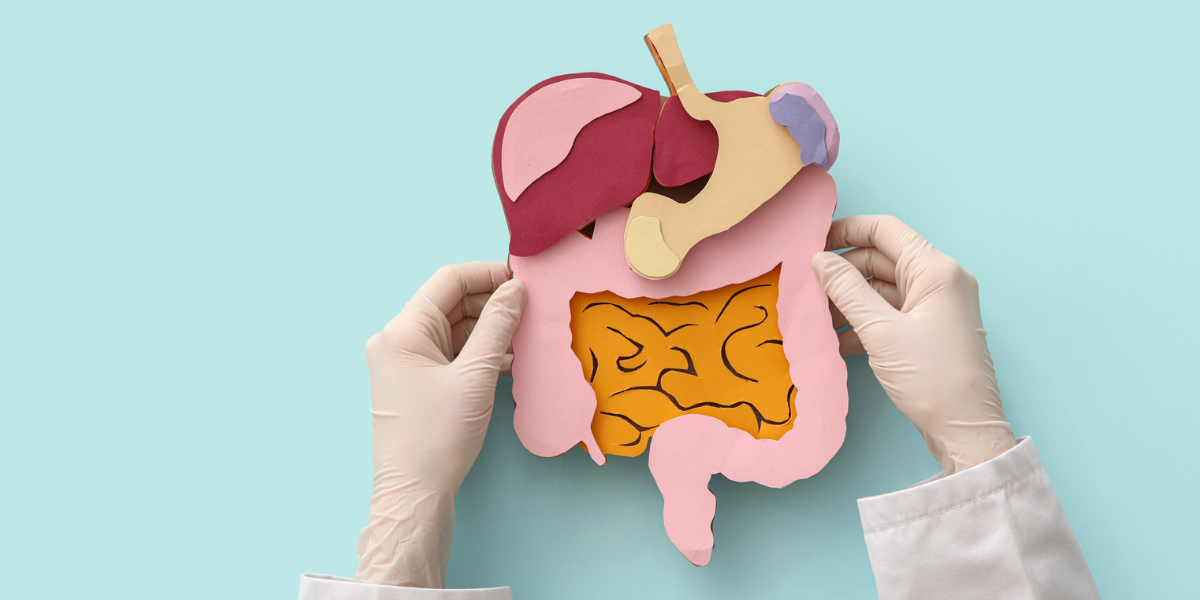
Green Poop: Causes, Meaning, and When to Worry
Green stool causes are usually harmless and most often come down to what you eat, how fast food moves through your digestive tract, or routine medicines like iron tablets and antibiotics. Green poo...
Read more
Greasy Poop: Causes, Digestive Issues, and How to Fix It
Greasy stool, medically known as steatorrhea, occurs when there is an excess amount of fat in your poop because your digestive system has trouble breaking down or absorbing fats. It can happen afte...
Read more
Dark Brown Poop Colour: Digestive Significance and Health Implications
Dark brown stool is usually normal and is most often caused by dark foods, iron tablets, bismuth medicines like Pepto-Bismol, not drinking enough water, or stool staying in the gut longer, as with ...
Read more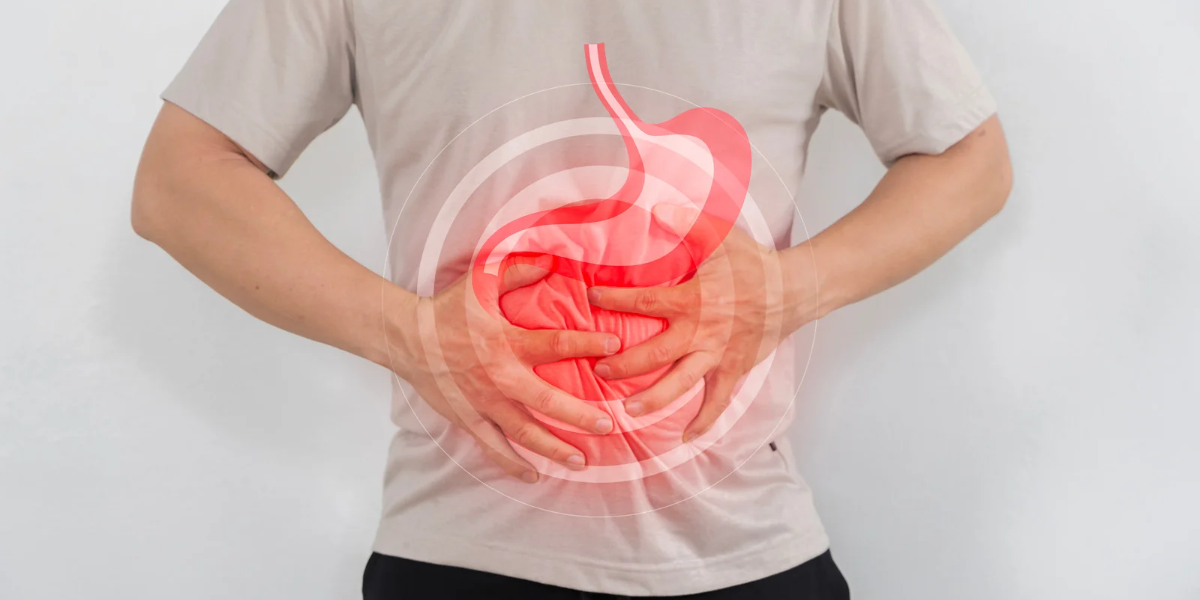
Brown Colour Poop: Normal Stool Colour and What It Means for Gut Health
Brown stool, in any shade from light tan to dark brown, is the normal and healthy colour for adult poop and usually means your digestion is working as it should. Stool is brown because bile from th...
Read more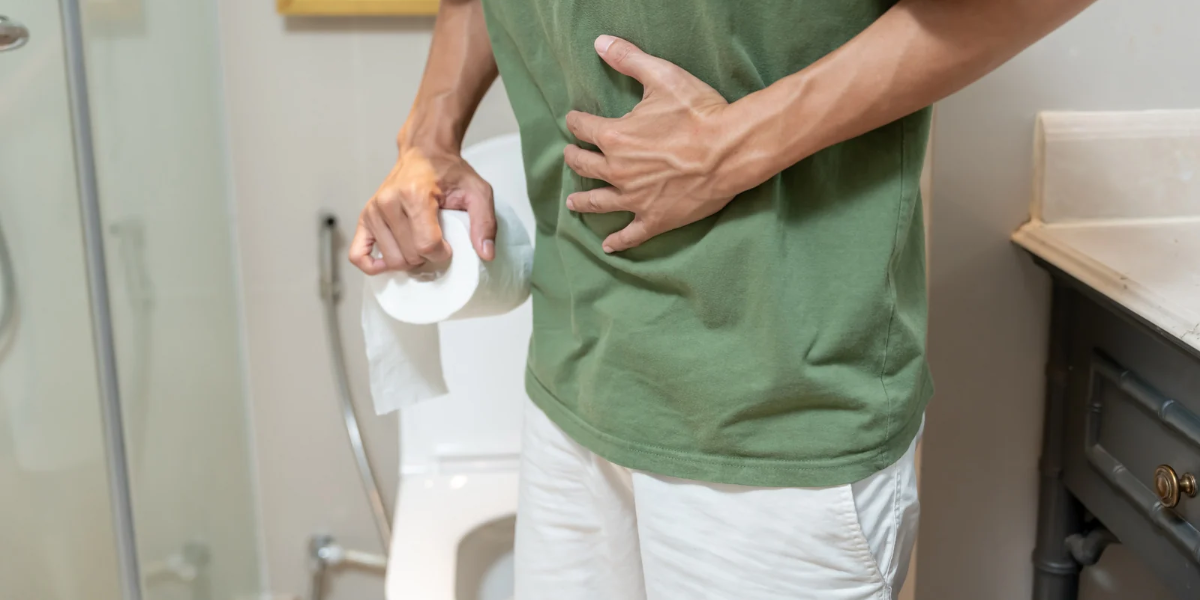
Black Colour Poop: Causes, Risks, and What Your Stool Indicates
Black stool causes range from harmless ones like iron tablets and bismuth medicines such as Pepto-Bismol and dark foods like blueberries or black liquorice, to bleeding in the food pipe, stomach or...
Read more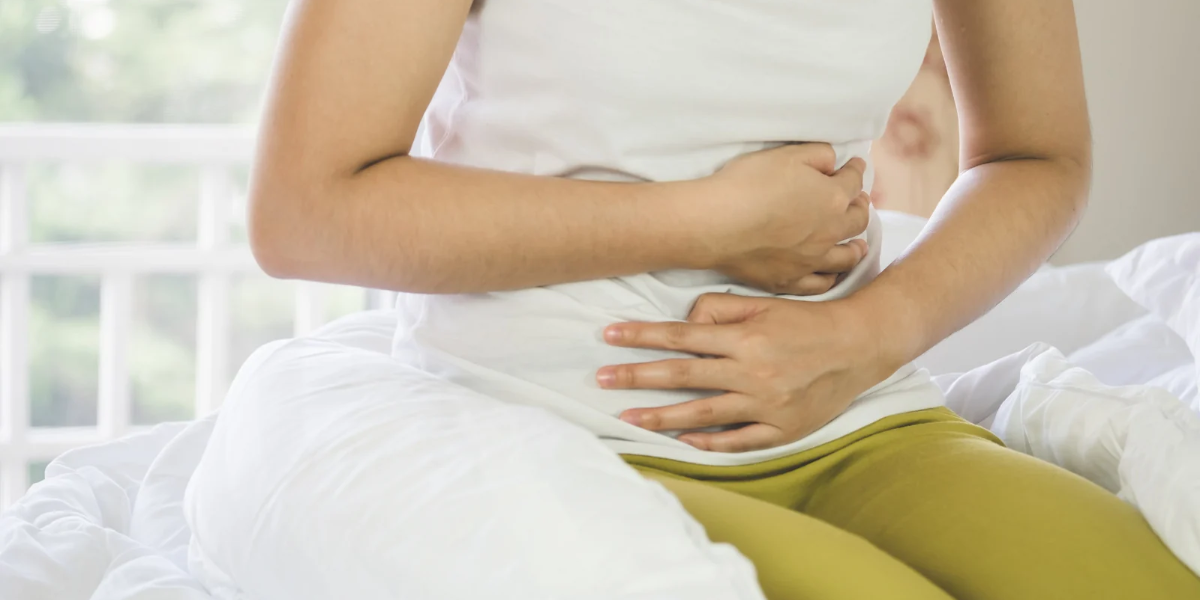
What Causes Piles? How to Relieve Constipation and Reduce Your Risk of Haemorrhoids
Piles (haemorrhoids) are swollen and inflamed blood vessels in the lower rectum and anus, and the most common causes of piles are straining, long-term constipation or diarrhoea, sitting too long on...
Read more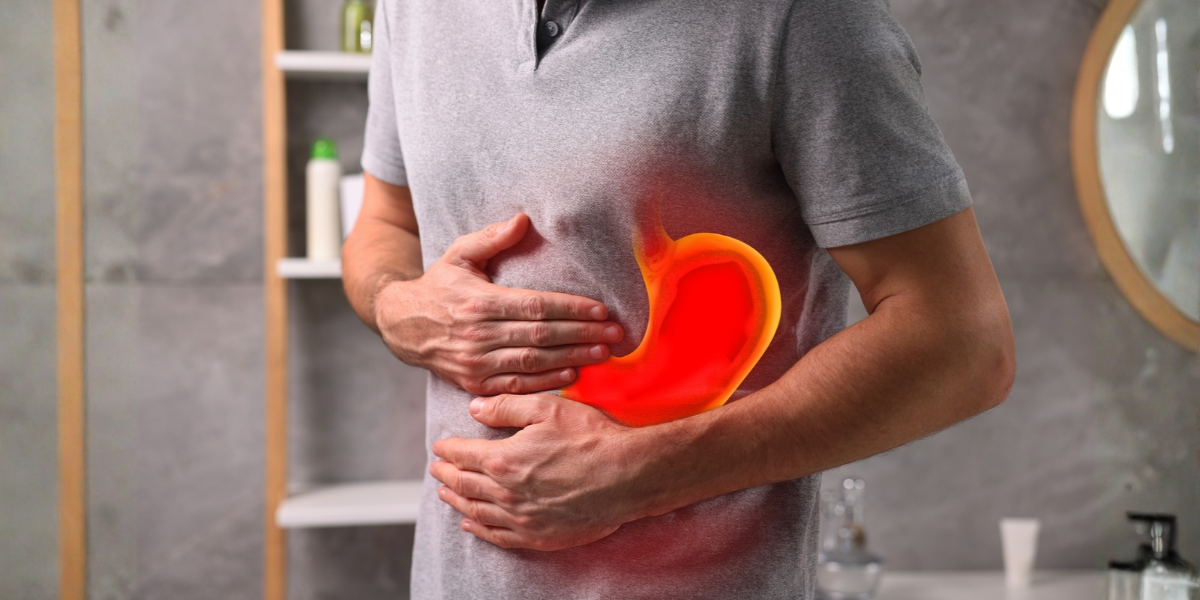
Healthy Poop Chart: How to Track Stool for Gut Health at Home
A healthy poop chart, usually the Bristol Stool Chart, sorts every bowel movement into 7 types, where types 3 and 4 (smooth, sausage-shaped and easy to pass) are the healthy target, types 1 and 2 p...
Read more
Different Types of Poop and What They Mean for Your Digestive Health?
A healthy bowel movement is typically medium-to-dark brown, soft yet well-formed and easy to pass, and doctors use the Bristol Stool Chart to sort stool into seven types: types 1 and 2 point to con...
Read more
Dry Stool (Vata Constipation): Why Your Body is Lacking Stool Lubrication and How Ghee Can Help?
Dry, hard stool usually happens when stool stays too long in the colon and loses water, often because of too little fluid, low fibre, sitting all day, holding in the urge or certain medicines. Ayur...
Read more
Morning Routine for a Clear Stomach: Warm Water, Squatting, and Timing for Your Bowel Movements
A morning routine that combines warm water, a squatting posture and the right timing helps trigger your body's natural reflexes, so stool passes more easily. Drink 1 to 2 glasses of warm water soon...
Read more
Coffee and Constipation: Does It Help or Harm Your Gut?
Coffee helps constipation for many people because it makes the colon squeeze within minutes, but it can make constipation worse if it replaces water, if you drink too much or if the milk in it does...
Read more
Sleep and Constipation: Morning Routine, Timing, and the "Regularity Window"
Yes, poor sleep can make constipation more likely because your colon follows your body clock: it stays quiet while you sleep and is most active in the first hour after you wake up and eat. You can ...
Read more
Straining During Stool: The Dangers, Causes, and How to Achieve a Smooth Passage Naturally
Straining to poop usually happens when your stool is hard and dry or when the muscles around your back passage do not relax, often because of low fibre, too little water, sitting all day or holding...
Read more
Foods to Avoid After 5 PM for Constipation: Evening Eating Tips
Avoid heavy, low-fibre and slow-digesting foods after 5 PM, such as fried snacks, cheese, paneer, maida, white rice, packaged foods, red meat, sweets and alcohol. Your gut slows down at night, and ...
Read more
Bloating vs Constipation: Why They Happen Together and How to Solve Both
The usual reasons for stomach bloating are gas, stool or undigested food building up in your gut, from constipation, swallowed air, gas-forming foods or a sensitive gut. You feel bloated and consti...
Read more
How Many Times a Day Should You Poop to Be Healthy? Healthy Bowel Frequency Explained
Anywhere from three bowel movements a day to three a week is considered normal for adults. Most healthy people go once or twice a day, but there is no single right number. What matters more is that...
Read more
Warm Water for Constipation: How a Morning Glass Can Help Ease Irregularity
Drinking a warm glass of water in the morning can be a helpful tool for managing bowel irregularity, but it is not a standalone miracle cure for chronic, long-term constipation. Realistically, it c...
Read more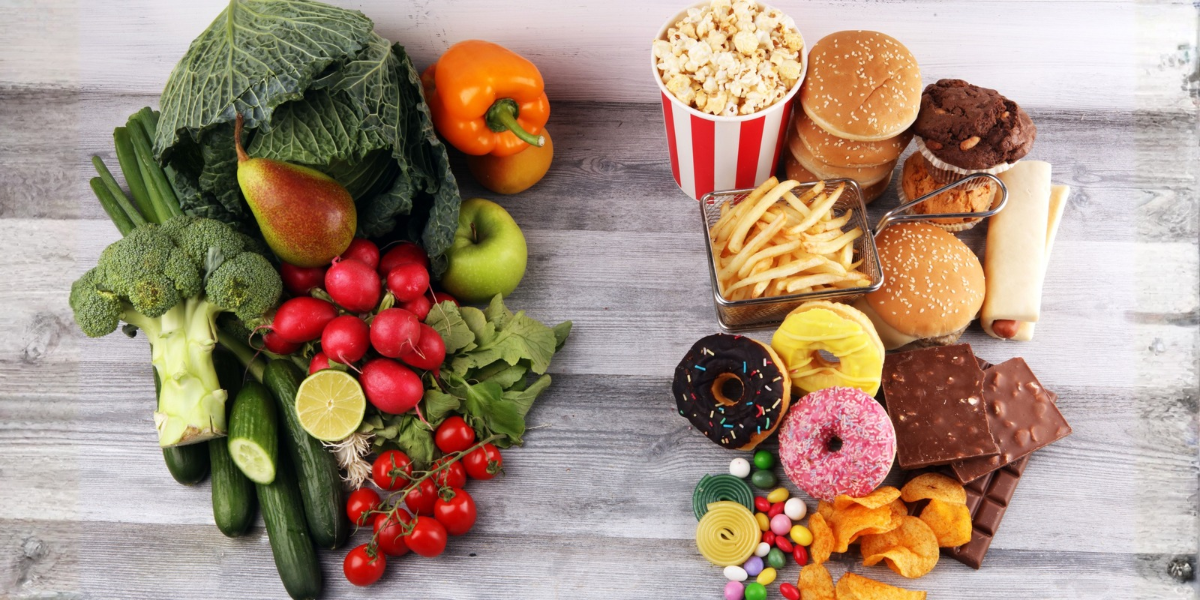
Worst Foods for Gut Health and How to Find Your Own Trigger Foods
Certain foods can harm your gut microbiome, weaken your intestinal lining, and trigger inflammation or digestive distress like bloating and gas. The worst foods for gut health are ultra-processed p...
Read more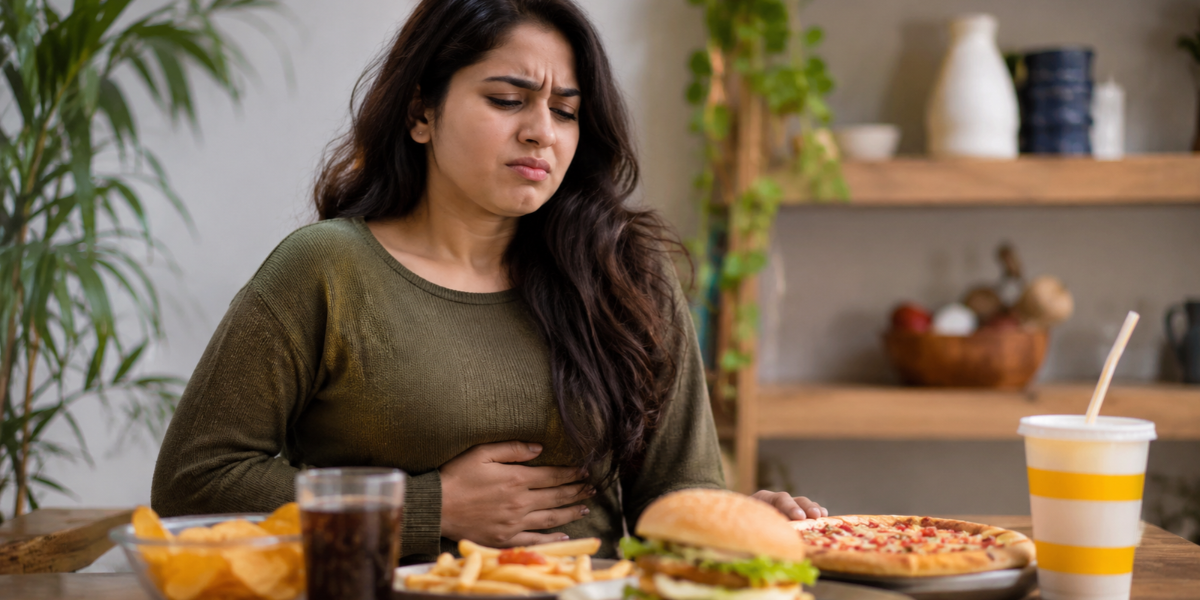
Ultra-Processed Foods and Gut Microbiome: How Modern Diet Harms Digestion
Ultra-processed foods (UPFs) harm digestion by starving the good bacteria in your gut, wearing down the protective lining of your intestine and triggering long-term inflammation. They are low in fi...
Read more
झंडू गुड गट के फायदे क्या हैं? उपयोग, सामग्री, साइड इफेक्ट और असली ग्राहकों के अनुभव
Zandu Good Gut क्या है? तीन प्रोडक्ट, तीन अलग काम Zandu Good Gut पेट की तीन अलग दिक्कतों के लिए बनी आयुर्वेदिक रेंज है: Cleanse & Detox Shots, Acidity & Bloating Tablets और Constipation Rel...
Read more
Indigestion After 40: What Changes and Why
Indigestion and heartburn often start or get worse after age 40 because of natural changes in muscle tone, hormone levels, stomach emptying and gut bacteria. See a doctor if new indigestion comes w...
Read more
Millennials vs Gen Z: Who Has Better Gut Health?
Millennials report more diagnosed digestive problems and do more to manage them. Gen Z shows more day-to-day gut disorders, like constipation and IBS, in studies that compare the two directly. No s...
Read more
Gut Routine: Ayurvedic Habits from Waking Up to Bedtime for Peak Digestion
A good daily routine for gut health starts early. Wake up before sunrise, drink warm water and clean your tongue. Make lunch your biggest meal, walk after you eat, have a light dinner 2 to 3 hours ...
Read more
Hunger vs. Boredom: How to Decode Your Body's Real Agni Signals & Balance Gut Health
Real hunger builds slowly, comes from your stomach and goes away with almost any food. Boredom hunger comes on suddenly, starts in your head, asks for one particular snack, and doesn't go away even...
Read more
पेट साफ नहीं हो रहा तो क्या करें? 14 आसान तरीके
पेट साफ नहीं होता… मोशन क्लियर नहीं होता… सुबह खुलकर पेट साफ हो जाए (ग्राहक बातचीत का सार) ये भाव हमारे विज्ञापन की गढ़ी हुई भाषा नहीं, ग्राहक बातचीत में बार-बार आने वाली बातों का सार हैं। ज़ंडू ...
Read more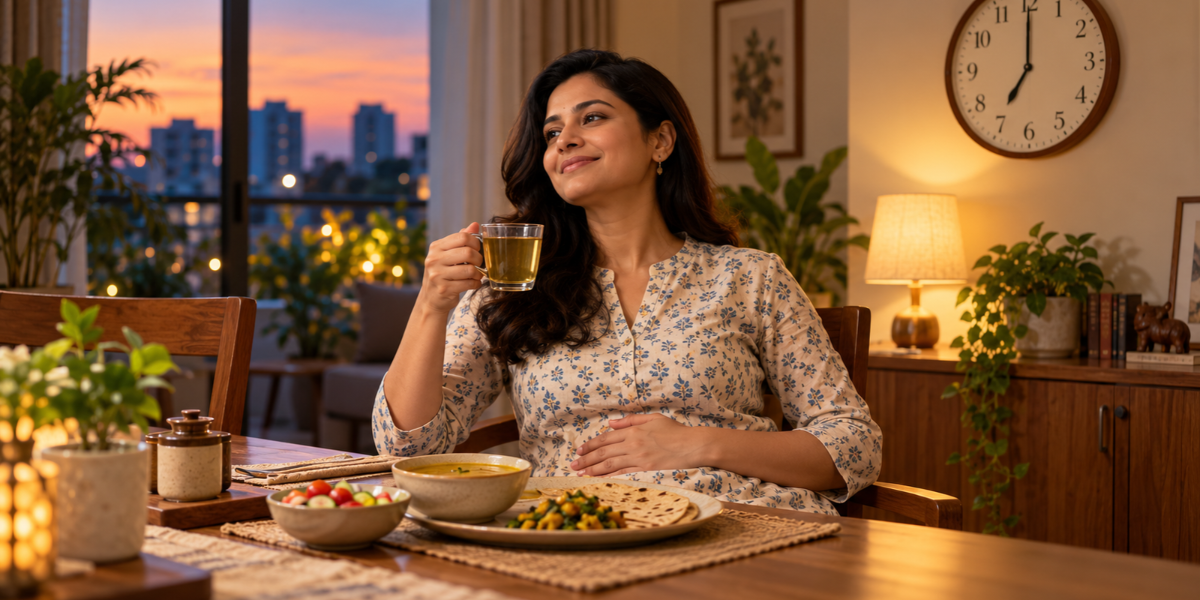
The 7 PM Rule: Why Eating Dinner Early Helps Digestion
The 7 PM rule means finishing dinner by around 7 PM, because in Ayurveda, your Agni (digestive fire) weakens as the sun sets. Food eaten late sits half-digested overnight and turns into Ama, leavin...
Read more