








Orange Poop: Reasons, When to Worry, and Digestive Insights
Orange poop is most commonly caused by diet changes, such as eating large amounts of beta-carotene-rich foods like carrots, sweet potatoes and pumpkin, or foods with artificial dyes, and it is usually harmless and temporary. Persistent orange stool should be checked by a clinician if it lasts more than a few days with no food or medicine to explain it, keeps coming back, or is accompanied by diarrhoea, belly pain, greasy or pale stool, dark urine, or yellow eyes.
This difference matters because the colour alone rarely tells you the cause. What you ate or took in the last day or two, and whether any other symptoms show up, will tell you far more. Normal stool is brown because gut bacteria break down bilirubin, a yellow waste pigment that reaches the gut through bile. A 2024 study found that the bacterial enzyme that starts this change is present in nearly all healthy adults. So when stool turns orange, one of two things has usually happened: an orange pigment was added, or the usual browning did not finish.
The added pigment is the most common cause of orange stool and the easiest to fix. Doctors who study carotenemia, the harmless yellow-orange tint skin gets from too much beta-carotene, report that the colour fades once the diet changes. Orange stool from food works the same way. Once the food has passed through, your stool goes back to brown. So the first step is simple: think back over your last two days of meals, drinks, supplements and medicines.
What Orange Poop Means
The usual orange poop meaning is simple: something you ate or took has tinted your stool, or the stool moved through your gut faster than usual. Here is how the colour is usually made.
Your liver makes bile, a yellow-green fluid that helps you digest fat. Bile carries bilirubin into the intestine. As stool moves along, gut bacteria change this pigment step by step into the brown compounds you normally see. Doctors describe digested food as changing from green to yellow-orange and then brown on this journey.
So orange stool usually points to one of three things:
- An orange pigment was added: This could be beta-carotene from food, a food dye or a supplement.
- A medicine changed the colour: The antibiotic rifampin is the best-known example.
- The browning was cut short: Stool that rushes through, as in diarrhoea, or that has too little bile in it, may stay yellow or orange.
One orange bowel movement with a clear reason and no other symptoms is not a cause for worry.
Foods That Cause Orange Stool
Foods that cause orange stool are mostly rich in beta-carotene or contain orange, yellow or red food colouring. A large serving, or the same food every day for a few days, is usually what makes the change visible.
Beta-carotene is a natural pigment from a group called carotenoids. It is found in many fruits, vegetables, grains and oils. Your body turns part of it into vitamin A. When you eat a lot at once, some of the pigment can pass into your stool.
|
Food or drink |
Why it can tint stool |
|
Carrots and carrot juice |
They are one of the richest everyday sources of beta-carotene, so a big glass of juice or a bowl of gajar halwa can show up the next day. |
|
Sweet potatoes |
They are deep orange inside because of beta-carotene, and eating them often can tint stool. |
|
Pumpkin and winter squash |
These are packed with beta-carotene, so dishes like pumpkin sabzi or soup can turn stool orange. |
|
Mangoes and apricots |
These orange fruits carry the same pigment, and eating several mangoes in a day during the season can have this effect. |
|
Spinach, kale, collard greens and turnip greens |
These leafy greens also hold beta-carotene, but their green colour hides it until it reaches your stool. |
|
Coriander leaves (cilantro) and fresh thyme |
These herbs contain beta-carotene and are listed as possible causes. |
|
Orange soda, sweets, ice lollies and jelly |
These are coloured with artificial yellow, orange or red dyes, which can pass into stool. |
|
Escolar and oilfish |
These fish contain a fat the body cannot digest, which can leak out as orange, oily stool. |
The fish point is backed by a review on kjerreirhea, the medical name for this oily discharge. It was found that escolar and oilfish store wax esters that the body cannot break down. These collect in the rectum and come out as an orange or brownish-green oil. Italy, Japan and South Korea ban its sale.
Some people are sensitive to artificial dyes, so cutting back on brightly coloured packaged foods can help them as well.
Medicines and Supplements That Can Turn Stool Orange

Some medicines and supplements can change the colour of stool. The change is usually harmless.
- Rifampin (rifampicin): This antibiotic is widely used to treat tuberculosis. It commonly turns stool, urine, sweat and tears reddish-orange. A case report on a child who took too much of it described orange-red skin, urine and tears, and the child recovered fully.
- Cefdinir: This antibiotic has been linked with reddish stool in case reports, mostly in babies, and is also listed as a cause of orange stool.
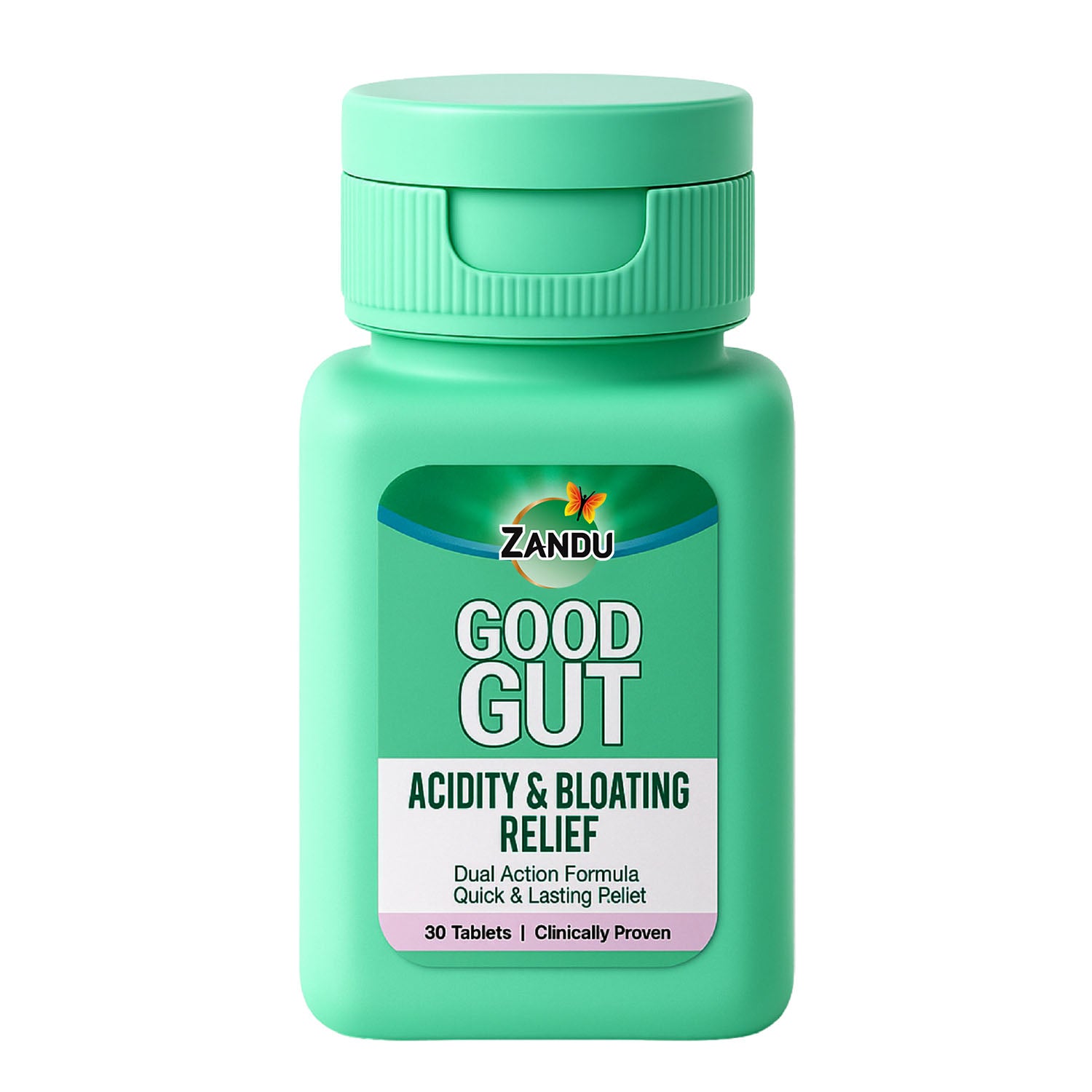
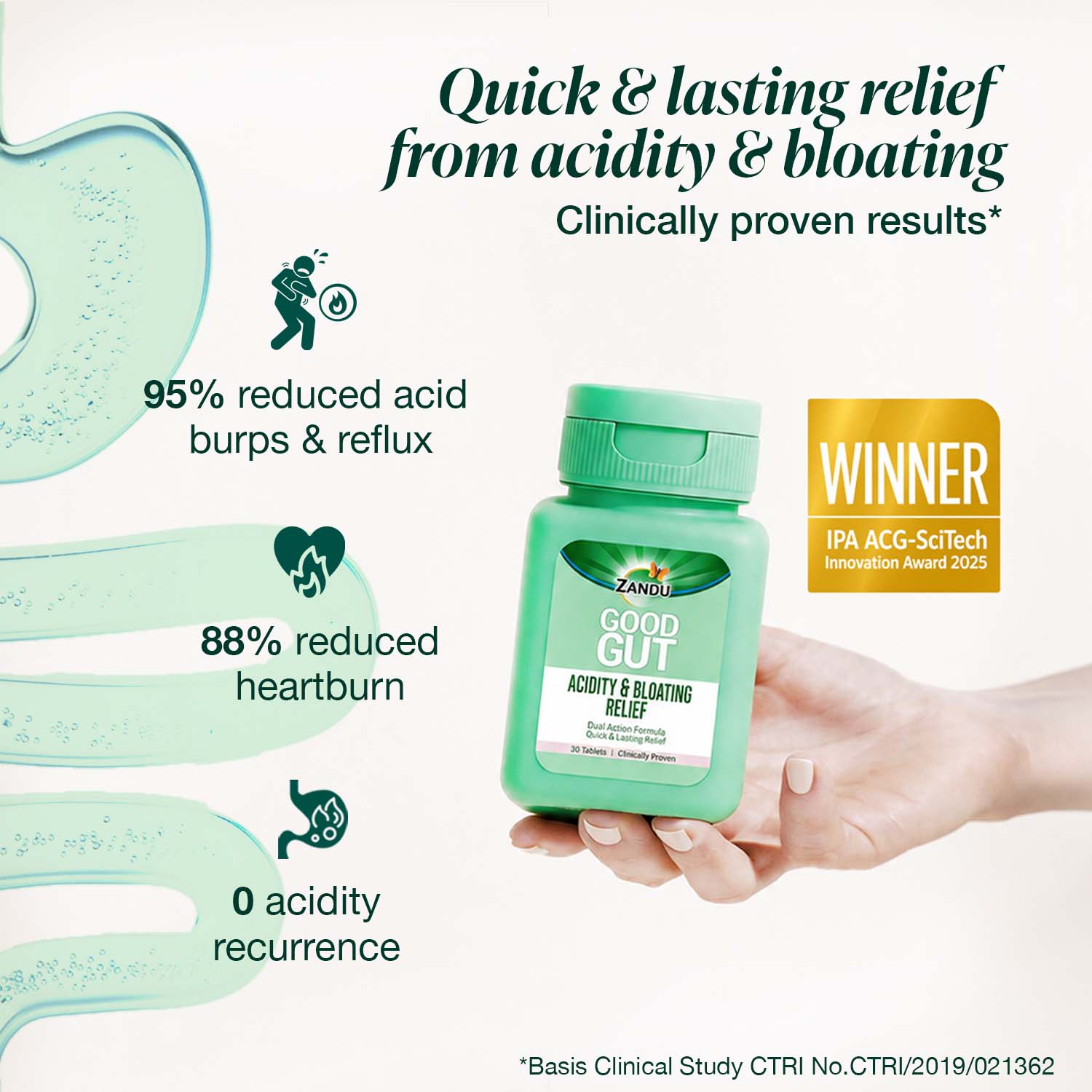
- Antacids with aluminium hydroxide: If you reach for antacids often, Zandu Good Gut Acidity & Bloating Relief Tablets are an Ayurvedic option made for burning, reflux and sour burps. See a doctor if you need relief most days.
- Phenothiazines: This group of medicines, used for some mental health conditions and for nausea, is also listed as a possible cause.
- Beta-carotene and vitamin A supplements: These carry the same pigment as orange foods, so high doses can tint stool.
Some sources also mention that the dye used in certain scans can briefly change stool colour, though this is rare.
If you are on rifampin, do not stop it because of the colour. The tint is expected. Tell your doctor quickly, though, if you notice dark urine, yellow eyes or skin, strong nausea or belly pain, because these are not part of the normal colour change.
Orange Stool and Digestion

Orange stool and digestion are linked mainly through two things: how fast stool moves and how much bile reaches it. When either of these changes occurs, stool may not turn fully brown. Gut trouble is common even for people who feel regular. Research by ZanduCare found that among people who go to the bathroom every day, nearly 1 in 2 still struggle to complete a bowel movement, and more than half still feel food sitting in their stomach hours after eating.
When Stool Moves Too Fast
Stool that rushes through the gut has less time for bacteria to turn bile pigments brown. This is why loose stool may look yellow, green or sometimes orange. It can happen during a short spell of diarrhoea, in irritable bowel syndrome (IBS), or in short bowel syndrome, where part of the small intestine has been removed.
A study of 66 volunteers measured how long food took to pass through the gut. Stool form, from hard lumps to watery, matched transit time better than how often people went. When the volunteers took a laxative, food moved faster, and stools became looser. So loose stool is a fair sign of rapid transit. Orange alone cannot prove fast transit, though.
When Bile Acids Are Not Absorbed Well
Normally, most bile acids are taken back up in the last part of the small intestine. When this does not happen, they pour into the colon and cause watery diarrhoea, which is called bile acid diarrhoea.
A review of six studies involving 908 adults found that about 28% of people with diarrhoea-type IBS had this problem. An older review of 18 studies found a similar picture and showed that most patients improved on a medicine that binds bile acids.
These studies did not track stool colour, but they show that a bile-related cause of loose stool is common and treatable.
When Too Little Bile Reaches the Gut
If the liver makes less bile or gallstones block the bile ducts, less pigment reaches the stool. The classic result is pale, grey or clay-coloured stool, usually with dark urine and yellow skin or eyes. It is not usually bright orange. If what looks orange is also unusually light, that is worth a doctor's visit.
When Stool is Orange and Greasy
Stool that is pale, greasy, foul-smelling and hard to flush may mean fat is not being absorbed well. If it keeps happening, get it checked.
Orange-Coloured Stool in Babies
Orange-coloured stool in a baby is often a food or milk effect, but very light stool in a newborn needs quick attention. Babies with blocked bile ducts can pass loose orange or greyish stool.
The most serious cause here is biliary atresia, where the bile ducts are blocked from early life.
Taiwan tested a simple stool colour card that parents used to check their baby's stool. Among 78,184 infants, 26 of 29 babies with biliary atresia were picked up before 60 days of age. A later study of the national programme found that very late referrals fell from 9.5% to 4.9% after the card was introduced. Early surgery gives these babies a better chance.
If your baby's stool looks pale yellow, grey, white or chalky, especially along with yellow skin or eyes, show a doctor soon.
When to Worry About Orange Stool
You do not need to worry about orange stool after a carrot-heavy meal or a new supplement. Book a doctor's visit when the colour has no clear cause, keeps returning, or comes with other symptoms.
See a Doctor if
- Orange stool lasts more than a few days, and you cannot link it to a food, drink, supplement or medicine.
- It keeps coming back after you cut out the likely cause.
- You have orange diarrhoea for more than two or three days, because long-lasting diarrhoea can dehydrate you.
- The stool is greasy, unusually pale, foul-smelling or hard to flush.
- You also have constipation, weakness, dizziness or belly pain.
- You are losing weight without trying, or your bowel habits have changed in other ways.
Get Care Quickly if
- Your skin or eyes turn yellow, your urine is dark, or your stool is clearly pale or clay-coloured.
- You have severe or worsening belly pain.
- You have a high fever, keep vomiting or show signs of dehydration.
- The stool is red, maroon or black, or you see blood in your stool or urine.
What the Doctor May Check
A doctor will usually start with questions about what you ate, new medicines or supplements, how long the change has lasted and how your stool feels. Blood tests and stool tests are often the first tests. If a gallbladder or bile duct problem is suspected, you may need an ultrasound or CT scan or a referral to a gastroenterologist.
How to Get Your Stool Back to Brown
Most orange stool needs no treatment. These steps help you find the cause.
- Look back two days: List the orange foods, coloured drinks, sweets and supplements you had.
- Cut back for a few days: Swap some carrots, sweet potatoes or mangoes for other produce and skip coloured packaged foods. If stool turns brown again, you have your answer.
- Check your medicines: If an antibiotic is the cause and you have no other side effects, finish the course, and the colour should clear. If side effects bother you, ask your doctor about another medicine.
- Drink enough fluids if your stool is loose: This helps replace what diarrhoea takes out.
- Support everyday digestion: If orange stool comes with heaviness, gas or bloating after irregular meals or outside food, Zandu Good Gut Cleanse & Detox Shots are made for this kind of lifestyle-led discomfort.
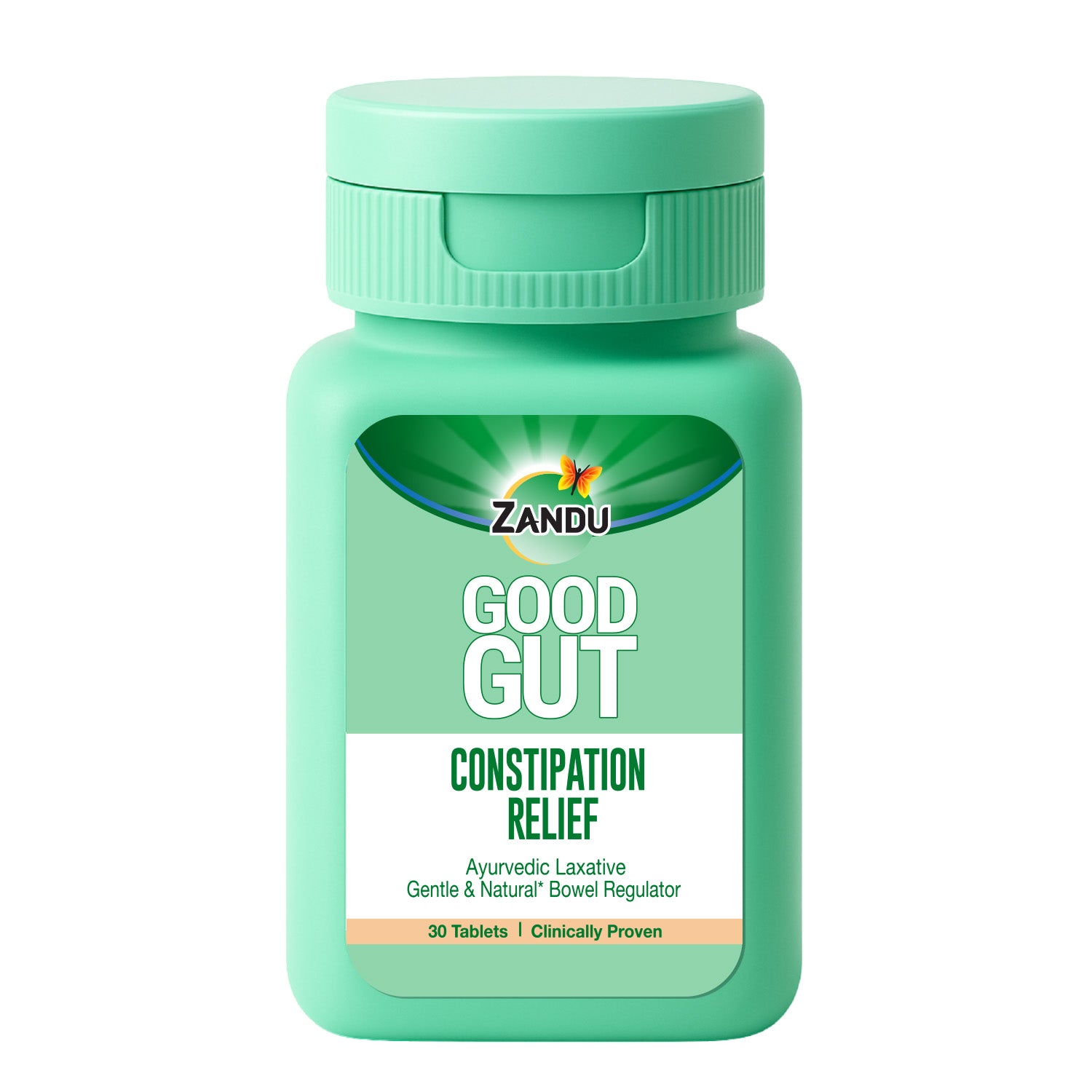
- Ease occasional constipation: For hard stool, straining or not feeling fully empty, Zandu Constipation Relief Tablets, made with 8 Ayurvedic herbs and taken as 1 tablet at bedtime, can help. Do not use them to hide the warning signs listed above.
- Track the pattern: Note the colour and shape of your stool for a week. A simple stool chart shows whether orange stool was a one-off or part of a pattern. This matters even if you eat well. Research by ZanduCare found that more than half of people who eat fermented foods still do not have consistently smooth, easy stools.
Conclusion
The most common causes of orange stool are beta-carotene-rich foods, artificial food dyes, supplements and medicines like rifampin. Stool that moves too fast or gets too little bile can also stay orange. Most cases clear within a day or two once the cause has passed. Get it checked if the colour lasts more than a few days with no clear reason, keeps coming back, or is accompanied by diarrhoea, pain, greasy or pale stool, dark urine, or yellow eyes.
References
These are the studies and medical sources used in this article.
- BilR is a gut microbial enzyme that reduces bilirubin to urobilinogen.
- Carotenemia.
- Fish-induced keriorrhea. Advances in Food and Nutrition Research, 2009.
- Red child syndrome. Archives of Disease in Childhood, 1987.
- Cefdinir-induced red stool and purple discoloration of nutritional formula: A case report.
- Stool form scale as a useful guide to intestinal transit time.
- Systematic review with meta-analysis: the prevalence of bile acid malabsorption in the irritable bowel syndrome with diarrhoea.
- Systematic review: the prevalence of idiopathic bile acid malabsorption as diagnosed by SeHCAT scanning in patients with diarrhoea-predominant irritable bowel syndrome.
- Screening for biliary atresia by infant stool color card in Taiwan.
- Stool color card screening for biliary atresia.
- Stool color: When to worry.
- Rifampin.
- Stools - pale or clay-colored.
- Symptoms and causes of diarrhea.
Written by

Zanducare
India’s trusted name in Ayurvedic wellness, offering time-tested solutions for today’s health and lifestyle needs. With formulations rooted in classical Ayurvedic texts and crafted using pure natural ingredients, we bring holistic care into your everyday routine.
Research by


Leave a comment
This site is protected by hCaptcha and the hCaptcha Privacy Policy and Terms of Service apply.