










Straining During Stool: The Dangers, Causes, and How to Achieve a Smooth Passage Naturally
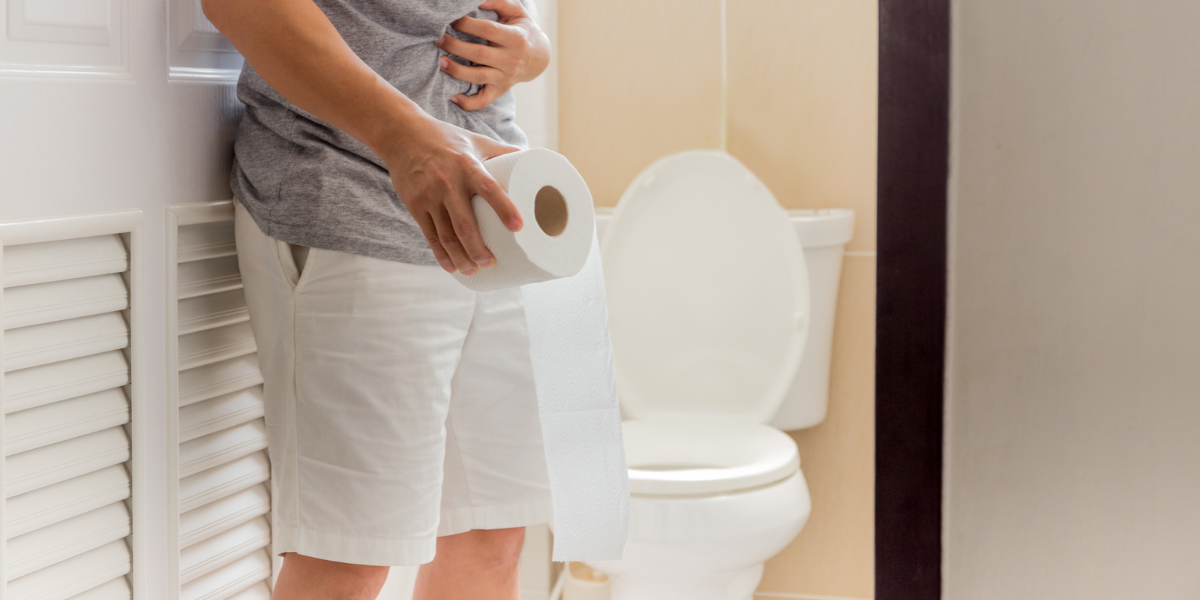
Straining to poop usually happens when your stool is hard and dry or when the muscles around your back passage do not relax, often because of low fibre, too little water, sitting all day or holding in the urge. Regular straining puts extra pressure on your belly and pelvis and can lead to piles, anal tears and other problems, but more fibre and water, a footstool under your feet and breathing out instead of pushing can make passing stool much easier.
This is a very common problem. A large review covering more than 2.6 lakh people found that about 14% of adults worldwide have long-term constipation, and it is more common in women and older adults. Straining shows up even in healthy young people. In one study of 52 volunteers with an average age of 29, 44% reported increased straining, and more than half had seen blood on the toilet paper in the past year. Research by ZanduCare also found that nearly 1 in 2 people who go to the toilet every day still struggle to complete a bowel movement.
Is Straining When You Poop Normal?
Pushing a little once in a while is usually nothing to worry about. Straining during bowel movements becomes a problem when it happens most days.
A normal bowel movement should pass with gentle effort. Constipation is usually described as having fewer than 3 bowel movements a week or stool that is hard, dry, lumpy or difficult to pass. So you can go every day and still be constipated if each visit needs hard pushing.
Why Do You Need to Strain?
Most people strain because either the stool is too hard to move or the muscles that should let it out are not relaxing. These are the main reasons behind difficulty passing stool.
Constipation
Constipation is the most common reason people strain. When stool moves slowly through the large intestine, the gut keeps pulling water out of it. The longer it stays, the drier and harder it gets. Many people describe it simply: "Pet saaf karne me bahut zor lagta hai."
Pelvic Floor Muscles That Don't Relax
The pelvic floor is a group of muscles at the base of your pelvis. To pass stool, these muscles must loosen. In some people, they tighten instead. Doctors call this dyssynergic defecation, and one review says it is a common form of constipation in both children and adults. Pushing harder does not help here, because the exit stays tight while you push.
Your Sitting Position
The way you sit on the toilet changes how easily stool can come out. In one study, 28 healthy adults recorded their bowel movements in three positions. Squatting cuts both the time and the effort needed to empty fully, compared with sitting on a normal or a lower toilet seat.
Holding In the Urge
If you often ignore the urge because you are busy, travelling or don't like using outside toilets, stool stays in the bowel longer. It loses more water and becomes harder to pass later.
Medicines

Some medicines slow the gut, including strong painkillers (opioids), iron tablets, antacids, blood pressure medicines called calcium channel blockers, water pills (diuretics) and some medicines for depression, seizures and Parkinson's disease.
Health Conditions
Some conditions that affect the gut, hormones or nerves also cause it, including irritable bowel syndrome (IBS), an underactive thyroid, diabetes, celiac disease, Crohn's disease, ulcerative colitis, multiple sclerosis, Parkinson's disease, spinal cord injury and past surgery on the colon, rectum or anus.
Common Hard Stool Causes
Hard stool is the biggest reason people push. Most hard stool causes come down to daily habits.
- Too little fibre: Fibre holds water and adds bulk, which keeps stool soft. Meals heavy on white rice, maida and packaged snacks often lead to dry stool. A 2024 review of food trials found that rye bread gave more bowel movements per week than white bread.
- Not drinking enough fluids: When you are low on water, your large intestine takes more of it back from stool, leaving it dry.
- Sitting most of the day: Movement helps the gut push stool along. Long hours at a desk or in bed slow it down.
Iron tablets can darken stool, but black, tar-like stool can also mean bleeding higher up in the gut, so see a doctor quickly.
What Can Straining Do to Your Body?
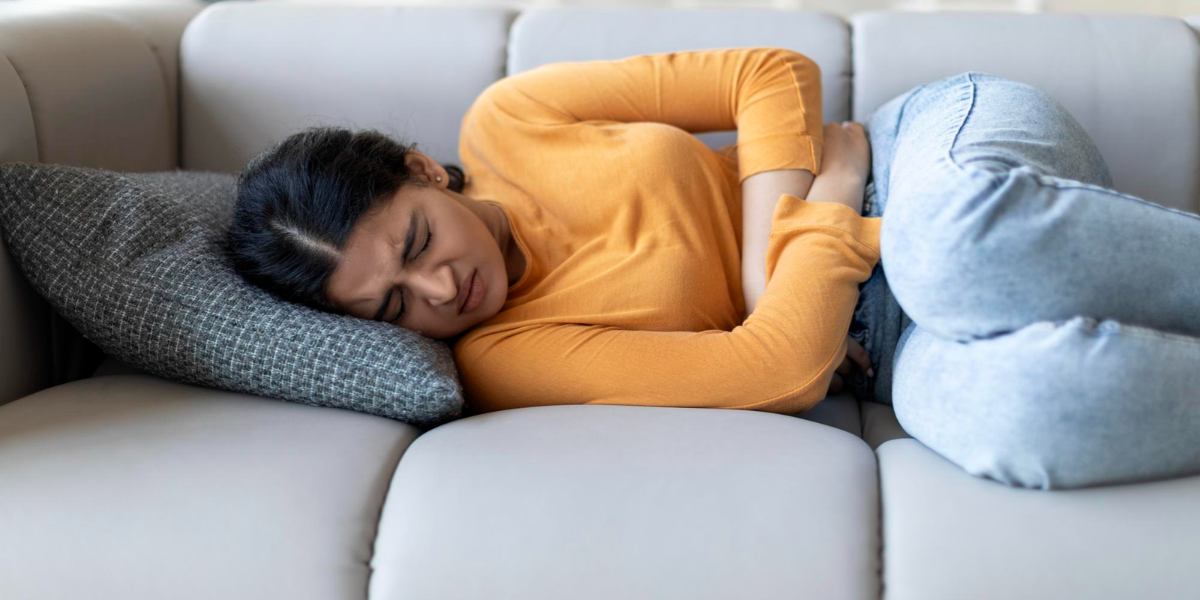
Straining during bowel movements raises pressure inside your belly and pelvis. Doing it often can lead to these problems.
Piles (Haemorrhoids)
Piles are swollen veins in and around the anus and lower rectum. Pushing hard puts pressure on these veins and makes them swell. They can cause itching, pain and bright red blood on the toilet paper.
In a study of 2,813 adults who had a colonoscopy, people with constipation were more likely to have piles than those without it. The same study found that people who ate the most grain fibre had a lower risk.
Anal Fissures
A fissure is a small tear in the skin lining the anus. This occurs when hard stool stretches the anal opening. It causes sharp pain and some bleeding during and after passing stool. Most fissures heal on their own within 4 to 6 weeks once stool becomes soft.
Rectal Prolapse
In rare cases, long-term straining can make part of the rectum slip down and come out through the anus. You may see or feel a reddish bulge, notice mucus or blood, or have trouble controlling stool. This condition always needs a doctor.
Hiatal Hernia
Less commonly, the belly pressure from hard pushing can push the upper part of the stomach up through the diaphragm into the chest. This is called a hiatal hernia, and it can lead to acid reflux and chest discomfort.
Fainting on the Toilet
Pushing while holding your breath can cause a sudden drop in blood pressure. Some people feel dizzy, sweaty or sick, and a few faint. Doctors who studied 20 such patients found that several had heart, gut or blood pressure problems, so they should always check for these.
Pelvic Floor Strain
Repeated pushing also loads the muscles that hold up the bladder and bowel. Over time, this may add to pelvic pain, a heavy feeling in the pelvis or urine leaking.
Why Painful Bowel Movements Happen?
Painful bowel movements are usually a sign that the stool is too hard or that straining has already caused some damage.
- Hard, large stool stretches the anus as it passes.
- Fissures cause a sharp, cutting pain during the bowel movement and soreness afterwards.
- Piles can ache, itch or burn, especially after pushing.
- Trapped stool can cause cramps and a heavy feeling in the lower belly. People often say, "Stool itna hard hota hai ki pain hota hai."
Pain also makes the body tighten the muscles around the anus, which makes the next bowel movement harder, so softening the stool comes first. For piles of discomfort, sitting in a warm bath for about 10 minutes a day can help.
Feeling Like You Haven't Fully Emptied
An incomplete bowel movement is when you leave the toilet but still feel some stool is left behind. In the footstool study mentioned earlier, nearly 3 in 10 healthy volunteers reported this feeling.
Research by ZanduCare found that 3 in 5 people who eat fermented foods still struggle to complete a bowel movement regularly. Many describe it as, "Toilet jaake bhi poora relief nahi milta."
This feeling often comes from pelvic floor muscles that stay tight, a sitting position that keeps the rectum bent, or rushing out before the bowel is done. In the same study, using a footstool made people more than 3 times as likely to feel fully emptied.
How to Pass Stool Easily Without Pushing Hard?
Small changes on the toilet and in your daily routine help most people. Here is how to pass stool easily.
Raise Your Feet
Put a small stool under your feet so your knees sit higher than your hips. Lean forward with a straight back, rest your forearms on your thighs and keep your legs apart. In a study of 52 adults, using a footstool reduced straining and cut the time spent on the toilet.
Breathe Out Instead of Pushing
Don't hold your breath and bear down. Breathe in gently, then breathe out slowly through your mouth, as if making a soft "sss" or "shhh" sound. Let your belly loosen and push it gently forward. Keep your jaw, shoulders and buttocks relaxed.
Don't Sit for Too Long
Give your body about 5 minutes. If nothing happens, get up, walk around, have a warm drink and try again when the urge comes back.
Go When You Feel the Urge
The urge is often stronger after waking up and after meals. Try to sit on the toilet at the same time each day, such as 5 to 10 relaxed minutes after breakfast. Over time, this sets your bowel into a routine.
Add Fibre Slowly
Eat more whole grains, fruits, vegetables, dals, beans, nuts and seeds. A review of 16 trials with 1,251 adults found that 66% of people taking fibre supplements felt better, compared with 41% in the control groups. The best results came with more than 10 g of added fibre a day for at least 4 weeks, and psyllium (Isabgol) worked well. Increase fibre slowly, because it can cause gas at first.
Drink Enough Water
Fibre needs water to soften stool. In a study of 117 adults with constipation, all eating about 25 g of fibre a day, those who drank 2 litres of water daily had more bowel movements and needed fewer laxatives than those who drank as much as they liked. Pale yellow urine is a simple sign that you are drinking enough.
Eat Fruits That Help

In a trial of 79 adults with long-term constipation, eating 2 green kiwis a day or 100 g of prunes a day for 4 weeks reduced straining, and so did psyllium. Kiwi caused the fewest side effects.
Stay Active
A review of 9 trials with 680 people found that exercise, mostly walking and other aerobic activity, improved constipation symptoms, though the studies had some weaknesses. Aim for about 30 minutes a day, at least 5 days a week.
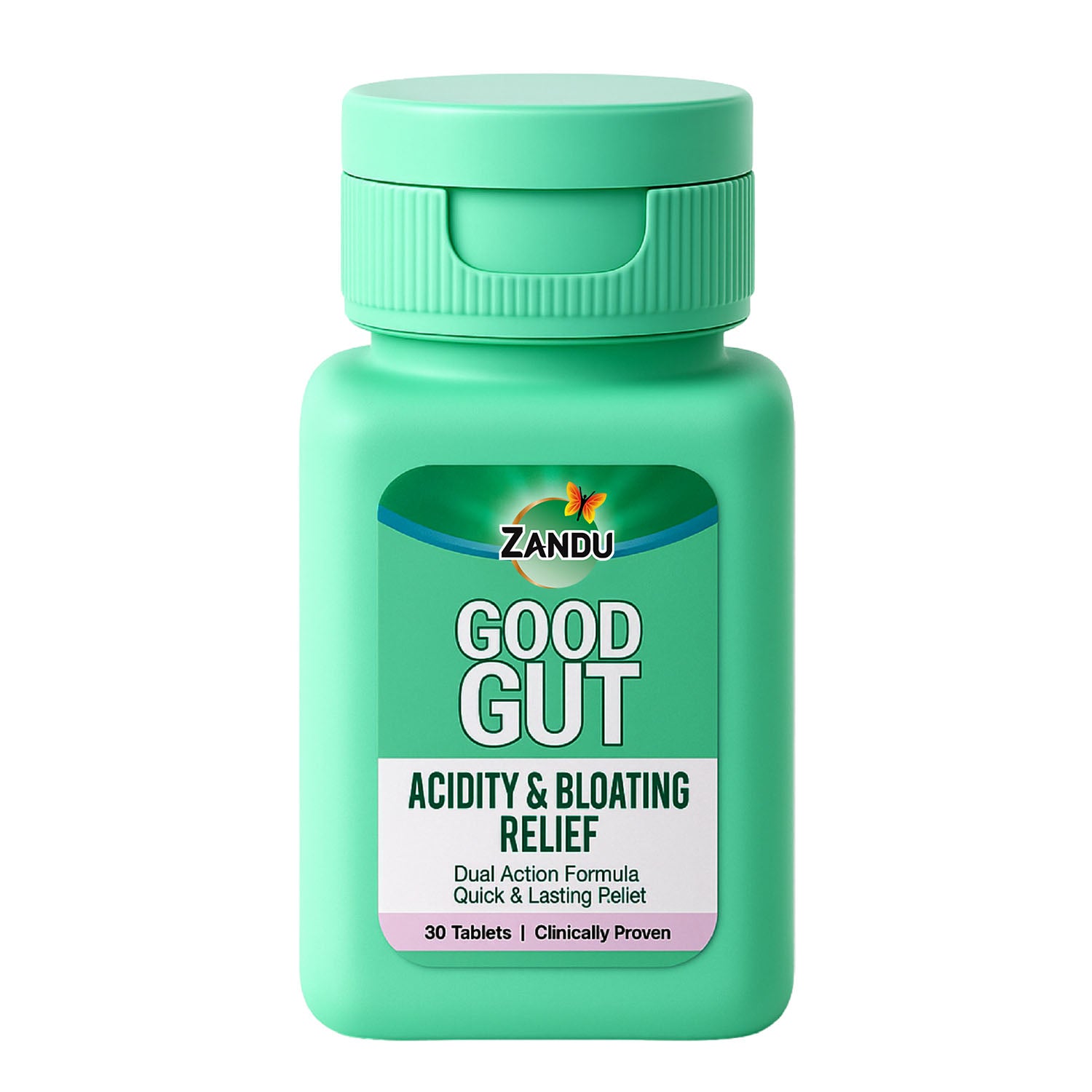
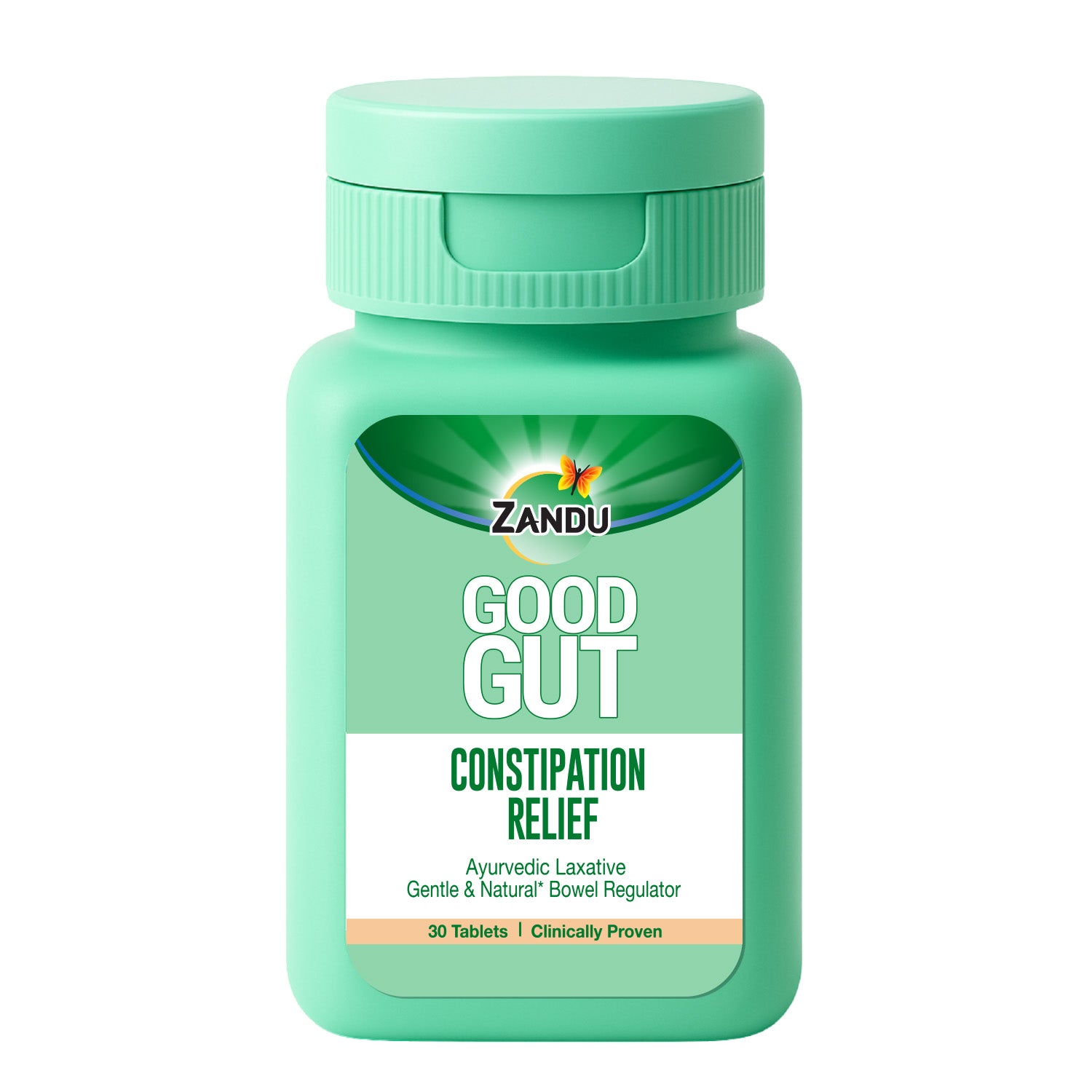
If you still get hard stool on some days despite these changes, Zandu Good Gut Constipation Relief Tablets are made for hard stool, straining and incomplete relief. They contain 8 Ayurvedic herbs and are taken as 1 tablet at bedtime for overnight relief. The brand states they are not habit-forming.
What to Do If You Can't Go Right Now?
If nothing is moving, stop pushing and try later. If you get stuck often, a stool softener, suppository or mild laxative can help for a short time, on a doctor's or pharmacist's advice. Fibre, water and movement remain the long-term fix.
When to See a Doctor?
See a doctor if straining does not improve with the above changes or if you notice any of these signs:
- Blood in your stool, or black, tar-like stool
- No bowel movement for several days, or you can't pass gas
- Straining most days for more than a few weeks
- Severe belly pain, bloating, fever or vomiting
- Weight loss without trying
- A bulge coming out of the anus
- Needing to press with a finger to help stool out
- Feeling faint or fainting on the toilet
If your pelvic floor muscles are not relaxing, your doctor may suggest biofeedback, a therapy that teaches you to relax them while passing stool. In adults, trials found it worked better than laxatives.
Conclusion
Straining to poop now and then is common, but it should not happen every day. The usual causes include hard stool, tight pelvic floor muscles, the way you sit, and holding in the urge. Regular straining can lead to piles, fissures and, rarely, prolapse or a hernia.
More fibre, enough water, daily movement, a footstool and breathing out instead of pushing help most people. If it continues or you see blood, see a doctor.
References
These are the studies and medical sources used in this article.
- Prevalence of, and risk factors for, chronic idiopathic constipation in the community: systematic review and meta-analysis.
- Implementation of a Defecation Posture Modification Device: Impact on Bowel Movement Patterns in Healthy Subjects.
- Comparison of straining during defecation in three positions: results and implications for human health.
- Biofeedback therapy for dyssynergic defecation.
- Risk Factors for Hemorrhoids on Screening Colonoscopy.
- The Effect of Fiber Supplementation on Chronic Constipation in Adults: An Updated Systematic Review and Meta-Analysis of Randomized Controlled Trials.
- Water supplementation enhances the effect of high-fiber diet on stool frequency and laxative consumption in adult patients with functional constipation.
- Exploratory Comparative Effectiveness Trial of Green Kiwifruit, Psyllium, or Prunes in US Patients With Chronic Constipation.
- Systematic review and meta-analysis: Foods, drinks and diets and their effect on chronic constipation in adults.
- Exercise therapy in patients with constipation: a systematic review and meta-analysis of randomized controlled trials.
- Defecation syncope. A symptom with multiple etiologies.
- National Institute of Diabetes and Digestive and Kidney Diseases (NIDDK). Symptoms & Causes of Constipation.
- Symptoms & Causes of Hemorrhoids.
- Anal Fissure.
- Hiatal Hernia.
- Rectal Prolapse.
Written by

Zanducare
India’s trusted name in Ayurvedic wellness, offering time-tested solutions for today’s health and lifestyle needs. With formulations rooted in classical Ayurvedic texts and crafted using pure natural ingredients, we bring holistic care into your everyday routine.
Research by



Leave a comment
This site is protected by hCaptcha and the hCaptcha Privacy Policy and Terms of Service apply.