











Worst Foods for Gut Health and How to Find Your Own Trigger Foods
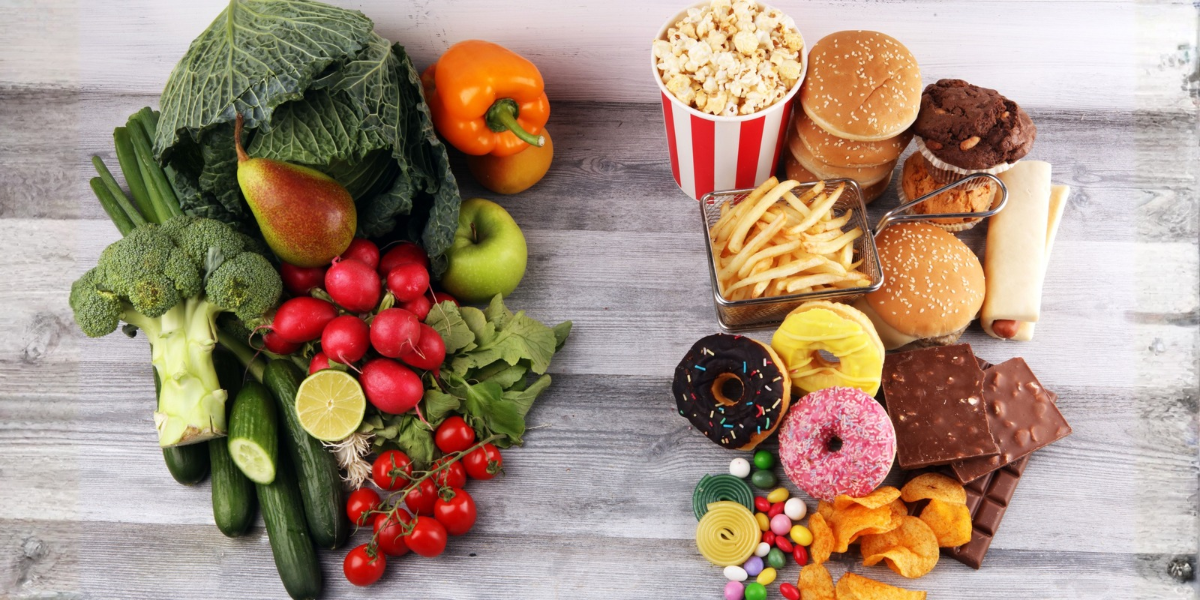
Certain foods can harm your gut microbiome, weaken your intestinal lining, and trigger inflammation or digestive distress like bloating and gas. The worst foods for gut health are ultra-processed packaged foods; added sugar and artificial sweeteners; fried and oily foods; too much red or processed meat; and alcohol.
But not every food that upsets your stomach is bad for your gut. Milk, onions, beans, spicy food and coffee suit most people and only cause trouble when your gut is sensitive to them. That is why it helps more to find your own triggers than to cut out whole food groups. Keep a food and symptom diary for 2 to 3 weeks. Then remove one food you suspect at a time and add it back slowly. If the symptoms come back, you've found a trigger.
Foods That Harm Your Gut Bacteria
These foods harm the gut bacteria of most people when eaten often. They may not cause problems right away, but over time they cut down good bacteria and raise inflammation.
Packaged and Ultra-Processed Foods
Chips, packaged namkeen, cream biscuits, instant noodles, frozen meals and soft drinks are low in fibre and high in sugar, salt and unhealthy fats. Many also contain emulsifiers, which keep packaged food smooth and long-lasting.
In a study of 33,343 French adults, people who ate the most ultra-processed food were 25% more likely to have irritable bowel syndrome (IBS) than people who ate the least. In one controlled trial, healthy adults ate the same diet with or without 15 g a day of a common emulsifier for 11 days.
The emulsifier group had more stomach discomfort after meals and fewer types of gut bacteria. A large review also linked eating more ultra-processed food to a 13% higher risk of inflammatory bowel disease (IBD).
If outside food or a weekend of packaged snacks leaves your stomach heavy, bloated or gassy the next day, Zandu Good Gut Cleanse & Detox Shots are made for this kind of lifestyle-led gut trouble. They are not meant for sudden acidity attacks or severe constipation.
Added Sugar and Artificial Sweeteners
Doctors say too much refined sugar can upset the balance between good and harmful gut bacteria. Sugar substitutes are not a safe swap either. A well-known study found that artificial sweeteners changed the gut bacteria of mice in a way that raised their blood sugar, and some people given saccharin showed the same pattern.
Sugar alcohols like sorbitol and xylitol, found in sugar-free sweets and chewing gum, are poorly absorbed and often cause gas and loose motions.
Fried and Oily Foods

Samosas, pakodas, puris and fries take longer to digest. They can leave you bloated and heavy and often trigger heartburn. Over time, diets high in this kind of fat are linked to fewer helpful bacteria, like Bifidobacterium, and more inflammation in the gut.
Too Much Red and Processed Meat
Meat has no fibre, and red meat is high in fat. A review of 11 studies covering over 43 lakh people found that every extra 100 g of meat a day was linked to a 38% higher risk of IBD. One study found that a diet made only of animal foods changed people's gut bacteria within a few days.
It raised a type of bacteria linked to gut inflammation and lowered the bacteria that feed on plant fibre. A review of clinical trials also found that eating a lot of animal protein was linked to fewer good bacteria and more of the bacteria seen in obesity.
Alcohol
Alcohol irritates the stomach lining and relaxes the valve at the top of the stomach, which can cause acid reflux. One study compared the gut bacteria of 48 heavy drinkers with those of 18 healthy people. Some of the drinkers had a clear gut imbalance and higher levels of bacterial toxins in their blood. In some cases, the changes stayed even after a long period without drinking.
Refined Flour and Low-Fibre Meals
Maida, white bread and bakery items have most of their fibre removed. Without fibre, good bacteria have less to eat, stools get harder, and digestion slows down.
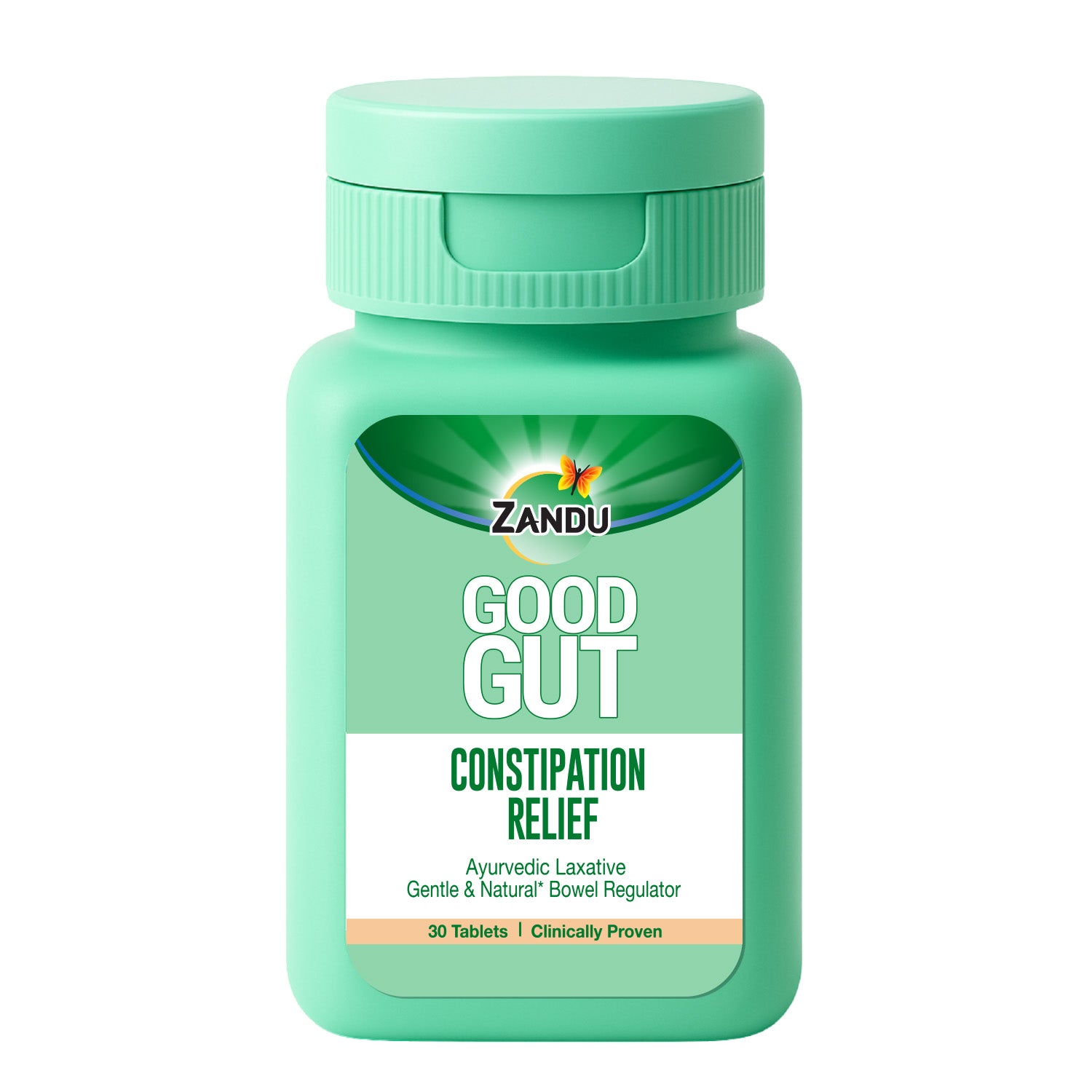
If low-fibre meals have left you with hard stools, straining or irregular bowel movements, Zandu Good Gut Constipation Relief Tablets are made for these constipation episodes.
Worst Foods for Digestion If You Have a Sensitive Gut
Some foods are healthy for most people but can set off symptoms in people with IBS, acid reflux or a food intolerance. These are triggers, not bad foods.
|
Food |
Symptoms it may cause |
Who is most likely to react |
|
High-FODMAP foods like onion, garlic, wheat, rajma, chana and apples |
Gas, bloating, stomach pain and loose motions |
People with IBS |
|
Milk, ice cream and other dairy |
Gas, cramps and loose motions |
People who are lactose intolerant |
|
Chillies and very spicy food |
Burning in the stomach or chest, heartburn and loose motions |
People with acid reflux, gastritis or IBS |
|
Tea and coffee |
Heartburn and acidity, and coffee can speed up bowel movements |
People with acid reflux |
|
Citrus fruits and tomatoes |
Heartburn and sour burps, especially on an empty stomach |
People with acid reflux |
|
Chocolate and peppermint |
Heartburn and acid coming up into the throat |
People with acid reflux |
|
Fizzy drinks |
Bloating and burping |
Anyone who gets gas easily |
|
Raw vegetables and corn |
Gas, cramps and bloating, because some of the fibre passes through undigested |
People with a sensitive gut or IBS |
|
Sugar-free sweets and gum |
Gas and loose motions |
People with IBS |
|
Large, late dinners |
Acid reflux at night and poor sleep |
People with acid reflux |
Being sensitive to a food doesn't make it bad for everyone. For example, the same review that linked meat to IBD found that people in the general population who ate more dairy had a 19% lower risk of IBD.
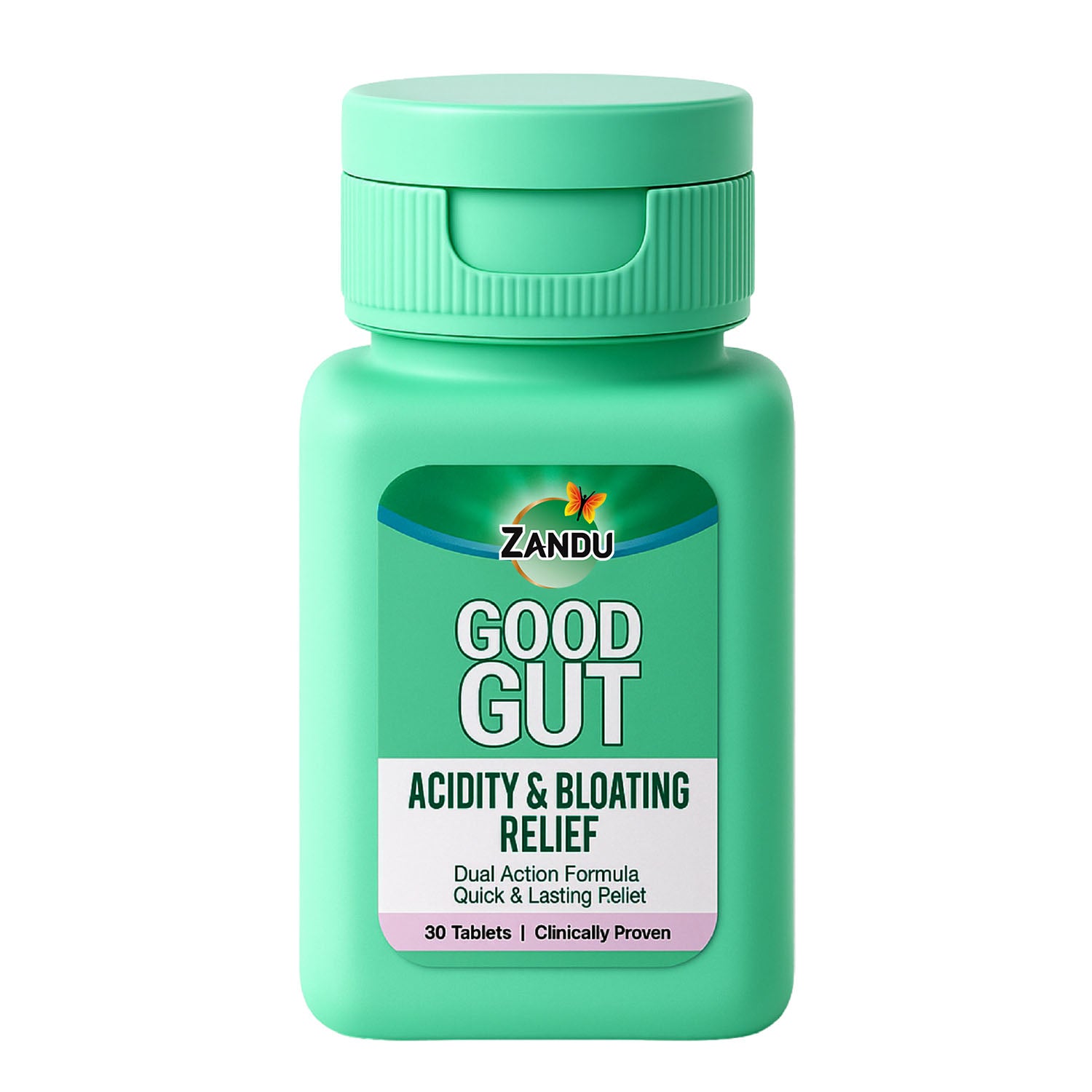
If spicy or oily food, tea, coffee or a late dinner keeps leaving you with burning, reflux or sour burps, Zandu Good Gut Acidity & Bloating Relief Tablets are made for these acidity episodes.
How to Identify Your Own Trigger Foods?
The goal is to find the few foods that bother you, not to cut out everything. Many people don't notice when their gut is struggling. Research by Zandu Care found that nearly 1 in 2 people who go to the toilet daily still struggle to fully empty their bowels, and more than half still feel food sitting in their stomach hours after eating.
Tracking these signs is the first step to better gut health and wellness. These steps help you test one food at a time.
- Keep a food and symptom diary: For 2 to 3 weeks, write down what you ate, how much, the time, and any symptoms and when they started. Also note stress, sleep and periods, since these can affect your gut too.
- Look for patterns: Check which foods show up again and again a few hours before your symptoms. Often the amount matters more than the food itself. One cup of tea may be fine, while three cause acidity.
- Remove one food at a time: Stop eating one suspected food for 2 to 4 weeks and keep the rest of your diet the same.
- Add it back slowly: Start with a small amount and increase it over a few days. If the symptoms come back, you've found a trigger. If they don't, the food can stay.
- Keep the amount you can handle: Many people can eat a small portion of a trigger food without trouble. You may not need to give it up completely.
- Get help for a low-FODMAP diet: A review of 13 trials with 944 IBS patients found that a low-FODMAP diet eased overall symptoms, pain and bloating better than every other diet it was compared with. But it removes many foods at once, so it is best done with a dietitian. Most of those trials didn't test adding foods back. The low-FODMAP stage is meant to be a short test, not a diet for life.
Cutting out many foods at once lowers the fibre and variety your gut bacteria need, and it can leave you with a diet that is hard to follow. See a doctor before trying elimination if you have weight loss without a reason, blood in your stool, repeated vomiting, trouble swallowing, or symptoms that wake you up at night. If you use any Zandu Good Gut product, take it as directed on the pack, and see a doctor if your symptoms are severe or don't go away.
Foods to Avoid for Gut Health and What to Eat Instead
Changing one food at a time is easier than overhauling your whole diet. Here are simple swaps for common foods to avoid for gut health.
|
Instead of |
Try |
|
Chips and packaged namkeen |
Roasted chana, makhana or a handful of nuts |
|
Soft drinks and packaged juice |
Water, buttermilk or nimbu pani with little sugar |
|
Cream biscuits, cakes and pastries |
Fresh fruit or a few dates |
|
White bread and maida snacks |
Whole wheat roti, millet roti or oats |
|
Instant noodles |
Poha, vegetable upma or khichdi |
|
Sausages, salami and other processed meats |
Dal, eggs, fish or paneer |
|
Deep-fried snacks |
Steamed idli, dhokla or roasted snacks |
|
Sugar-free sweets and gum |
A small portion of a regular sweet or some fruit |
What You Can Do to Keep Your Digestive Health Healthy?

The best diet for digestive health is mostly made up of fresh, home-cooked food and plenty of fibre. These habits help the most:
- Eat different types of fibre: Whole grains, dal, vegetables, fruits, nuts and seeds feed different gut bacteria and keep bowel movements regular.
- Add fermented foods: Curd, buttermilk, idli and dosa contain live bacteria. In one 17-week trial, a diet high in fermented foods raised the variety of gut bacteria and lowered markers of inflammation. Still, they can't do the job alone. Research by Zandu Care found that among people who eat fermented foods, 3 in 5 still struggle to have complete bowel movements regularly and more than half still don't have smooth, easy stools. Pair them with fibre and fewer trigger foods.
- Include prebiotic foods if they suit you: Onion, garlic, banana and oats feed good bacteria. If they trigger IBS symptoms, keep the portions small.
- Drink enough water: Water keeps stools soft and helps fibre do its job.
- Eat at regular times: Avoid skipping meals and eating late at night so your gut gets time to rest overnight.
- Stay active: Regular movement helps keep digestion moving.
Conclusion
The worst foods for gut health are the ones most people eat too often: packaged snacks, sugar and sweeteners, fried food, too much meat and alcohol. Other foods, like dairy, onions, beans, spicy food and coffee, are only a problem if your gut reacts to them. Keep a diary, test one food at a time and add foods back before deciding to drop them. Build the rest of your plate around fibre, fermented foods and home-cooked meals.
References
These are the studies and expert sources used in this article.
- Association Between Ultra-Processed Food Consumption and Functional Gastrointestinal Disorders: Results From the French NutriNet-Santé Cohort. American Journal of Gastroenterology.
- Randomized Controlled-Feeding Study of Dietary Emulsifier Carboxymethylcellulose Reveals Detrimental Impacts on the Gut Microbiota and Metabolome. Gastroenterology.
- The association of ultra-processed food consumption with adult inflammatory bowel disease risk: a systematic review and dose-response meta-analysis of 4 035 694 participants. Nutrition Reviews.
- Artificial sweeteners induce glucose intolerance by altering the gut microbiota. Nature.
- The Detrimental Impact of Ultra-Processed Foods on the Human Gut Microbiome and Gut Barrier. Nutrients.
- Diet rapidly and reproducibly alters the human gut microbiome. Nature.
- The Association between Total Protein, Animal Protein, and Animal Protein Sources with Risk of Inflammatory Bowel Diseases: A Systematic Review and Meta-Analysis of Cohort Studies. Advances in Nutrition.
- Effects of Animal and Vegetable Proteins on Gut Microbiota in Subjects with Overweight or Obesity. Nutrients.
- Colonic microbiome is altered in alcoholism. American Journal of Physiology: Gastrointestinal and Liver Physiology.
- Efficacy of a low FODMAP diet in irritable bowel syndrome: systematic review and network meta-analysis. Gut.
- Gut-microbiota-targeted diets modulate human immune status. Cell. https://doi.org/10.1016/j.cell.2021.06.019
- Medical News Today. What are the worst foods for gut health?
- Hartford HealthCare. The Best (and Worst) Foods for Keeping Your Gut Moving. https://hartfordhealthcare.org/about-us/news-press/news-detail?articleId=62807
- Manhattan Gastroenterology. 10 Worst Foods for Digestive Health.
- Digestive Institute of Arizona. Worst Foods for Gut Health.
Written by

Zanducare
India’s trusted name in Ayurvedic wellness, offering time-tested solutions for today’s health and lifestyle needs. With formulations rooted in classical Ayurvedic texts and crafted using pure natural ingredients, we bring holistic care into your everyday routine.
Research by



Leave a comment
This site is protected by hCaptcha and the hCaptcha Privacy Policy and Terms of Service apply.