







Smelly Poop: Causes and What It Tells About Your Digestive Health
Foul-smelling stool is often a normal reaction to specific foods or short-term changes in your gut bacteria, but a smell that keeps coming back or is unusually putrid can point to a digestive or malabsorption problem. Get it checked if the smell is accompanied by blood, black or pale stool, greasy stool that is hard to flush, fever, belly pain, weight loss without trying, or diarrhoea lasting more than two days.
This difference matters because poop always smells a little, so the smell alone rarely points to a disease. How long it lasts and what comes with it tell you far more. The smell itself is made by gut bacteria. A study that collected gas from 16 healthy adults found that the stink matched the level of hydrogen sulphide, a sulphur gas that smells like rotten eggs. Another study fed five men diets with 0 to 600 g of meat a day, and the sulphide in their stool rose more than 15 times on the meat-heavy diet.
So, if you notice a bad smell after a big plate of mutton, eggs, or rajma, it’s usually just your bacteria at work, and the smell settles once that food has passed. If the smell keeps returning with no food to blame or brings other symptoms with it, that is when you should look further.
Why Does My Poop Smell So Bad?
If you are asking why does my poop smell so bad, the short answer is bacteria breaking down food your body did not fully absorb. The more leftover food reaches your large intestine, and the more protein or sulphur it carries, the stronger the smell.
Your small intestine absorbs most of what you eat. Whatever is left moves into the large intestine, where bacteria ferment it. This makes gases such as hydrogen sulphide, methanethiol and dimethyl sulphide. Bacteria also break down tryptophan, a protein building block, into indole and skatole, which give poop its typical smell.
The flatus study found sulphur gases were the biggest, but not the only, cause of the smell. A review on protein in the gut found that high-protein, low-carbohydrate diets raise ammonia, phenols and hydrogen sulphide in the colon. Adding certain fibres, such as resistant starch, lowers this protein breakdown.
So the smell gets worse for three main reasons:
- More protein or sulphur reaches the colon: The source comes from what you eat.
- Food is not absorbed higher up: More leftovers reach the bacteria, as in lactose intolerance or coeliac disease.
- Your gut bacteria change: Antibiotics and infections can upset the usual mix.
Smelly Poop Causes

The main smelly poop causes are diet, infections, antibiotics, food intolerances and conditions that stop your gut from absorbing food well. This table shows how each one usually shows up.
|
Cause |
What the stool is usually like |
Other signs to watch |
|
Sulphur-rich foods (eggs, meat, fish, cauliflower, cabbage, broccoli, onion, garlic, beans, dairy, alcohol) |
A strong, rotten-egg smell, but normal shape |
Extra gas, and the smell fades once the food has passed. |
|
Bacterial infection (Salmonella, E. coli) |
Watery, very foul diarrhoea |
Cramps, fever and sometimes blood, often after unsafe food. |
|
Viral stomach infection (norovirus, rotavirus) |
Loose, watery stool |
Vomiting and cramps that usually pass in a few days. |
|
Giardia (a parasite) |
Greasy, foul diarrhoea that can smell like sulphur |
Gas, cramps and bloating, often after unsafe water. |
|
C. difficile infection |
Frequent watery diarrhoea with a distinct smell |
Usually after antibiotics or a hospital stay, with fever and belly pain. |
|
Antibiotics |
Looser, smellier stool |
Starts during or after the course and usually settles once it ends. |
|
Lactose intolerance |
Loose, smelly stool after milk products |
Bloating, gas and belly pain after dairy. |
|
Milk allergy |
Strong-smelling stool, sometimes with blood |
Hives, rash, or swelling of the lips, tongue or throat. |
|
Coeliac disease |
Fatty, pale, foul stool |
Weight loss, tiredness and bloating after wheat, barley or rye. |
|
Crohn's disease or ulcerative colitis |
Foul diarrhoea, often with blood or mucus |
Belly pain, urgency and weight loss. |
|
Chronic pancreatitis or exocrine pancreatic insufficiency (EPI) |
Pale, oily, very foul stool that is hard to flush |
Weight loss, gas and upper belly pain. |
|
Small intestinal bacterial overgrowth (SIBO) |
Loose, smelly stool |
Bloating, gas and belly discomfort. |
|
Short bowel syndrome |
Pale, greasy, smelly stool |
Usually after bowel surgery, with weight loss. |
|
Too much vitamin A, D, E or K |
Foul diarrhoea |
Nausea and other side effects from high doses |
Some medical causes are more common than people think. A review of 96 studies found that about 1.4% of people worldwide test positive for coeliac disease, and 0.7% have it confirmed by biopsy.
An expert review from the American Gastroenterological Association lists fatty stool, weight loss, bloating and excess gas as signs of EPI. It says EPI is often missed and should be suspected in people with chronic pancreatitis, cystic fibrosis, long-standing diabetes, coeliac disease or Crohn's disease.
Sudden Change in Stool Smell
A sudden change in stool smell usually comes from something new in the last two or three days.
Look back at these first:
- A new or heavy meal: A big serving of meat, eggs, chole or cabbage can change the smell by the next day.
- Eating out or travel: Street food, unsafe water or a trip can bring an infection.
- A new medicine: Antibiotics are the most common one.
- A new supplement: High doses of vitamins can upset the gut.
- More milk than usual: This matters if your body does not handle lactose well.
Can the smell alone tell you it is an infection? Not reliably. A trained beagle in a Dutch hospital study picked out C. difficile in stool samples every time and found 25 of 30 infected patients on the wards. People are not that good.
A 2013 study found that the smell of a stool sample was a poor guide to C. difficile. So a strange smell is a clue, but only a stool test can confirm the cause. If it does not settle once the trigger is gone, get it checked.
Foul-Smelling Stool and Gas
Foul-smelling stool and gas often come together because the same bacteria that make the stool smell also make the gas. In the flatus study, researchers gave people beans and lactulose, a sugar the gut cannot absorb, to boost gas, and the smelliest passes were the ones highest in hydrogen sulphide.
Foods that often cause both include rajma, chole, cabbage, cauliflower, onions, eggs and meat. Eating smaller portions and spreading them over the week can help. Over-the-counter enzyme tablets can also help break down the sugars in beans.
Gas and heaviness are common even in people who feel regular. Research by ZanduCare found that among people who go to the bathroom every day, more than half still feel food sitting in their stomach hours after eating, and nearly 1 in 2 still struggle to complete a bowel movement.
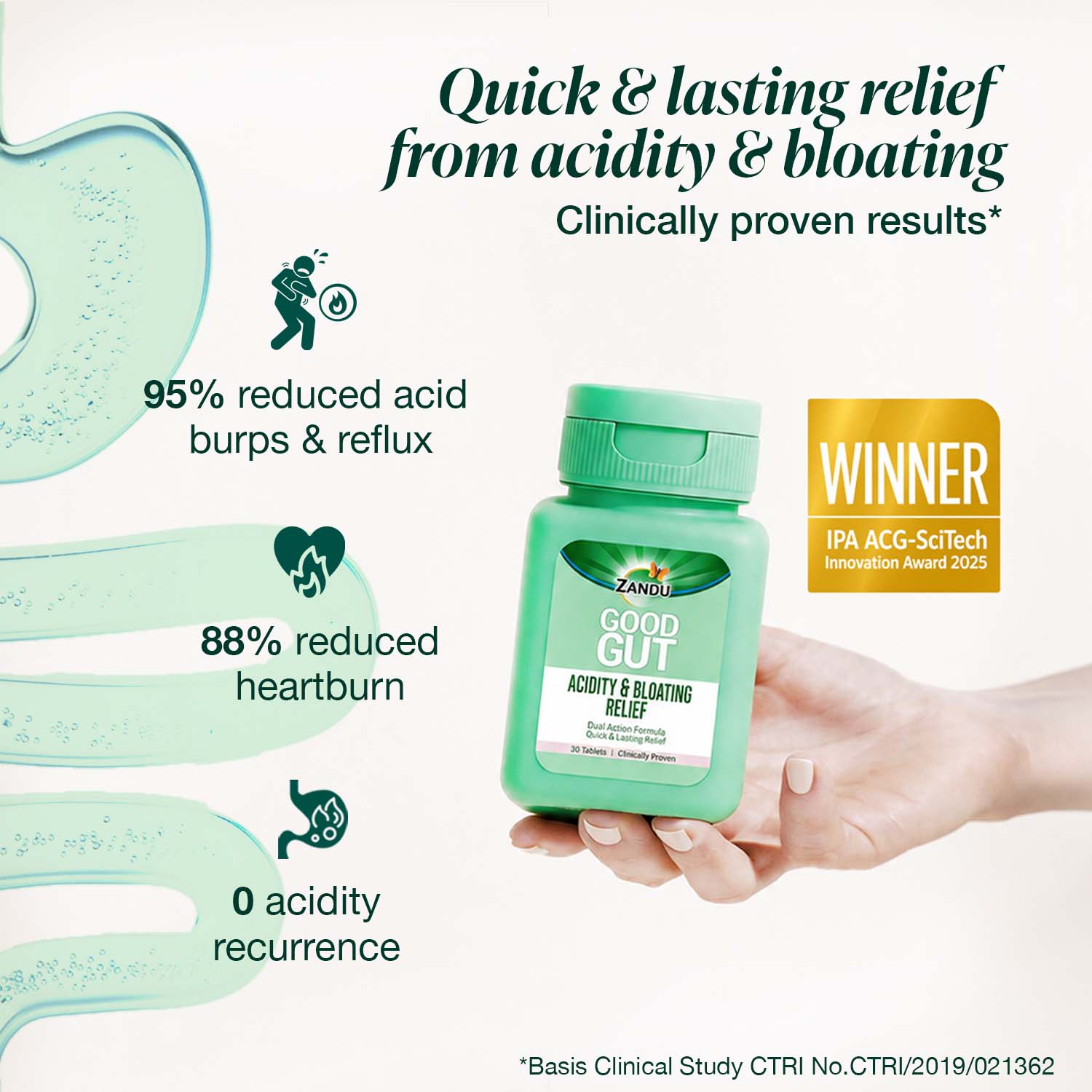
If smelly gas comes with heaviness or bloating after outside food, late meals or a weekend binge, Zandu Good Gut Cleanse & Detox Shots are made for this kind of lifestyle-led discomfort. If spicy or oily food also brings burning or sour burps, Zandu Good Gut Acidity & Bloating Relief Tablets are an Ayurvedic option for that.
Gas with weight loss or greasy, pale stool can point to EPI or coeliac disease and needs a doctor.
Foul-Smelling Stool and Diarrhoea

Foul-smelling stool and diarrhoea together most often point to an infection, an antibiotic or a food your gut cannot handle. Infections such as Salmonella, E. coli, norovirus and Giardia usually start with cramps, followed by foul, watery stool. Giardia can last longer and cause greasy stool and weight loss.
Antibiotics kill some of your helpful gut bacteria, which can bring loose, smelly stool. This condition usually settles once the course is over. A review of 42 trials involving 11,305 adults found that taking probiotics with antibiotics reduced the risk of this diarrhoea by 37%.
Higher doses worked better, and mainly Lactobacillus and Bifidobacterium strains helped. Sometimes antibiotics allow C. difficile to grow, which can cause severe diarrhoea that may require treatment.
While you have diarrhoea:
- Drink plenty of fluids such as water, ORS, clear soup or coconut water.
- Eat bland food like rice, toast and bananas.
- Use anti-diarrhoea medicine only if there is no blood, mucus or fever, and check with a pharmacist first.
Adults should see a doctor if their diarrhoea lasts more than two days.
Symptoms That Need a Doctor
A foul smell on its own is rarely a worry. See a doctor soon if it comes with any of these:
- Blood, pus or mucus in your stool
- Black, tarry stool, or pale or clay-coloured stool
- Greasy, oily stool that floats or is hard to flush
- Fever, chills or night sweats
- Belly pain or cramps that do not settle
- Upper belly pain that spreads to the back and gets worse after eating
- Weight loss or muscle loss without trying
- Diarrhoea for more than two days, or signs of dehydration such as dark urine and dizziness
- Sudden loss of bowel control
Get emergency help if you have hives or swelling of the lips, tongue or throat after eating, as this can be a serious allergic reaction. Pale, greasy, foul stool also needs a check because it can be a sign of a pancreas problem, which in rare cases is linked to pancreatic cancer.
What the Doctor Will Check
Your doctor will usually ask when the smell started, what colour your stool is, whether it is hard to flush and what you have eaten lately.
Tests may include:
- Stool test: This checks for infection, blood or fat. A faecal elastase test checks how well your pancreas is working.
- Blood test: This checks for anaemia, infection, low nutrients and coeliac disease. Keep eating gluten before a coeliac test, or the result may be wrong.
- Hydrogen breath test: This checks for lactose intolerance and SIBO.
- Endoscopy or colonoscopy: A camera looks at the gut lining and may take a small sample.
- Scans: An ultrasound, CT, or MRI looks for blockages or pancreas problems.
How to Reduce the Smell
Most smelly stool settles once you find the trigger. These steps help:
- Keep a food diary: Note what you eat and how your stool smells. Cut out a suspected food for a while, then bring it back slowly and watch for a change.
- Balance protein with fibre: Cut back on large servings of meat and eggs for a few days and add more vegetables, fruits and whole grains.
- Limit milk if it bothers you: Low-lactose dairy or lactase tablets can help, though a review found the benefit is modest.
- Add probiotics if a doctor agrees: They may help balance gut bacteria. But fermented foods alone may not fix things. Research by ZanduCare found that 3 in 5 people who eat fermented foods still struggle to complete a bowel movement regularly.
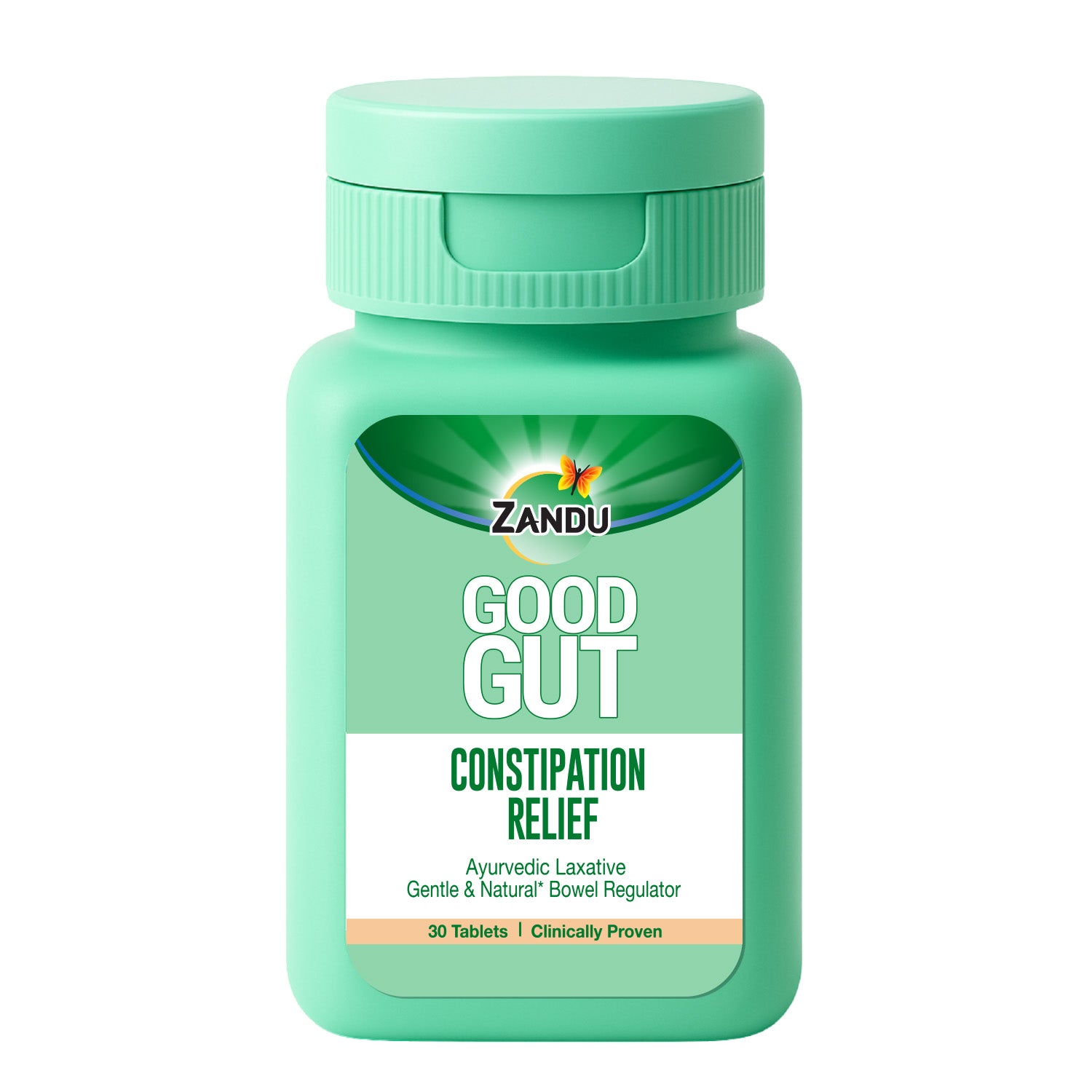
- Ease constipation if you have it: If the smell comes with hard stool, straining or not feeling fully empty, Zandu Constipation Relief Tablets, made with 8 Ayurvedic herbs, can help; taking 1 tablet at bedtime can help. Do not use them to hide any of the warning signs above.
- Follow food safety: Wash your hands after the toilet and after handling raw meat. Use separate boards for meat and vegetables, cook meat and eggs fully, wash fruits and vegetables, and avoid raw, unboiled milk.
- Do not overdo vitamins: Take supplements only at the dose your doctor suggests.
Conclusion
Foul-smelling stool is usually caused by food, especially meat, eggs and sulphur-rich vegetables, or by short-term changes in gut bacteria after an infection or antibiotics. A smell that keeps returning can point to lactose intolerance, coeliac disease, IBD or a pancreas problem. See a doctor if it comes with blood, black or pale greasy stool, fever, belly pain, weight loss or diarrhoea lasting more than two days.
References
These are the studies and medical sources used in this article.
- Identification of gases responsible for the odour of human flatus and evaluation of a device purported to reduce this odour.
- Contribution of dietary protein to sulfide production in the large intestine: an in vitro and a controlled feeding study in humans.
- Review article: insights into colonic protein fermentation, its modulation and potential health implications.
- Global prevalence of celiac disease: systematic review and meta-analysis.
- AGA Clinical Practice Update on the epidemiology, evaluation, and management of exocrine pancreatic insufficiency: expert review.
- Using a dog's superior olfactory sensitivity to identify Clostridium difficile in stools and patients: proof of principle study.
- The nose knows not: poor predictive value of stool sample odor for detection of Clostridium difficile.
- Giardiasis. Gastroenterology Clinics of North America, 1996.
- Probiotics for the prevention of antibiotic-associated diarrhoea: a systematic review and meta-analysis.
- Update on lactose malabsorption and intolerance: pathogenesis, diagnosis and clinical management.
- ACG Clinical Guideline: Small Intestinal Bacterial Overgrowth.
- Malabsorption.
- Stools - foul smelling.
- National Institute of Diabetes and Digestive and Kidney Diseases (NIDDK).
Written by

Zanducare
India’s trusted name in Ayurvedic wellness, offering time-tested solutions for today’s health and lifestyle needs. With formulations rooted in classical Ayurvedic texts and crafted using pure natural ingredients, we bring holistic care into your everyday routine.
Research by


Leave a comment
This site is protected by hCaptcha and the hCaptcha Privacy Policy and Terms of Service apply.