








Article: Foods to Avoid After 5 PM for Constipation: Evening Eating Tips
Foods to Avoid After 5 PM for Constipation: Evening Eating Tips
Avoid heavy, low-fibre and slow-digesting foods after 5 PM, such as fried snacks, cheese, paneer, maida, white rice, packaged foods, red meat, sweets and alcohol. Your gut slows down at night, and these foods make stool harder to pass by morning. When you are constipated, skip foods with little or no fibre. Processed foods are bad for your bowels because they are low in fibre and high in fat, salt and sugar, which slows stool down.
Large studies support these findings. In a study of 12,716 adults, people who ate the most ultra-processed food were 2.2 times more likely to be constipated than people who ate the least. Another study followed about 96,000 adults for 2 to 4 years. A Western-style diet heavy in processed and fatty food raised the risk of long-term constipation by 22%.
What you eat matters, and so does when you eat it. Here is why evening food affects your morning, which foods to skip, what to eat for dinner instead and the small evening habits that help you go.
Why Does Evening Food Matter More to People with Constipation Issues?
Your gut works on a body clock, just like your sleep. It is more active during the day and slows down at night.
- The colon follows a daily rhythm: A review on colon movement explains that the colon squeezes more or less depending on the time of day and that meals and sleep both change how it works.
- The colon goes quiet during sleep: In a small study, 9 healthy people swallowed tiny tracking capsules and slept with their sleep monitored. Activity in the colon dropped in both light and deep sleep compared with times they were awake at night.
- Heavy food sits longer: A fatty, low-fibre dinner digests slowly. When it reaches a gut that is already slowing down for the night, it stays inside longer. The colon keeps pulling water out of it, so the stool turns hard and dry by morning.
So the same plate of chole bhature is easier on your bowels at lunch than at 10 PM.
Common Foods to Avoid at Night After 5 PM in The Evening
These are the main foods to avoid at night if you get constipated often. You don't have to give them up for good. Just keep them small or have them earlier in the day.
Fried and Oily Food
Pakoras, samosas, puris, chips, fried chicken and heavy takeaway are full of fat and low in fibre. Fat takes a long time to digest and slows down how fast your stomach empties. A study of 6,207 adults found that people who ate a lot of saturated fat, the kind in butter, ghee, cheese and fatty meat, were more likely to be constipated. Even healthy fats like peanut butter can slow digestion if you eat a large amount just before bed.
Cheese, Paneer and Heavy Milk
Cheese, paneer, khoya sweets and full-fat milk have fat and protein that take a long time to break down. They are also very low in fibre. If you are sensitive to lactose (milk sugar), they can back you up even more.
In one study of 65 young children with long-term constipation, 44 of them (68%) started going normally when cow's milk was replaced with soy milk. Those children had signs of milk intolerance, so this doesn't mean milk constipates everyone. But if dairy at night leaves you blocked, cut it down and see what changes.
Many families also end dinner with a bowl of curd and assume it's enough to keep the gut clear. Research by ZanduCare found that among people who eat fermented foods, 3 in 5 still struggle to complete a bowel movement regularly, and more than half still don't have smooth, easy stools. Curd is fine, but it can't replace fibre and water.
Maida, White Rice and Other Refined Grains
White bread, naan, pasta, noodles, white rice, biscuits and bakery items lose most of their fibre while they are being made. Without fibre, stool has no bulk to push it along. A 2024 review of 23 studies found that whole-grain rye bread led to more bowel movements per week than white bread. Swap to whole wheat roti, brown rice, millet roti or oats when you can.
Packaged Snacks and Ready Meals
Chips, namkeen, instant noodles, frozen meals and other ready-to-eat foods are particularly tempting to grab late at night. Most of these foods have almost no fibre and a lot of fat and salt. The health guidelines on constipation name chips, fast food and frozen or microwave meals as foods to avoid when you are constipated.
Red Meat and Processed Meat
Mutton, steak, sausages, salami and hot dogs are full of protein and fat but have no fibre. If you eat them, add a big serving of vegetables on the side.
Sweets and Desserts
Cakes, pastries, cookies, mithai and ice cream are low in fibre and fluid and high in fat and sugar. Keep them as an occasional treat, not a nightly habit. If you want something sweet, have fruit like papaya or a few soaked dates instead.
Protein Bars and Protein Snacks
Many protein bars, protein chips, and protein cookies contain protein isolates and sugar substitutes that can cause gas and bloating in people whose digestion is slow. They are also often low in fibre. Chia seed pudding or a handful of roasted chana is a better late snack.
Alcohol
Alcohol makes you pass more urine, which can leave you slightly dehydrated. With less water in your body, stool gets drier and harder. Alcohol also disturbs sleep, which can throw off your gut's body clock. If you drink, have a glass of water with each drink.
Why Processed Foods Make Constipation Worse?
Processed foods are a main cause of constipation because they remove what your gut needs and add what slows it down.
- They contain little or no fibre: Fibre adds bulk and holds water in stool. Processing removes most of it.
- They are high in fat: Fat slows digestion and keeps food in the gut longer.
- They are high in salt and sugar: These add taste, but nothing that helps your bowels move.
- They push out real food: When half your plate is packaged food, there is less room for vegetables, fruits, dal and whole grains.
The studies show this effect clearly. In the study of 12,716 adults, the more ultra-processed food people ate, the higher their chances of constipation. Swapping just 10% of processed food for fresh, home-cooked food lowered those chances by about 10%. In the study of about 96,000 adults, a diet heavy in processed and inflammatory foods raised the risk of constipation by 24%. A diet rich in vegetables, nuts and plant foods lowered it by up to 20%.
If you wake up heavy and puffed up after a late night of outside food or a weekend party, but your stool isn't firm, the problem is usually your eating pattern rather than constipation. Zandu Good Gut Cleanse & Detox Shots are made for this kind of everyday heaviness, bloating and gas. They are not meant for severe constipation or acidity attacks.
Worst Foods for Constipation After 5 PM & What to Eat Instead

This table lists the worst foods for constipation and an easy swap for each one at dinner.
|
Food to cut down |
Why it slows you down |
Better choice for the evening |
|
Pakoras, samosas, puris |
High in fat, low in fibre, digest slowly |
Roasted chana or a bowl of vegetable soup |
|
Paneer butter masala, cheese pizza |
Fat and protein that take long to break down |
Dal with mixed vegetables |
|
Naan, white bread, pasta |
Refined flour with most fibre removed |
Whole wheat or millet roti |
|
White rice |
Low in fibre |
Brown rice, or a small portion of white rice with lots of sabzi |
|
Instant noodles, frozen meals |
Low fibre, high fat and salt |
Vegetable khichdi or daliya |
|
Chips and namkeen |
No fibre, very salty |
A fruit like guava, pear or papaya |
|
Mutton, sausages, salami |
Protein and fat with no fibre |
Lean chicken or fish with a big side of vegetables |
|
Mithai, cake, ice cream |
High sugar and fat, low fibre |
2 to 3 soaked prunes or dates |
|
Protein bars |
Low fibre, sugar substitutes may cause gas |
Chia seed pudding |
|
Alcohol |
Dries out the body and disturbs sleep |
Water, buttermilk or warm herbal tea |
|
Heavy full-fat milk at bedtime |
Fat and lactose can slow some people down |
A small cup of warm low-fat milk if it suits you, or skip it |
Best Dinner for People with Constipation Issues

The best dinner for constipation is light, cooked, high in fibre and eaten on time. Adults need about 22 to 34 grams of fibre a day, depending on their age and sex. Spread it across meals so dinner isn't your only chance to get it.
What to put on your plate:
- Whole grains: Whole wheat roti, millet roti, brown rice, daliya or oats.
- Dal and legumes: Moong dal, masoor dal, rajma or chana. Add them slowly if beans give you gas.
- Cooked vegetables: Lauki, tinda, palak, carrot, beans, peas and other seasonal sabzi.
- Salad: Cucumber, carrot and beetroot, if raw food suits you at night.
- Fruit for a sweet end: Kiwi, pear, guava, papaya or apple with the skin on.
Foods with study support:
- Kiwi: In a 2021 trial, adults with long-term constipation who ate 2 green kiwis a day for 4 weeks went to the toilet more often, had softer stool and strained less. The kiwi group also had less bloating and the fewest side effects.
- Prunes: Prunes contain fibre and a natural sugar called sorbitol, which pulls water into the bowel and helps you go. Prune juice and apple juice work the same way, but more mildly.
- Water with your fibre: In a study of 117 adults with long-term constipation, everyone ate about 25 g of fibre a day. The group that also drank about 2 litres of water a day went more often and needed fewer laxatives than the group that drank whatever they liked.
Add fibre slowly over 2 to 3 weeks. A sudden jump can cause gas, cramps and bloating at first.
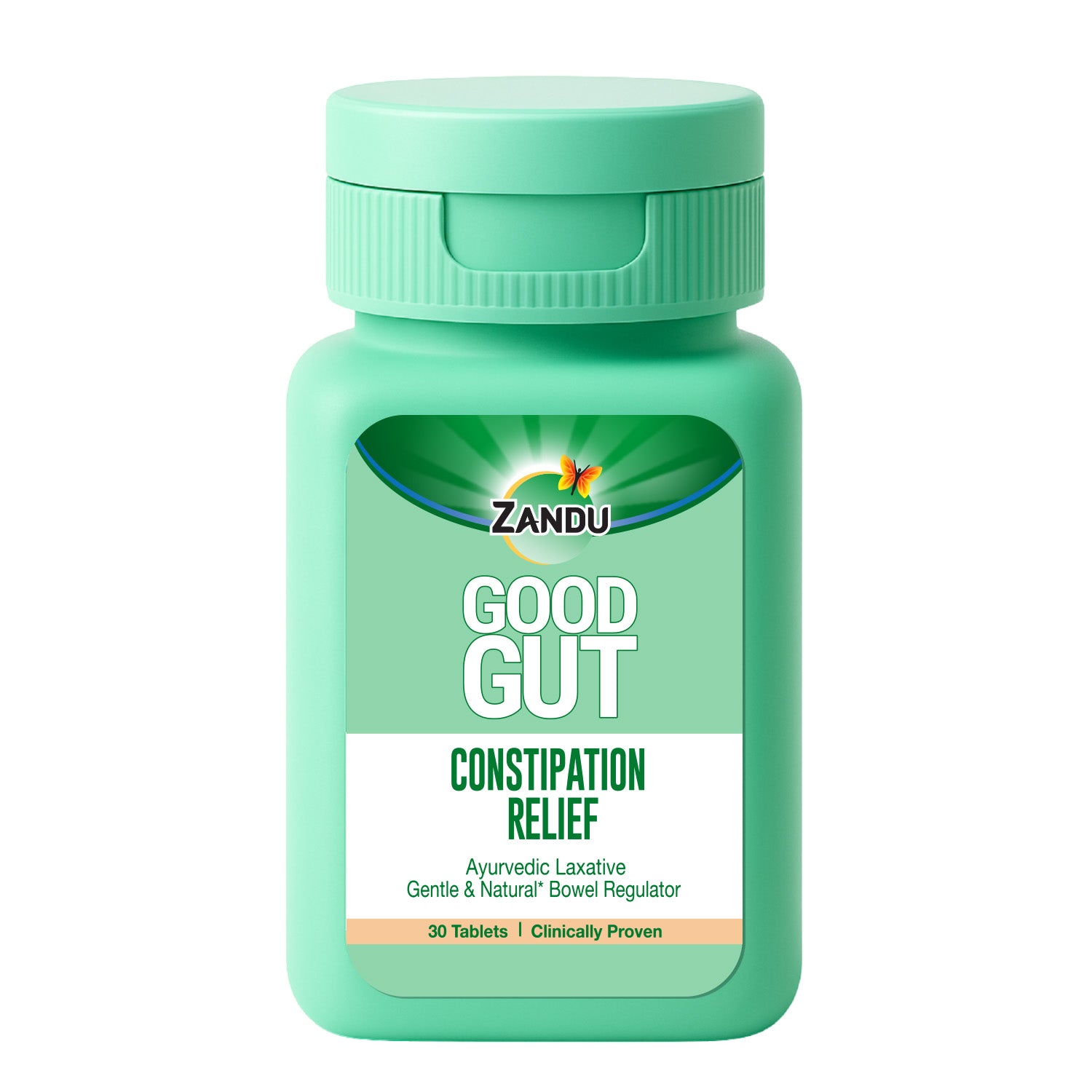
If you still have hard stool, strain to go, go 1 to 2 days without a bowel movement, or never feel fully clear even after changing your dinner, Zandu Constipation Relief Tablets are made for these episodes. Take them as directed on the pack. They are not intended for acidity or for general heaviness unless constipation is also present.
Evening Habits That Help You Go in the Morning
What you do after dinner matters as much as what you eat.
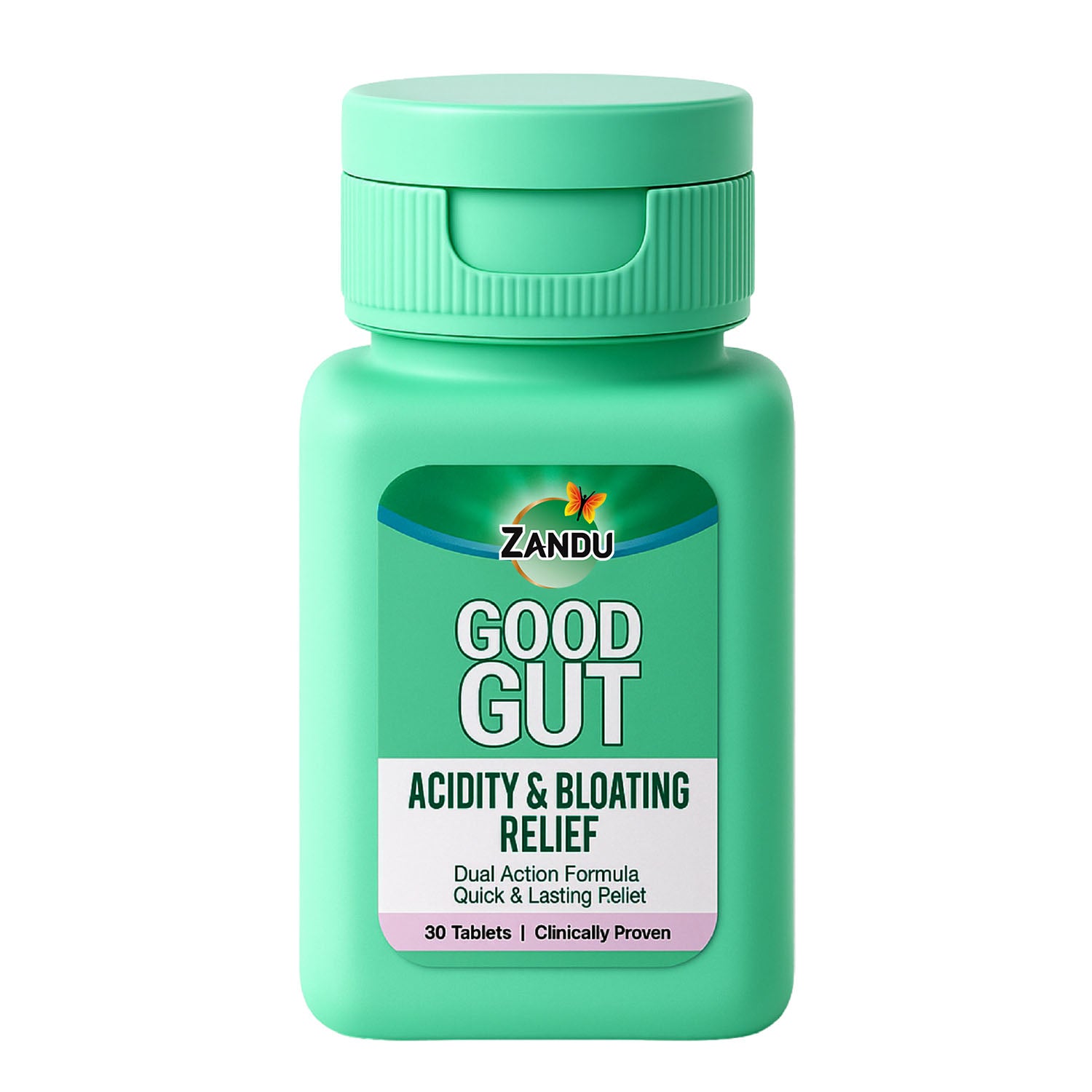
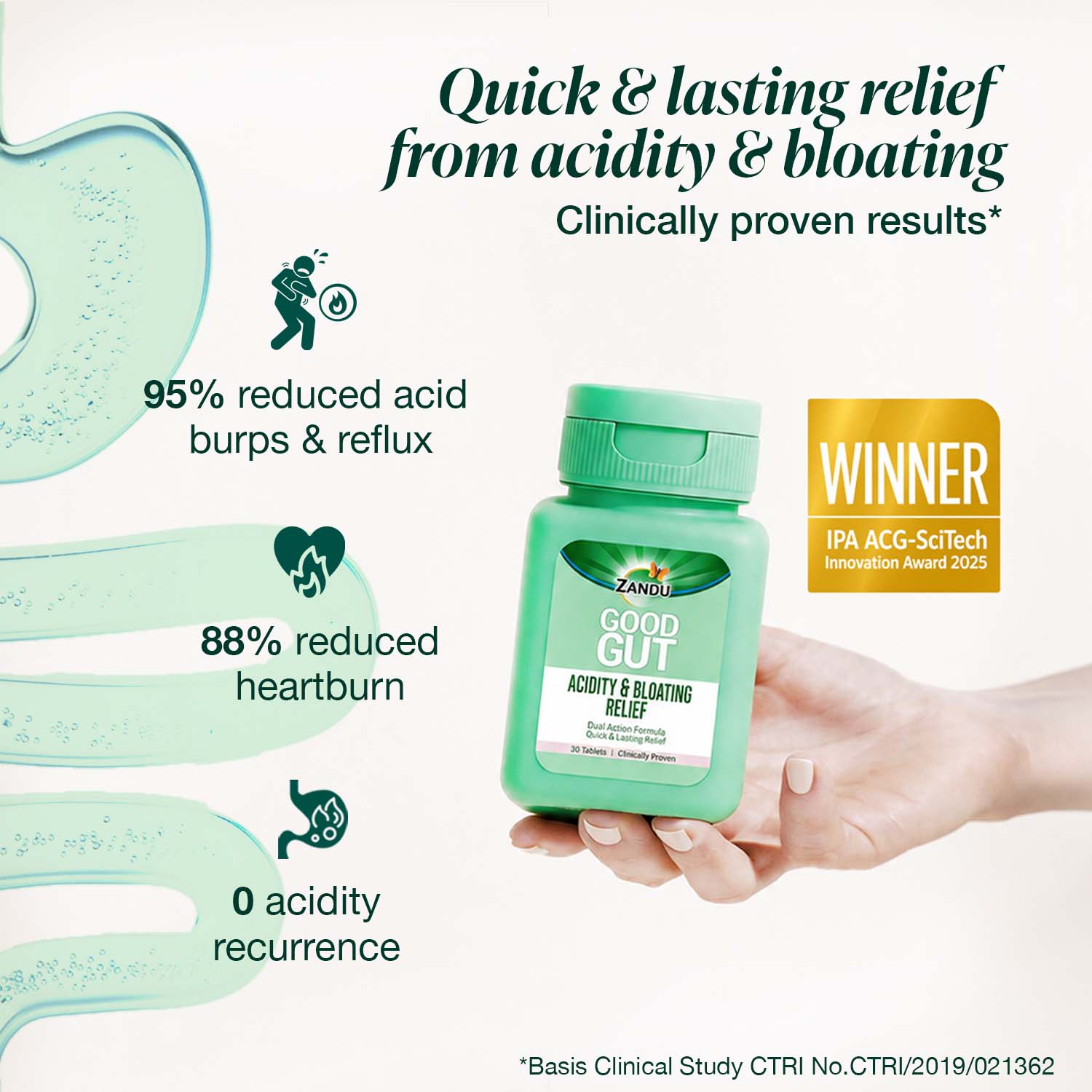
- Eat dinner early: Try to finish your meal 2 to 3 hours before bed so food isn't sitting in a gut that is shutting down for the night. If late dinners also give you chest burning or sour burps, Zandu Good Gut Acidity & Bloating Relief Tablets are made for that kind of after-meal discomfort.
- Keep meal times regular: Eating wakes up the whole digestive system. Eating at the same times each day helps your bowels follow a steady pattern.
- Take a short walk after dinner: Light movement helps push food and stool along. Even 10 to 15 minutes helps.
- Drink water through the evening: Don't drink it all at once before bed. Sip steadily from the afternoon on.
- Sleep and wake at the same time: Your gut runs on the same clock as your sleep, so a steady sleep routine helps a steady toilet routine.
- Have a warm drink in the morning: Warm water or a cup of tea or coffee after waking can help get your bowels moving.
- Don't skip the morning urge: When you feel it, go. Holding it in makes stool harder.
Also, going to the toilet every day doesn't always mean your gut is clear. Research by ZanduCare found that even among people who go every day, nearly 1 in 2 still struggle to complete a bowel movement, and more than half still feel food sitting in their stomach hours after eating. If you strain or never feel fully empty, consider how your evening eating may be affecting you.
Conclusion
Constipation often gets worse because of what you eat in the evening. Your gut slows down at night, so fried food, cheese, paneer, maida, white rice, packaged snacks, red meat, sweets and alcohol all stay in your system longer and make stool hard by morning. These are the main foods to avoid for constipation, and processed foods are among the worst because they contain almost no fibre and plenty of fat, salt, and sugar.
Eat a light, high-fibre dinner on time, add kiwi or prunes, drink enough water, take a short walk and keep a steady sleep routine. If constipation lasts more than a few weeks or comes with blood in your stool, weight loss or severe pain, see a doctor.
References
These are the studies and medical sources used in this article.
- Association of Ultra-processed Food and Unprocessed or Minimally Processed Food Consumption With Bowel Habits Among U.S. Adults.
- Dietary Patterns and Incident Chronic Constipation in Three Prospective Cohorts of Middle- and Older-Aged Adults.
- Association of High Dietary Saturated Fat Intake and Uncontrolled Diabetes With Constipation: Evidence From the National Health and Nutrition Examination Survey.
- Gastrointestinal Motility During Sleep Assessed by Tracking of Telemetric Capsules Combined With Polysomnography: A Pilot Study.
- Colonic Motility in Man: Features in Normal Subjects and in Patients With Chronic Idiopathic Constipation.
- Intolerance of Cow's Milk and Chronic Constipation in Children.
- Systematic Review and Meta-Analysis: Foods, Drinks and Diets and Their Effect on Chronic Constipation in Adults.
- Exploratory Comparative Effectiveness Trial of Green Kiwifruit, Psyllium, or Prunes in US Patients With Chronic Constipation.
- Water Supplementation Enhances the Effect of High-Fiber Diet on Stool Frequency and Laxative Consumption in Adult Patients With Functional Constipation.
- National Institute of Diabetes and Digestive and Kidney Diseases. Eating, Diet, and Nutrition for Constipation.
- Johns Hopkins Medicine. Foods for Constipation.https://www.hopkinsmedicine.org/health/wellness-and-prevention/foods-for-constipation
Written by

Zanducare
India’s trusted name in Ayurvedic wellness, offering time-tested solutions for today’s health and lifestyle needs. With formulations rooted in classical Ayurvedic texts and crafted using pure natural ingredients, we bring holistic care into your everyday routine.
Research by


Leave a comment
This site is protected by hCaptcha and the hCaptcha Privacy Policy and Terms of Service apply.