








7 Simple Steps to Check Original Shilajit & Avoid Fake
As Shilajit becomes more popular, product quality in the market varies widely. This makes it important for consumers to understand how to identify authentic Shilajit before buying, rather than relying solely on claims or appearance.
Ayurveda follows a natural and balanced approach to health and recognises that mineral-based substances such as Shilajit must be properly purified (Shodhan) before use.
Traditionally, Shilajit is considered suitable for consumption only after appropriate processing.
Why Identifying Authentic Shilajit Matters?
Raw or inadequately processed Shilajit can retain natural impurities, including soil residues or unwanted mineral content. Ayurveda, therefore, emphasises Shodhan as a necessary step to improve suitability for use.
Authenticity is determined not only by visual traits such as colour or texture, but by the entire quality chain, including how Shilajit is sourced, purified, processed, and handled before it reaches the consumer.
Understanding these factors helps consumers:
- Differentiate purified products from adulterated or diluted ones
- Select formulations that prioritise safety and quality
- At Zandu, we operate our own research laboratory - ZAARC, supported by India's top Ayurvedic experts.
- Make informed choices aligned with Ayurvedic principles
Recognising authentic Shilajit is essential for responsible and effective use, consistent with traditional Ayurvedic guidance.
7 Steps to Identify Original Shilajit
Below are the steps to verify and authenticate shilajit at your home.
1. Water Solubility Test
Steps to check
- Take a small pea-sized amount of Shilajit
- Add it to a glass of warm (not boiling) water
- Stir gently and observe for 1–2 minutes
What this test indicates
- Traditionally, pure Shilajit dissolves completely
- Water turns golden, reddish-brown, or dark brown
- No sand, grit, or residue should settle at the bottom
Residue may indicate soil, rock particles, or fillers.
Once Shilajit tablets are dropped into water, they may turn reddish-black or brown. In this case, the Shilajit will leave no residue behind.
So, look out for these symptoms to accurately identify the product. However, if your Shilajit product is adulterated, you will notice a sandy residue when it is dropped into water. Shilajit will also taste slightly bitter & sandy, which can easily help you map out the difference.
2. Flame Test
Steps to check
- Take a very small amount of Shilajit
- Place it on a heat-resistant metal surface
- Expose it briefly to flame or high heat
What this test indicates
- Pure Shilajit is believed to:
- Bubble or expand
- Soften or char
- Not burn with a continuous flame
- Burning like wax may indicate adulteration
Shilajit is a mineral–organic matter, not a combustible resin. Properly purified Shilajit degrades under heat, not ignites.
If you think you may have bought the best quality Shilajit, you may not mind running a Flame test either. In fact, among the other tests we recommended above, this is the most credible.
If you put Shilajit on fire, it won't burn. However, due to rising temperatures, it is likely to become sticky and even turn to ash at some point. However, if your Shilajit is not pure, it will catch fire quickly.
3. Alcohol Solubility Test
Steps to check
- Take a small amount of Shilajit
- Add it to a clear container with alcohol
- Observe for several minutes without stirring
What this test indicates
- Traditionally, pure Shilajit:
- Does not dissolve fully
- May form clumps or remain suspended
- Full dissolution may suggest additives
Shilajit is not traditionally processed or administered with alcohol.
If it dissolves in alcohol, your shilajit is likely fake. This also suggests the presence of certain additives, which you may want to investigate.
4. Texture and Consistency Test
Steps to check
- Take a small amount between your fingers
- Rub gently at room temperature
- Observe, feel and uniformity
What this test indicates
- Traditionally pure Shilajit is:
- Smooth
- Resin-like
- Sticky at warm temperatures
- A gritty or powdery texture may suggest fillers
Described as snigdha (unctuous) and picchila (sticky). Grittiness contradicts classical descriptions.
5. Shilajit Taste Test
Steps to check
- Take a very small amount (resin or powder)
- Place briefly on the tongue
- Note the initial and aftertaste
What this test indicates
- Traditionally, pure Shilajit tastes:
- Bitter
- Earthy
- Mineral-like
However, a sweet or artificial taste may suggest adulteration.
6. Pliability Test
Steps to check
- Keep Shilajit at room temperature and observe the texture
- Place it in a refrigerator for 30 to 60 minutes
- Remove and check the hardness or brittleness
What this test indicates
- Warm conditions: soft, sticky, pliable
- Cold conditions: hard, brittle, glass-like
- Reversible change suggests natural resin behaviour
7. Color And Odor Test
Steps to check
- Take a small amount of Shilajit and place it on a clean surface
- Observe the colour under natural light
- Smell the product gently without heating or burning it
What this test indicates
- Traditionally, pure Shilajit appears dark brown to black in colour
- It is believed to have a strong, pungent, earthy odour
- A pale, grey, yellowish, or unusually glossy appearance may indicate adulteration
- Absence of a natural mineral smell or presence of artificial fragrance may suggest additives
This test is commonly used as a visual and sensory check to identify obvious inconsistencies.
Classical Ayurvedic texts describe Shilajit as “ghana” (dense) and “śyāva–kṛṣṇa varṇa” (dark to blackish in colour).
The strong odour is traditionally associated with decomposed plant matter and mineral-rich rock crevices, formed over long periods.
How Zandu Processes Shilajit for Quality and Safety?
- Ayurveda-led research through dedicated R&D centres
- Purification (Shodhan) is followed before formulation
- Structured quality and safety testing at each stage
- Verified sourcing of raw materials
- Manufacturing under controlled quality standards
- Expert oversight in formulation and processing
- Batch-level consistency and hygiene controls
- 100% vegetarian, modern-use formulations
How to Check the Purity of Shilajit Before Buying?
Before purchasing Shilajit, online or offline, you should focus on label transparency, processing clarity, and quality assurance, not just claims.
You should check the following details on the label (pre-purchase)
- Clearly mentioned purified/Shodhit Shilajit
- Product form specified (resin, powder, capsule)
- Net quantity and dosage instructions
- Manufacturer details and customer support information
- Shelf life/expiry date
- Safety or quality testing mentioned (without exaggerated claims)
Red flags before buying
- Extremely low prices compared to the market average
- No mention of purification or testing
- Vague phrases like “100% random formula” without details
- Claims of instant or guaranteed medical results
Understanding Shilajit Forms: Resin, Powder, and Capsules
Shilajit is available in multiple forms. Purity checks can vary slightly depending on the form.
Shilajit Resin
- Thick, sticky, and tar-like at warm temperatures
- Hardens in cold conditions
- Most traditional form
- Requires careful storage and handling
Common mistake: Mistaking natural melting or hardening for impurity.
Shilajitpash
- Paste - like chywanprash
What to check: Uniform texture, no artificial smell, clear ingredient declaration.
Shilajit Capsules
- Contain purified extract or powder
- Most convenient and consistent in dosage
- Quality depends on extraction and formulation, not the capsule shell
What to check: Amount of Shilajit (mg) per capsule and clear dosage guidance.
How Pure Shilajit Looks: Visual and Physical Clues
Color
- Pure Shilajit typically appears dark brown to blackish-brown
- Slight natural sheen is normal
- An overly glossy or jet-black uniform colour can be suspicious
Texture
- Resin: smooth, sticky, cohesive
- Powder: fine and non-gritty
- Capsules: uniform fill, no leakage
Odour
- Earthy, mineral-like, pungent smell
- No artificial fragrance or chemical odour
What Fake Shilajit Often Looks Like?
Fake or adulterated Shilajit may show one or more of the following signs:
- Waxy or candle-like burning behaviour
- Artificial perfume or chemical smell
- Sweet or flavoured taste
- Sandy residue when mixed in water
- Extremely uniform color and texture
- Unrealistic pricing and exaggerated health claims without certifications
These signs don’t confirm impurity on their own, but multiple red flags together should raise concern.
Where Does Real Shilajit Come From?
Traditionally, Shilajit is associated with mountain regions, especially the Himalayan belt, where it forms over centuries from decomposed plant matter and minerals.
However, origin alone does not guarantee purity.
Why is sourcing alone not enough?
- Raw Shilajit may contain dirt, rock particles, or contaminants
- Purification (Shodhan) is essential before consumption
- Processing quality matters more than just geographic origin
Why Shilajit Purity Matters?
Consuming impure or poorly processed Shilajit can lead to:
- Reduced effectiveness
- Inconsistent results
- Digestive discomfort
- Safety concerns due to contaminants
Pure, properly processed Shilajit offers:
- Better consistency
- Greater consumer confidence
- Safer long-term use
In Ayurveda, Shodhan (purification) is emphasised to make mineral substances suitable for consumption.
Does Shilajit Expire?
Yes, Shilajit does have a shelf life, which depends on its form and storage.
Shelf life by form
- Resin: Long shelf life if stored correctly in airtight conditions
- Powder: More sensitive to moisture and air exposure
- Capsules: Shelf life as mentioned on the label
Signs that Shilajit may have degraded
- Unusual or sour smell
- Visible mould (especially in powder)
- Excess moisture or clumping
- Packaging leaks or contamination
Storage Tips
- Store in a cool, dry place
- Keep containers tightly sealed
- Avoid wet spoons for resin
- Protect from heat and humidity
Why Identifying Pure Shilajit Matters?
With many Shilajit products available today, knowing how to identify purity is essential to making a safe, informed choice.
Purification, testing, and formulation quality are key factors in determining whether a product is suitable for regular use.
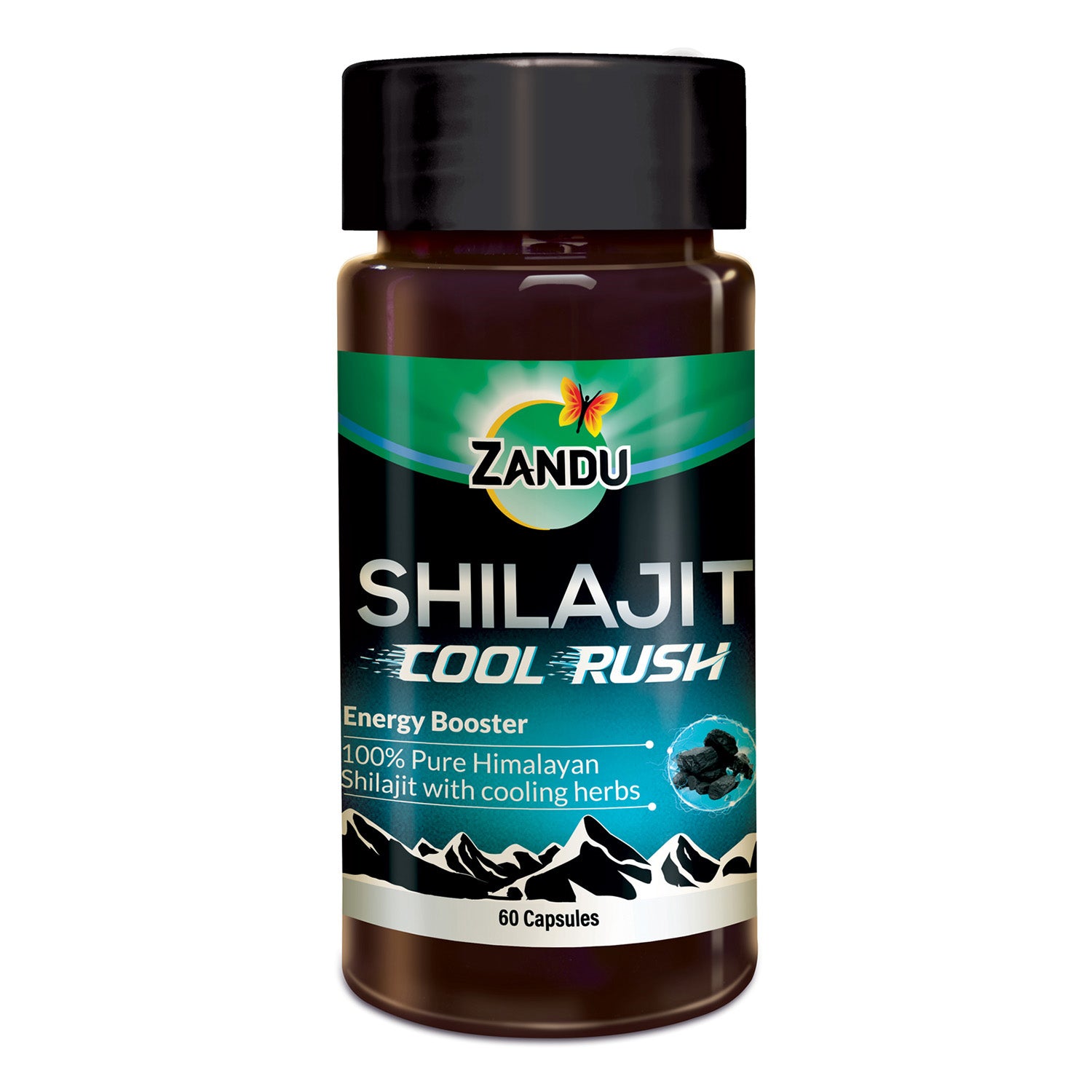
Zandu Shilajit are formulated using purified Shilajit extracts, is scientifically tested, and are 100% vegetarian. Such standardised capsule formulations reflect the purity principles discussed in this guide—transparent processing, controlled dosage, and quality assurance —making them easier for consumers to evaluate than unverified raw forms.
Final Takeaway
To check the original Shilajit effectively:
- Don’t rely on just one test
- Combine visual, physical, and label checks
- Prefer transparency over exaggerated claims
- Understand the form you’re buying
- Store it correctly after purchase
Purity in Shilajit is not about myths or shortcuts. It’s about responsible processing, honest labelling, and informed buying.

Written by

Zanducare
India’s trusted name in Ayurvedic wellness, offering time-tested solutions for today’s health and lifestyle needs. With formulations rooted in classical Ayurvedic texts and crafted using pure natural ingredients, we bring holistic care into your everyday routine.
Research by


Leave a comment
This site is protected by hCaptcha and the hCaptcha Privacy Policy and Terms of Service apply.