










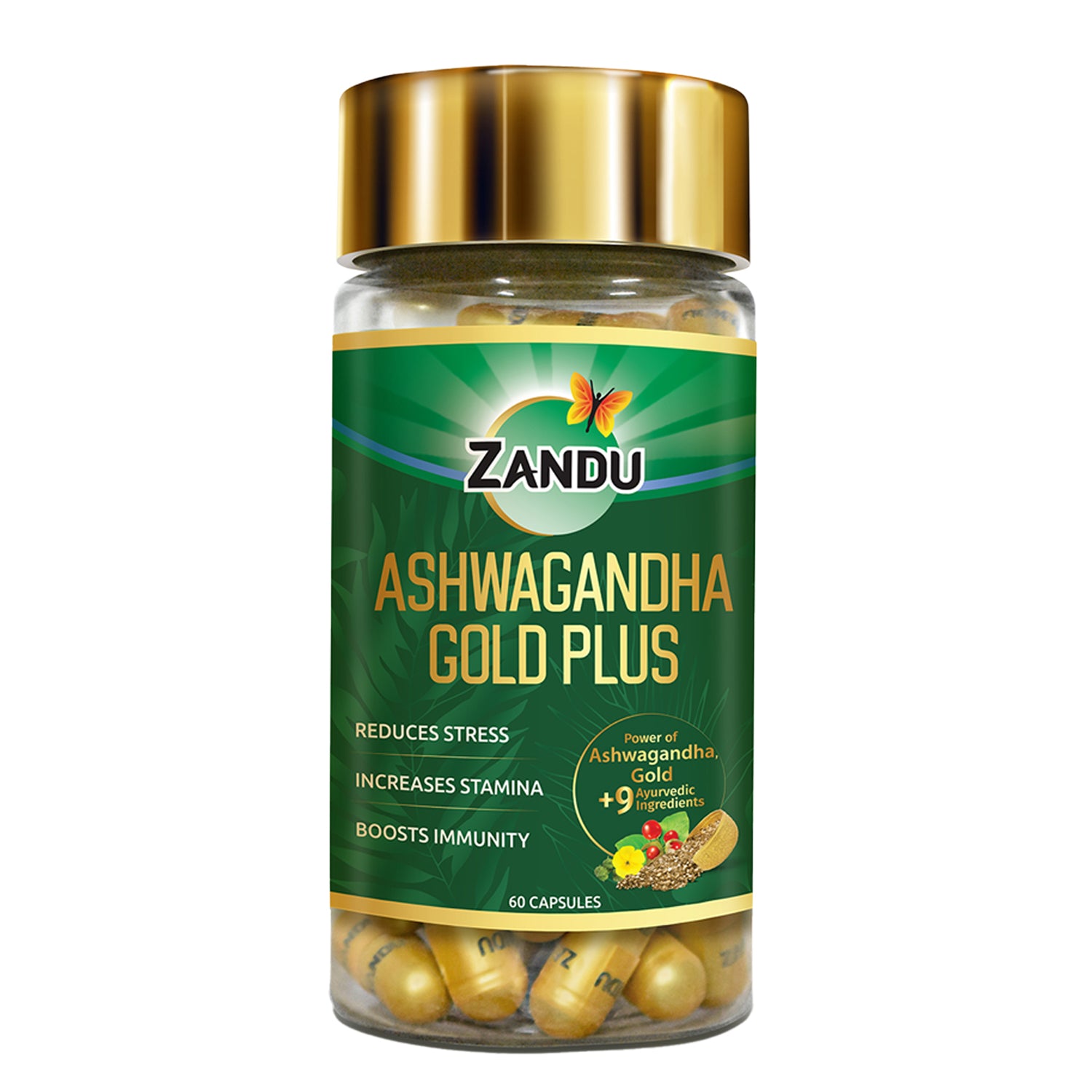

Muscle Recovery & Better Sleep - Ashwagandha Gold Plus
Sale price
₹374
Regular price₹468 20% off


Bowel Regulation & Digestion Support (Triphala)
Sale price
₹478
Regular price₹598 20% off
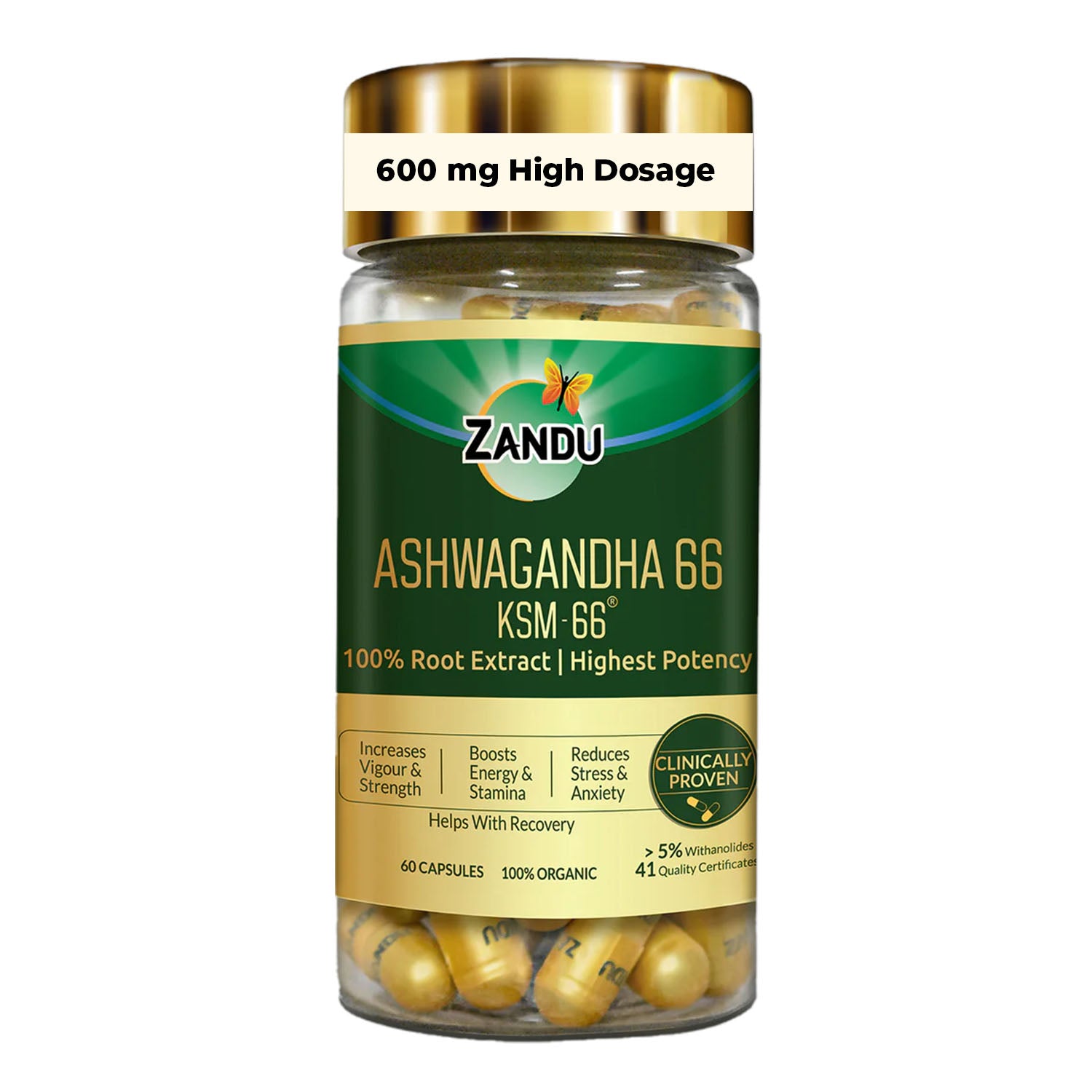
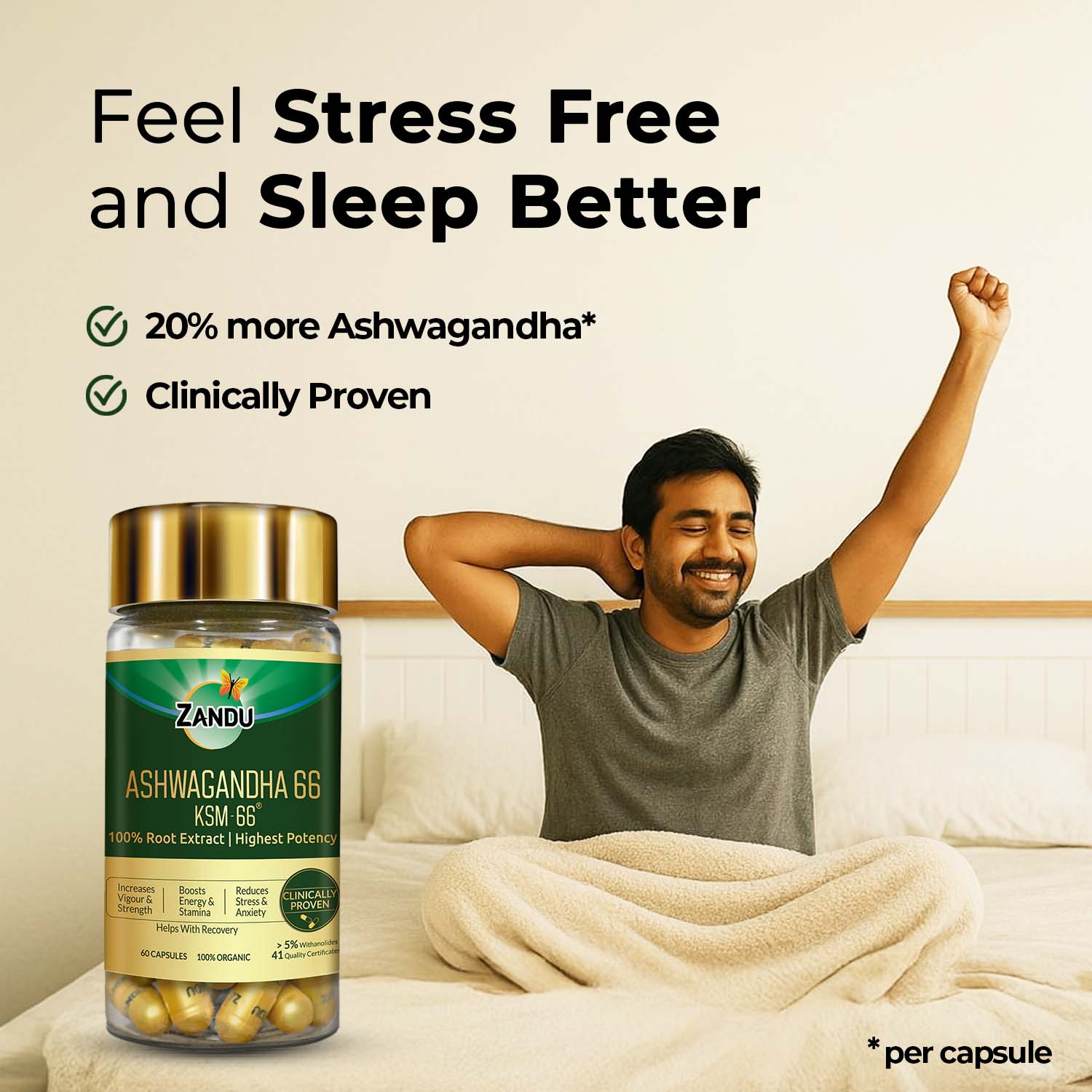
Best Stress & Cortisol Control, Better Sleep with Ashwagandha KSM-66
Sale price
₹670
Regular price₹1,030 35% off
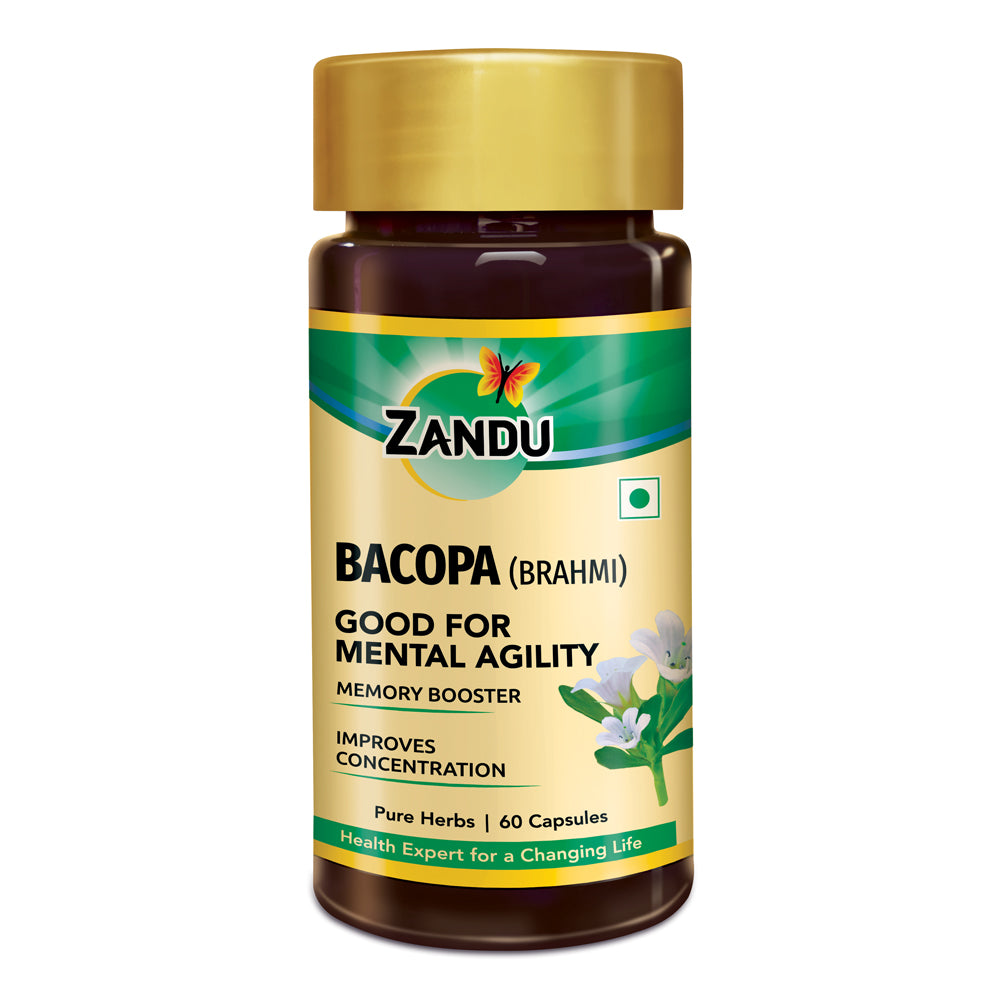

Zandu Pure Brahmi Capsules
Sale price
₹375
Regular price₹500 25% off


Zandu Pure Methi Capsules
Sale price
₹500
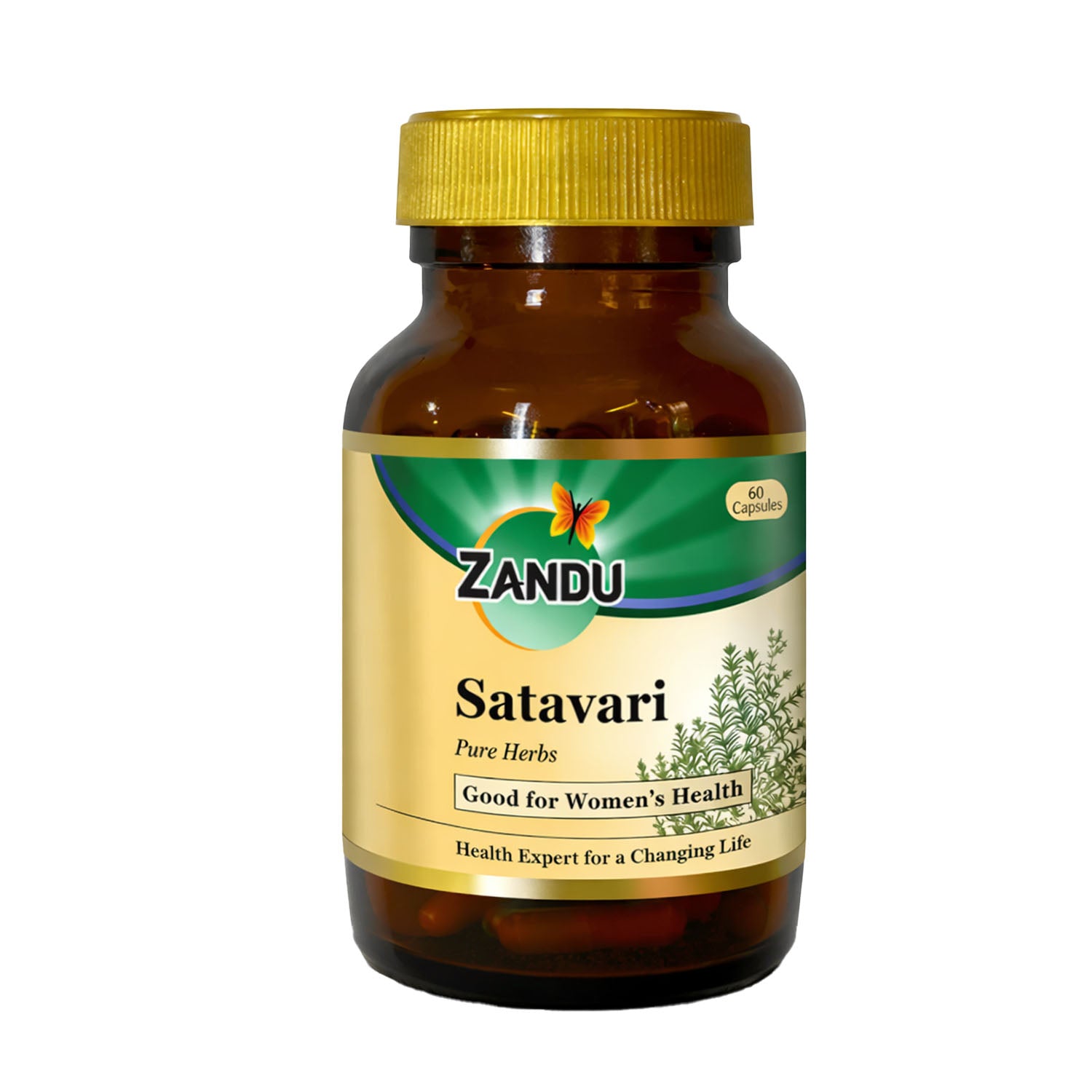
Zandu Satavari Lactation Capsules
Sale price
₹250


Zandu Giloy Tablets
Sale price
₹200


Zandu Pure Amla (Amalaki)
Sale price
₹180
Regular price₹200 10% off
Vata dosha is one of the three primary doshas in Ayurveda and is associated with movement, the nervous system, circulation, and digestion. When balanced, it supports creativity, flexibility, and energy, but when aggravated, it may cause dryness, anxiety, bloating, or joint discomfort.
Common symptoms of Vata imbalance may include gas, bloating, constipation, dry skin, joint stiffness, fatigue, restlessness, disturbed sleep, and irregular digestion.
You can reduce excess Vata by following a routine, eating warm and nourishing foods, staying hydrated, getting proper rest, and using Ayurvedic herbs that help calm and balance Vata.
Herbs such as Ashwagandha, Shilajit, Triphala, Guggulu, and Shatavari are commonly used in Ayurveda to support Vata balance, improve digestion, support joints, and promote overall vitality.
Vata dosha products are designed to help manage symptoms associated with Vata imbalance, such as digestive discomfort, dryness, fatigue, joint pain, and nervous system imbalance.
Ayurvedic formulations containing herbs like Ashwagandha, Triphala, Guggulu, and Shilajit are commonly used to help balance Vata, support digestion, and maintain overall wellness.
Yes, certain Ayurvedic herbs and formulations help support joint flexibility, reduce stiffness, and improve mobility, which can be beneficial for Vata-related joint discomfort.
Many Ayurvedic herbs used in Vata formulations help improve digestive strength, reduce gas and bloating, and promote regular bowel movements.
Most Ayurvedic formulations are designed to be gentle and suitable for regular use. However, it is recommended to follow dosage instructions on the label or consult an Ayurvedic practitioner for guidance.
Yes, constipation is a common symptom of aggravated Vata because it is associated with dryness and irregular digestive movement in the body.
The time required to balance Vata can vary depending on lifestyle, diet, and severity of imbalance. Consistent use of Ayurvedic herbs along with healthy habits may help support gradual balance.
Warm, cooked, and nourishing foods such as soups, whole grains, ghee, nuts, and root vegetables are generally considered helpful for balancing Vata.
Excessively cold, dry, raw, or processed foods may aggravate Vata and are usually recommended to be limited in a Vata-balancing diet.
Yes, excessive stress, irregular routines, and lack of sleep can aggravate Vata and lead to symptoms such as anxiety, restlessness, and poor digestion.
Certain Ayurvedic herbs used in Vata-balancing formulations may help calm the nervous system and support better sleep quality.
When Vata is aggravated, it may contribute to restlessness, overthinking, anxiety, and difficulty concentrating.
Maintaining a routine, eating warm meals at fixed times, practicing relaxation techniques, staying hydrated, and getting adequate sleep can help support Vata balance.
People experiencing symptoms like gas, constipation, joint stiffness, fatigue, dryness, or irregular digestion may consider Ayurvedic support for Vata balance.
Yes, many Ayurvedic Vata-balancing formulations aim to support digestion, joint health, nervous system balance, and overall vitality.
Many Ayurvedic supplements can be used together depending on individual needs, but it is best to follow product guidelines or consult a healthcare professional.
Many Ayurvedic formulations are traditionally used for long-term wellness support when taken as directed and combined with a balanced lifestyle.