An Introduction to Shirish
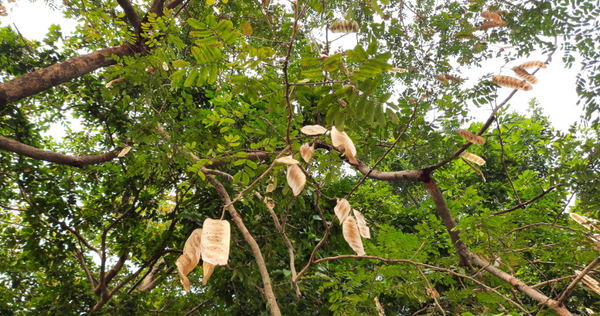
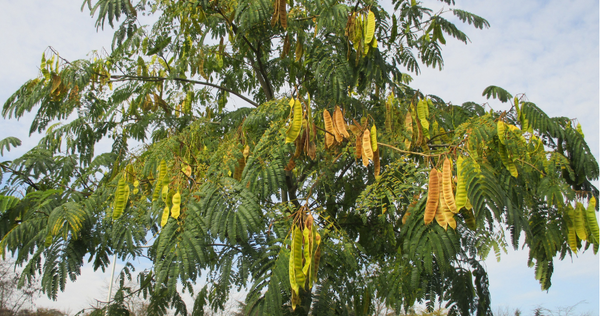
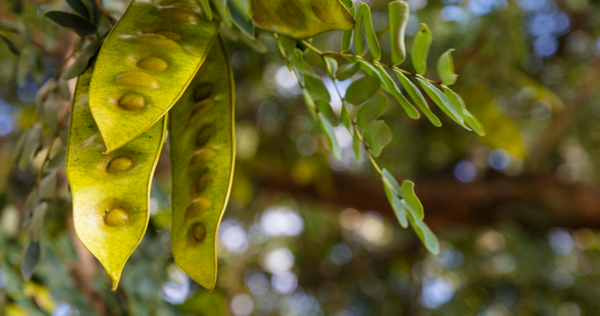
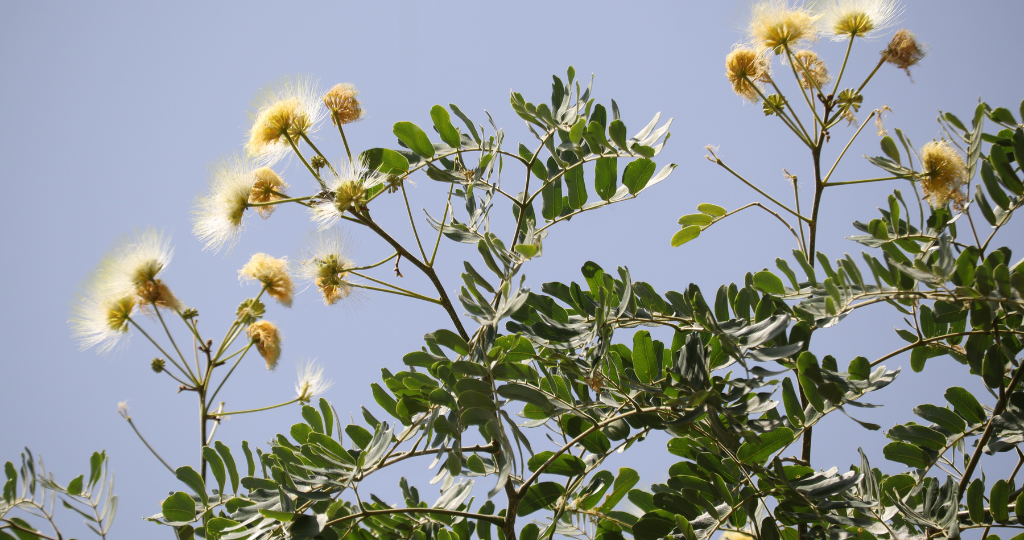
Shirish, also known as Albizia lebbeck, is an Ayurvedic herb that has been used in Indian traditional medicine for centuries. The tree is native to tropical southern Asia, but shirish extracts and powders are now readily available worldwide.
-
Hindi Name: Shirish
-
Latin Name: Albizia lebbeck (Linn) Benth PennelA
-
Sanskrit Name: Shirisha
-
English Name: Siris Tree
10+ Evidence Based Advantages of Shirish
-
Anti-inflammatory and analgesic: Compounds in shirish reduce inflammation and pain
-
Anxiety and depression relief: Clinically shown to ease psychological distress by modulating neurotransmitters
-
Allergy and asthma aid: Shirish extracts demonstrate antihistamine effects to calm respiratory issues
-
Antioxidant and immunomodulating: Boosts immune function and counters free radicals
-
Skin health and healing: Traditionally used topically to treat wounds, burns, irritations
-
Cognitive support: May sharpen memory and focus by supporting neuron communication
Source: Canva
1. Shirish for Inflammation and Pain
Compounds in shirish bark extract significantly reduce inflammatory cytokines and enzymes involved in inflammation, joint swelling, arthritis, headaches, and muscular discomfort when taken orally.
2. Shirish for Anxiety and Depression Relief
Human and animal research demonstrates shirish helps regulate neurotransmitter imbalance, soothing anxiety and uplifting mood related to everyday stress and depressive disorders.
3. Shirish for Allergy and Asthma
In allergy models, shirish displays antihistaminic action, preventing immune overreaction to allergens. It also relaxes bronchial smooth muscle to open airways restricted by asthma.
4. Shirish for Immune Function
Abundant antioxidants neutralize free radicals while other compounds activate macrophages and lymphocytes - bolstering immunity against invading pathogens to prevent illness.
5. Shirish for Skin Health and Healing
Used traditionally as a skin tonic, antibacterial shirish stimulates new tissue growth, enhancing healing for wounds, burns, irritations. Its emollient oils also hydrate and nourish skin.
6. Shirish for Cognitive Support
Via neuroprotective and neurotransmitter regulatory activity, shirish may sharpen memory, enhance learning capability, improve attention span, and preserve cognitive faculties with routine use.
Other Plants
Source: Canva
Nutrition Facts of Shirish
Shirish leaf meal has been found to have 18.10% crude protein and 15-56% crude fibre. The gross energy content is 4.16 kcal/g. Here's a table mentioning the key facts that point out the nutritional facts about shirish tree and plants:
|
Essentials
|
Components
|
Purpose
|
|
Essential Oils
|
Limonene, α-Pinene, β-Pinene
|
Aromatic, potential anti-inflammatory
|
|
Proteins
|
Various amino acids
|
Tissue repair, metabolic support
|
|
Vitamins
|
Vitamin C, Vitamin A, Vitamin E, Vitamin K
|
Immune support, antioxidant
|
|
Minerals
|
Calcium, Potassium, Magnesium, Zinc
|
Bone health, enzyme function
|
How Does Shirish Work for Health Issues?
Shirish contains things called flavonoids, tannins, and glycosides that calm inflammation, block allergy chemicals, mop up cell-damaging free radicals that trigger disease, and influence neurotransmitter activity to ease anxiety. On top of that, other elements in shirish activate your body's natural defenders against germs and infections.
Pretty nifty how one plant can address pain, breathing issues, low mood, poor immunity and skin problems through different bioactive ingredients, right?
Top Ways You Can Use Shirish
The following are the ways you can use shirish:
- Herbal Tea Infusion
- Tinctures or Extracts
- Topical Compress or Poultice
- Herbal Capsules or Pills
Other Plants
Demystifying The Top Shirish Myths and Facts
Source: Canva
Here's presenting the myths and facts associated with shirish:
Facts About Shirish
- 500+ year history in Indian medicinal systems
- Clinical trials support anxiety, allergy, and pain relief
- Key active compounds identified, such as flavonoids
- Antioxidant, anti-inflammatory, bronchodilating benefits
- Neuroprotective qualities studied in animal models
- High safety rating at typical dosages
- Benefits both mental and physical wellbeing
Myths About Shirish
- Only useful for anxiety and depression
- Unsafe for pregnant women
- Risk of liver toxicity
- May cause drowsiness
Tips on Growing Shirish at Home
To cultivate Shirish at home, begin with quality seeds or seedlings in well-draining soil. Choose a sunny location, as Shirish thrives in sunlight. Water consistently, ensuring the soil remains moist but not waterlogged.
Prune the plant regularly to encourage healthy growth. Protect it from extreme weather conditions and pests. Shirish is generally low-maintenance, making it an ideal addition to your home garden. Enjoy the satisfaction of growing this versatile herb while reaping its potential health benefits.
Our Thoughts
With diverse applications, from respiratory health to skincare, this versatile herb enriches holistic well-being. Whether brewed into tea, used in skincare routines, or grown in home gardens, Shirish reflects the timeless wisdom of Ayurveda.
Embrace the benefits of this herb as a natural ally, enhancing both physical and mental wellness through its unique properties.
FAQs
1. What are the different names for Shirish?
Besides Albizia lebbeck, shirish is also referred to as siris tree, woman’s tongue tree, or mimosa siris in texts about Indian medicinal plants.
2. What does shirish taste and smell like?
Shirish bark and flowers have an mildly bitter, astringent taste resembling green tea. Its scent is often described as rich and faintly resinous.
3. How long until I see shirish’s effects?
As an adaptogen, allow at least 2-3 months of steady shirish supplementation for noticeable improvements in areas like anxiety, inflammation, and respiratory issues.
4. Does shirish interact with any medications?
Rarely, but check with your doctor about potential reactions between shirish and sedatives, anti-diabetes drugs, antidepressants, or immune suppressants just to be safe.
5. Can I take shirish if I’m pregnant?
In moderation, shirish is likely safe during pregnancy but check with your OB-GYN before use to be certain.
6. Is shirish safe for long-term use?
Yes, shirish has an extensive history of safe use as a tonic herb taken continuously for months or years to promote holistic healing benefits without addiction risk.















Leave a comment
This site is protected by hCaptcha and the hCaptcha Privacy Policy and Terms of Service apply.