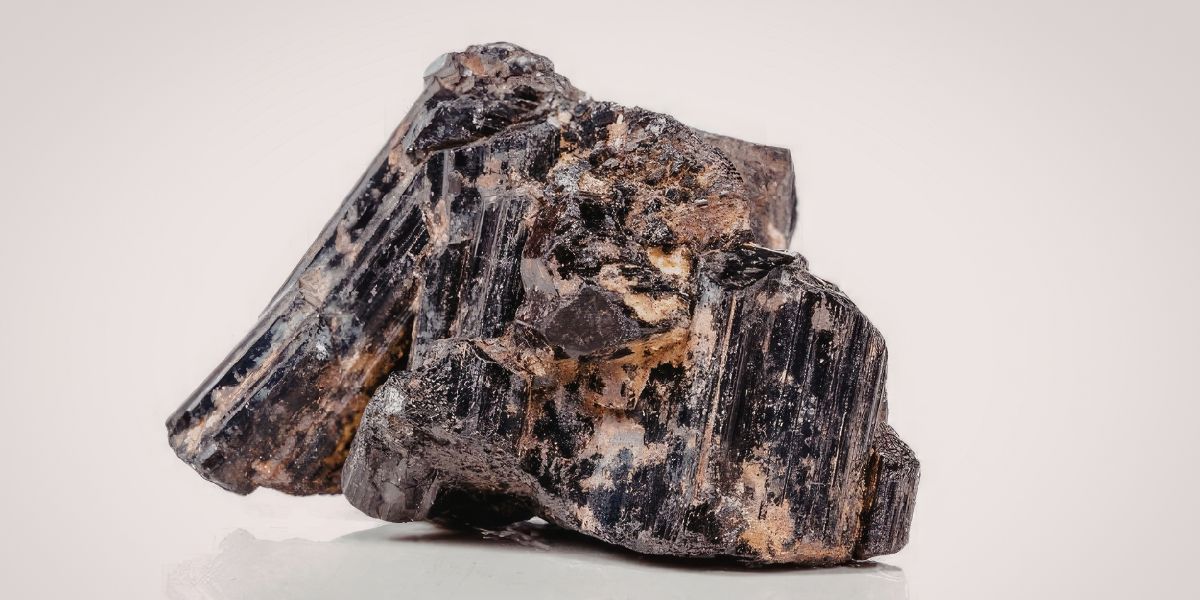
Shilajit is a natural component that is extracted from the mountainous regions. It is a thick and resinous substance like tar, enriched with various minerals and nutrients like fulvic acid. Its by-products, like shilajit capsules, chyawanprash, resin, etc., provide a lot of health benefits like boosting stamina and vitality, helping to enhance cognitive functions, aiding in curing several high-altitude illnesses, increasing the sperm count in males, thus establishing a higher libido, etc.
However, the one question that users majorly ask is does shilajit expire? And if so, what is its shelf life? Here, we will learn about the expiry date of Shilajit and the factors influencing this longevity.
What Is the Expiration Date of Shilajit, and What Are the Influencing Factors?
Shilajit does not expire in the true sense of the term. But with time, the efficiency and effectiveness of the product will diminish. As a result, it will remain unable to provide proper results. For instance, Shilajit has a resounding impact on iron deficiency Anemia if taken for a long term.
However, if the relevant product exceeds the provided shelf time, the anaemia will require longer to be cured. Hence, regarding efficiency, each Shilajit product comes with a period. Consuming it within will give the best results.
A few factors determine the longevity of the product. The more favourable conditions they are treated with, the more there will be an increase in the shelf life. These factors are,
Let's take a glance before describing it,
|
Storage Conditions
|
Quality Maintenance
|
|
Store in a cool and dry place
|
The extracted product needs to be of high quality
|
|
Lid the container tightly
|
Requires less processing
|
|
Avoid direct exposure to heat or sunlight
|
Additional chemical introductions should be avoided
|
|
Best storage - refrigerator. The room temperature is also satisfactory.
|
The derived extract needs to be uncontaminated.
|
1. Storage
A lot of Shilajit's longevity depends on the way it is stored. The ideal condition in which it must be stored is in a cool, dry place. Air contact or moisture contact should be avoided in all circumstances. Hence, it should be packed in closed containers with air-tight lids. The best place to store Shilajit is in a refrigerator at an optimum temperature of 4°-7°C. If the storage conditions can be maintained appreciably, these products can last 4-5 years.
- Shilajit reacts negatively to both moisture and excessive dryness. If kept in humid conditions, it will spread and thus lose its beneficial properties in the process, resulting in a shorter product lifetime.
- Humid storage can also allow moulds and other microorganisms to develop on the product. Moisture-proof bags help retain their structure and thus the properties.
- A common mistake we must correct is comprehending the meaning of a dry place. The dry place does not refer to excessive dryness (for instance, desert-like dry conditions). It simply means devoid of moisture. It has been seen that Shilajit stored in extremely dry conditions has caused it to dry out because the therapeutic resins readily absorb moisture. This will also lessen its shelf life.
- High temperatures are another common storage condition to remember for Shilajit in general and Altai Shilajit (extracted from the Altai mountains). They should not be kept near heat or associated things and should also avoid direct sun exposure.
- Direct heat or sun can soften the capsules, losing their medicinal properties. Storing it at room temperature (preferably below 25°C ) is also fine if you cannot access a fridge. But keep it away from heat in a cool and dark place.
2. Quality
The basic composition of Shilajit humus is 60-80% organic matter, 20-40% mineral, and 5% trace elements. However, the extract has various qualities naturally available with varying percentages of organic matter and minerals. The popular ones are the Himalayan (from the Himalayan range), Andean (from the Andes mountains), and Altai (from the Altai mountains). The fundamental formula is that the purer the extract is, the longer its shelf life will be.
However, quality is more important when the raw material is made into market products. Different brands treat the raw material in different industrial procedures. Some brands enrich the Shilajit products with other medical herbs like Ashwagandha, Lavang, etc. A few others might treat it with added preservatives or other chemical components. And some try to retain the maximum originality of the products.
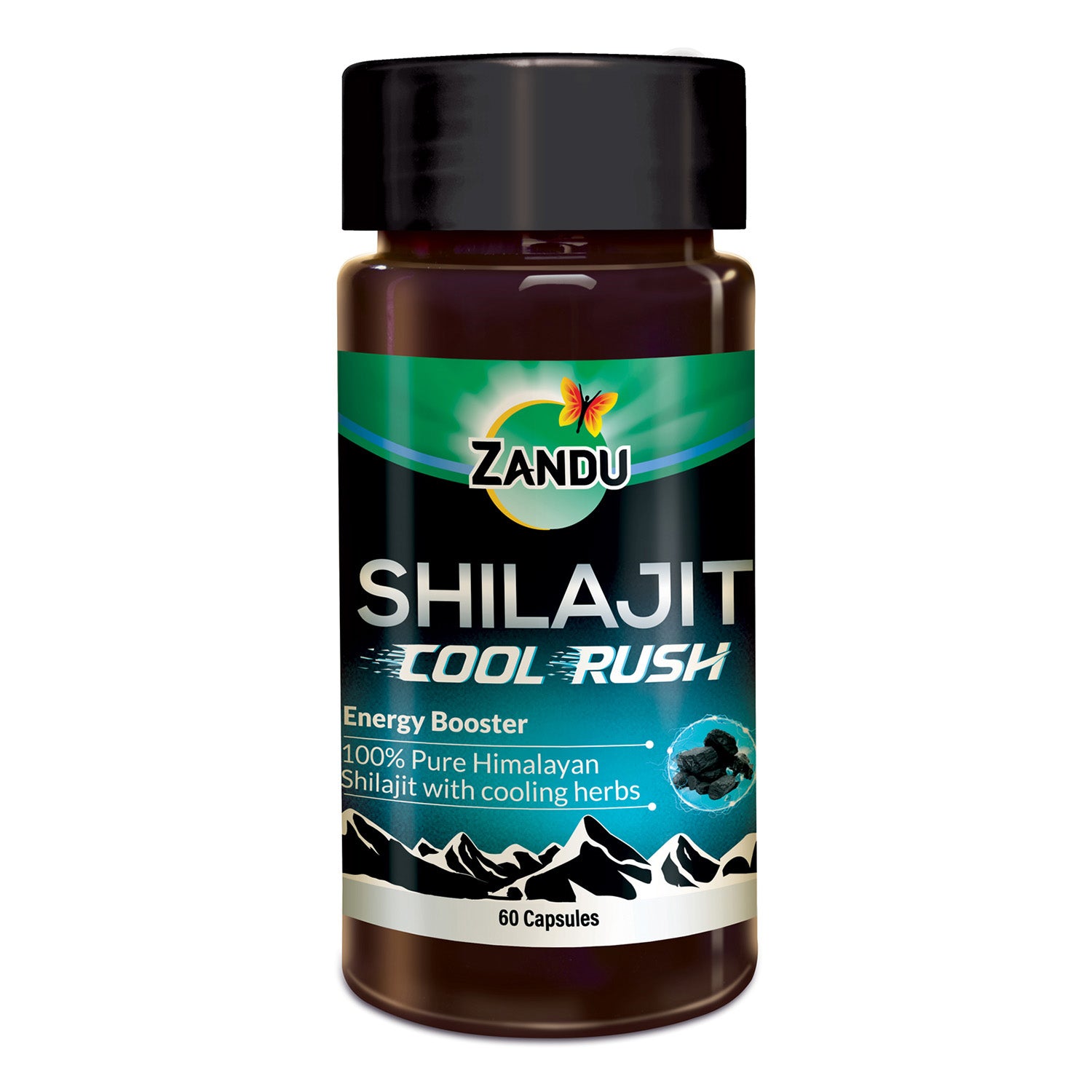
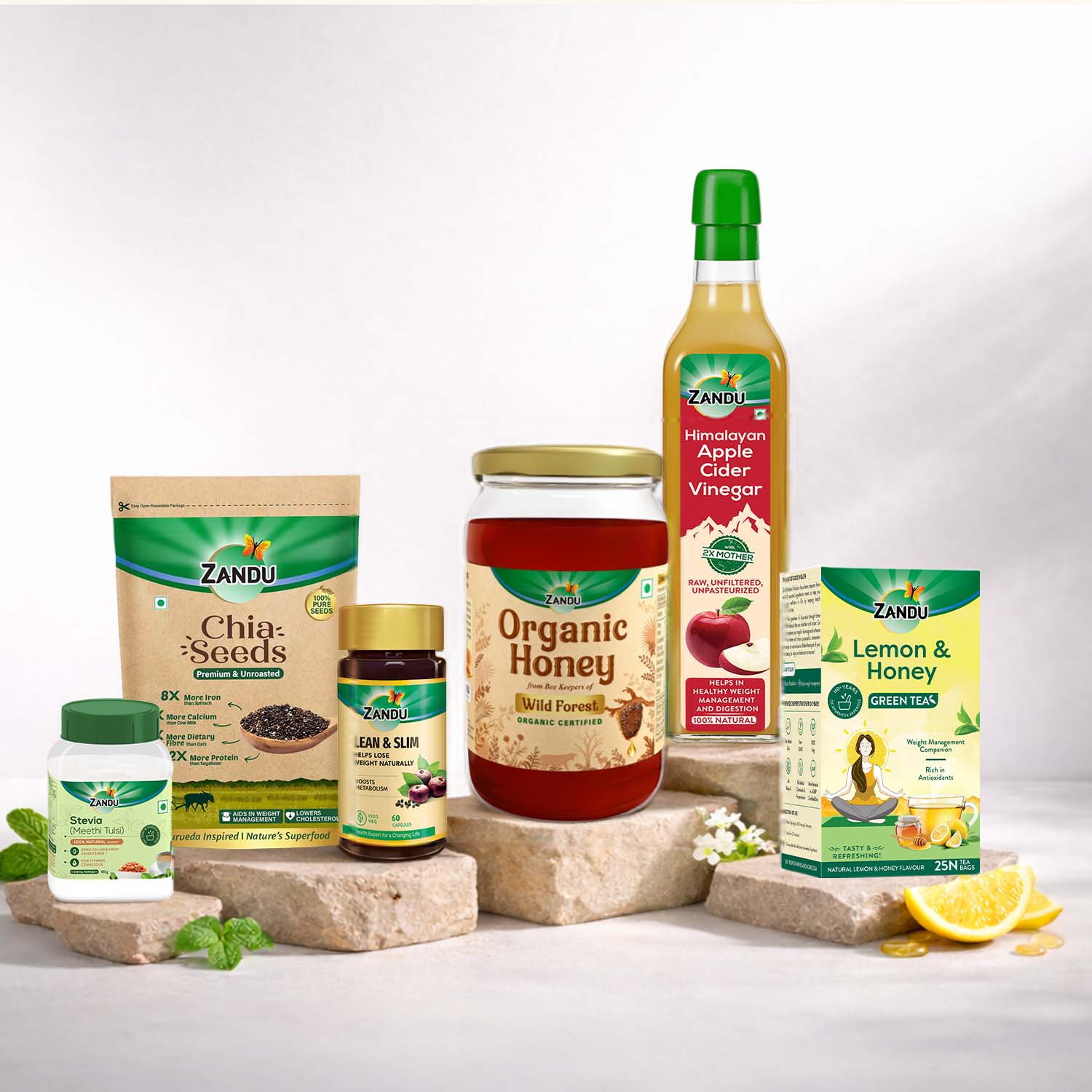
For instance, Zandu Shilajit resin claims to have passed the least number of industrial hands before being made into a consumer product.
Another quality aspect is the contamination. In some areas, the raw material of Shilajit is itself contaminated as a result of some natural calamity. The product's longevity is compromised if the extracts hail from such a source. Hence, affecting the lifetime.
To retain the longevity of Shilajit and its medicinal properties, the product must be originally manufactured, pure and authentic. Though other healthy extracts are appreciated, special attention must be given to the processing and other industrial techniques.
What Is the Best Time Span for Shilajit Products?
As mentioned earlier, Shilajit does not have a critical lifespan. Rather, based on various factors, the efficiency of the products is measured. Since, as a consumer product, Shilajit is blended with other ingredients, the product period differs with different products.
Listed below are the best periods for the different products.
-
Shilajit Powder - Powders are good for those with digestive issues who might be unable to endure a strong ayurvedic extract like Shilajit. The powder can be blended with any eatables or drinkables for smooth consumption. Its period ranges from 1-2 years. Its properties will last 2 years if stored properly, sometimes even more than 2 years.
-
Shilajit Liquid Drops - They are the most convenient way of consuming. These drops are normally taken with tea, coffee, or other beverages. But the drops can be taken directly as well. For the best way to use it, consulting your doctor is advisable. The shelf time is once gained within 2 years from the manufactured date.
-
Shilajit Pills and Capsules - Another easy way of consuming Shilajit is the pills and capsules. This has a bit of a lower best span within a year.
-
Shilajit Resin - It is one of the most natural and pure forms of extract and is considered very strong. This should be used for the best two years before the manufacturing date.
A Quick Overview
|
Shilajit Products
|
Time Span
|
|
Resin
|
Best before 2 years
|
|
Pills and Capsules
|
Within 1 year
|
|
Powder
|
Within 1-2 years
|
|
Liquid Drops
|
Best before 2 years
|
Potential Risks
Indeed, Shilajit does not expire, and you can exceed the period. However, the effect of the expired product is not direct. Rather, the harm will be comprehended if used for a long time. A well-known fact is that prolonged use of an expired product will harm your health in one way or another.
The two disadvantages of using the product beyond the expected time limit are as follows;
1. Lack of Efficiency
Shilajit is consumed for fulfilling a certain objective. Since it is enriched with minerals, it gives its users certain health benefits like boosting vitality, stamina, immunity, and sexual drive in males. Also, consuming it for a longer period can help with dealing with Alzheimer's, high-altitude diseases, and others like insomnia, stress, lethargy, iron deficiency anaemia, etc.
However, if you continue to consume the product beyond the best period, it will be unable to perform its duties efficiently. As a result, the objective will not be met, and the illness will have a high chance of escalating or, in the best case, remain incurable. Hence, consuming it within the mentioned time limit is better to achieve the health goals effectively.
2. Contamination
Contamination of the product can also be aligned with expiration. If a product, due to unwanted storage and environmental conditions, changes its physical properties (softens or spreads) or internal properties, it can be divided under expiration. The favourable storage and environmental conditions for Shilajit must be maintained quite crucially.
Suppose the product comes in contact with air, humidity, moisture, etc. In that case, the chemical components present in the product will react with it to change the basic properties of the product, allowing bacteria, moulds, and other harmful microorganisms to develop on it. Unknowingly, if it is consumed, it will cause serious health hazards. Hence, make sure to store the products carefully.
How to Identify Expired or Low-Quality Shilajit?
Although Shilajit does not expire in the traditional sense, its quality and effectiveness can degrade over time. One of the easiest ways to determine whether Shilajit is still usable is by observing its physical and sensory characteristics. Fresh Shilajit resin typically has a sticky texture at room temperature and becomes firm when cooled.
However, if it turns excessively brittle, powdery, or overly runny, it may indicate degradation due to improper storage. The smell is another strong indicator—pure Shilajit has a natural earthy aroma, whereas a sour or foul odor suggests contamination. Similarly, a noticeable change in color from deep black or dark brown to a faded or greyish tone may signal reduced potency.
Taste can also help identify quality; while Shilajit is naturally bitter, an unusually sharp or unpleasant taste may indicate spoilage. Additionally, visible signs such as white spots or mold growth clearly suggest contamination, and such products should be discarded immediately.
Does Shilajit Go Bad After Opening?
Once Shilajit is opened, it becomes more vulnerable to environmental factors such as air, moisture, and microbial exposure. While it does not immediately go bad, its degradation process accelerates after opening. Oxidation caused by air exposure can gradually reduce its potency, while humidity can introduce moisture that may lead to microbial growth. Ideally, Shilajit should be consumed within three to six months after opening to ensure maximum effectiveness.
However, if stored properly in airtight conditions and away from moisture, it may remain usable for up to a year. To preserve its quality, it is important to use a dry spoon, avoid direct contact with your hands, and tightly seal the container immediately after use. Storing it in humid areas like bathrooms or kitchens should also be avoided, as these conditions can significantly reduce its shelf life.
How to Store Different Forms of Shilajit?
Different forms of Shilajit require slightly different storage methods to maintain their potency and shelf life. Shilajit resin, being the purest and most natural form, is highly sensitive to environmental conditions and should be stored in an airtight glass container, preferably in a refrigerator to maintain its consistency. Capsules and pills are comparatively more stable due to their outer coating, but should still be kept in a cool, dry place away from humidity to prevent softening.
Shilajit powder is highly moisture-absorbent and should be stored in moisture-proof containers, sometimes with silica gel packets to prevent clumping. Liquid drops, on the other hand, are more prone to microbial contamination and must be tightly sealed after every use, with minimal exposure to temperature fluctuations. Overall, less processed forms like resin require stricter storage, while processed forms offer slightly more stability but still need careful handling.
Can Expired Shilajit Be Used Safely?
Using expired or degraded Shilajit is generally not recommended, even though it may not always cause immediate harm. Over time, the active compounds in Shilajit, such as fulvic acid and essential minerals, begin to break down, resulting in reduced effectiveness. This means that the product may no longer deliver the intended health benefits. Additionally, improper storage conditions can lead to contamination, which may not always be visible but can pose health risks when consumed.
Long-term use of such degraded products may lead to digestive discomfort or reduced therapeutic outcomes. In some cases, if the Shilajit has been stored perfectly and shows no signs of spoilage, it may still be usable, but its potency will likely be compromised. Therefore, it is always advisable to use fresh, properly stored Shilajit to ensure both safety and effectiveness.
Expert Tips to Extend Shilajit Shelf Life
Extending the shelf life of Shilajit largely depends on proper handling and storage practices. One of the most important steps is to always use a clean and dry spoon when handling the product, as moisture can quickly degrade its quality. Direct contact with hands should be avoided to prevent contamination. Storing Shilajit in dark glass containers can help protect it from harmful UV rays that may break down its active compounds.
It should also be kept away from heat sources such as sunlight, stoves, or electronic appliances. Frequent refrigeration and removal from cold environments should be minimized, as this can lead to condensation and moisture buildup. Additionally, purchasing smaller quantities instead of bulk amounts can help ensure that the product is consumed while still fresh. Keeping track of the opening date can further help monitor its usability period.
Common Mistakes That Reduce Shilajit Shelf Life
Many users unknowingly reduce the shelf life of Shilajit through simple storage and handling mistakes. One of the most common errors is leaving the container lid open, which exposes the product to air and moisture, accelerating degradation. Using a wet spoon or handling it with damp hands introduces moisture, increasing the risk of microbial growth.
Storing Shilajit near heat sources or in direct sunlight can break down its essential compounds, reducing its effectiveness. Another mistake is purchasing low-quality or heavily processed products, which may already have a shorter shelf life. Additionally, mixing Shilajit with water, milk, or other substances and storing it for later use can lead to rapid spoilage. Avoiding these common mistakes can significantly help in preserving the product’s potency and longevity.
Does Shilajit Expire Compared to Other Ayurvedic Products?
Compared to many other Ayurvedic formulations, Shilajit is relatively more stable due to its high mineral content and lower organic composition. Products like chyawanprash, which contain sugars and herbal extracts, are more prone to fermentation and spoilage over time. Similarly, ashwagandha powder is highly sensitive to moisture and can degrade quickly if not stored properly.
Herbal syrups also have a shorter shelf life as they depend heavily on preservatives to maintain stability. In contrast, Shilajit resin is naturally more durable and less susceptible to microbial growth when stored correctly. However, this does not mean it is immune to degradation, as improper handling and environmental exposure can still reduce its effectiveness. Its stability largely depends on purity and storage conditions.
Who Should Be Extra Careful About Shilajit Storage?
Certain groups of users need to be particularly cautious when storing Shilajit, as they are more likely to encounter conditions that accelerate degradation. Individuals living in humid climates face a higher risk of moisture exposure, which can lead to mold growth and contamination. Frequent travelers may struggle to maintain consistent storage conditions, exposing the product to temperature fluctuations.
People who purchase Shilajit in bulk quantities may store it for extended periods, increasing the likelihood of reduced potency over time. Additionally, those using Shilajit for long-term health benefits need to ensure consistent quality, making proper storage even more crucial. For these groups, following strict storage practices is essential to maintain the product’s effectiveness.
How to Keep Shilajit Fresh?
Maintaining the freshness and effectiveness of Shilajit requires consistent and careful handling. It should always be stored in a cool and dry place, preferably below 25°C, and kept in an airtight container to prevent exposure to air and moisture. Direct sunlight and heat sources should be avoided, as they can degrade its active components.
Using a clean and dry spoon for every use is essential to prevent contamination. Frequent refrigeration should be avoided to minimize condensation, which can introduce moisture into the product. Regularly checking for changes in texture, smell, or color can help identify early signs of degradation. Lastly, consuming Shilajit within the recommended time frame after opening ensures that its potency and benefits are retained.
Conclusion
Replying to the question, does Shilajit expire? No, it does not expire, but it loses its efficiency in the long run. The expiration can mostly be determined by taking a few factors into consideration.
Also, as mentioned above, if the storage of the product is done satisfactorily, its longevity increases to a certain extent. Hence, storing it as instructed and ensuring its quality to retain its medicinal properties for a longer span is highly recommended.











Leave a comment
This site is protected by hCaptcha and the hCaptcha Privacy Policy and Terms of Service apply.