








Sour Burps (Khatti Dakaar): Causes, Treatment, Diet Tips & Red Flags
Sour burps, often called khatti dakaar, can make you feel uneasy after meals and even affect your sleep. You may notice a sour taste rising, a burning feeling in the chest or throat, or a bitter-sour smell in the mouth.
This article explains sour burp causes, what may help with sour burp treatment, simple diet tips, and the warning signs that should not be ignored.
What Sour Burps Feel Like
Sour burps are usually not just normal burping. They often come with a sour taste or a “regurgitation-like” feeling.
You may notice:
- A sour or bitter taste that rises into the throat
- Burps that feel “wet” or uncomfortable
- A feeling that food is coming back up slightly
- Burning in the chest or upper belly
- Heaviness, bloating, or frequent belching
- Bad taste in the mouth, especially after meals
- Symptoms that worsen when you lie down
If you keep getting sour burps, it is worth paying attention to timing, food triggers, and whether it is linked to reflux-like discomfort or broader causes of stomach burning.
Sour Burps and Acid Reflux: the Link
Sour burps are commonly linked to reflux-like issues, where stomach contents move upward. This process is commonly referred to as acid reflux.
When this happens, you may experience acid reflux symptoms such as sour taste, burning, or throat irritation.
Some people also describe it as acid reflux mouth, because the sour taste sits in the mouth and throat for a long time.
This does not mean every sour burp is serious. But frequent episodes deserve a closer look, especially if they disturb sleep or appetite.
Sour Burps Causes You Should Know
Sour burps can happen for many reasons. Often, it is a mix of food habits, meal timing, and digestive sensitivity.
Common sour burp causes may include:
- Eating very spicy, oily, or fried food
- Overeating, especially at dinner
- Eating too fast or not chewing well
- Long gaps between meals, followed by a heavy meal
- Late-night meals and then lying down soon after
- Too much tea or coffee, especially on an empty stomach
- Tobacco or alcohol use
- Ongoing stress, poor sleep, or irregular routine
- Digestive sensitivity to certain foods
- Reflux-like irritation, including symptoms that worsen at night
If you notice acid reflux at night, sour burps can feel stronger because lying down may make upward movement easier for some people. Some people also notice stomach burning after eating spicy food, along with sour belching.
Acid Reflux Symptoms That Often Come With Sour Burps
Sour burps can appear alone, but many people also notice reflux-like symptoms around the same time.
Common acid reflux symptoms may include:
- Burning in the chest or upper belly
- Sour taste in the mouth after meals
- Throat irritation or frequent throat clearing
- Burping increases after heavy meals
- Feeling of food “coming up.”
- Discomfort that worsens when lying down
- Night-time discomfort that interrupts sleep
If these symptoms repeat often, it is better to discuss them with a clinician instead of only managing at home. Some people explore structured remedies for acid reflux when routine changes alone are not enough.
Why Sour Burps Can Feel Worse at Night
Night-time symptoms can feel more intense because of posture, timing, and meal size.
If you have acid reflux at night, these factors may be involved:
- Eating late and then resting soon after
- A heavy dinner that digests slowly
- Sleeping flat soon after meals
- Stress that affects digestion and sleep quality
- Tea, coffee, or tobacco use later in the day
Night-time symptoms deserve more attention because they can disturb sleep and leave you tired the next day.
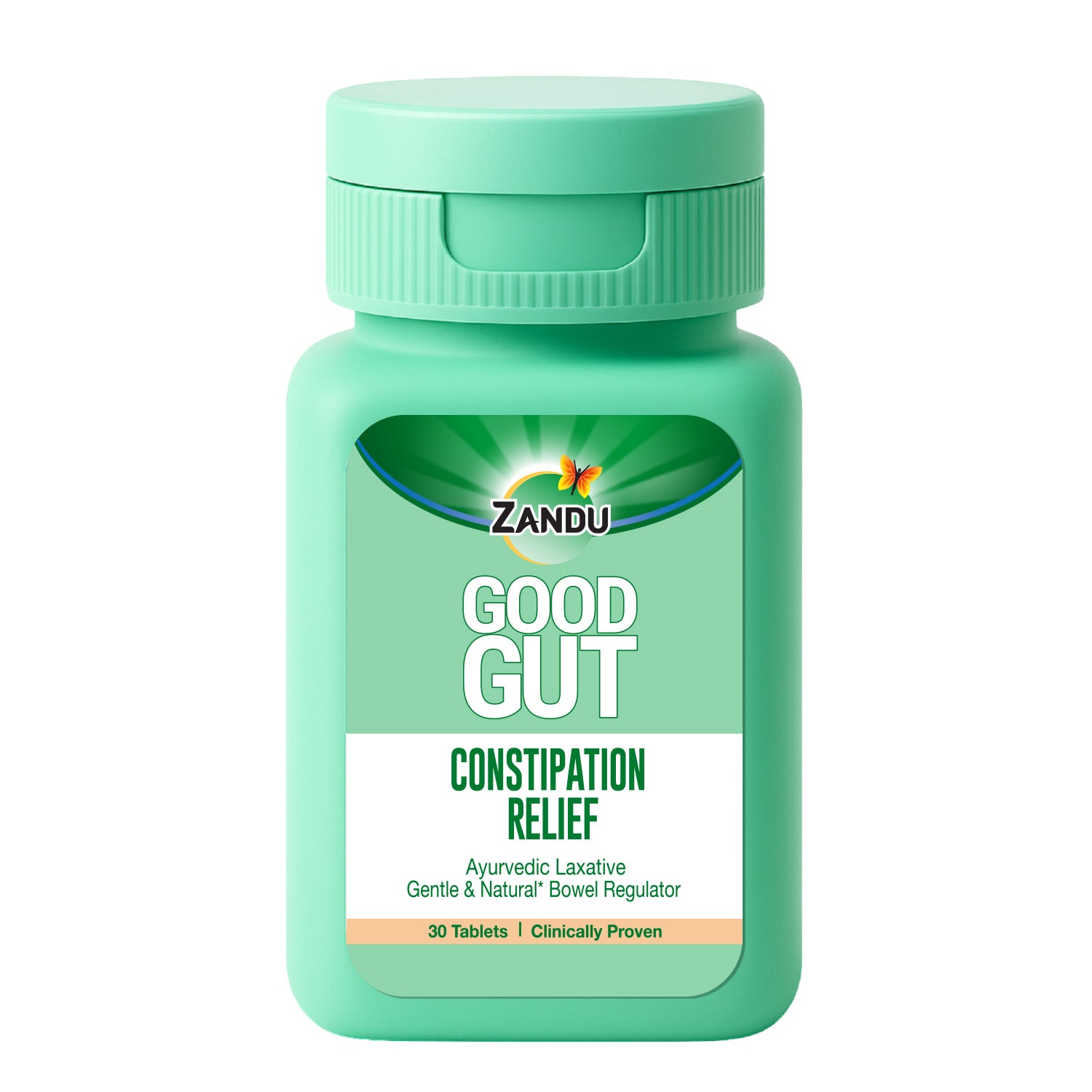
Frequent constipation? Explore Ayurvedic solutions that help improve digestion and promote smoother bowel movements.
Immediate Steps When Sour Burps Start
When sour burps begin, doing too many things at once can confuse your digestion. Keep it simple and gentle.
You can try:
- Sit upright and keep your chest open
- Loosen tight clothing around the waist.
- Take slow breaths and relax your belly.
- Sip plain water slowly if it suits you.
- Avoid lying down or bending forward after meals.
- Take a gentle walk if you feel comfortable.
- Avoid more spicy, sour, or oily food for the rest of the day.
These steps may support comfort, especially if sour burps start soon after a heavy or spicy meal. If this keeps happening often with acidity and bloating, some people also add an Ayurvedic support option like Zandu Good Gut Acidity & Bloating Relief Tablets alongside routine changes.
Its dual-action formula includes Muktashukti Bhasma (Pearl Oyster) for faster acidity comfort and GutGard® Yashti to support digestion, and it’s positioned as non-habit forming for regular use.
Sour Burps Treatment at Home: Simple Habit Changes
Home care focuses on reducing irritation and improving meal timing. It also focuses on posture and stress support.
If you want a steady approach to sour burp treatment, consider these habits:
- Eat moderate portions instead of heavy meals
- Keep meal timings steady through the day.
- Avoid long gaps followed by overeating.
- Eat slowly and chew well.
- Avoid lying down soon after meals.
- Keep dinner lighter if night symptoms are common.
- Reduce very oily, fried, or very spicy food if you see a pattern.
- Limit tea or coffee on an empty stomach if it worsens symptoms.
- Manage stress gently, especially if symptoms increase during tense periods.
Following an acid reflux diet can also help some people structure meals more comfortably. Referring to a practical acid reflux diet chart may make planning easier, especially if triggers are unclear. Identifying common acid reflux foods that worsen your symptoms can also reduce repeated discomfort.
Diet Tips for Sour Burps and Sour Taste
Food choices matter, but the way you eat matters too. Many people focus only on “what to avoid” and miss the simple habits that can help.
Helpful diet tips include:
- Choose simple, home-cooked meals when symptoms are active
- Avoid overeating, even if the food feels “light”
- Reduce very sour, very spicy, or very oily items if they trigger you.
- Avoid heavy meals late at night.
- Eat slowly and avoid rushing meals.s
- Keep the last meal earlier if night discomfort happens often.
- Avoid frequent snacking if it increases belching and heaviness.
If you notice acid reflux with a sour taste in the morning, focus on dinner timing, portion size, and avoiding lying down soon after eating.
Drinks and Daily Choices That Can Affect Sour Burps
Sometimes, sour burps are not only about food. Daily habits and drinks can play a role, too.
Things that may worsen symptoms for some people:
- Tea or coffee too close to meals, or on an empty stomach
- Fizzy drinks that increase belching
- Very sour juices
- Tobacco use
- Alcohol use
- Very late dinners
You do not have to stop everything at once. Try changing one habit at a time so you can see what truly affects you.
Home Remedies for Sour Burps and Burning Sensation
Some people prefer gentle home care for occasional symptoms. If you try home remedies, keep them mild and avoid mixing many things together.
If you are exploring home remedies for a burning sensation in the stomach along with sour burps, you can consider:
- Warm water sips, taken slowly
- Calm breathing with upright posture
- Light meals for a short period if your stomach feels irritated
- Mild digestive seed preparations, if they suit you
Some people also look into natural ways to treat acid reflux when sour burps are clearly linked to reflux-like burning.
Safety notes for home remedies:
- Start mild, not strong
- Stop any remedy that worsens burning or sourness.
- Avoid frequent use of “heaty” ingredients if burning is already present.
- If symptoms keep returning, do not rely only on home care.
Home remedies can support comfort for some people, but they should not replace medical advice when symptoms are frequent.
Stomach Burning Remedies When Sour Burps Come With Burning
Sour burps often come with a burning sensation in the stomach or chest discomfort. The goal is to reduce irritation and avoid triggers that keep the cycle going.
Gentle stomach burning remedies through routine can include:
- Regular, moderate meals
- Reduce oily and spicy foods if they trigger burning.
- Upright posture after meals
- Stress support through breathing and better sleep rhythm
- Avoiding late meals if night symptoms occur
If you keep getting stomach burning with sour burps, it is better to check the cause rather than repeatedly suppressing symptoms.
Medicines for Sour Burps: Safety Notes
Some people use over-the-counter options when symptoms feel uncomfortable. It helps to be cautious, especially if symptoms repeat.
Be careful about:
- Using acidic medicines often without medical advice
- Combining multiple medicines and home remedies
- Using painkillers frequently if your stomach is sensitive
- Ignoring repeated symptoms because short relief is available
If you feel you “need something” often, it is usually a sign that the trigger needs proper attention.
When Sour Burps May Need Medical Attention
Occasional sour burps may happen. But frequent or worsening symptoms should be checked, especially if you are over forty.
Consider medical advice if:
- Sour burps keep returning over time
- Symptoms disturb sleep, especially with acid reflux at night.
- You feel nausea, weakness, or reduced appetite.
- You have a persistent burning sensation in the stomach or chest.
- You feel symptoms even after simple meals.
- Symptoms feel new and stronger than what you are used to
A clinician can help you understand whether it is mainly reflux-like irritation, stomach lining irritation, food sensitivity, or something else.
Red Flags You Should Not Ignore
Some signs should not be managed only at home. These need timely medical advice.
Seek medical attention if you notice:
- Severe or persistent pain
- Repeated vomiting
- Blood in vomit or stools
- Black stools
- Unexplained weakness or fainting feeling
- Difficulty swallowing or pain while swallowing
- Ongoing weight loss without trying
- Fever with stomach symptoms
If you have these red flags, do not delay.
How a Clinician May Assess Sour Burps
A clinician usually starts by understanding your pattern, triggers, and lifestyle. The aim is to find what is driving the sour burps rather than only treating the surface symptom.
You may be asked about:
- Meal timing and portion size
- Spicy, oily, and late-night eating habits
- Tea, coffee, tobacco, and alcohol use
- Sleep routine and night-time symptoms
- Stress levels and daily schedule
- Current medicines, especially pain medicines
- Whether you have throat irritation, a sour taste, or burning
Based on your symptoms, tests, or treatment, changes may be suggested.
Preventing Repeat Episodes With Simple Daily Habits
Prevention is usually about consistency. Small daily choices often matter more than occasional “quick fixes”.
Helpful prevention habits include:
- Keep meals regular and moderate
- Eat slowly and chew well.
- Avoid overeating, especially in the evening.
- Avoid lying down soon after meals.
- Reduce spicy and oily triggers if you see a pattern.
- Keep dinner lighter if night discomfort is common.
- Manage stress gently through breathing and a better sleep routine.
- Avoid frequent self-medication if symptoms repeat.
If you stay stuck in a pattern of repeated discomfort, it is worth checking the root cause and getting proper guidance.
Conclusion
Sour burps (khatti dakaar) can be uncomfortable, especially when they come with a burning sensation in the stomach, sour taste in the mouth, or nighttime disturbance. Mild, occasional symptoms may improve when you focus on meal timing, portion control, upright posture after meals, and gentle stress management.
If symptoms keep returning, feel stronger than usual, or come with warning signs, it is better to speak to a clinician and identify the cause early.
References

Written by

Zanducare
India’s trusted name in Ayurvedic wellness, offering time-tested solutions for today’s health and lifestyle needs. With formulations rooted in classical Ayurvedic texts and crafted using pure natural ingredients, we bring holistic care into your everyday routine.
Research by



Leave a comment
This site is protected by hCaptcha and the hCaptcha Privacy Policy and Terms of Service apply.