












Feeling Sluggish All Day: Is Your Gut The Reason? Causes & What To Do
Feeling low on energy from morning to night can make even simple tasks feel difficult. You may describe it as feeling sluggish, slow, or not fully “switched on”, even after rest.
Sometimes this tiredness is linked to food and digestion. At other times, it has nothing to do with the gut at all. This guide will help you understand possible digestive causes, other common reasons, and what you can do in a steady, safe way.
Ayurvedic View of Sluggishness And Digestive Heaviness
Ayurveda often links sluggishness to digestive strength and daily routine. The focus is usually on improving digestive comfort, reducing heaviness, and supporting better energy through steady habits.
In simple terms, Ayurvedic care often focuses on:
- Eating in a routine so digestion stays stable
- Choosing foods that feel easy to digest
- Avoiding overeating and heavy late meals
- Keeping the mind calm during meals
- Supporting regular bowel movement
If you prefer personalised guidance, speaking to a qualified Ayurvedic clinician of Zanducare can help you understand which routine changes suit you best.
Along with these routine-based steps, some people also choose supportive approaches such as a gentle gut cleanse when they feel persistent digestive heaviness. These routine-based steps, some people also choose an Ayurvedic gut-support option like Zandu Good Gut Cleanse & Detox Shots, which is made using a fermented Arishta process and includes a prebiotic and postbiotic blend.
If you plan to try any such product, read the label carefully and avoid combining multiple gut or acidity products at the same time without advice.
Feeling Sluggish All Day: When It Is More Than Normal Tiredness
It is normal to feel tired on busy days. But if you feel drained most days, it is worth looking at patterns, not just pushing through.
You may notice:
- Low energy that lasts through the day
- Heavy head, low focus, and low interest in work
- Feeling dull after meals and not recovering later
- Feeling constantly tired and lethargic, even with rest
- Mood changes, such as irritability, may occur because you feel tired.
If you are feeling lethargic and sleepy all the time, it helps to look at digestion patterns and even early signs of an unhealthy gut, because a subtle gut imbalance can sometimes affect energy.
How Your Gut and Energy Can Be Connected
Your gut does more than digest food. It also affects how you feel after eating, how well you sleep, and how your body handles stress.
When digestion feels heavy or uncomfortable, it may show up as:
- Post-meal sleepiness and heaviness
- Bloating and a tight belly feeling
- Low appetite or irregular hunger
- A sense of tiredness that follows meals
Some people clearly notice feeling sleepy after eating, especially when meals are large or heavy.
This does not mean the gut is always the main cause. But if your tiredness has a clear food pattern, your digestion deserves attention.
Common Gut-Related Reasons You May Feel Sluggish
Many people feel sluggish because meals are not suiting their digestion, timing, or portion size. These are common gut-related factors to consider.
Heavy Meals and Slow Digestion
Heavier meals can feel satisfying, but they may also leave you dull and sleepy. This often shows up as clear post-meal heaviness that lingers for hours.
This can be more likely when meals are:
- Very oily or fried
- Very large portions
- Eaten quickly without proper chewing
- Taken late in the day and followed by rest
If you regularly eat sleepy abe, it is one of the reasons for feeling lethargic and tired, even though the real issue is how the meal is being processed.
Irregular Meal Timing and Long Gaps
Long gaps can make you overeat later. That cycle can stress digestion and increase heaviness.
You may notice:
- Feeling weak before meals, then too full after eating
- Sleepiness after eating because the portion becomes large
- Cravings for strong tea or sugary snacks to “wake up.”
A steadier routine often feels easier on the gut than extreme gaps and sudden heavy meals.
Bloating and Gas That Drain Your Energy
Bloating not only causes discomfort. It can also make you feel slow and tired.
Common signs include:
- Belly tightness and frequent belching
- Feeling full very quickly
- Uneasiness after normal meals
- Tiredness along with heaviness
Improving daily habits and learning how to improve gut health in simple ways may help reduce this pattern over time.
Constipation and Incomplete Bowel Movement
When bowel movement is not regular, many people feel heavy, foggy, and low in energy.
Constipation may also come with:
- Gas and bloating
- Loss of appetite
- Feeling dull after meals
- A sense of heaviness in the lower belly
In some people, long-term imbalance may overlap with concerns sometimes described as leaky gut symptoms, though proper evaluation is important before assuming this.
Reflux-Like Irritation and Poor Sleep
If you have reflux-like discomfort, nighttime symptoms can disturb sleep. Poor sleep can make you feel tired all day, even if your digestion seems fine during the day.
You may notice:
- Sour burps, burning, or throat irritation at night
- Restlessness after dinner
- Tiredness the next morning and throughout the day
In some people, this becomes one of the reasons for feeling lethargic all the time, because sleep quality keeps dropping.
Food Sensitivity and Overprocessed Foods
Some people feel low and heavy after certain foods, even in small amounts. This can be hard to spot because it looks like “normal tiredness”.
Possible clues include:
- Sleepiness after specific meals
- Bloating or tightness after certain foods
- Feeling better on simpler, home-cooked food
- Feeling worse after packaged or very rich foods
You do not have to label it as an “allergy” to take it seriously. Noticing patterns is enough to start.
Tight Feeling in Upper Stomach After Eating: What It May Mean
A tight feeling in the upper stomach after eating can feel like pressure or heaviness. In some people, it overlaps with upper stomach discomfort that keeps recurring after meals.
Common gut-related possibilities include:
- Eating too fast and swallowing extra air
- Eating until you feel too full
- Very oily meals that sit heavily
- Gas build-up in the upper belly
- Reflux-like irritation in some people
What you can do first:
- Eat more slowly and chew more
- Keep portions moderate
- Avoid lying down soon after meals
- Keep dinner lighter if night discomfort is common
- Reduce oily and very spicy meals if they trigger tightness
If tightness is frequent, severe, or comes with chest pain, repeated vomiting, faintness, or breathlessness, it should not be managed only at home.
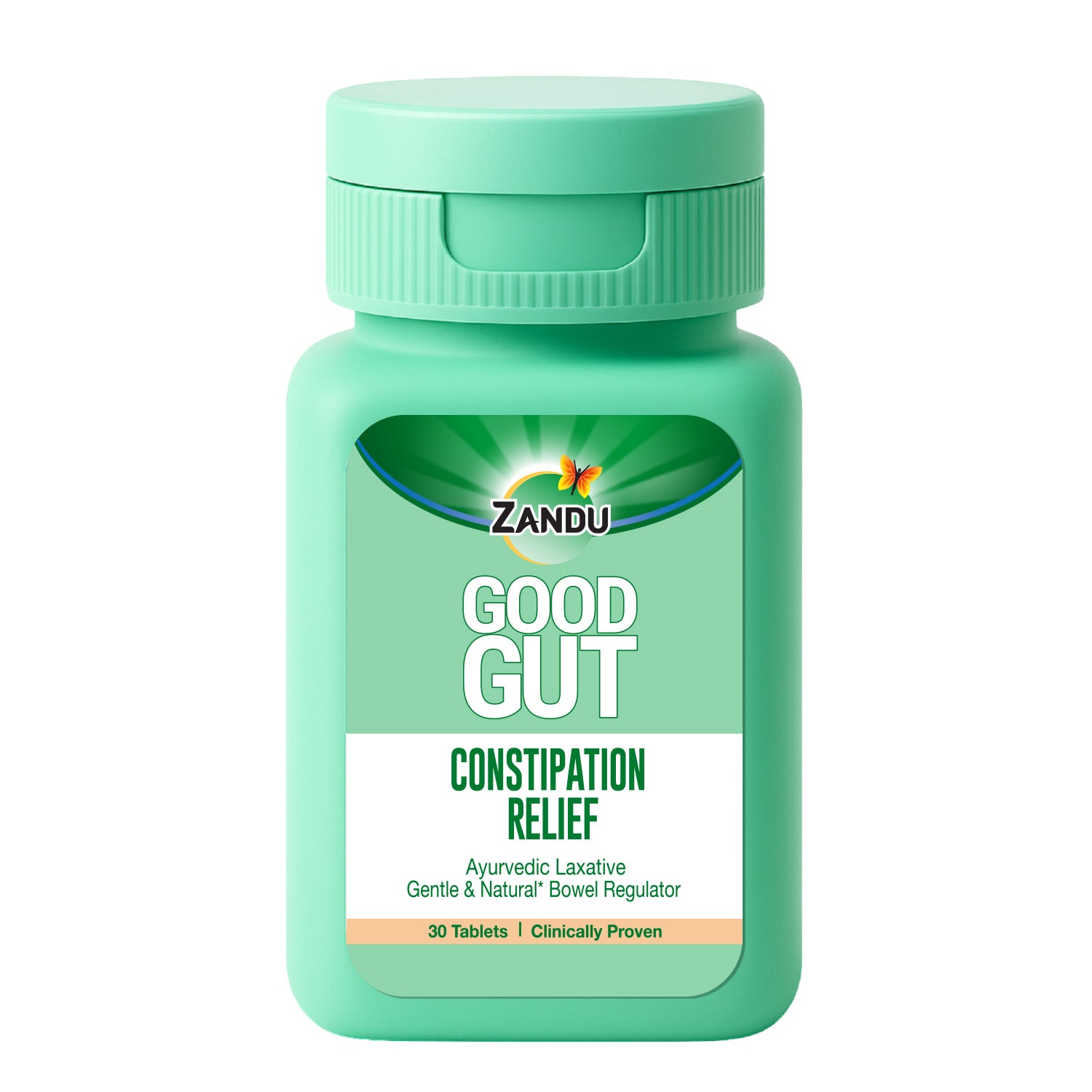
Frequent constipation? Explore Ayurvedic solutions to support your digestive system and maintain healthy elimination.
Reasons for Feeling Lethargic All the Time Beyond the Gut
Even if digestion plays a role, it may not be the full reason. Many people feel low-energy because of sleep, stress, and health issues that need checking.
Possible non-gut reasons for feeling lethargic and tired include:
- Poor sleep quality or irregular sleep timing
- High mental stress and continuous worry
- Dehydration and low daily fluid intake
- Low protein intake or unbalanced meals
- Low iron or vitamin levels in some people
- Thyroid-related issues in some people
- Blood sugar swings in some people
- Long-term pain or inflammation strain
Side effects of certain medicines in some people include feeling lethargic and tired all the time; do not assume it is only digestion. It is safer to look at the full picture, especially if this is new for you.
How to Improve Gut Health in a Simple Daily Way
Improving digestion often starts with routine, not fancy products. If you want to know how to improve gut health, focus on habits you can repeat without stress.
Eat in a Calm and Steady Way
Digestion often works better when you eat with attention, not in a rush.
Helpful habits include:
- Eat at similar times most days
- Chew well and avoid fast eating.
- Avoid overeating, especially at dinner.
- Reduce frequent snacking if it increases bloating
Choose Meals That Feel Lighter on Your Stomach
You do not need complicated rules. Notice which meals leave you comfortable.
Many people feel better with:
- Home-cooked food that is warm and freshly prepared
- Less oily, less heavy meals on tired days
- Balanced meals instead of only carbs or only snacks
Including natural probiotic foods in moderation may also support digestive balance over time. Some people also look at ways to increase good gut bacteria naturally through food and routine rather than quick fixes.
Support Regular Bowel Movement
A regular bowel routine supports comfort and appetite.
You can support it by:
- Eating enough fibre in a way that suits your body
- Drinking fluids steadily through the day
- Adding gentle movement like walking
- Avoiding very late dinners if mornings feel heavy
If constipation is long-term or severe, speak to a clinician before trying frequent laxatives or strong home remedies.
Move a Little After Meals
A short, gentle walk after meals can feel supportive for many people, especially if you get bloated or heavy. Creating a simple post-meal routine may reduce heaviness and help you feel more alert.
Try:
- Light walking after eating
- Upright sitting instead of lying down
- Gentle stretching only if it feels comfortable
Movement is often a simple answer to how to stop feeling sluggish after eating, especially when heaviness is the main issue.
Manage Stress Around Meal Time
Stress can affect digestion in many people. Some lose their appetite, while others overeat and feel heavy.
Supportive steps:
- Take a short pause before meals
- Eat without arguments, phone calls, or rushing.
- Try slow breathing if you feel tense.
These are small changes, but they can reduce the “tight belly + tired” feeling.
How to Stop Feeling Sluggish After Eating
If your main problem is that you eat and then feel dull, your goal is to reduce digestive load and support smoother digestion.
You can try:
- Keep lunch moderate instead of very heavy
- Avoid overeating, even if the food is tasty.
- Reduce very oily meals if they make you sleepy
- Eat slowly. and chew properly
- Avoid lying down soon after eating
- Keep dinner lighter if nighttime heaviness is common.
- Choose simpler meals on days you already feel tired.
- Avoid strong tea or coffee on an empty stomach if it worsens your stomach discomfort.
If you feel sleepy after most meals, it can be one of the reasons for feeling lethargic all the time, because your body never fully recovers energy after eating.
When to See a Doctor
If tiredness is frequent, increasing, or affecting daily life, it is better to get medical advice instead of guessing the cause.
Consider medical advice if:
- You have been feeling constantly tired and lethargic for a long time
- You feel lethargic and sleepy all the time, even after rest
- You have dizziness, faintness, or weakness with normal activity.
- You have ongoing upper belly tightness, pain, or repeated vomiting.
- You have appetite loss or unexplained weight changes.
- You notice black stools, blood in stools, or blood in vomit.
- You have chest pain, breathlessness, or sweating with discomfort.
- Your sleep is often disturbed by reflux-like symptoms.
A clinician can help decide whether digestion is the main reason or whether other checks are needed.
Conclusion
Feeling sluggish all day can be draining, especially when it starts affecting work, mood, and routine. If your tiredness has a strong meal link, your gut may be part of the reason, particularly when you also notice bloating or a tight feeling in the upper stomach after eating.
Start with steady meal timing, moderate portions, calmer eating, simple home-cooked food, and gentle movement after meals.
If you feel lethargic and sleepy all the time, or if symptoms are persistent or worrying, it is safer to see a clinician and understand the real cause early.
References
1. The role of IL-1 in postprandial fatigue(https://pmc.ncbi.nlm.nih.gov/)
2. Postprandial symptoms in disorders of gut-brain interaction and their potential as a treatment target(https://pubmed.ncbi.nlm.nih.gov/)

Written by

Zanducare
India’s trusted name in Ayurvedic wellness, offering time-tested solutions for today’s health and lifestyle needs. With formulations rooted in classical Ayurvedic texts and crafted using pure natural ingredients, we bring holistic care into your everyday routine.
Research by



Leave a comment
This site is protected by hCaptcha and the hCaptcha Privacy Policy and Terms of Service apply.