






Acid Reflux Diet: Foods to Eat, Foods to Avoid, Meal Timing & Indian Food Chart
If you get burning in the chest, sour burps, or a bitter taste in the mouth after meals, your daily food choices matter a lot. An acid reflux diet is not about “one perfect list” that suits everyone. It is about noticing what triggers you, choosing calmer meals, and fixing meal timing.
In this guide, we will share acid reflux foods to avoid, acid reflux foods to eat, an easy acid reflux food chart, Indian meal examples, and simple timing rules that many people find easier to follow at home.
What an Acid Reflux Diet Tries to Do
An acid reflux diet focuses on reducing foods and habits that push stomach contents upward or irritate the oesophagus. It also focuses on meals that feel light and steady for digestion.
If you want a clearer explanation of how acid reflux happens inside the body, that background makes these diet rules easier to follow.
Instead of strict rules, think of it as a calm stomach routine you can actually follow.
Signs Your Food May Be Triggering Acid Reflux
If reflux comes and goes, a few patterns usually show up. These signs help you connect symptoms with meals without overthinking.
- Burning or sour burps after heavy, oily, or spicy food
- Symptoms that get worse when you lie down soon after dinner
- Reflux that is stronger after tea/coffee on an empty stomach (in some people)
- Bitter or sour taste in the mouth, especially in the morning
- Feeling of food coming back up when bending after meals
- Night-time cough or throat irritation after a late or heavy dinner
You can review detailed acid reflux symptoms if you are unsure whether your discomfort fits reflux patterns.
Meal Timing Rules That Make a Big Difference
Even good food can cause trouble when timing is poor. Timing is a major part of an acid reflux diet, especially for people who struggle with reflux at night.
Here are simple timing habits many people find realistic:
- Keep Meals Regular: Try not to skip meals and then eat very heavy at night.
- Make Lunch The Main Meal: A heavier lunch and lighter dinner often feels easier than the other way around.
- Avoid Very Late Dinner: Late meals commonly worsen night reflux for many people.
- Leave A Gap Before Sleep: Try to avoid eating and sleeping immediately.
- Reduce Continuous Snacking: Constant snacks can keep the stomach busy all day and may worsen discomfort in some people.
- Avoid Bending After Meals: If you need to pick something up, squat instead of bending forward right after eating.
Small adjustments in timing are often among the more practical natural ways to treat acid reflux.
Acid Reflux Foods to Avoid
Foods that trigger acid reflux can vary from person to person. Still, some foods are common culprits because they are heavy, very spicy, very oily, very sour, or irritating for a sensitive stomach.
Use this list as a testing guide. You do not need to remove everything at once.
Foods That Often Trigger Acid Reflux
- Deep-Fried Snacks: samosa, pakoda, kachori, chips, puri
- Very Oily Gravies: heavy butter/oil-based masalas, creamy gravies, rich restaurant-style curries
- Very Spicy Food: extra chilli, hot chutneys, spicy street food
- Very Sour Items: strong pickles, vinegar-heavy food, too much lemon in one go (some people feel worse)
- Tomato-Heavy Meals: Very tomato-rich gravies or sauces can irritate some people
- Raw Onion: can trigger reflux in some people, especially at night
- Bakery And Packaged Foods: biscuits, cakes, namkeen, instant noodles
- Carbonated Drinks: soda and fizzy drinks often worsen burping and reflux
- Strong Tea/Coffee: especially on an empty stomach, or late in the evening (not everyone, but many report it)
Very spicy meals can also lead to stomach burning after eating spicy food.
If burning is frequent, reviewing the common causes of stomach burning may give more clarity.
Best Foods to Eat for Acid Reflux Relief
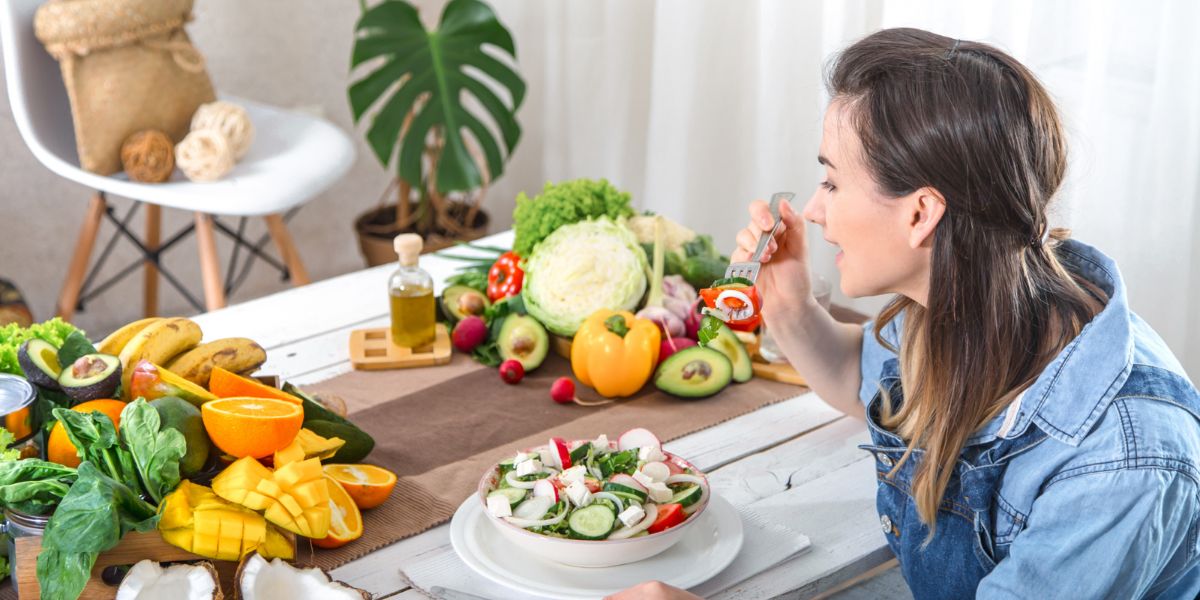
Best foods for acid reflux are usually simple, warm, and not overloaded with oil and spice. Many Indian home foods already fit this style when cooked lightly.
Think: soft texture, mild seasoning, steady meals.
Foods That Often Feel Easier on the Stomach
- Plain Rice With Thin Dal: moong dal or masoor dal cooked lightly
- Khichdi: especially moong dal khichdi with mild spices
- Well-Cooked Vegetables: lauki, pumpkin, tinda, ridge gourd, carrot, beans (not overly spicy)
- Soft Phulka With Light Sabzi: less oil, less chilli
- Idli With Mild Sambar: keep the sambar less spicy and not too sour
- Daliya (Broken Wheat): porridge-style or upma-style with mild tadka
- Vegetable Soup: simple, not very spicy
- Curd/Buttermilk: some people feel better, others feel worse (try and observe; avoid late night if it triggers you)
If you are in an active reflux phase, warm and soft foods usually feel more soothing than raw, cold, and crunchy foods.
Core Principles of an Acid Reflux Diet
An acid reflux diet focuses on easing digestion and reducing the chances of backflow into the esophagus. Small, consistent habits in what you eat, how much you eat, and when you eat can make a noticeable difference.
When active stomach burning is present, softer meals are generally more comfortable than raw or fried food.
Eat Light, Warm, and Fresh Meals
Choose light, warm, freshly cooked foods that feel easy on your stomach. Warm meals are often gentler than very cold foods, and freshly prepared dishes may feel less heavy than leftover, oily, or highly processed foods.
Importance of Portion Control
Portion size matters because a very full stomach can push contents upward and worsen reflux. Keep meals moderate, and consider smaller dinners so digestion stays comfortable through the evening.
Why Meal Timing Matters
Try to eat at steady times and avoid late-night meals. Give your body time to digest before lying down, and keep a gap of 2-3 hours between dinner and sleep to reduce the chance of backflow.
Cooking Methods That Reduce Reflux
Prefer simple cooking styles like boiling, steaming, pressure cooking, and light sautéing. Reduce deep-frying and very spicy or oily preparations, as these can feel heavier and may trigger burning or regurgitation in sensitive people.
Acid Reflux Food Chart
A food chart makes it easier to decide without daily confusion. This is a simple Indian acid reflux food chart you can use as a reference.
|
Category |
Acid Reflux Foods To Eat (Usually Gentler) |
Acid Reflux Foods To Avoid (Common Triggers) |
Easy Indian Swap |
|
Breakfast |
Idli, plain dosa, upma (light oil), daliya |
Deep-fried breakfast, very spicy poha, bakery items |
Idlis instead of fried snacks |
|
Lunch |
Rice + thin dal + cooked sabzi |
Heavy, oily gravies, very spicy curries |
Thin dal instead of rich curry |
|
Snacks |
Roasted makhana, light murmura, banana |
Chips, namkeen, bakery snacks, cola |
Roasted makhana instead of chips |
|
Dinner |
Khichdi, soup + phulka, soft rice + dal |
Late heavy dinner, fried food, extra chilli |
Khichdi instead of an oily dinner |
|
Drinks |
Warm water sips, mild jeera water |
Fizzy drinks, strong tea/coffee late |
Warm water instead of soda |
|
Condiments |
Mild chutney, small portion |
Very sour pickles, very spicy chutney |
Mild chutney instead of pickle |
Foods That Help When Acid Reflux Is Acting Up
When burning is strong, your stomach usually needs a “rest day” from heavy flavours. This is when simple food can feel like the best home support.
Try meals that are warm, soft, mild, and not oily.
- Soft moong dal khichdi
- Rice with thin dal and lauki/pumpkin
- Vegetable soup with phulka
- Idli with mild sambar (less spice)
- Plain daliya
If burning continues, some people explore gentle remedies for stomach burning, but repeated symptoms should not be ignored.
If diet correction alone does not help, structured remedies for acid reflux may be discussed along with professional guidance.
Indian Meal Examples for a Calm Day
These meal examples are practical for Indian kitchens. You can rotate them based on what is available locally.
Choose smaller portions if overeating triggers you.
Option One: Simple North Indian Style
- Breakfast: daliya upma or besan chilla (light oil)
- Lunch: rice + thin moong dal + lauki sabzi
- Evening: roasted makhana or a banana
- Dinner: moong dal khichdi + cooked vegetable
Option Two: Simple South Indian Style
- Breakfast: idlis with mild sambar
- Lunch: rice + rasam-style thin dal + cooked sabzi
- Evening: light snack like murmura (if it suits you)
- Dinner: vegetable soup + soft dosa (less spice) or soft rice + dal
Option Three: Mixed And Travel-Friendly
- Breakfast: poha (less oil, mild spice)
- Lunch: roti + simple dal + plain sabzi
- Evening: coconut water or warm water sips
- Dinner: khichdi or curd rice (only if curd suits you)
If reflux is mainly at night, focus most on dinner changes. That is where many people get the fastest improvement in comfort.
Tea and Coffee Tips Without Overreaction
Many people in India start the day with tea. The issue is not always tea itself. The issue is often tea timing and what you eat with it.
Try these gentle shifts:
- Avoid strong tea on an empty stomach if it triggers burning
- Have tea after a light breakfast, not before
- Avoid tea very late in the evening if you get acid reflux at night
- Limit very spicy snacks with tea (pakoda + tea is a common reflux trigger)
- Choose lighter snacks like roasted makhana instead of oily namkeen
You do not need to quit everything. You need smarter timing.
Cooking Style Changes That Reduce Reflux Triggers
Sometimes you are eating “home food”, but the cooking style is still heavy. Small kitchen changes can make the same meal feel lighter.
- Use less oil in tadka
- Reduce extra chilli and red chilli powder during active symptoms
- Use mild spices like jeera and a small pinch of hing (if it suits you)
- Avoid very sour gravies for some time
- Cook vegetables well (half-cooked veggies can feel heavy to some people)
- Keep dinner simpler than lunch
A calm cooking style is a big part of the acid reflux diet.
Foods That Trigger Acid Reflux in Real Life
People often ask, “Which foods trigger acid reflux the most?” In Indian daily life, these patterns show up again and again.
- Late-night spicy dinner + sleep soon after
- Fried snacks at tea time + strong tea
- Heavy restaurant gravies + sweets after meals
- Pickles and very sour chutneys taken frequently
- Packaged snacks and carbonated drinks during travel
If you want the quickest results, start by reducing the triggers that happen most often in your routine.
Common Mistakes People Make on an Acid Reflux Diet
Many people do “healthy eating” but still feel reflux because of small mistakes that push acid upward.
- Skipping Meals: Then eating a heavy dinner
- Overeating Healthy Food: Even khichdi can cause trouble if the portion is too big
- Sleeping Soon After Dinner: A common cause of acid reflux at night
- Trying Too Many Home Remedies Together: lemon water, ginger, spices, milk, soda—this can irritate digestion
- Bending Or Lifting Right After Eating: increases pressure on the stomach
- Very Tight Waistband After Meals: increases abdominal pressure and can worsen reflux
Fixing these mistakes often helps more than searching for “one magic food”.
When Diet Alone Does Not Feel Enough
Diet and timing are the bases. But if symptoms keep returning, it is better to take a structured approach instead of guessing.
If you want personalised Ayurvedic guidance, many people consider a ZanduCare consultation with expert Ayurvedic doctors. The service is described as private, and people use it to discuss symptoms, triggers, and a routine that fits their daily life.
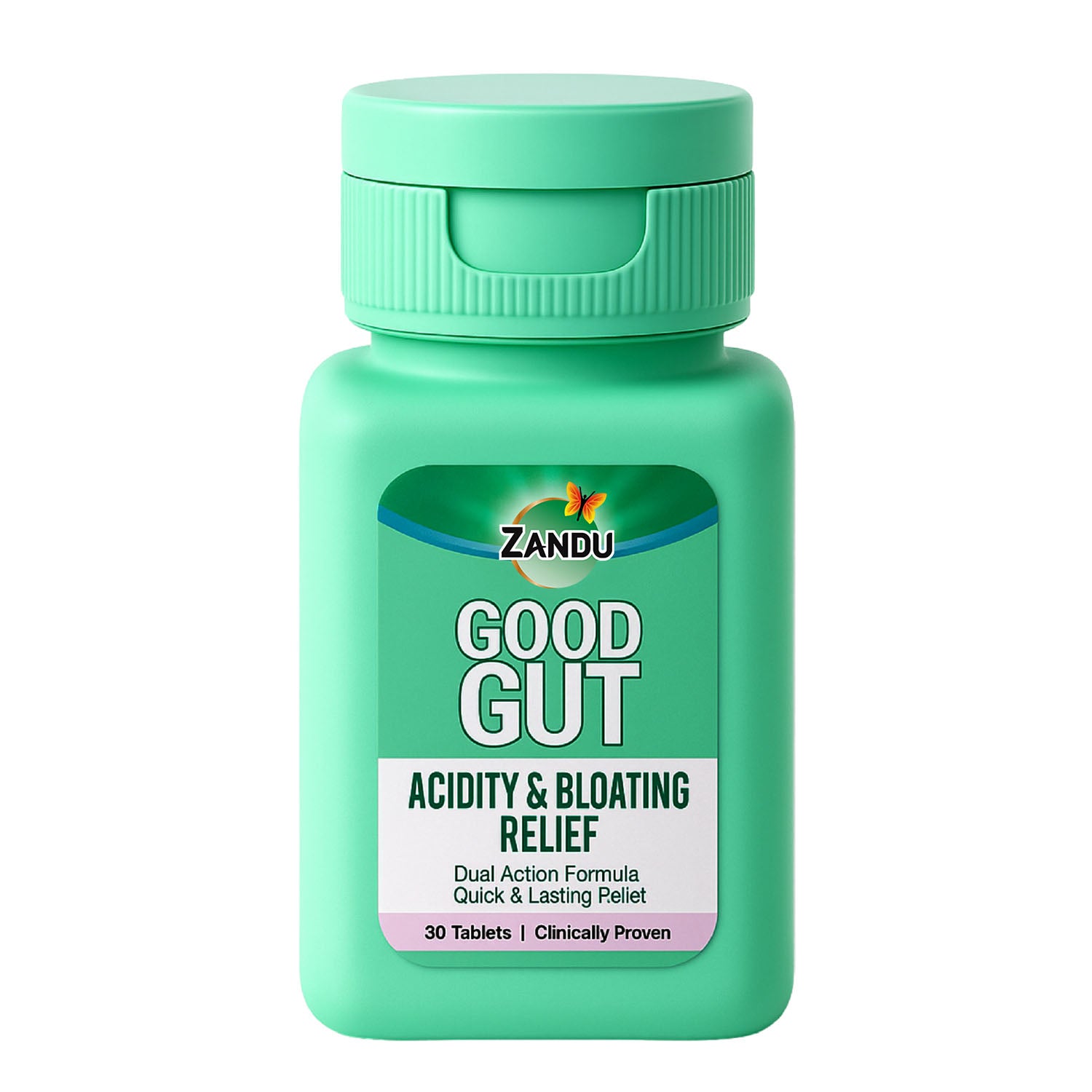
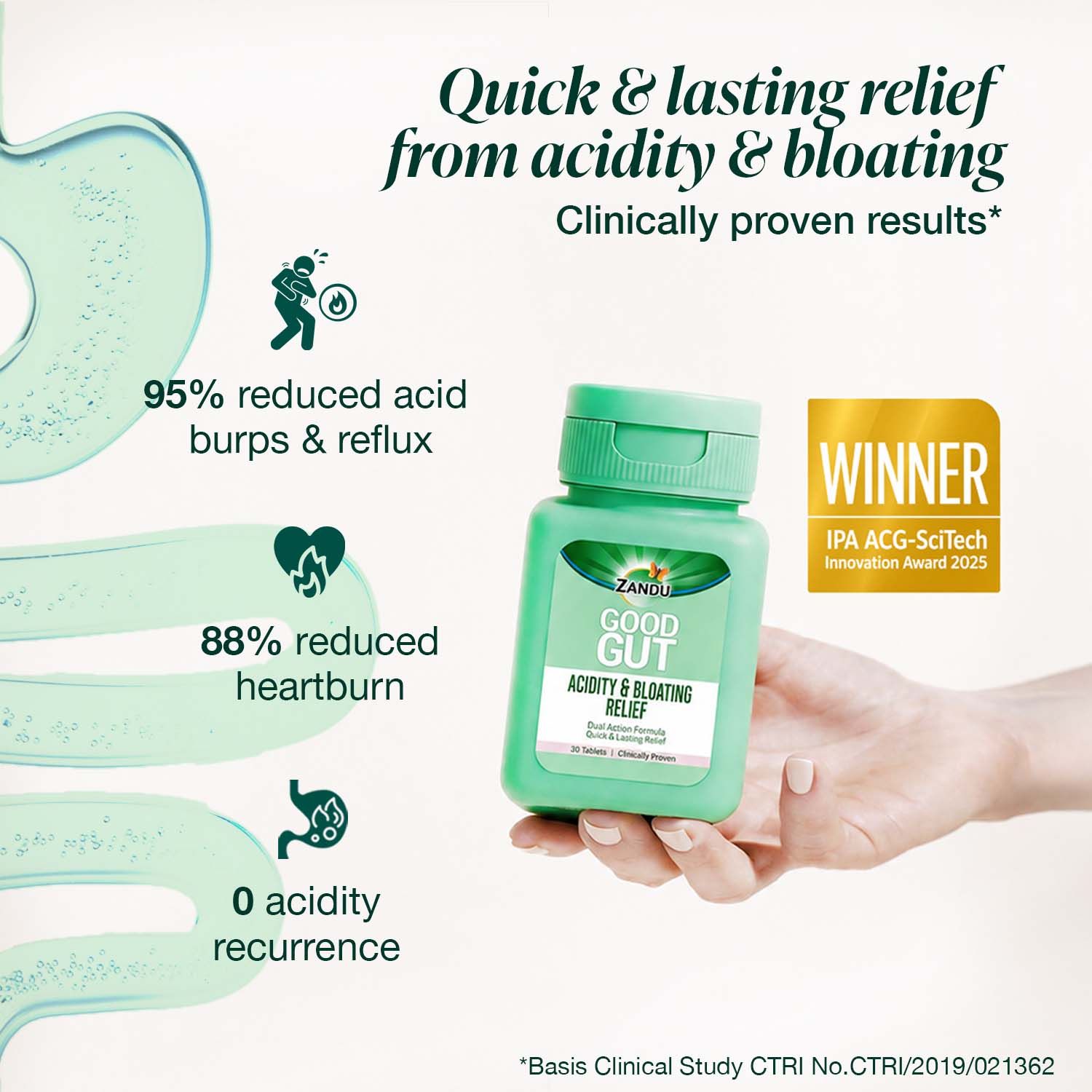
Some people who get acidity along with gas and bloating also talk to a professional about options like Acidity & Bloating Tabs as part of an Ayurvedic plan. This is especially relevant when people want a consistent routine rather than repeated short-term comfort steps. If you take other medicines, have frequent night symptoms, or feel unsure, it is safer to discuss suitability with a qualified doctor.
Also, if you have red-flag symptoms like trouble swallowing, black stools, vomiting blood, severe chest pain, or serious breathlessness, home diet changes should not be the only step. Medical care is important.
Conclusion
An acid reflux diet works best when it is simple and steady: lighter meals, earlier dinner, fewer trigger foods, and calm cooking. Use the acid reflux food chart as a guide, but observe your personal triggers because each body reacts differently.
If reflux is worse at night, focus on dinner timing, portion size, and staying upright after meals. And if symptoms keep repeating or feel worrying, a structured plan through a ZanduCare consultation can help you make better choices and discuss whether options like Acidity & Bloating Tabs suit your needs.
References
1. Dietary Intake in Relation to the Risk of Reflux Disease: A Systematic Review https://pmc.ncbi.nlm.nih.gov/articles/PMC8747955/
2. Functional Food in Relation to Gastroesophageal Reflux Disease (GERD) https://pmc.ncbi.nlm.nih.gov/articles/PMC10458865/

Written by

Zanducare
India’s trusted name in Ayurvedic wellness, offering time-tested solutions for today’s health and lifestyle needs. With formulations rooted in classical Ayurvedic texts and crafted using pure natural ingredients, we bring holistic care into your everyday routine.
Research by




Leave a comment
This site is protected by hCaptcha and the hCaptcha Privacy Policy and Terms of Service apply.