











Feeling Lethargic After Meals: Digestive Causes & How to Fix It
Feeling heavy, dull, or sleepy after eating can feel frustrating, especially when you still have work to do. Many people describe it as feeling lethargic, sluggish, or even sleepy soon after meals.
This guide explains digestive reasons behind post-meal tiredness, why some people feel a tight feeling in the upper stomach after eating, and gentle Ayurvedic-style fixes you can try through food, routine, and mindful habits.
What Post-Meal Lethargy Feels Like
Post-meal lethargy is not just “normal sleepiness”. It often feels like your body is slowing down more than expected after food.
You may notice:
- Sleepiness soon after lunch or dinner
- Heavy head or low alertness
- A dull, “draggy” feeling in the body
- Reduced focus and low motivation
- A tight, heavy, or bloated feeling in the upper belly
- Burping, gas, or mild discomfort with tiredness
- Mood irritation because you feel low-energy
If this happens now and then, it may be linked to meal timing or portion size. If it happens frequently, it may overlap with patterns of post-meal heaviness or even broader low-energy after-meals concerns that need attention.
Why You May Feel Sleepy After Eating
Your body naturally shifts energy towards digestion after meals. When digestion feels heavy, the “energy dip” can feel stronger.
Common reasons include:
- Large or heavy meals that take longer to digest
- Eating too fast, leading to bloating and discomfort
- Oily, fried, or very rich foods
- Excessive refined carbs that leave you feeling low soon after
- Eating late, when the body prefers rest
- Low water intake, leading to sluggish digestion
- Poor sleep, which makes any post-meal dip feel worse
This is also why some people feel lethargic and sleepy even after a normal meal when their routine is already strained.
Digestive Reasons You Feel Lethargic After Meals
Digestive discomfort and tiredness often travel together. When digestion feels slow, the body can respond with heaviness and reduced alertness.
Heavy Digestion and Slower Gut Movement
When your stomach feels full, you may feel sleepy and dull.
Signs that point to this pattern:
- Heaviness after meals
- Bloating and frequent burping
- Reduced interest in the next meal
- A need to lie down after eating
Over time, these may also connect with broader signs of an unhealthy gut if digestion repeatedly feels strained.
Tight Feeling in Upper Stomach After Eating
A tight feeling in the upper stomach after eating may feel like pressure, fullness, or a “stuck” sensation. In some cases, this may relate to upper stomach discomfort that repeats with heavy meals.
Possible digestive links include:
- Eating quickly and swallowing extra air
- Very dry meals with low fluids
- Oily meals that sit heavily
- Acid-related irritation in some people
- Gas build-up and bloating
If the tightness is strong, repeated, or comes with vomiting, chest pain, or breathlessness, do not self-manage for long.
Acid-Related Discomfort
Sometimes, acidity or reflux-like irritation makes you feel drained. You may not feel “pain”, but your body still feels unsettled.
You may notice:
- Burning sensation in the upper belly
- Sour belching
- Throat irritation
- Discomfort that worsens when you lie down
When the digestive tract feels irritated, the body can feel low and fatigued after meals.
Gas, Bloating, and Fermentation
Gas is common when digestion is irregular. It can make you feel dull and uncomfortable, and you may feel like resting instead of moving.
Common triggers:
- Eating too fast
- Eating while stressed
- Mixing heavy foods that do not suit you
- Very sweet or processed items in excess
If bloating is stronger in the morning, exploring morning bloating causes may help you identify patterns. If it worsens later in the day, adjusting your bedtime bloating routine can also support comfort.
Lifestyle Reasons That Add to Post-Meal Sleepiness
Meals are one part of the picture. If your baseline energy is already low, you may feel tired after eating even when the meal is not heavy.
Poor Sleep and Irregular Routine
If sleep quality is low, your body may respond with daytime fatigue after meals. The meal becomes a “trigger point” for sleepiness.
Look at:
- Late nights
- Broken sleep
- Sleeping right after a heavy dinner
- High screen use close to bedtime
Stress and Mental Load
Stress can change digestion for many people. Some feel acidity. Some feel bloated. Some feel appetite and tiredness.
If you notice tiredness after meals, mostly on stressful days, focus on calming habits around eating.
Low Movement Through the Day
A fully desk-bound day can make digestion slower. Lack of movement may increase heaviness after meals.
A gentle walk after meals often feels easier than lying down, especially if you feel bloated and sleepy.
Reasons for Feeling Lethargic All the Time
If you feel low-energy beyond meals, it is important to widen the lens. Reasons for feeling lethargic all the time may include diet gaps, low sleep, chronic stress, or health issues that need checking.
Common possibilities to consider:
- Poor sleep quality over time
- Low protein or poor meal balance
- Dehydration
- Low iron or vitamin levels in some people
- Thyroid-related concerns in some people
- Blood sugar swings in some people
- Ongoing inflammation or long-term stress strain
If you often feel lethargic and tired all the time, do not assume it is only digestion. A clinician can help decide whether tests are needed.
Ayurvedic View of Post-Meal Lethargy
Ayurveda often links post-meal heaviness to the strength of digestion and the way food is taken.
You may hear terms like:
- Agni: digestive strength
- Ama: undigested residue that can build when digestion is weak
- Kapha tendency: heaviness, sluggishness, and sleepiness, especially after heavy foods
If digestive sluggishness repeats, some people consider a structured gut cleanse approach as part of a broader routine support.
This does not mean you need complex routines. The Ayurvedic approach is often about simplifying meals, improving routine, and eating in a way your body can handle. If you feel this heaviness frequently, especially with acidity, bloating, or constipation, some people also consider a structured gut reset option like Zandu Good Gut Cleanse & Detox Shots, which uses a fermented Arishta process and is designed as a 45-day cleanse-and-restore course to support gut balance over time.
How to Stop Feeling Sluggish After Eating
If your main concern is how to stop feeling sluggish after eating, start with changes that reduce digestive load and support smoother digestion.
Make Meals Lighter Without Feeling Hungry
A lighter meal is not about eating less. It is about eating what digests more comfortably for you.
Helpful shifts:
- Reduce oily, fried, and very heavy foods when you know they trigger sleepiness
- Keep meals warm and freshly cooked when possible.
- Avoid overeating, especially at lunch.
- Eat until you feel satisfied, not stuffed
Slow Down While Eating
Eating fast can increase gas and upper stomach tightness.
Try:
- Smaller bites
- More chewing
- Eating without rushing
- Keeping your attention on the meal
This is a simple step, but it often changes the entire post-meal feeling.
Support Digestion With Simple Warmth
Many people find that warmth feels supportive for digestion.
You may consider:
- Sipping warm water if it suits you
- Avoiding very cold drinks with meals
- Keeping meals warm rather than straight from the fridge
Over time, these small steps may also help improve gut health more broadly.
Do a Gentle Post-Meal Walk
Movement supports digestion better than lying down right away.
Helpful habit:
- A calm walk after meals, at your comfort level
- Following a consistent post-meal routine can make a noticeable difference in reducing heaviness and sleepiness.
If you feel very sleepy, even a short, slow walk may feel better than sitting still.
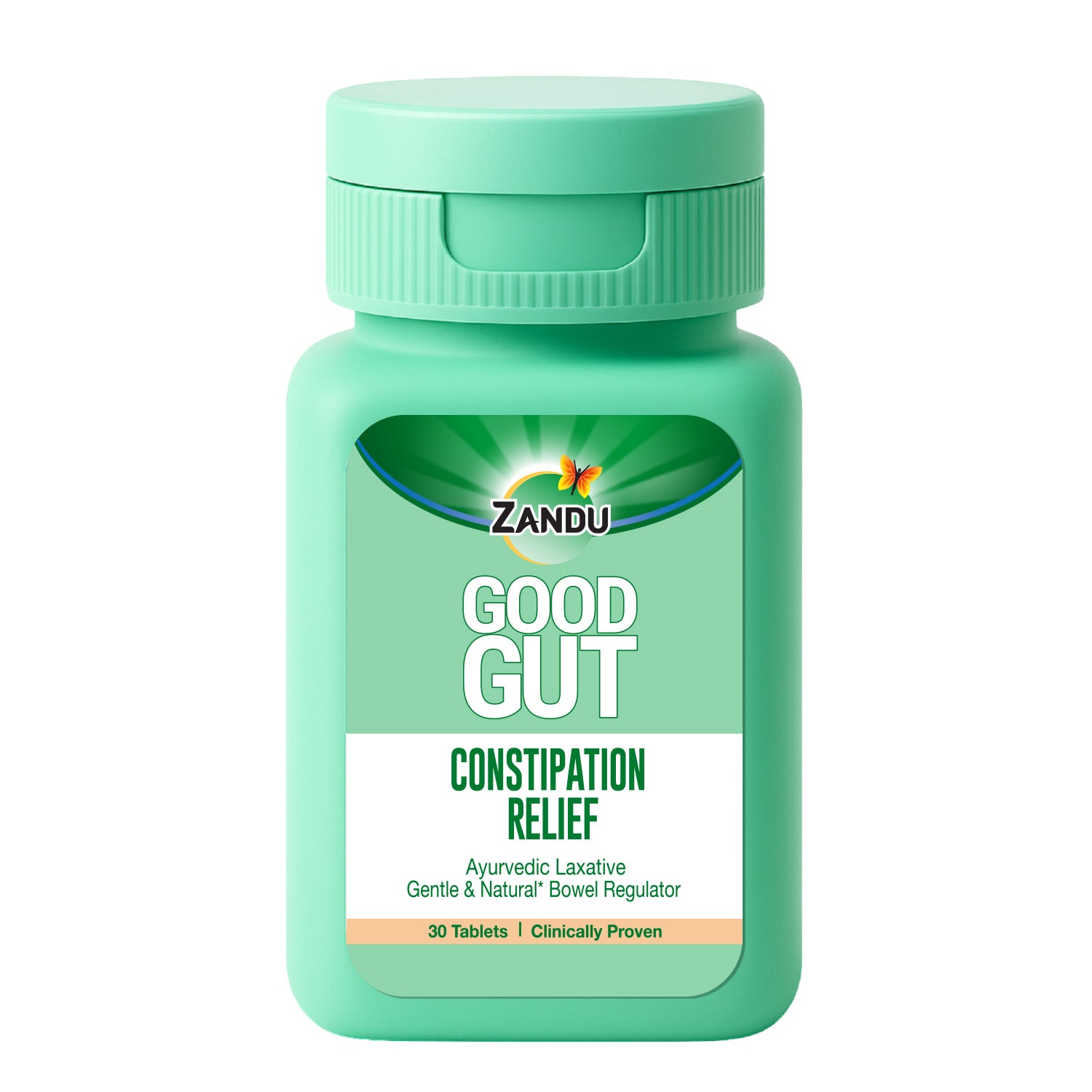
Frequent constipation? Explore Ayurvedic solutions designed to restore gut balance and ease heaviness naturally.
Food Habits That Often Reduce Post-Meal Sleepiness
Food choices matter, but timing and combinations matter too.
Keep Meal Timing Steady
Long gaps followed by a heavy meal can increase sleepiness.
Supportive habit:
- Regular meal timing that suits your day
- Avoiding long gaps that make you overeat later
Balance the Plate
Very carb-heavy meals may leave some people drowsy soon after. A more balanced meal can feel steadier.
Consider:
- Enough protein
- Enough fibre
- Moderate carbs
- Less excess oil
Adding naturally fermented or probiotic foods may also support digestive balance over time. Some people also focus on ways to increase good gut bacteria naturally to improve long-term digestive comfort.
Reduce Common Triggers
Many people notice more tiredness after meals that are very oily, very spicy, or too large.
If you notice a pattern, reduce:
- Fried snacks as a main meal
- Heavy gravies daily
- Large late dinners
Ayurvedic Fixes That Focus on Routine
Ayurvedic care often works best when it is routine-based, not “quick fix” based.
Strengthen Your Meal Rhythm
If your digestion feels sensitive, routine is powerful.
Supportive rhythm:
- Eat at similar times most days
- Keep lunch as the main meal if that suits your digestion.
- Keep dinner lighter if you feel heavy at night
Calm the Nervous System Before Eating
Stress can push the body into a tense state that affects digestion.
Try:
- A short pause before eating
- Slow breathing
- Eating without phone or intense discussions
- Keeping posture relaxed
This matters a lot if you feel sluggish, mainly on high-pressure days.
Sleep Support for Better Digestion
Digestion and sleep influence each other. Poor sleep can worsen post-meal fatigue.
Helpful habits:
- Avoid heavy late dinners
- Reduce screen time close to bedtime.
- Keep a steady sleep routine.
- Avoid lying down immediately after dinner.
When Lethargy After Meals May Need Medical Attention
Occasional sleepiness after a heavy meal can happen. But frequent post-meal lethargy should be taken seriously, especially if it is new or worsening.
Consider medical advice if:
- You feel weak or dizzy after meals
- You have persistent nausea, vomiting, or appetite loss.
- You have repeated upper belly tightness with discomfort.
- You notice weight loss without trying.
- You have black stools, blood in stools, or blood in vomit.
- You have chest pain, breathlessness, or sweating with discomfort.
- You feel lethargic and sleepy all the time with no clear reason.
In rare cases, persistent digestive strain may overlap with deeper gut concerns, including patterns sometimes described as leaky gut symptoms, which require proper evaluation rather than self-diagnosis.
How to Prevent Repeat Episodes in Daily Life
Prevention is about keeping digestion smooth and energy steady.
Helpful habits include:
- Eat moderate portions and avoid overeating
- Keep meals warm and simple when your digestion feels weak.
- Eat slowly and chew well.
- Avoid lying down soon after meals.
- Add gentle movement after meals.
- Keep sleep steady and reduce late heavy dinners.
- Reduce stress around meals through calm breathing and relaxed eating.
If you keep feeling lethargic and tired all the time, it is better to check the root cause instead of only adjusting meals. In that case, you can also consider a ZanduCare consultation to discuss your symptoms, routine, and digestive patterns, and get guided support on what may be triggering the repeat episodes.
Conclusion
Feeling tired after meals can be a sign that your digestion and routine need support, especially if you also feel bloated or notice a tight feeling in the upper stomach. Start with gentle changes like smaller portions, slower eating, warm, simple meals, a calm walk after food, and a better sleep rhythm.
If you feel tired all the time, or if symptoms are strong or persistent, it is better to speak to a clinician and understand the real cause early.
References
1. Meal composition and its effect on postprandial sleepiness (https://pubmed.ncbi.nlm.nih.gov)

Written by

Zanducare
India’s trusted name in Ayurvedic wellness, offering time-tested solutions for today’s health and lifestyle needs. With formulations rooted in classical Ayurvedic texts and crafted using pure natural ingredients, we bring holistic care into your everyday routine.
Research by




Leave a comment
This site is protected by hCaptcha and the hCaptcha Privacy Policy and Terms of Service apply.