





Tight Feeling in Upper Stomach? Causes of Bloating, Burning & Acid Reflux
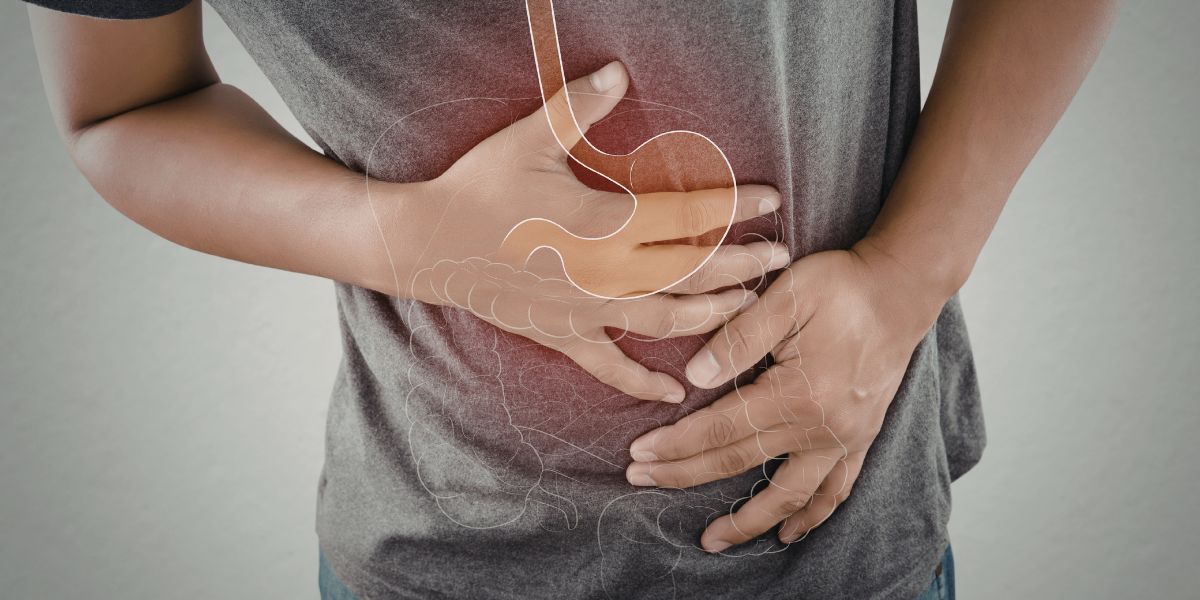
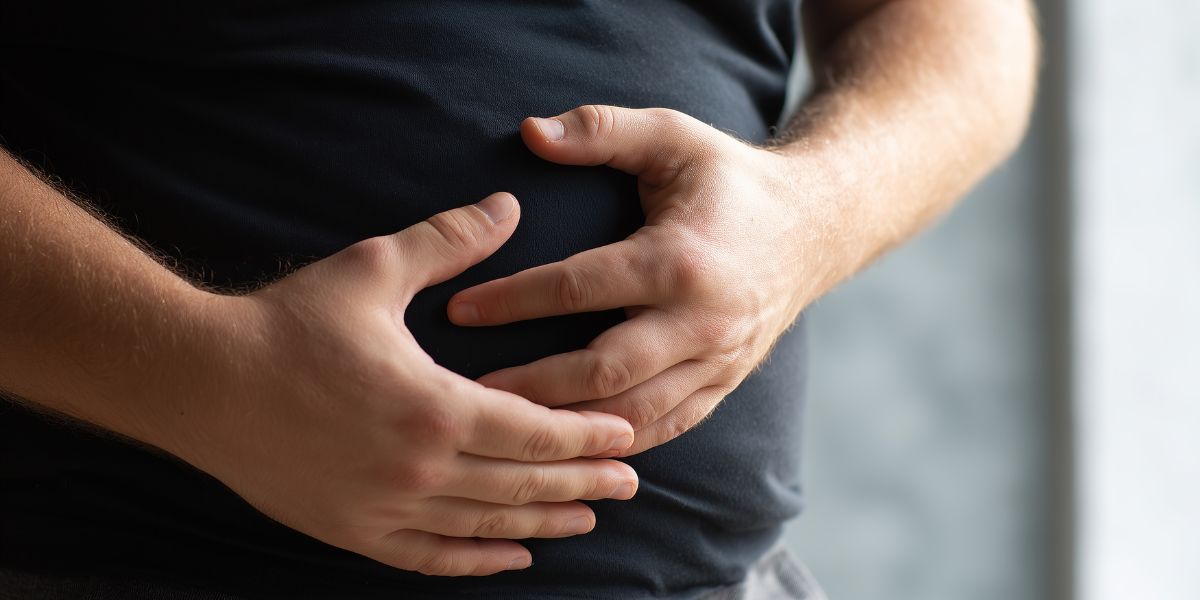
A tight feeling in the upper stomach can feel worrying, especially when it comes with upper abdominal bloating, acidity, or a burning sensation in the stomach.
Along with food and lifestyle changes, some people also explore supportive routines like Zandu Good Gut Cleanse & Detox Shots, which the brand describes as an Ayurvedic, fermented formulation with Prebiotic + Postbiotic support made using a Fermented Arishta process.
If you’re unsure what’s triggering your symptoms, a Zanducare consultation can help you understand what may be going on and what steps make sense for you.
This article breaks down common causes, gentle relief measures, and clear signs for when it’s better to seek medical care.
Understanding the Tight Feeling in the Upper Stomach
This feeling usually comes from pressure, irritation, or sensitivity in the upper digestive area. It can be mild and short-lasting, or it can return often.
You may notice it as:
- A “tight band” or pressure under the ribs
- Fullness soon after eating
- Upper abdominal bloating or visible swelling
- Burping, heaviness, or a stuck sensation
- Burning sensation in the stomach or chest discomfort (often linked with acid reflux)
- Stomach pain due to gas, especially when the gas feels trapped
Sometimes the sensation is more uncomfortable than painful. Sometimes it is clearly painful. Either way, repeated symptoms deserve attention because many different conditions can feel similar. If the tightness frequently comes with visible swelling, learning how to reduce upper abdominal bloating may help you understand supportive next steps.
Common Causes Behind Upper Abdominal Tightness
Many issues can lead to tightness in the upper belly. When pressure builds up along with fullness, it is often described simply as stomach bloating, especially after meals.
Gas Build-Up and Trapped Air
Gas is a very common reason for tightness and upper abdominal bloating. When gas builds up in the stomach or upper intestine, it stretches the area and creates pressure.
With gas, the discomfort often shifts, and you may feel relief after burping or passing gas. Some people try gentle lifestyle changes or simple home remedies for bloating when symptoms are mild and occasional.
Gas may increase when you:
- Eat quickly or swallow air while eating
- Drink fizzy beverages
- Eat heavy meals that your stomach struggles to break down.
- Feel stressed, which can change gut movement.
- Sit or lie down immediately after eating.
With gas, the discomfort often shifts, and you may feel relief after burping or passing gas.
Indigestion and Slow Stomach Emptying
Indigestion can create a tight, heavy, or uncomfortable feeling in the upper stomach. Some people describe it as a fullness that doesn’t match how much they ate.
If symptoms are frequent, adjusting meal composition and following a structured diet plan for bloating may help reduce repeated triggers.
You may also notice:
- Early fullness
- Nausea or unsettled stomach
- More burping
- Mild upper belly pain after meals
Slow digestion may happen due to eating patterns, stress, or gut sensitivity.
Acid Reflux and Heartburn
Acid reflux can cause a burning sensation in the stomach or chest, and it can also feel like tightness or pressure in the upper belly. This happens when stomach contents move upwards towards the food pipe.
Signs that often go with acid reflux include:
- Burning after meals
- Sour taste in the mouth
- Frequent burping
- Symptoms that feel worse when you lie down
Reflux can be occasional, but frequent symptoms should be discussed with a clinician.
Gastritis or Stomach Lining Irritation
If the stomach lining is irritated, you may feel burning, soreness, or tightness. This can happen for different reasons, including food triggers and certain medicines.
You might notice:
- Burning sensation in the stomach
- Nausea
- Reduced appetite
- Discomfort that comes back repeatedly
If symptoms keep returning, it is safer to get checked rather than guessing.
Constipation and Backed-Up Bowel Movement
Constipation can lead to bloating and pressure that you feel higher up, not only in the lower belly. When stool movement slows down, gas can build up and add to the tight feeling in the upper stomach.
Common signs include:
- Hard stools
- Straining
- Feeling that the bowel has not emptied properly
- More gas and heaviness during the day
Understanding possible hard stool causes can help you address the root issue rather than only managing surface symptoms. Gentle, steady approaches to natural constipation care may support better bowel rhythm over time.
Food Sensitivity or Intolerance
Some people feel bloated or tight after certain foods, even when the portion is small. Instead of removing many foods suddenly, it can help to observe patterns and consider including balanced portions of probiotic foods to support digestion gradually.
In India, many traditional meals already include naturally fermented and probiotic-rich foods, which some people find easier on the stomach when digestion feels sensitive.
Clues include:
- Symptoms that repeat after similar meals
- Bloating that settles when you avoid a trigger food.
- Discomfort that is out of proportion to how much you ate
It is best not to remove many foods suddenly. A clinician or nutrition professional can guide you safely.
Gallbladder-Related Discomfort
Upper right belly tightness or pain, especially after heavier meals, can sometimes be linked to gallbladder issues. This needs a proper medical evaluation.
If you notice repeated right-sided pain with nausea, it is better to get assessed.
Pancreas-Related Concerns
Deep, severe upper abdominal pain that does not settle should not be ignored. If pain is intense or comes with vomiting and weakness, seek urgent medical attention.
This is not something to self-manage at home.
Stress, Anxiety, and Gut Sensitivity
The gut and brain are closely connected. Stress may worsen bloating, acidity, and spasms, which can feel like tightness.
Stress-related symptoms may include:
- More burping or reflux during anxious periods
- Tightness that comes and goes without a clear food trigger
- Worsening symptoms with poor sleep
This does not mean symptoms are “in your head.” It means your gut may be reacting more strongly under strain.
Clues That Help You Identify the Likely Trigger
Small details in your symptoms can point towards the most likely cause. Noticing patterns can help you explain your problem clearly during a consultation.
Tightness Soon After Eating
This may point towards indigestion, reflux, gas build-up, or slow digestion.
Helpful questions to ask yourself:
- Do you eat quickly?
- Do you feel overly full very soon?
- Does burping reduce the tightness?
Tightness With Burning Sensation in the Stomach
This can happen with acidity, reflux, or stomach lining irritation.
Notice whether:
- Burning is worse after spicy or oily meals
- Symptoms worsen when lying down.
- You get a sour taste or throat irritation
Tightness With Stomach Pain Due to Gas
This often feels like pressure, stretching, or cramps, and it may improve after passing gas.
You may also notice:
- Gurgling sounds
- Bloating that increases during the day
- A feeling of trapped air
Tightness With Nausea or Reduced Appetite
If nausea is frequent or appetite stays low, it is safer to speak to a clinician. Many conditions can cause nausea, and it should not be ignored when it persists.
Tightness With Constipation
When constipation is part of the picture, improving bowel regularity may reduce upper abdominal bloating and pressure.
Track:
- Stool hardness
- Frequency changes
- Whether tightness improves after a bowel movement
Tightness on the Upper Right Side
Repeated right-sided discomfort, especially after meals, is a reason to seek medical guidance. It may need evaluation rather than home remedies.
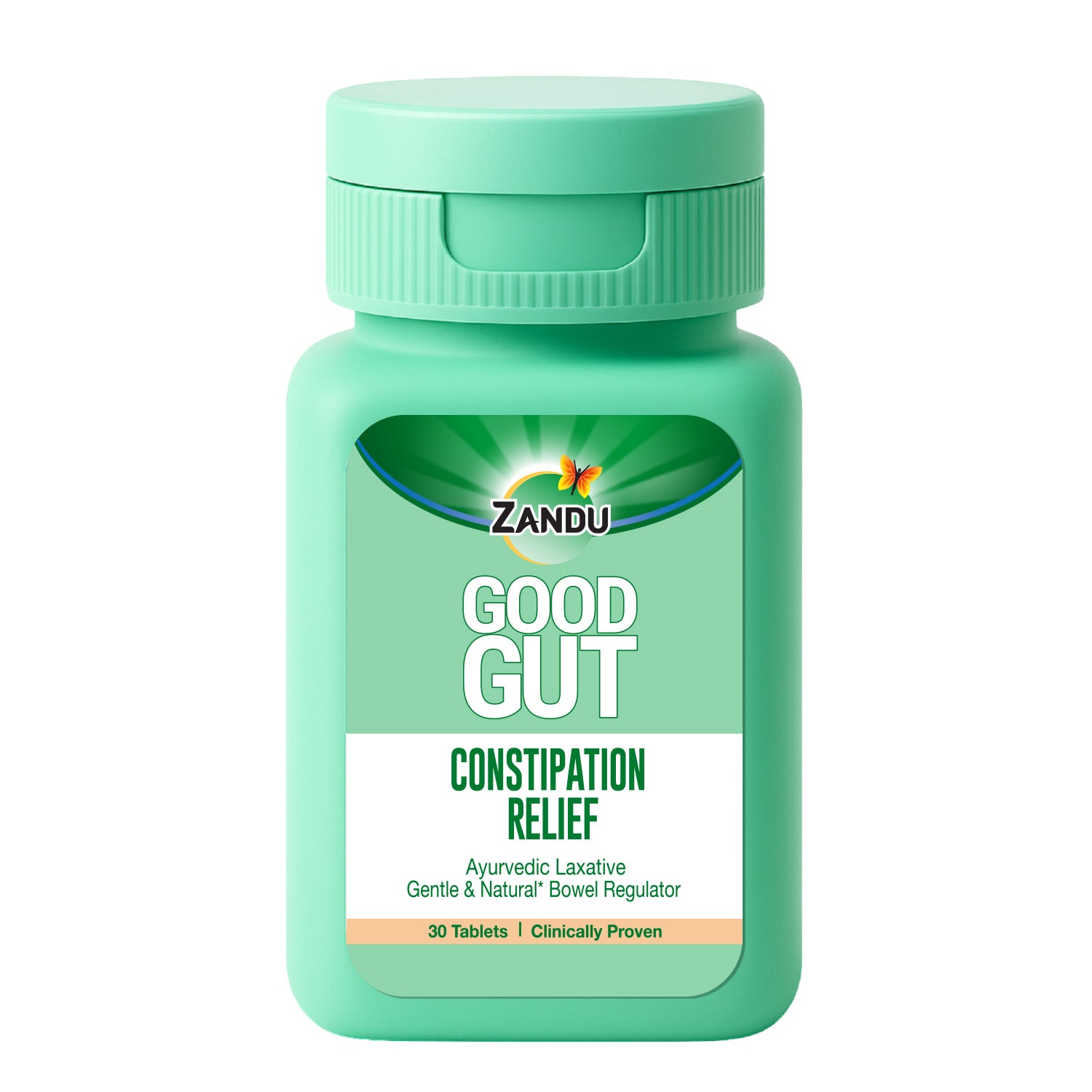
Frequent constipation? Explore Ayurvedic solutions to reduce bloating, regulate digestion, and support bowel health.
Relief Measures You Can Try at Home
If symptoms are mild and there are no danger signs, gentle home measures may help. The aim is to reduce pressure, calm irritation, and support digestion.
Simple Changes for Gas and Upper Abdominal Bloating
These steps may help your body release trapped air and move food through the gut more smoothly:
- Eat slowly and chew well
- Avoid talking continuously while eating.
- Choose smaller meals for a short period if heaviness is strong.
- Take a gentle walk after a meal.
- Sit upright and loosen tight waistbands.
- Avoid fizzy drinks when bloating is active
Soothing Habits for Acid Reflux
If you feel burning or sourness, these habits may reduce irritation:
- Stay upright after meals
- Avoid bending forward soon after eating.
- Keep dinner lighter if nighttime symptoms occur.
- Sleep with your upper body slightly raised, as lying flat worsens symptoms.
- Avoid very heavy, oily, or extra spicy meals if they trigger burning.
If reflux is frequent, it is best to discuss it with a clinician because ongoing irritation can affect comfort and sleep.
Gentle Support for Constipation-Linked Tightness
If constipation is present, focus on gradual changes:
- Drink fluids regularly throughout the day
- Add fibre slowly rather than suddenly.
- Keep meal timing consistent.
- Add gentle daily movement.
A sudden increase in fibre can worsen gas for some people, so slow changes are usually easier on the gut.
Calming the Gut During Stress
When stress is a trigger, calming the nervous system can also calm digestion:
- Eat without rushing
- Reduce late-night screen time if sleep is disturbed.
- Try slow breathing before meals.
- Keep meal times steady, even on busy days
If tightness is more noticeable at specific times, such as after waking up, reviewing possible morning bloating causes may help you identify patterns linked with sleep, dinner timing, or bowel habits.
If symptoms disturb you more at night, following a calming bedtime routine may support smoother digestion before sleep.
Diet and Lifestyle Habits for Frequent Tightness
When symptoms repeat, the goal is to reduce common triggers and support steady digestion. Even small habits can make a difference over time.
Helpful habits include:
- Keeping meals at regular times
- Avoiding long gaps followed by very heavy meals
- Eating smaller portions if heaviness is common
- Limiting foods that repeatedly worsen bloating or burning
- Reducing smoking and alcohol, if you use them, as they can irritate your digestion
- Not lying down immediately after eating.
- Drinking enough fluids throughout the day
Over time, building a consistent healthy gut routine may reduce repeated tightness episodes and improve overall digestive comfort.
If you are interested in traditional approaches, some people explore mild, guided dietary adjustments along with carefully selected herbal solutions for bloating, preferably with professional advice rather than self-experimenting.
Gut Support Options and How to Use Them Safely
Gut discomfort often improves when you combine sensible eating habits with consistent routines. If you’re exploring Ayurvedic support, choose options carefully and avoid mixing too many new products at the same time.
Some people consider Zandu Good Gut Cleanse & Detox Shots as part of a structured routine because the brand describes them as:
- An Ayurvedic formulation using a Fermented Arishta process
- A blend that includes Prebiotics (often used to support beneficial gut bacteria)
- Postbiotics (often discussed for gut support after fermentation)
If you decide to try such a product:
- Follow the label directions carefully
- Introduce one change at a time so you can observe how you feel.
- Stop and seek advice if symptoms worsen or you feel unwell.
- If you take regular medicines or have a long-term health condition, speak with a healthcare professional first.
If you want personalised guidance, a Zanducare consultation can help you make sense of your symptoms, identify likely triggers, and understand whether you need dietary changes, medical tests, or a specific gut-support routine.
When to Seek Medical Care
Most mild bloating or tightness improves with rest and routine changes, but some symptoms need prompt medical attention. Do not delay if you feel something is not right.
Seek urgent care if you have:
- Severe or worsening abdominal pain
- Chest tightness with breathlessness, sweating, or faintness
- Repeated vomiting or inability to keep fluids down
- Vomit that looks bloody or stools that appear black and sticky.
- Yellowing of eyes or skin
- Sudden weakness, confusion, or collapse
- Persistent loss of appetite or unexplained weight loss
- Difficulty swallowing or food feeling stuck
If you have frequent acid reflux, repeated burning sensations in the stomach, or ongoing tightness in the upper stomach, it is still worth getting checked, even if symptoms are not severe.
What to Expect During a Medical Evaluation
A medical check-up is mainly about finding the cause and ruling out more serious problems. It also helps you avoid unnecessary restrictions and wrong treatments.
A clinician may ask about:
- Where the pain or tightness sits and how it feels
- Relation to meals, bowel movements, and sleep
- Any burning, sour taste, nausea, or vomiting
- Medicines you take regularly
- Food habits, alcohol, smoking, and stress
They may suggest tests depending on your symptoms. These can help check for reflux-related issues, stomach lining irritation, gallbladder concerns, infections, or other digestive conditions.
Conclusion
A tight feeling in the upper stomach is commonly linked with gas, indigestion, acid reflux, constipation, or stomach irritation. It often improves when you slow down meals, reduce common triggers, support bowel movement, and manage stress.
If the tightness keeps returning, feels severe, or comes with warning signs, do not self-diagnose. Getting medical guidance and using supportive routines carefully (including options like Zandu Good Gut Cleanse & Detox Shots only when suitable) can help you move towards steadier digestion and better comfort.
References
1. Indigestion and Heartburn https://www.ncbi.nlm.nih.gov/books/NBK409/
2. A Review of the Influence of Prebiotics, Probiotics, Synbiotics, and Postbiotics https://pmc.ncbi.nlm.nih.gov/articles/PMC12156228/

Written by

Zanducare
India’s trusted name in Ayurvedic wellness, offering time-tested solutions for today’s health and lifestyle needs. With formulations rooted in classical Ayurvedic texts and crafted using pure natural ingredients, we bring holistic care into your everyday routine.
Research by



Leave a comment
This site is protected by hCaptcha and the hCaptcha Privacy Policy and Terms of Service apply.