







What Is Leaky Gut? Signs, Causes & Ayurvedic Ways to Strengthen Gut Barrier
In simple words, leaky gut refers to the gut lining (gut barrier) not working as smoothly as it should. This topic matters because the gut barrier supports digestion, immunity, and how your body reacts to food. At the same time, not every gas, bloating, or skin flare means leaky gut syndrome.
This guide explains what the term usually means, common leaky gut symptoms, possible causes, and safe steps you can take, using both basic medical understanding and gentle Ayurvedic habits.
What People Mean by Leaky Gut
When people say leaky gut, they are usually talking about the gut lining becoming “weak” and allowing unwanted particles to pass through more easily. In science and medicine, you may see a related term: increased intestinal permeability.
It helps to remember one simple point: the gut lining is not supposed to be a solid wall. It is more like a smart filter. It lets nutrients and water pass in, and it keeps many harmful things out.
The Gut Barrier Explained
Your gut barrier includes:
- The gut lining (cells that form a protective layer)
- Mucus that protects the lining
- Helpful gut bacteria that support balance
- The immune system cells living around the gut
When this barrier is irritated or inflamed, the “filter” may not work as smoothly. That is the idea behind leaky gut discussions. Supporting digestion gently, eating regularly, and choosing lighter meals can help improve gut health over time.
Leaky Gut Syndrome: Is It a Confirmed Diagnosis
The phrase leaky gut syndrome is widely used online, but it is not always used as a clear, single medical diagnosis in routine clinics. Doctors may talk more specifically about:
- Inflammation in the gut
- Damage due to certain diseases
- Food intolerance or allergy concerns
- Infection or gut imbalance
- Conditions where intestinal permeability may be part of the picture
So, if you think you have a leaky gut, the safest approach is not to self-label. The safer approach is to look at symptoms, look for red flags, and address the likely causes with professional guidance.
Leaky Gut Symptoms People Commonly Report
There is no single symptom that “proves” leaky gut. Still, people often search for leaky gut symptoms when they notice repeated discomfort.
Common complaints include:
- Bloating and gas after meals
- Belly pain or cramps that come and go
- Loose stools, constipation, or stools that keep changing
- Feeling heavy after eating normal food
- Frequent acidity or burping for some people
- Food sensitivity feelings (example: “this food suddenly doesn’t suit me”)
- Skin flare-ups or itching in some people
- Low energy feelings in some people
Bloating, irregular stools, and post-meal discomfort are the signs of unhealthy gut many people notice first.
These symptoms can happen for many reasons. That is why a careful check is important, especially if symptoms are persistent.
What Causes Leaky Gut Syndrome in Simple Terms
People often ask what causes leaky gut syndrome. In real life, it is usually not one single cause. It may be a mix of food habits, infections, inflammation, stress, and existing health conditions.
Here are common factors that can disturb the gut barrier.
Gut Infection or Food Poisoning History
A stomach infection can irritate the gut lining. Some people feel their digestion changes after an infection, even when the infection is gone.
Possible signs include:
- Ongoing bloating
- Stool pattern changes
- New food sensitivities
If symptoms are ongoing, a clinician may check for infection-related issues rather than assuming “leaky gut”.
Long-Lasting Stress and Poor Sleep
Stress can affect gut movement, acid levels, and sensitivity. Poor sleep can also make digestion feel more reactive the next day.
This may show up as:
- Gas and bloating on stressful days
- More acidity at night
- Stool pattern changes during tough weeks
When stress digestion patterns repeat often, they may lead to frequent stomach bloating many people complain about.
Diet Low in Fibre and High in Processed Foods
Many people eat less fibre than their body needs, especially when meals are mostly refined grains, fried snacks, sweets, and packaged foods.
A low-fibre pattern may be linked with:
- Constipation
- Trapped gas
- Feeling heavy after meals
This does not confirm leaky gut, but improving food quality often supports gut comfort. Fibre, fermented foods, and balanced meals help increase good gut bacteria naturally, which supports digestion from within.
Certain Medicines That Irritate the Gut
Some medicines can irritate the stomach or gut lining in some people, especially when used frequently without proper medical guidance. If you take regular medicines, it is safer to discuss stomach symptoms with your doctor rather than stopping anything on your own.
Ongoing Gut Inflammation or Autoimmune Conditions
Some health conditions may involve inflammation in the gut or immune activity that affects the lining. This is one reason doctors prefer investigating symptoms properly, instead of using only internet labels.
Leaky Gut and Food Allergies: Understanding the Confusion
The search term leaky gut and food allergies is common. Many people feel they are “allergic” to many foods because they feel bloated, itchy, or uncomfortable after eating.
It helps to separate three different things:
- Food allergy: an immune reaction that may be serious and needs medical diagnosis
- Food intolerance: digestive discomfort after certain foods (not always immune-based)
- Food sensitivity feelings: a broad term people use when a food “doesn’t suit” them
If you suspect a true allergy, it is safer to speak to a qualified clinician. Self-testing and removing too many foods can lead to weakness, fear of eating, and confusion.
Leaky Gut Diet: Food Choices That May Support the Gut Barrier
A leaky gut diet on the internet often looks extreme. In real life, a safer approach is usually simpler: reduce irritation, support digestion, and improve stool regularity. Many people follow gentle food patterns similar to a gut cleanse routine that focuses on lighter, easier-to-digest meals.
Gentle, Gut-Friendly Foods That Are Commonly Easier to Digest
These are not guaranteed solutions, but they are commonly used as comfort foods:
- Warm, home-cooked meals
- Soft foods when the gut feels irritated
- Cooked vegetables (often easier than large raw salads for sensitive digestion)
- Simple dal and rice combinations
- Light khichdi-style meals on heavy days
- Curd or buttermilk, if you tolerate dairy and fermented foods
Foods That May Feel Irritating for Some People
Some people notice more discomfort with:
- Very spicy food
- Deep-fried items
- Very sugary foods
- Excess tea/coffee for some people
- Very large late-night meals
Instead of cutting everything, try noticing what worsens symptoms repeatedly. If spicy or late meals trigger burning sensations, simple remedies for acid reflux may help calm digestion naturally.
A Gentle and Balanced Approach to Food Elimination
Many leaky gut plans push strict food removal. That can backfire if done without guidance.
Be careful with:
- Removing many food groups suddenly
- Following influencer diets without medical supervision
- Staying on very limited diets for long periods
If you want to try food removal, do it under professional guidance so you do not lose important nutrition. If reflux is frequent, following an acid reflux diet can help you choose meals that feel lighter and easier to digest.
Leaky Gut Treatment: What “Treatment” Often Means in Real Life
People search for leaky gut treatment expecting one fixed solution. In clinics, “treatment” often means finding and managing the real driver behind symptoms.
A safe treatment approach may include:
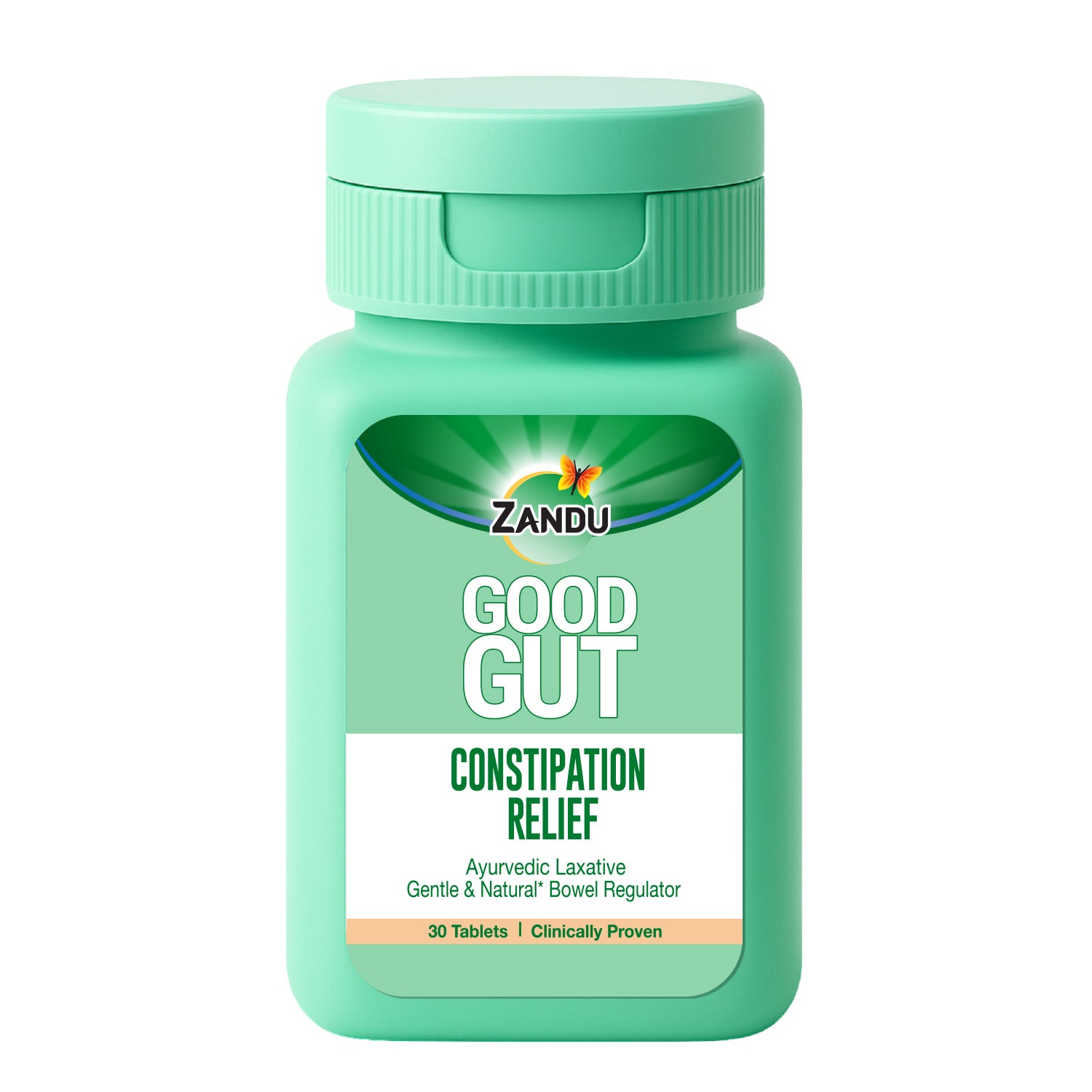
- Treating constipation if present
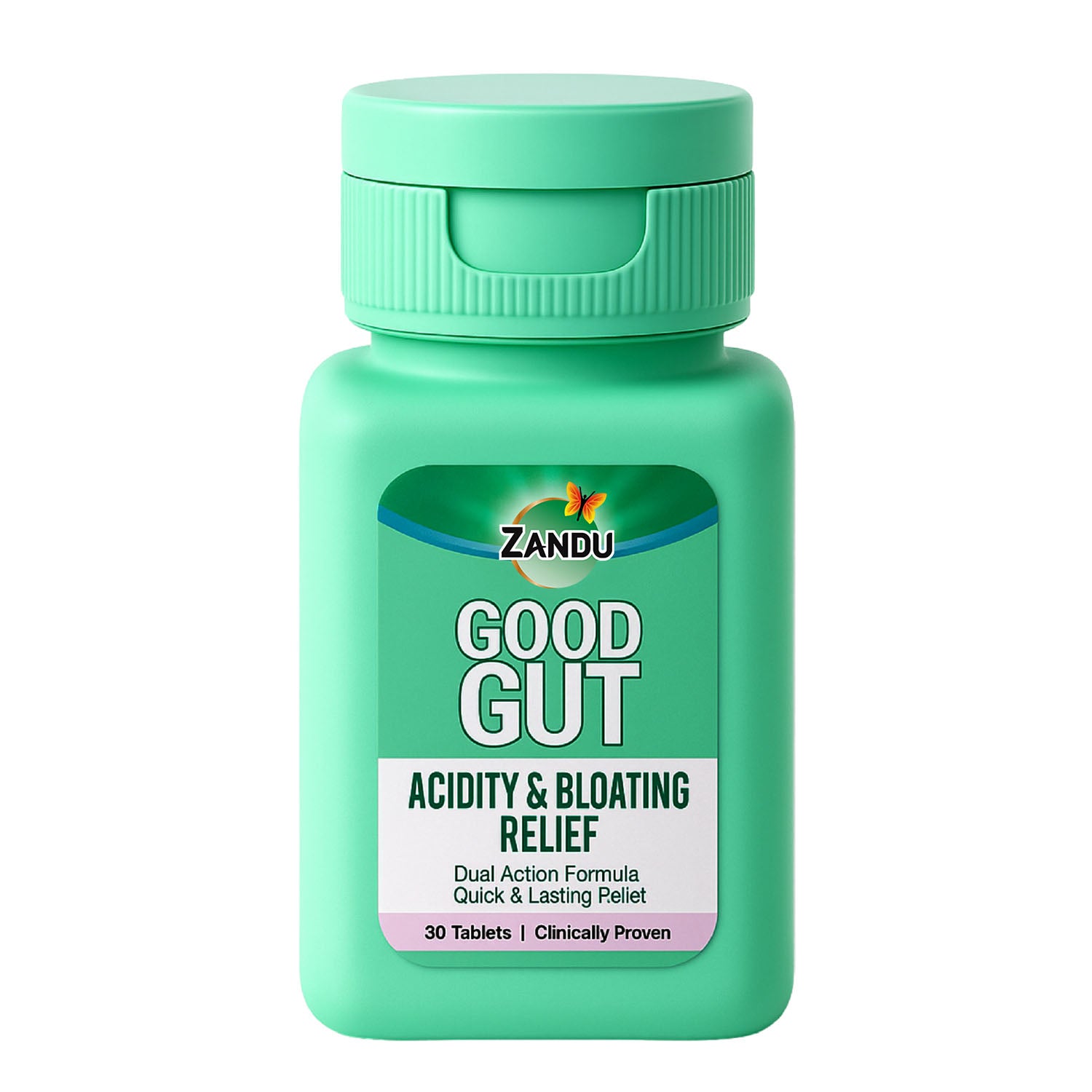
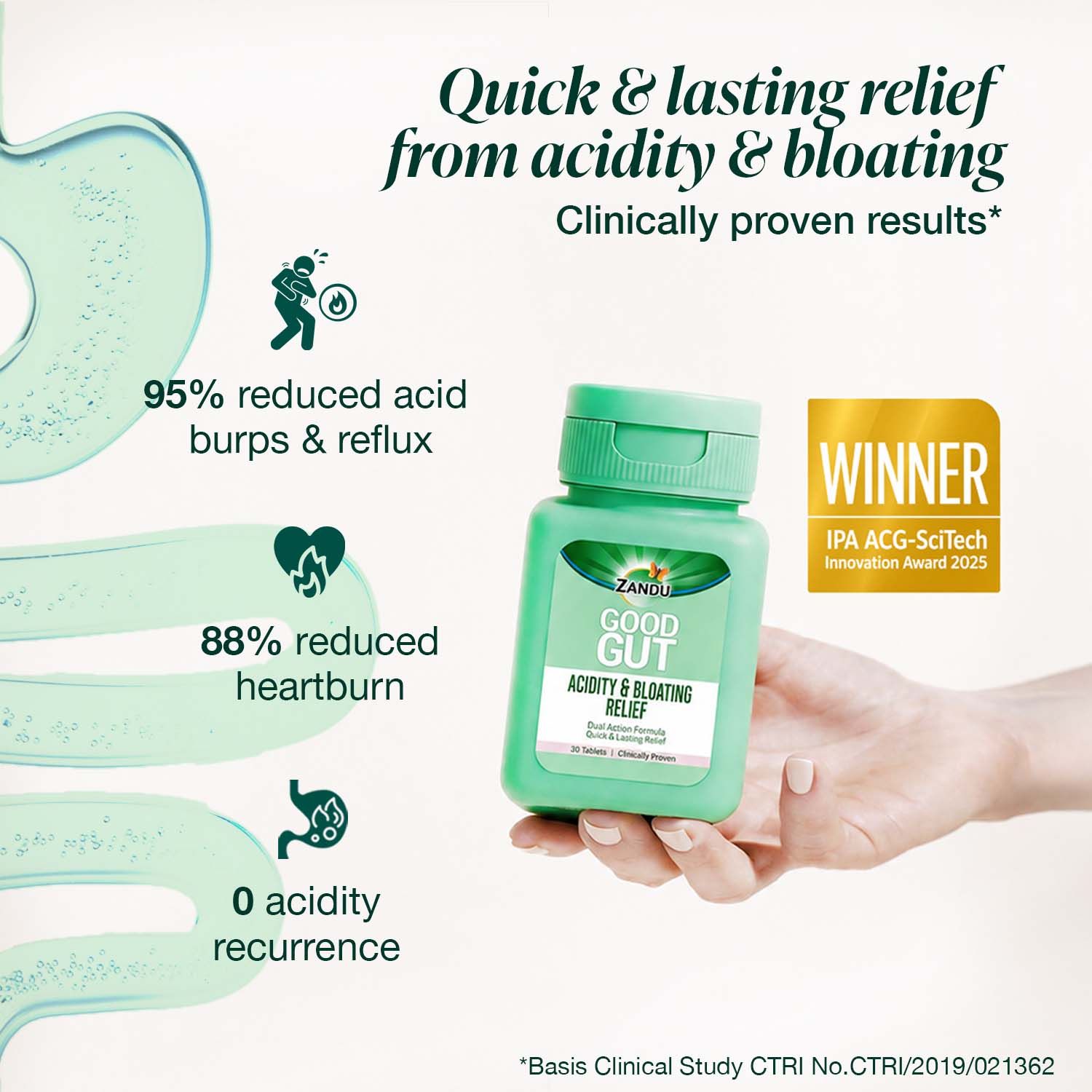
- Managing reflux or acidity patterns if present
- Checking and treating infections when suspected
- Identifying food triggers carefully
- Improving sleep and stress habits
- Addressing underlying medical conditions, if found
If burning sensations are frequent, gentle remedies for stomach burning are often suggested alongside diet changes.
In many cases, the goal is steady improvement, not instant transformation. Persistent heat or irritation feelings in the abdomen are commonly described as stomach burning, and understanding triggers usually helps manage it better.
How to Support Leaky Gut Recovery Naturally at Home
People often search for how to cure leaky gut at home. It is safer to think in terms of “support at home” rather than promising a cure.
Here are gentle steps that may support gut comfort for many people:
Build a Simple Meal Routine
- Eat at steady times most days
- Avoid very heavy dinners if night discomfort is common
- Eat slowly and chew well
Choose Gut-Friendly Cooking
- Prefer freshly cooked foods when possible
- Keep the spice level moderate if you notice irritation
- Add cooked vegetables regularly
Tips to Support Regular Bowel Movements
- Drink water throughout the day
- Add fibre slowly (sudden fibre may increase gas in some people)
- Walk daily if possible
Calm the Evening
- Keep screen time lower before sleep
- Choose a calmer bedtime routine
- Avoid lying down soon after dinner
These steps are not “magic”, but they are often the foundation of digestive comfort.
Ayurvedic Ways to Support the Gut Barrier
Ayurveda uses a different language to describe digestion. Many practitioners talk about Agni (digestive strength), Ama (undigested heaviness), and balancing Vata and Pitta (movement and heat).
A safe Ayurvedic-style approach often focuses on:
- Warm, freshly cooked meals
- Regular meal timings
- Calm eating (no rushing)
- Avoiding very heavy meals late at night
- Gentle movement after meals
This aligns with many modern basics: routine and gentle digestion support.
Ayurvedic Supports People Commonly Use
Some people use kitchen-based supports as part of an Ayurveda-friendly routine. These may suit some people and not others.
Common choices include:
- Jeera water
- Saunf after meals
- Ajwain in mild use
- Hing is used in cooking
- Ginger in light preparations
If you have acidity, ulcers, pregnancy, or take daily medicines, it is safer to take advice from a qualified practitioner before using strong home preparations regularly.
Homoeopathic Medicine for Leaky Gut: What to Consider
Many people search homeopathic medicine for leaky gut because they want a gentle option. Homoeopathy is used by many people, but strong scientific support for “leaky gut” treatment through homoeopathy is not clear.
If you want to try homoeopathy, consider these Safety steps:
- Consult a qualified, registered practitioner
- Avoid stopping prescribed medicines on your own
- Do not ignore red flag symptoms
- Use it as supportive care, not as an emergency solution
If symptoms are persistent, a medical evaluation may still be important.
Real-World Situations People Often Face
These are common patterns many families describe in everyday life. They can help you recognise triggers without self-diagnosing.
Situation 1: “My Digestion Changed After a Stomach Infection”
Some people notice new bloating, gas, or food sensitivity feelings after a past infection. In such cases, a clinician may look for lingering gut irritation, stool issues, or dietary triggers.
Situation 2: “I Feel Fine at Home but Outside Food Upsets Me”
Some people feel better with simple home food but feel bloated with oily, spicy, or heavy restaurant meals. A steady diet, improved meal timing, and constipation support may be part of the plan.
Situation 3: “I Removed Many Foods and Now I Feel Weak”
Some people try strict leaky gut diets and end up tired and confused. In such cases, it may help to rebuild a balanced diet carefully with professional guidance.
Explore our supplements for gut to aid nutrient absorption and relieve occasional heaviness after meals.
When to See a Doctor
Because the term leaky gut is broad, it is important to know when to seek medical advice.
Seek care if you have:
- Severe or worsening abdominal pain
- Blood in stool or black stool
- Fever with stomach symptoms
- Repeated vomiting
- Unexplained weight loss or ongoing loss of appetite
- Persistent diarrhoea or constipation that does not settle
- Significant weakness, dizziness, or dehydration signs
Even without these signs, if symptoms keep returning and affect daily life, a clinician can help you identify the actual cause. If you want guidance from an Ayurvedic lens as well, you can book a free, 100% private online consultation with ZanduCare’s expert Ayurvedic doctors for personalised advice based on your symptoms, diet, and lifestyle.
You may also consider Zandu Good Gut Cleanse & Detox Shots, a clinically proven prebiotic + postbiotic formula made with the fermented Arishta process, designed to support a complete gut reset in 45 days by helping cleanse and restore gut balance.
Conclusion
Leaky gut is a popular term, but it is often used in a confusing way. The gut barrier is real, and it can be affected by infection, inflammation, diet, stress, sleep, and certain medicines.
Instead of chasing harsh “cures”, a safer approach is to support digestion with simple food, regular bowel habits, a calm routine, and professional guidance when needed.
Ayurveda can also offer gentle support through warmth, routine, and digestion-friendly habits, especially when used responsibly.
References
1. Leaky Gut and the Ingredients That Help Treat It: A Reviewhttps://pmc.ncbi.nlm.nih.gov/
2. The intestinal barrier: a pivotal role in health, inflammation https://www.sciencedirect.com/

Written by

Zanducare
India’s trusted name in Ayurvedic wellness, offering time-tested solutions for today’s health and lifestyle needs. With formulations rooted in classical Ayurvedic texts and crafted using pure natural ingredients, we bring holistic care into your everyday routine.
Research by


%20not%20working%20as%20smoothly%20as%20it%20should.%20This%20topic%20matters%20because%20the%20gut%20barrier%20supports%20digestion,%20immunity,%20and%20how%20your%20body%20re...)
Leave a comment
This site is protected by hCaptcha and the hCaptcha Privacy Policy and Terms of Service apply.