







Post-Meal Routine for Gas, Bloating & Acid Reflux at Night
If you often feel gassy, heavy, or uncomfortable after eating, your body may be asking for a calmer routine after meals. What you do in the minutes and hours after food can influence how your stomach empties, how gas moves, and how much irritation you feel in the upper digestive area.
This article shares a simple post-meal routine that blends Ayurveda-friendly habits with science-backed digestion basics so that you can work towards less gas, less bloating, and fewer episodes of acid reflux at night.
Why Post-Meal Habits Affect Digestion
Digestion keeps working long after you finish eating. Your posture, movement, stress level, and meal timing can shape how comfortably your gut handles food.
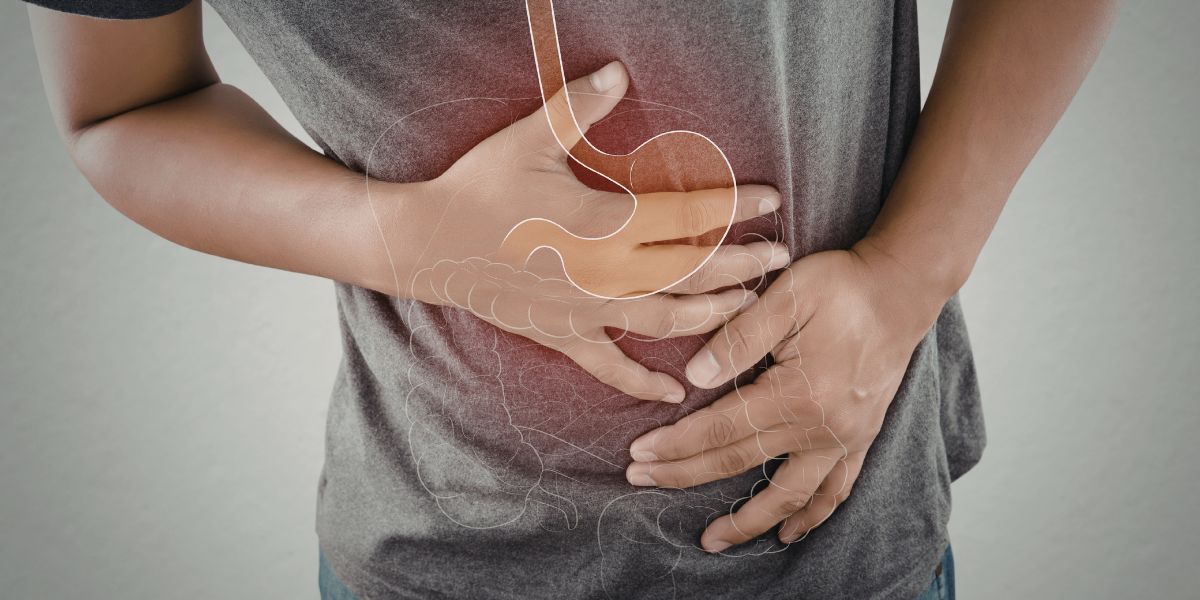
When digestion feels strained, you may notice:
- A tight or heavy upper belly
- Burping and trapped wind
- Stomach burning or sourness
- Upper abdominal bloating
- Acid reflux at night, especially after dinner
- Ongoing worry about how to reduce bloating and how to avoid it.
If discomfort becomes frequent, it may overlap with broader signs of an unhealthy gut that are worth paying attention to instead of ignoring.
How Ayurveda Looks at Post-Meal Digestion
Ayurveda places strong focus on Agni, which is a traditional way of describing digestive strength. It also talks about balance, routine, and calmness during and after meals.
Many people relate their symptoms to these patterns:
- Vata-like symptoms: more gas, bloating, movement in the belly, irregular appetite
- Pitta-like symptoms: heat, acidity, stomach burning, irritation, sour burps
- Kapha-like symptoms: heaviness, sluggish digestion, sleepiness after meals
Ayurveda generally encourages steady, gentle habits after eating, which often aligns with what modern digestive science suggests for comfort.
The First Ten Minutes After a Meal
The first few minutes after eating are a “settling time” for your gut. A rushed or careless start can increase pressure and discomfort for some people.
Try to do the basics well:
- Sit upright with a relaxed belly
- Breathe slowly through your nose.
- Loosen tight waistbands if you feel pressure.
- Avoid immediate bending, lifting, or sudden, fast movement.
- Avoid lying down straight away, especially if you get reflux.
If your discomfort feels worse after very spicy meals, especially with stomach burning after eating spicy food, posture and calm breathing become even more important during this window.
Sit and Stand in a Gut-Friendly Posture
Posture can affect pressure inside the abdomen. Slumping can compress the stomach area and may make bloating feel worse.
Aim for simple posture habits:
- Sit with your back supported
- Keep your shoulders relaxed, not hunched.
- Keep your chin level instead of leaning forward.
- Stand tall after meals instead of tightening your core.
- Avoid sitting in a tightly curled position if you feel upper abdominal bloating.
If acid reflux at night is a concern, staying upright after dinner can be especially important.
Walk Gently to Help Food Move Forward
Light movement after meals may support natural gut movement. It can also help reduce the “stuck” feeling that comes with heaviness and bloating.
For some people, heaviness also comes with low energy after meals. A short, gentle walk may feel more refreshing than lying down or scrolling on the phone.
Keep it gentle:
- Walk at an easy pace
- Keep breathing calmly and steadily.
- Avoid brisk exercise right after eating.
- Avoid heavy lifting soon after meals.
- Avoid repeated bending forward if it triggers reflux.
This can be a simple answer to how to reduce bloating without adding complicated steps.
Avoid Common Post-Meal Mistakes That Trigger Gas and Reflux
Reducing certain habits is often one of the most useful ways to improve gut health.
Sleeping soon after dinner, bending repeatedly after meals, or tightening clothing around the waist can increase pressure and discomfort.
Try to avoid:
- Sleeping soon after dinner
- Lying flat immediately after meals
- Bending forward repeatedly right after eating
- Tight belts or shapewear around the waist
- Very fizzy drinks soon after food
- Chewing gum, if it increases burping for you
- Smoking after meals, if you smoke
If stomach burning happens regularly, the “lie down too soon” habit is worth reviewing first.
Drink Water the Right Way After Meals
Hydration matters, but the way you drink can affect comfort when you’re prone to gas or reflux. Along with sipping slowly, focusing on balanced meals that include naturally fermented or probiotic-rich foods may support smoother digestion over time.
Try these simple rules:
- Sip slowly instead of drinking fast
- Prefer normal or warm water if cold drinks worsen symptoms.
- Keep hydration steady across the day instead of loading up right after meals.
- If you’re already bloated, avoid very large drinks in one go.
This supports how to avoid bloating without feeling deprived.
Handle Tea, Coffee, and After-Meal Add-Ons Carefully
Many Indian households enjoy tea after meals, and some people reach for sweets or mouth fresheners. These can suit some bodies and trouble others.
If you notice discomfort, consider:
- Keeping tea lighter if strong tea worsens stomach burning
- Avoiding late tea if it affects sleep or triggers acidity
- Watching whether very minty after-meal items worsen reflux for you
- Limiting very sweet desserts right after meals, as they can increase bloating
You don’t need to remove everything at once. Notice patterns and make slow changes.
Use Breath and Calm to Support the Gut
Your gut responds to stress. When your body stays tense, digestion may feel slow, tight, or more sensitive.
Try a calm post-meal pause:
- Sit quietly for a short while after eating
- Breathe slowly and gently into the belly.
- Keep your jaw and shoulders relaxed.
- Avoid stressful calls or intense work immediately after meals if possible.
- Avoid scrolling if it makes you feel mentally “wired” after food.
This is a simple part of how to improve gut health that people often underestimate.
Build a Lunch Routine That Prevents Afternoon Bloating
Lunch is often a major meal. If afternoons bring heaviness, wind, or sleepiness, your routine can make lunch easier to digest.
Helpful lunch habits:
- Eat at a steady pace and chew properly
- Stop at comfortable fullness.
- Sit upright for a while after lunch.
- Walk gently if you can
- Avoid heavy physical work immediately after eating.
If you’re searching for how to reduce gas in stomach discomfort after lunch, these small habits can matter.
Frequent constipation? Explore Ayurvedic solutions to gently detoxify the gut and restore digestive rhythm.
Build a Dinner Routine to Reduce Acid Reflux at Night
Dinner habits often decide how your night feels. Acid reflux at night can disturb sleep and leave a sour, burning feeling by morning.
Aim for a dinner routine that supports comfort:
- Keep dinner lighter when reflux or stomach burning is active
- Avoid lying down soon after dinner.
- Sit upright after eating, with relaxed breathing.
- Avoid very heavy, very oily, or very spicy meals at night if they trigger symptoms.
- Keep your evening calm and unhurried.
If nighttime reflux is frequent, it’s wise to speak with a clinician rather than managing it alone for long periods.
Sleep Habits That Can Support Night Digestion
Night-time discomfort can feel stronger because the body is resting and posture changes. Simple sleep habits may help reduce irritation for some people.
Consider these habits:
- Go to bed only when your stomach feels settled
- Avoid sleeping in a tightly curled position if it increases pressure in the upper belly.
- Keep the neck and upper body supported so breathing stays easy.
- Avoid late-night snacks if they trigger reflux for you.
If stomach burning or reflux feels intense or persistent, medical advice is important.
Food Habits That Make Post-Meal Life Easier
Even the best post-meal routine struggles if meals are rushed, heavy, or irregular. These food habits support long-term comfort and are solid tips to improve gut health.
Try to keep meals simple and steady:
- Eat at regular times when possible
- Chew thoroughly and avoid rushing.
- Avoid overeating, especially at dinner
- Reduce very heavy food combinations if they repeatedly cause bloating.
- Notice which foods trigger discomfort and adjust gradually
These steps can help reduce bloating without extreme restrictions. Including balanced portions of probiotic foods in your weekly diet may support digestive balance gradually rather than relying only on quick fixes.
Ayurveda-Friendly Post-Meal Practices That Stay Simple
Over time, building a consistent healthy gut routine may reduce repeated episodes of gas, bloating, and reflux instead of managing them one by one.
If your focus is long-term balance, small daily steps that help increase good gut bacteria naturally can support better digestive resilience.
You may find these habits helpful:
- Sit quietly after meals rather than rushing straight into work
- Prefer warm, freshly prepared meals when digestion feels weak.
- Reduce very cold drinks if they worsen heaviness or bloating.
- Avoid very dry, very fried, or overly spicy foods if they regularly trigger discomfort.
If your symptoms feel mixed or confusing, personalised guidance can help you choose the right direction.
When Extra Gut Support and Expert Guidance May Help
If symptoms keep returning, it can feel tiring to keep guessing. At that point, structured support and personalised advice may be worth considering.
Some people explore Zandu Good Gut Cleanse & Detox Shots as part of their routine. The product is described by the brand as an Ayurvedic fermented formulation made using a fermented Arishta process, with a blend that includes prebiotics and postbiotics. If you choose to try it, it can be sensible to:
- Follow the pack directions carefully
- Introduce only one new gut product at a time.
- Pause if symptoms worsen or you feel unwell
- Seek advice if you take regular medicines or have ongoing health concerns.
Alongside this, a Zanducare consultation can help you understand your symptom pattern, identify likely triggers, and decide whether your concern is mainly gas, bloating, acidity, constipation, or something that needs medical evaluation. Personal guidance can make it easier to choose routines that suit your body and lifestyle.
When to Seek Medical Care
Most occasional gas or bloating improves with routine changes, but some symptoms need medical attention. It’s better to be cautious, especially if symptoms are persistent or feel severe.
Seek medical care if you notice:
- Ongoing stomach burning that keeps returning
- Acid reflux at night that repeatedly disturbs sleep
- Pain that feels severe, worsening, or unusual
- Repeated vomiting or inability to keep fluids down
- Blood in vomit or stools, or stools that look very dark
- Trouble swallowing or food feeling stuck
- Unexplained loss of appetite or weight changes
- Yellowing of the eyes or skin
- Chest discomfort with breathlessness, sweating, or faintness
If you feel unsure, it’s safer to speak with a clinician.
Conclusion
A good post-meal routine is not about strict rules. It’s about giving your gut a calm space to work. Sitting upright, walking gently, drinking slowly, and avoiding lying down soon after eating can reduce pressure and irritation for many people.
If you frequently deal with gas, upper abdominal bloating, or acid reflux at night, combining steady daily habits with expert guidance can help you move away from guesswork and towards a routine that feels manageable and supportive.
References
1. Pathophysiology, Evaluation, and Treatment of Bloating https://pmc.ncbi.nlm.nih.gov/
2. Food, Eating, and the Gastrointestinal Tract https://www.researchgate.net/publication/

Written by

Zanducare
India’s trusted name in Ayurvedic wellness, offering time-tested solutions for today’s health and lifestyle needs. With formulations rooted in classical Ayurvedic texts and crafted using pure natural ingredients, we bring holistic care into your everyday routine.
Research by



Leave a comment
This site is protected by hCaptcha and the hCaptcha Privacy Policy and Terms of Service apply.