













5 Effects of Stress on Physical Fitness: 10 Stress Management Techniques
When you think of fitness, you probably picture workouts, healthy eating, or building muscles. But did you know stress management is just as important? Stress affects your body and mind, making it harder to reach your fitness goals. High stress can sap your energy, mess with your sleep, and even cause weight gain.
Adding stress-relief habits to your fitness routine can boost your results and make you feel better overall. This article explains why stress matters for fitness, how it impacts your body, and simple ways to manage stress, all in easy-to-understand language.
What is Stress and How Does it Affect You?
Stress is your body’s reaction to challenges or demands, like a tight deadline, a tough workout, or a personal problem. When you’re stressed, your body releases hormones like cortisol and adrenaline. These hormones prepare you to act by increasing your heart rate and energy. A little stress can be helpful, like motivating you to finish a task, but too much stress for too long can harm your health and fitness.
Chronic stress, the kind that sticks around, affects your body in many ways:
- Tiredness: Stress drains your energy, making it harder to exercise.
- Poor sleep: Stress can keep you awake at night, leaving you too tired to work out.
- Overeating or undereating: Some people eat more comfort food when stressed, while others lose their appetite, messing with nutrition goals.
- Muscle tension: Stress tightens your muscles, which can lead to pain or injury during workouts.
- Weak immunity: Too much stress weakens your immune system so that you might get sick more often and miss workouts.
Since fitness relies on energy, good sleep, and a healthy body, unmanaged stress can throw everything off track.
Why Stress Management Matters for Fitness?
 Fitness isn’t just about lifting weights or running. It’s about improving your overall health, and stress management is a big part of that. Here’s why adding stress relief to your fitness routine is a game-changer:
1. Better workout performance
When you’re stressed, your body is already in “fight or flight” mode, which uses up energy. This can make you feel weak or sluggish during workouts. Managing stress helps you save energy for exercise, so you can lift heavier, run faster, or push through tough sessions.
2. Faster recovery
Exercise stresses your muscles, and your body needs rest to repair them. High cortisol from stress slows recovery, leaving you sore or tired for longer. Stress-relief habits like deep breathing or stretching help lower cortisol, so your muscles heal faster.
3. Improved focus
Stress makes it hard to concentrate. If your mind is racing during a workout, you might skip reps, use bad form, or even get injured. Stress management keeps your mind clear, helping you stay focused on your fitness goals.
4. Balanced hormones
Chronic stress raises cortisol, which can lead to fat gain, especially around your belly, and muscle loss. This works against your fitness efforts. Stress management helps keep cortisol in check, supporting muscle growth and fat loss.
5. Consistent motivation
Stress can make you feel overwhelmed, so you might skip workouts or give up on your goals. By managing stress, you stay motivated and stick to your routine, even on tough days.
Note: While following a fitness plan to manage stress is a great approach, understanding how to naturally balance cortisol — the primary stress hormone — can further improve your results. To learn more, check out our detailed guide on Natural Cortisol Reduction and discover holistic ways to support your mind and body.
How Stress Sabotages Your Fitness Goals?
Stress can undo your hard work in the gym or kitchen. Here are some ways it gets in the way:
Weight gain
Cortisol tells your body to store fat, especially in the belly area. Stress also triggers cravings for sugary or fatty foods, like chips or ice cream. If you’re trying to lose weight, stress can make it much harder.
Muscle loss
High cortisol breaks down muscle tissue for energy, which is bad news if you’re trying to get stronger. This can make you feel weaker over time, even if you’re working out regularly.
Poor sleep
Sleep is when your body repairs muscles and builds strength. Stress keeps you awake or disrupts your sleep, so your body doesn’t recover properly. This can stall your progress and make you feel exhausted.
Injuries
Tense muscles from stress are more likely to get strained or injured during exercise. Stress also distracts you, increasing the chance of accidents, like tripping on a treadmill.
Burnout
Trying to juggle stress and intense workouts can lead to burnout, where you feel too tired or unmotivated to keep going. This can make you quit your fitness routine altogether.
Signs Stress is Hurting Your Fitness
How do you know if stress is affecting your fitness? Watch for these signs:
- You’re always tired, even after resting.
- You’re not seeing results, despite working out and eating well.
- You crave unhealthy foods more than usual.
- Your muscles stay sore for days after exercise.
- You’re moody or lose interest in workouts.
- You’re getting sick more often.
- You can’t sleep well or wake up feeling unrested.
If you notice these, it’s time to add stress management to your fitness plan.
Simple Stress Management Techniques for Your Fitness Routine
You don’t need to overhaul your life to manage stress. Here are easy ways to add stress relief to your fitness routine:
1. Practice deep breathing
Deep breathing calms your nervous system and lowers stress hormones. Try this:
- Sit or lie down in a quiet spot.
- Inhale slowly through your nose for 4 seconds.
- Hold your breath for 4 seconds.
- Exhale through your mouth for 6 seconds.
- Repeat 5–10 times before or after workouts.
This takes just a few minutes and helps you feel relaxed and focused.
2. Add stretching or yoga
Stretching loosens tight muscles and reduces stress. Yoga combines stretching, breathing, and mindfulness, making it great for stress relief. Try a 10-minute yoga session or simple stretches after your workout to cool down and relax.
3. Take rest days
Overtraining can stress your body and mind. Schedule 1–2 rest days per week to let your body recover. Use these days for light activities like walking or relaxing hobbies, like reading or listening to music.
4. Get enough sleep
Aim for 7–9 hours of sleep each night. To sleep better:
- Avoid screens (phone, TV) 1 hour before bed.
- Keep your bedroom cool and dark.
- Stick to a regular bedtime.
Good sleep lowers stress and boosts your energy for workouts.
5. Try meditation
Meditation helps you focus and reduces stress. You don’t need to be an expert—just sit quietly for 5–10 minutes and focus on your breath or a calming word. Apps like Headspace or Calm can guide you if you’re new to it.
6. Stay social
Spending time with friends or family can lift your mood and reduce stress. Even a quick chat or workout with a buddy can make a big difference.
7. Eat a balanced diet
Poor nutrition can add to stress. Eat plenty of fruits, vegetables, whole grains, and lean proteins to fuel your body. Avoid too much caffeine or sugar, which can make stress worse.
|
Food Group |
What to Include |
|
Fruits |
Bananas, apples, oranges, berries, papaya, mango – rich in vitamins & antioxidants |
|
Vegetables |
Spinach, broccoli, carrots, bell peppers, beetroot – support overall body function |
|
Whole Grains |
Brown rice, oats, quinoa, whole wheat bread – stabilize blood sugar and boost energy |
|
Lean Proteins |
Eggs, fish, chicken breast, lentils, beans, tofu – repair body tissues and improve mood |
|
Healthy Fats |
Nuts, seeds, olive oil, and avocados – essential for brain and hormone health |
|
Dairy / Alternatives |
Low-fat milk, yogurt, paneer, soy or almond milk – good for calcium and digestion |
|
Fluids |
Water, coconut water, herbal teas – maintain hydration and flush toxins |
|
Limit / Avoid |
Excess caffeine, refined sugar, processed snacks, and fried foods can worsen stress |
8. Limit Screen Time
Constant notifications or scrolling on your phone can stress you out. Set boundaries, like no screens during meals or after 8 p.m., to give your mind a break.
9. Journal your thoughts
Writing down what’s stressing you can help you process it. Spend 5 minutes jotting down your thoughts or things you’re grateful for. This can clear your mind and improve your mood.
10. Listen to your body
If you’re too stressed to exercise, it’s okay to take a break. Pushing through can lead to burnout or injury. Do lighter activities, like a walk, until you feel ready to get back to your routine.
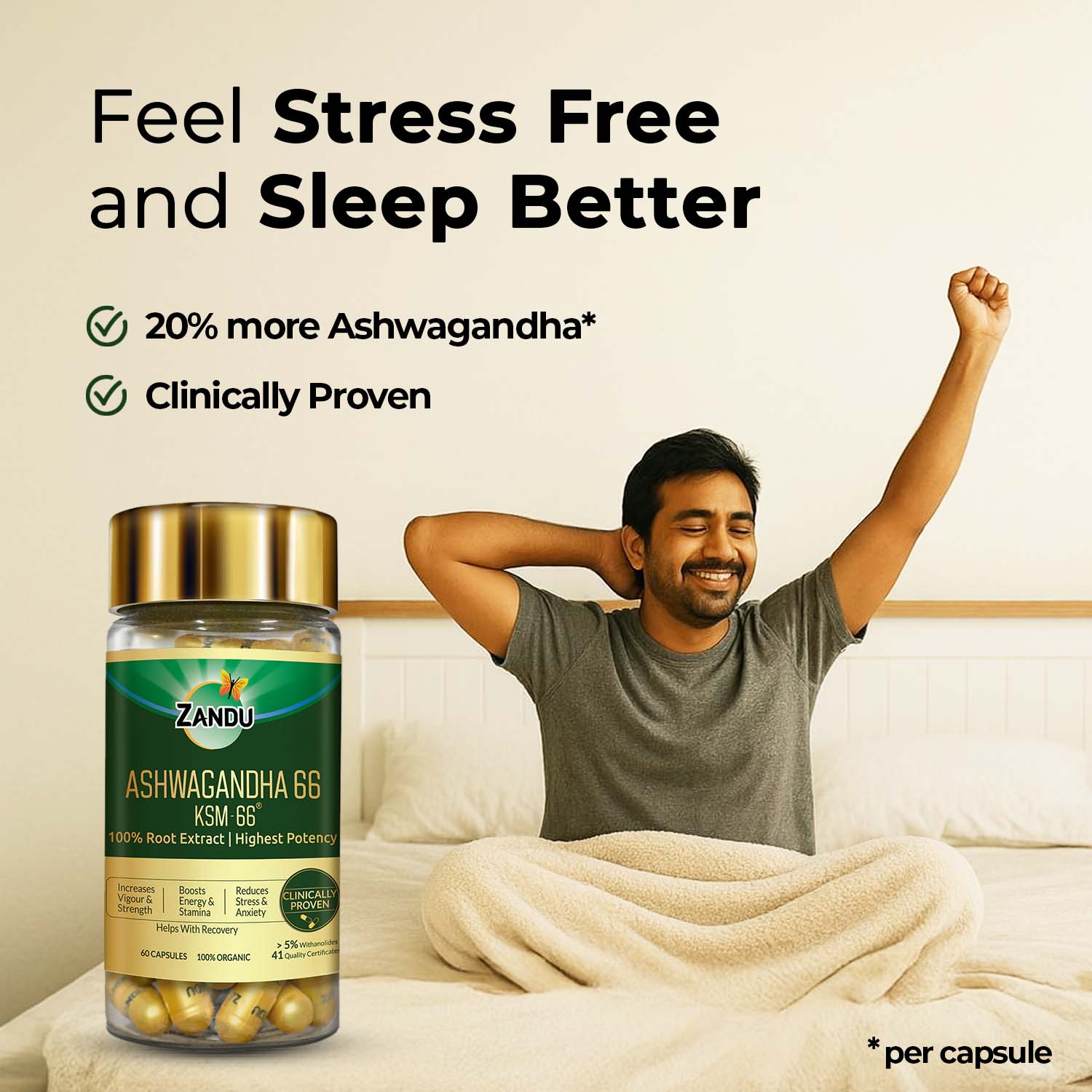
In addition to all of these tips, one of the easiest and most effective ways to manage stress is by incorporating Ashwagandha into your daily routine. You can do this easily with our 100% pure Ashwagandha Capsules, which help in combating stress.
How to Build Stress Management Into Your Fitness Plan
To make stress management part of your fitness routine, start small and be consistent. Here’s a sample plan:
- Morning: Do 5 minutes of deep breathing to start your day calmly.
- Before workout: Spend 5–10 minutes stretching to relax your muscles.
- During a workout: Focus on your movements, not your worries. Listening to upbeat music can help.
- After workout: Do a 10-minute yoga or meditation session to cool down.
- Evening: Write in a journal or spend time with loved ones to unwind.
- Night: Avoid screens and aim for 7–9 hours of sleep.
Try one or two of these at first, then add more as you get comfortable. The goal is to make stress relief a natural part of your fitness habits.
Benefits of Combining Stress Management and Fitness
When you manage stress alongside your workouts, you’ll notice significant improvements:
- More energy: Less stress means more energy for exercise and daily tasks.
- Better results: Faster recovery and balanced hormones help you build muscle and lose fat.
- Improved mood: Stress relief makes you happier and more motivated.
- Stronger body: Lower stress reduces injury risk, so that you can train harder.
- Long-term health: Managing stress lowers your risk of heart disease, obesity, and other issues tied to chronic stress.
Note: Fitness isn't just about lifting weights or clocking miles—it’s also about managing stress, which directly impacts your performance and recovery. Incorporating natural solutions can make a big difference. Explore our Ayurvedic Medicines for Stress Relief to help bring balance back to your routine. For enhanced benefits, try our Ashwagandha Gold Capsules, enriched with powerful adaptogens that support energy, stamina, and mental calm.
Common Myths About Stress and Fitness
Let’s clear up some myths about stress and fitness:
| Myth | Fact |
| Exercise alone is enough to manage stress. | While exercise helps, other stress-relief habits like sleep and meditation are also important. |
| Stress only affects your mind, not your body. | Stress impacts your muscles, hormones, and energy, all of which affect fitness. |
| You need hours to manage stress. | Even 5–10 minutes of deep breathing or stretching can make a difference. |
When to Seek Help
If stress feels overwhelming or you can’t manage it with these tips, talk to a professional. A doctor, therapist, or counsellor can help you find strategies that work. Signs you might need help include:
- Feeling anxious or sad most of the time.
- Trouble sleeping, even with good habits.
- Losing interest in fitness or other activities you enjoy.
- Physical symptoms like headaches or stomach issues.
Don’t be afraid to ask for support—taking care of your mental health is part of being fit.
Conclusion
Stress management is a key part of any fitness routine. Unmanaged stress can sap your energy, slow your progress, and even cause weight gain or injuries. By adding simple habits like deep breathing, yoga, or better sleep, you can boost your workouts, recover faster, and feel better overall. Start small, stay consistent, and listen to your body. A balanced routine that includes stress relief will help you reach your fitness goals and improve your health for the long haul. Make stress management a priority, and you’ll see the difference in your body and mind.
FAQs
1. Why is exercise important in stress management?
Exercise is vital for managing stress because it releases endorphins, which counteract stress hormones like cortisol. It also improves sleep, mood, and self-esteem, which enables better handling of stressful situations.
2. Why is managing stress a critical part of being healthy?
Managing stress is critical for health because chronic stress leads to elevated cortisol and inflammation in the body, which impairs immune function and can contribute to heart disease, diabetes, depression, digestive issues and more.
3. What are ways to manage stress?
Effective ways to manage stress include exercise, meditation/yoga, spending time in nature, deep breathing, keeping a gratitude journal, having social connections, getting enough sleep, and making time for enjoyable hobbies and activities.
4. How does eating healthy reduce stress?
Eating a nutrient-dense, whole food diet supports the body’s resilience in handling stress. Foods rich in vitamins C, magnesium, omega-3s and antioxidants can help regulate cortisol and neurotransmitter levels affected by stress. Staying well-hydrated is also key.
5. How does stress impact hormones?
Stress causes the body to produce more activating hormones like cortisol and adrenaline. Chronic stress leads to hormone imbalances like excess cortisol, lowered sex hormones, and impaired thyroid function, which causes widespread effects on physical and mental health.
References:
- Too much stress weakens your immune system so that you might get sick more often and miss workouts. (https://pmc.ncbi.nlm.nih.gov/)
- Stress causes the body to produce more activating hormones like cortisol and adrenaline. (https://www.apa.org/)
- Eggs, fish, chicken breast, lentils, beans, tofu – repair body tissues and improve mood. (https://www.ncbi.nlm.nih.gov/)

Written by

Zanducare
India’s trusted name in Ayurvedic wellness, offering time-tested solutions for today’s health and lifestyle needs. With formulations rooted in classical Ayurvedic texts and crafted using pure natural ingredients, we bring holistic care into your everyday routine.
Research by




Leave a comment
This site is protected by hCaptcha and the hCaptcha Privacy Policy and Terms of Service apply.