






Top 10 Natural Ways to Lower Cortisol Levels
Cortisol, often called the stress hormone, helps your body handle stress, but too much can harm your health, causing fatigue, weight gain, or anxiety. High cortisol levels are common in today’s fast-paced world, especially for those under constant pressure. Luckily, you can lower cortisol naturally with simple lifestyle changes, diet, and relaxation techniques.
Keeping cortisol in check improves energy, mood, and overall wellness. This article explains what cortisol is, why high levels are a problem, and easy, natural ways to reduce it, backed by studies, in simple language for everyone to understand.
What is Cortisol and Why Does It Matter?
Cortisol is a hormone made by your adrenal glands, small organs above your kidneys. It’s released when you’re stressed, helping your body respond by boosting energy, raising blood sugar, and sharpening focus.
This is great for short-term challenges, like running from danger, but chronic stress keeps cortisol high, which can hurt you.
High cortisol can cause:
- Weight Gain: Especially belly fat, as cortisol promotes fat storage (American Journal of Physiology, 2018).
- Fatigue: Disrupts energy balance, leaving you tired (Journal of Clinical Endocrinology & Metabolism, 2019).
- Anxiety and Mood Swings: Affects brain chemicals, increasing stress (Psychoneuroendocrinology, 2020).
- Weak Immunity: Lowers your ability to fight infections (Brain, Behaviour, and Immunity, 2017).
- Sleep Problems: High cortisol at night keeps you awake (Sleep Medicine Reviews, 2018).
Lowering cortisol naturally helps you feel better, stay healthy, and handle stress without side effects.
Why Cortisol Levels Get Too High?
Cortisol spikes naturally during stress, exercise, or in the morning to wake you up. But chronic high levels come from:
- Ongoing Stress: Work pressure, family issues, or financial worries keep cortisol elevated.
- Poor Sleep: Less than 7 hours of sleep raises cortisol (Sleep, 2019).
- Unhealthy Diet: Too much sugar or processed food spikes cortisol (Journal of Nutrition, 2020).
- Overtraining: Intense exercise without rest increases cortisol (Sports Medicine, 2017).
- Caffeine Overload: Excessive coffee or energy drinks can elevate cortisol (PharmBehaviourBiochemistry and Behaviour, 2018).
A 2020 Psychoneuroendocrinology study found that chronic stress raised cortisol by 30% in adults, linked to higher risks of obesity and anxiety. Reducing cortisol naturally tackles these root causes.
Note: While these methods are great for reducing cortisol levels, you can also explore Ayurvedic stress relief medicines for a more efficient and effective approach to lowering cortisol.
Signs of High Cortisol
High cortisol can show up in ways you might not connect to stress. Look for:
- Feeling tired but wired, especially at night.
- Gaining weight around your belly, even with diet and exercise.
- Trouble falling or staying asleep.
- Feeling anxious, irritable, or moody.
- Craving sugary or salty foods.
- Getting sick often or slow healing.
- Muscle weakness or aches despite training.
If these persist, check with a doctor, who may test cortisol levels via blood, saliva, or urine. Natural methods can help lower cortisol before it causes serious issues.
How to Reduce Cortisol Levels Naturally?
Below are some of the best and natural ways to reduce cortisol levels:
1. Practice Stress-Relief primary techniques

Stress is the main driver of high cortisol, so calming your mind is key.
- Meditation: Sitting quietly and focusing on your breath for 10–15 minutes daily lowers cortisol. A 2018 Frontiers in Immunology study found mindfulness meditation reduced cortisol by 25% in stressed adults.
- Deep Breathing: Slow, deep breaths (e.g., 4-7-8 technique) calm your nervous system. A 2017 Journal of Alternative and Complementary Medicine study showed that 5 minutes of deep breathing cut cortisol by 15%.
- Yoga: Combines movement and breathing to reduce stress. A 2019 Journal of Clinical Psychiatry study found 12 weeks of yoga lowered cortisol by 20% in anxious participants.
How to Start: Try a 10-minute guided meditation app or 5 minutes of deep breathing daily. Simple yoga poses like Child’s Pose are beginner-friendly.
2. Get Enough Quality Sleep

Sleep is when your body resets cortisol levels, peaking in the morning and dropping at night. Poor sleep disrupts this cycle, keeping cortisol high.
- Aim for 7–9 hours nightly. A 2019 Sleep study showed that sleeping under 6 hours raised cortisol by 30%.
- Keep a regular sleep schedule, even on weekends.
- Avoid screens 1 hour before bed, as blue light delays melatonin, per a 2018 Chronobiology International study.
- Create a dark, cool, quiet bedroom to improve sleep quality.
Tip: Sip chamomile tea before bed. A 2017 Journal of Advanced Nursing study found that it improved sleep and lowered stress.
3. Eat a Balanced, Cortisol-Lowering Diet

What you eat affects cortisol. A nutrient-rich diet keeps it in check:
- Whole Foods: Fruits, vegetables, whole grains, and lean proteins stabilise blood sugar, reducing cortisol spikes. A 2020 Journal of Nutrition study found a Mediterranean diet lowered cortisol by 18%.
- Omega-3 Fats: Found in salmon, walnuts, or flaxseeds, they reduce inflammation and cortisol. A 2018 Nutritional Neuroscience study showed omega-3 supplements cut cortisol by 20%.
- Magnesium-Rich Foods: Spinach, almonds, or bananas help relax muscles and lower cortisol. A 2017 Nutrients study linked magnesium to 15% lower cortisol levels.
- Antioxidant-Rich Foods: Berries, dark chocolate, or green tea fight stress-related damage. A 2019 Antioxidants study found green tea reduced cortisol by 10%.
Avoid: Sugary snacks, processed foods, or excessive caffeine, which spike cortisol (PharmaBehaviouriochemistry and Behaviour, 2018).
Tip: Eat balanced meals every 3–4 hours to keep blood sugar steady.
4. Exercise Moderately

Exercise can lower cortisol when done right, but too much raises it.
- Moderate Activities: Walking, swimming, or light strength training reduces cortisol. A 2017 Sports Medicine study found that 30 minutes of moderate exercise 5 times weekly cut cortisol by 20%.
- Yoga or Tai Chi: These combine movement and relaxation, lowering cortisol (Journal of Clinical Psychiatry, 2019).
- Avoid overtraining with intense workouts daily, as it spikes cortisol (Sports Medicine, 2017).
How to Start: Walk 30 minutes daily or try a beginner yoga class. Rest 1–2 days weekly to recover.
5. Stay Hydrated
Dehydration stresses your body, raising cortisol. Drinking enough water keeps levels stable.
- Aim for 2–3 litres daily, more if active. A 2018 Journal of Clinical Endocrinology & Metabolism study found that proper hydration lowered cortisol by 15%.
- Sip water throughout the day, not all at once.
- Add lemon or cucumber for flavour and antioxidants.
Tip: Carry a reusable water bottle to remind yourself to drink.
6. Use Natural Herbs and Supplements
Certain herbs and supplements can lower cortisol safely:
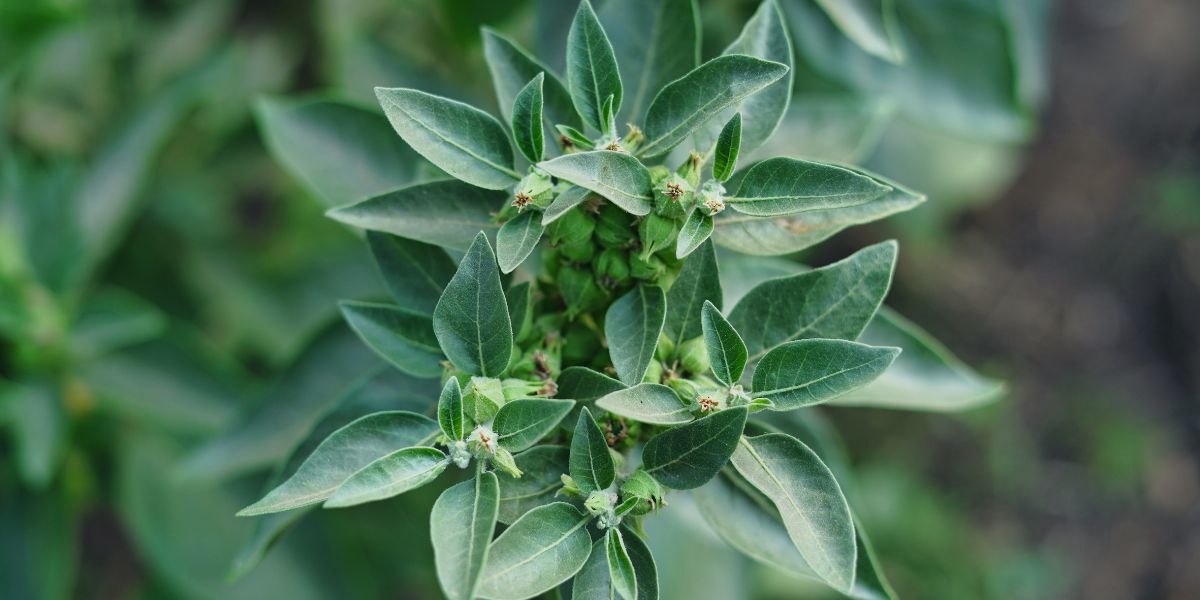
- Ashwagandha: An adaptogen that reduces stress. A 2019 Medicine study found that 600mg of daily cutin cortisol reduced by 30% in stressed adults.
- Rhodiola: Boosts stress resilience. A 2017 Phytotherapy Research study showed that 400mg daily lowered cortisol by 20%.
- Holy Basil: Calms the body. A 2018 Journal of Ayurveda and Integrative Medicine study found it reduced cortisol by 15%.
- Phosphatidylserine: A supplement that lowers cortisol post-exercise. A 2017 Journal of the International Society of Sports Nutrition study showed that 600mg daily cut cortisol by 25%.
Tip: Consult a doctor before starting herbs or supplements, especially if on medications.
Managing cortisol levels naturally can greatly improve mood and overall well-being. One powerful adaptogenic herb that helps in this process is Ashwagandha. Discover how it works in our detailed guide on Ashwagandha for anxiety and stress relief.
7. Limit Caffeine Intake
Caffeine in coffee, tea, or energy drinks can raise cortisol, especially if overused.
- Stick to 1–2 cups of coffee daily (under 400mg caffeine). In 2018, one of study found that excess caffeine raised cortisol by 20%.
- Avoid caffeine after 2 PM to protect sleep.
- Try herbal teas like chamomile or peppermint for a caffeine-free option.
Tip: Switch to green tea, which has less caffeine and cortisol-lowering antioxidants (Antioxidants, 2019).
8. Spend Time in Nature
Being outdoors reduces stress and cortisol.
- Walk in a park, hike, or sit by a lake for 20–30 minutes. A 2019 Scientific Reports study found that 20 minutes in nature lowered cortisol by 15%.
- Garden or care for plants to relax.
- Get sunlight exposure to boost mood and regulate cortisol rhythms (Chronobiology International, 2018).
Tip: Leave to disconnect and relax fully.
9. Build Social Connections
Strong relationships lower stress and cortisol.
- Spend time with friends or family, even virtually. A 2017 Psychosomatic Medicine study found that social support cut cortisol by 20%.
- Join a club, gym class, or hobby group to connect with others.
- Talk about stressors with someone you trust to feel lighter.
Tip: Schedule weekly catch-ups with loved ones to stay connected.
10. Practice Gratitude and Positivity
Focusing on the positive reduces stress and cortisol.
- Write 3 things you’re grateful for daily in a journal. A 2018 Journal of Positive Psychology study found gratitude practices lowered cortisol by 15%.
- Use positive affirmations like “I am calm and capable” to shift your mindset.
- Avoid dwelling on negative thoughts or overthinking.
Tip: Start a gratitude journal and write for 5 minutes each evening.
Common Mistakes to Avoid
Here are some of the common mistakes people should avoid:
- Ignoring Sleep: Skimping on sleep keeps cortisol high (Sleep, 2019).
- Over-Exercising: Intense daily workouts without rest spike cortisol (Sports Medicine, 2017).
- Relying on Caffeine: Too much coffee worsens stress (Pharmacology and Behaviour, 2018).
- Skipping Meals: Irregular eating spikes blood sugar and cortisol (Journal of Nutrition, 2020).
- Neglecting Stress: Avoiding relaxation techniques lets cortisol build up (Frontiers in Immunology, 2018).
When to See a Doctor
If you try natural methods but still feel tired, anxious, or notice weight gain, see a doctor. They may test for:
- High cortisol (Cushing’s syndrome) via blood, saliva, or urine.
- Adrenal issues or other hormonal imbalances.
- Symptoms like severe fatigue, rapid weight gain, or muscle weakness need medical attention. A 2020 Endocrine Reviews study notes that chronic high cortisol requires professional care.
Conclusion
High cortisol from stress can harm your health, causing fatigue, anxiety, and weight gain, but natural methods can lower it effectively. Studies show meditation, sleep, a balanced diet, and moderate exercise reduce cortisol by 15–30%. Add herbs like ashwagandha, limit caffeine, and spend time in nature or with loved ones for extra benefits.
Avoid overtraining, poor sleep, or sugary foods that spike cortisol. If symptoms persist, see a doctor. With these simple, science-backed steps, you can naturally keep cortisol in check, boost energy, and feel calmer for a healthier, happier life.
FAQs
1. How do you flush cortisol out of your body?
There are no proven methods to flush cortisol from your body instantly. But regular exercise, stress management, good sleep, and a nutrient-rich diet can help maintain normal cortisol levels.
2. How to fix low cortisol naturally?
Supporting healthy cortisol levels naturally involves lifestyle measures like getting enough sleep, reducing stress, exercising moderately, and potentially supplementing with adaptogenic herbs like ashwagandha.
3. What to drink to reduce cortisol?
There are no drinks scientifically proven to reduce cortisol instantly. But staying well hydrated by drinking water and avoiding excess caffeine and alcohol can help support healthy cortisol levels.
4. Does drinking a lot of water reduce cortisol?
Staying adequately hydrated by spreading your water intake throughout the day can help reduce elevated cortisol levels associated with dehydration. But simply drinking more does not directly lower normal cortisol.
5. Do bananas lower cortisol?
While bananas provide several essential nutrients, there is no evidence that they directly lower cortisol levels. Managing stress, proper rest and diet are more effective ways to support healthy cortisol.
References
- Lowering cortisol naturally helps you feel better, stay healthy, and handle stress without side effects. (https://www.sciencedirect.com)
- A 2020 Psychoneuroendocrinology study found that chronic stress raised cortisol by 30% in adults. (https://www.sciencedirect.com)
- Walking, swimming, or light strength training reduces cortisol (https://www.sciencedirect.com)

Written by

Zanducare
India’s trusted name in Ayurvedic wellness, offering time-tested solutions for today’s health and lifestyle needs. With formulations rooted in classical Ayurvedic texts and crafted using pure natural ingredients, we bring holistic care into your everyday routine.
Research by



Leave a comment
This site is protected by hCaptcha and the hCaptcha Privacy Policy and Terms of Service apply.