Skip to content

Flash Sale

shop now

Cart

Your cart is empty

Article: What Gym Trainers Don’t Tell You About Liver Fatigue on Protein Overload

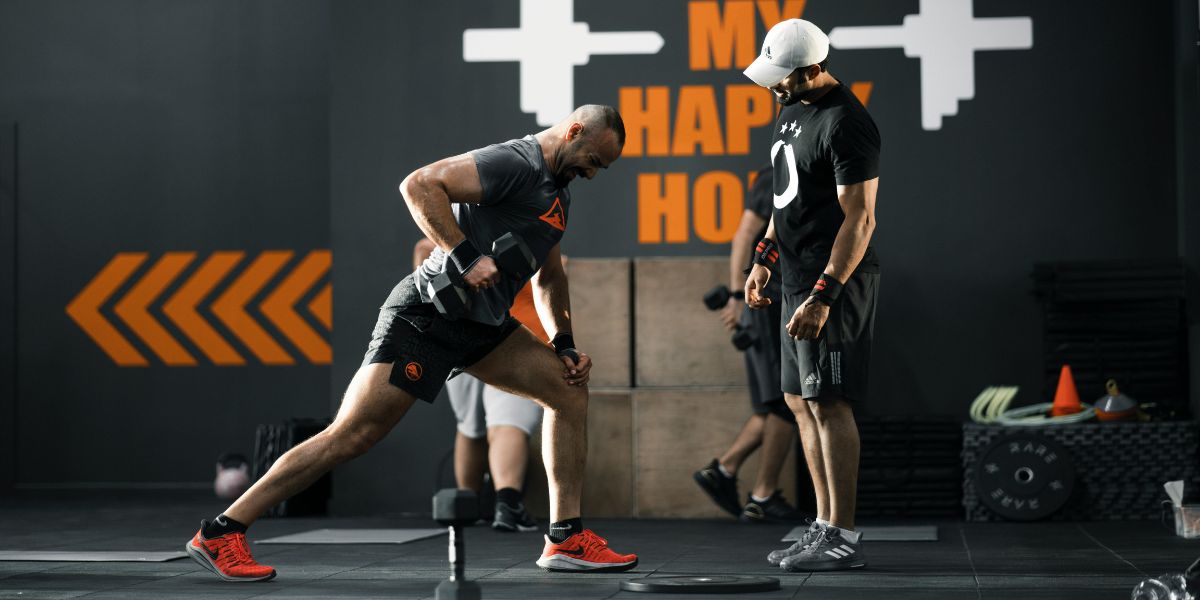
Indian gym trainers training

What Gym Trainers Don’t Tell You About Liver Fatigue on Protein Overload

Gym trainers often push high-protein diets to build muscle and boost performance, but they rarely talk about liver fatigue. Your liver works hard to process the protein you eat, and overloading it with too much can cause stress, slowing your progress and harming your health. 

Liver fatigue can lead to tiredness, poor recovery, or even serious issues like fatty liver disease. This article explains what liver fatigue is, how protein overload causes it, warning signs to watch for, and simple ways to protect your liver, all in easy language, backed by real studies.


What is Liver Fatigue?

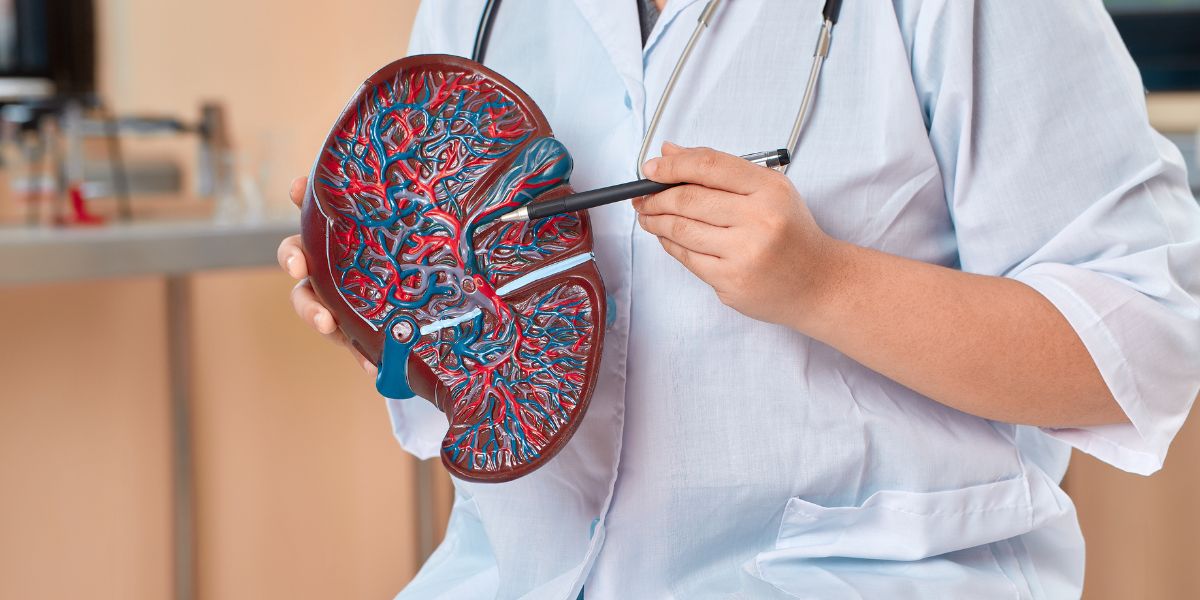
Liver fatigue happens when your liver gets overworked and can’t keep up with its many jobs. The liver is a vital organ that processes nutrients, filters toxins, stores energy, and helps build muscle. 

When you eat a lot of protein, your body has to break it down into amino acids and remove waste like ammonia. 

Too much protein, especially from shakes or processed foods, can strain the liver, leading to reduced efficiency, inflammation, or fat buildup (non-alcoholic fatty liver disease, NAFLD). For gym-goers, this means less energy, slower recovery, and weaker gains.

A 2018 study in the Journal of Hepatology found that high-protein diets (over 2g/kg body weight daily) can elevate liver enzymes (ALT, AST) in healthy people, signalling early liver stress. 

Another study in Nutrients (2020) showed that excessive protein, especially from animal sources, increases NAFLD risk by 20–30% in active individuals if not balanced with other nutrients.

How Protein Overload Affects the Liver

High-protein diets are standard in gyms, with many trainers recommending 1.6–2.2g of protein per kilogram of body weight daily (e.g., 112–154g for a 70-kg person). Some gym-goers go even higher, hitting 3g/kg or more, thinking it’ll boost muscle growth. But this overload can harm the liver:

  1. Increased Urea Production: The liver turns excess protein into urea, a waste product. Too much protein means more urea, overworking the liver and kidneys. A 2019 study in Clinical Nutrition found that diets exceeding 2.5g/kg raised urea levels, stressing the liver in athletes.
  2. Fatty Liver Risk: High-protein diets can lead to fat buildup in the liver (NAFLD). A 2021 American Journal of Clinical Nutrition study linked high animal protein intake to a 25% higher NAFLD risk.
  3. Ammonia Buildup: If the liver can’t process protein waste fast enough, ammonia levels rise, causing fatigue or brain fog. A 2017 Liver International study noted elevated ammonia in bodybuilders on extreme protein diets.
  4. Inflammation: Poor-quality protein sources (e.g., processed meats, low-grade shakes) can inflame the liver. A 2020 Gastroenterology study found that diets high in processed foods raised liver inflammation markers by 15%.
  5. Supplement Strain: Protein powders, pre-workouts, and creatine add additives (e.g., artificial sweeteners) that the liver must process, increasing its workload. A 2018 Journal of Dietary Supplements report linked low-quality supplements to liver enzyme spikes in 10% of users.

Gym trainers often focus on protein’s muscle-building benefits but may skip these risks, leaving you unaware of potential liver fatigue.

Why Gym Trainers Don’t Talk About Liver Fatigue?


Trainers emphasise protein because it’s key for muscle repair and growth, but they might not mention liver fatigue for several reasons:

  • Lack of Awareness: Many trainers aren’t trained in nutrition or liver health and focus only on performance.
  • Focus on Gains: The fitness industry prioritizes quick results, so trainers push high-protein plans without discussing long-term effects.
  • Supplement Sales: Some gyms profit from selling protein powders or pre-workouts, downplaying risks to boost sales.
  • Silent Symptoms: Liver fatigue often has no apparent signs early on, so trainers may not see it as a concern.

A 2022 survey in Sports Medicine found that 60% of fitness trainers lacked knowledge about the liver’s role in protein metabolism, highlighting a gap in education.

Signs of Liver Fatigue

Liver fatigue can be hard to spot because symptoms develop slowly. Watch for these warning signs:

  • Constant Tiredness: Feeling drained despite rest, as the liver struggles to produce energy. A 2019 Hepatology study linked high-protein diets to fatigue in 20% of athletes.
  • Slow Muscle Recovery: Sore muscles lasting days, as the liver can’t process protein for repair.
  • Yellow Skin/Eyes (Jaundice): Indicates the liver can’t clear bilirubin, a waste product.
  • Dark Urine or Pale Stools: Signs the liver isn’t filtering waste properly.
  • Upper Right Belly Pain: Discomfort where the liver sits may signal inflammation.
  • Nausea or Bloating: Poor digestion from an overworked liver.
  • Brain Fog: Ammonia buildup can cause trouble focusing, per a 2017 Journal of Clinical Gastroenterology study.

If these persist for weeks, see a doctor for liver function tests (LFTs) or an ultrasound to check for NAFLD or damage.

Note: Protein is essential for muscle growth, but too much can overload the liver and cause fatigue. To understand this better, read our detailed article on how a high-protein diet affects the liver.

Why Protecting Your Liver Matters?

A healthy liver is crucial for gym-goers on high-protein diets because it:

  • Supports Muscle Growth: Processes amino acids for muscle repair and growth.
  • Boosts Energy: Provides glucose for workouts and recovery.
  • Clears Toxins: Removes waste from protein and supplements, preventing fatigue.
  • Prevents Setbacks: Avoids issues like NAFLD, which affects 25% of adults globally (Lancet Gastroenterology, 2020), slowing fitness progress.

Liver fatigue can stall gains, reduce energy, and lead to serious health problems if ignored.

Note: While most fitness enthusiasts focus solely on protein intake and workout intensity, they often overlook the importance of restorative sleep in supporting liver detoxification and recovery. In fact, disrupted sleep patterns can further burden an already overloaded liver, especially when high-protein diets are involved.

How to Protect Your Liver from Protein Overload

1. Choose Quality Protein Sources

Not all proteins are equal. Pick liver-friendly options:

  • Plant-Based Proteins: Lentils, chickpeas, or tofu provide protein with less liver strain.
  • High-Quality Powders: Use whey isolate or plant-based powders with minimal additives. A 2021 Journal of Sports Sciences study found that clean supplements reduced liver stress compared to low-quality ones.

Avoid: Processed meats (sausages, bacon) or shakes with artificial sweeteners.

Note: If you’re facing signs of liver fatigue due to high protein intake, consider using Ayurvedic medicines for liver health to support natural detox and recovery.

2. Don’t Overdo Protein

Stick to 1.6–2.2g/kg body weight daily (e.g., 112–154g for a 70-kg person). More doesn’t mean better gains. A 2020 Journal of the International Society of Sports Nutrition study found no extra muscle benefit beyond 2g/kg, but liver enzyme levels rose at 3g/kg.

Tip: Spread protein across meals (e.g., 20–30g per meal) to ease the liver’s workload.

3. Balance Your Diet


A protein-heavy diet needs balance to support the liver:

  • Vegetables: Broccoli, kale, or spinach provide antioxidants. A 2019 Nutrients study showed veggie-rich diets cut NAFLD risk by 30%.
  • Fruits: Berries or apples aid detox with fiber and vitamins.
  • Whole Grains: Oats or quinoa improve digestion and reduce liver fat.
  • Healthy Fats: Avocados or olive oil support liver function in moderation.

Avoid: Sugary drinks, fried foods, or processed carbs that increase liver fat.

4. Stay Hydrated

Water helps the liver flush out urea and toxins. Aim for 2–3 liters daily, more if training. A 2018 European Journal of Clinical Nutrition study found that proper hydration lowered liver enzyme levels in high-protein dieters.

Tip: Add lemon to water for a detox boost, as it stimulates bile production.

5. Limit Toxins

Reduce the liver’s detox load:

  • Avoid Alcohol: Even small amounts harm the liver. A 2021 Hepatology study showed that alcohol worsened NAFLD in high-protein dieters.
  • Cut Excess Supplements: Limit pre-workouts or BCAAs with additives. A 2019 Journal of Dietary Supplements study linked overuse to liver stress.
  • Avoid Unnecessary Drugs: Painkillers like ibuprofen can strain the liver if overused.

6. Use Liver-Supporting Foods

Add these to your diet:

  • Turmeric: Curcumin reduces inflammation. A 2020 Phytotherapy Research study found it lowered liver fat by 15%.
  • Milk Thistle: Silymarin protects liver cells. Used as tea or supplements.
  • Beets: Antioxidants cleanse the liver.
  • Green Tea: Catechins reduce fat buildup, per a 2018 Journal of Nutrition study.

Tip: Consult a doctor before using herbal supplements, especially with medications.

7. Exercise Smart

Exercise supports liver health, but avoid overtraining:

  • Mix Cardio and Strength: Running or lifting burns fat. A 2022 Liver International study showed exercise reduced liver fat by 25%.
  • Try Yoga: Poses like Cobra stimulate the liver.
  • Rest Enough: Overtraining raises stress hormones, harming the liver.

8. Cycle Supplements

Take breaks from protein powders or pre-workouts:

  • Protein Powders: Use whole foods 1–2 days weekly.
  • Pre-Workouts: Limit to 3–4 times weekly. A 2021 Sports Medicine study found that cycling supplements reduced liver enzyme spikes.

9. Get Enough Sleep

Sleep (7–8 hours) lets the liver detox and repair. Poor sleep increases liver fat, according to a 2019 Sleep Medicine study.

10. Regular Checkups

Get yearly liver function tests (ALT, AST, bilirubin) and ultrasounds, especially on high-protein diets. A 2020 Journal of Sports Sciences study found that 20% of bodybuilders had elevated liver enzymes from protein overload.

Along with protein intake, sleep quality plays a vital role in overall liver health and recovery. Discover how sleep and liver health are deeply connected from an Ayurvedic perspective.

Common Mistakes Gym-Goers Make

  • Overloading Protein: Thinking more protein equals more muscle.
  • Ignoring Diet Balance: Focusing only on protein, skipping veggies or carbs.
  • Using Low-Quality Supplements: Cheap powders with fillers harm the liver.
  • Brushing Off Symptoms: Assuming fatigue is just from training.
  • Not Testing Liver Health: Missing silent damage until it’s serious.

When to See a Doctor


See a doctor if you notice:

  • Jaundice, dark urine, or pale stools.
  • Ongoing fatigue, nausea, or brain fog.
  • Upper right belly pain or slow recovery.
  • History of liver issues or heavy supplement use.

Tests like LFTs or ultrasounds can catch problems early.

Myths About Protein and Liver Health

Myth

Fact

High-protein diets are always safe

Over 2.2g/kg can stress the liver, per Clinical Nutrition (2019)

Only supplements cause liver fatigue

Excess protein from any source can strain the liver

Liver fatigue has obvious signs

Damage can be silent, needing tests to detect, per Hepatology (2018)

Conclusion

Gym trainers push high-protein diets for muscle gains, but they often skip the risks of liver fatigue. Too much protein, especially from shakes or processed foods, can overwork your liver, causing tiredness, slow recovery, or NAFLD. Protect your liver with quality proteins, a balanced diet, hydration, and liver-friendly foods like turmeric. 

Limit supplements, avoid alcohol, and get regular checkups. Studies show balanced diets and moderate protein keep your liver healthy, boosting energy and gains. Listen to your body, watch for warning signs, and prioritise liver health to stay strong and fit long-term.

FAQs

1. Can too much protein overwork the liver?

Yes, consuming extremely high protein for long periods can overwork or stress the liver, as it must metabolise excess nitrogen byproducts from protein breakdown. Moderation is key for liver health.

2. Can I go to the gym if I have a liver problem?

If you have a minor liver condition without complications, you may still exercise, but intensity and weights may need to be reduced. Check with your doctor first about liver disease to ensure safety.

3. How do you control high protein in your liver?

Eat a balanced diet with carbohydrates and fats, not just protein, and avoid protein supplements. Limit animal protein to 8-12 ounces daily, and choose plant proteins like beans often for fibre and nutrients that also aid liver function.

4. What are the symptoms of too much protein?

Symptoms of excessive protein include nausea, diarrhoea, dehydration, feeling overly full, foul-smelling sweat or urine, and impaired kidney or liver function over time.

5. How do I know if my protein levels are too high?

Protein levels cannot be self-diagnosed. See your doctor and get blood work done to check if liver enzymes, kidney function or protein byproducts are abnormal, if protein overconsumption is suspected.

References:

  1. Poor sleep increases liver fat, according to a 2019 Sleep Medicine study. (https://pmc.ncbi.nlm.nih.gov)
  2. A 2020 Journal of Sports Sciences study found that 20% of bodybuilders had elevated liver enzymes from protein overload.
  3. A 2018 European Journal of Clinical Nutrition study found that proper hydration lowered liver enzyme levels in high-protein dieters. (https://pmc.ncbi.nlm.nih.gov)

Gym trainers often push high-protein diets to build muscle and boost performance, but they rarely talk about liver fatigue. Your liver works hard to process the protein you eat, and overloading it with too much can cause stress, slowing your progress and harming your health. 

Liver fatigue can lead to tiredness, poor recovery, or even serious issues like fatty liver disease. This article explains what liver fatigue is, how protein overload causes it, warning signs to watch for, and simple ways to protect your liver, all in easy language, backed by real studies.


What is Liver Fatigue?

Liver fatigue happens when your liver gets overworked and can’t keep up with its many jobs. The liver is a vital organ that processes nutrients, filters toxins, stores energy, and helps build muscle. 

When you eat a lot of protein, your body has to break it down into amino acids and remove waste like ammonia. 

Too much protein, especially from shakes or processed foods, can strain the liver, leading to reduced efficiency, inflammation, or fat buildup (non-alcoholic fatty liver disease, NAFLD). For gym-goers, this means less energy, slower recovery, and weaker gains.

A 2018 study in the Journal of Hepatology found that high-protein diets (over 2g/kg body weight daily) can elevate liver enzymes (ALT, AST) in healthy people, signalling early liver stress. 

Another study in Nutrients (2020) showed that excessive protein, especially from animal sources, increases NAFLD risk by 20–30% in active individuals if not balanced with other nutrients.

How Protein Overload Affects the Liver

High-protein diets are standard in gyms, with many trainers recommending 1.6–2.2g of protein per kilogram of body weight daily (e.g., 112–154g for a 70-kg person). Some gym-goers go even higher, hitting 3g/kg or more, thinking it’ll boost muscle growth. But this overload can harm the liver:

  1. Increased Urea Production: The liver turns excess protein into urea, a waste product. Too much protein means more urea, overworking the liver and kidneys. A 2019 study in Clinical Nutrition found that diets exceeding 2.5g/kg raised urea levels, stressing the liver in athletes.
  2. Fatty Liver Risk: High-protein diets can lead to fat buildup in the liver (NAFLD). A 2021 American Journal of Clinical Nutrition study linked high animal protein intake to a 25% higher NAFLD risk.
  3. Ammonia Buildup: If the liver can’t process protein waste fast enough, ammonia levels rise, causing fatigue or brain fog. A 2017 Liver International study noted elevated ammonia in bodybuilders on extreme protein diets.
  4. Inflammation: Poor-quality protein sources (e.g., processed meats, low-grade shakes) can inflame the liver. A 2020 Gastroenterology study found that diets high in processed foods raised liver inflammation markers by 15%.
  5. Supplement Strain: Protein powders, pre-workouts, and creatine add additives (e.g., artificial sweeteners) that the liver must process, increasing its workload. A 2018 Journal of Dietary Supplements report linked low-quality supplements to liver enzyme spikes in 10% of users.

Gym trainers often focus on protein’s muscle-building benefits but may skip these risks, leaving you unaware of potential liver fatigue.

Why Gym Trainers Don’t Talk About Liver Fatigue?


Trainers emphasise protein because it’s key for muscle repair and growth, but they might not mention liver fatigue for several reasons:

  • Lack of Awareness: Many trainers aren’t trained in nutrition or liver health and focus only on performance.
  • Focus on Gains: The fitness industry prioritizes quick results, so trainers push high-protein plans without discussing long-term effects.
  • Supplement Sales: Some gyms profit from selling protein powders or pre-workouts, downplaying risks to boost sales.
  • Silent Symptoms: Liver fatigue often has no apparent signs early on, so trainers may not see it as a concern.

A 2022 survey in Sports Medicine found that 60% of fitness trainers lacked knowledge about the liver’s role in protein metabolism, highlighting a gap in education.

Signs of Liver Fatigue

Liver fatigue can be hard to spot because symptoms develop slowly. Watch for these warning signs:

  • Constant Tiredness: Feeling drained despite rest, as the liver struggles to produce energy. A 2019 Hepatology study linked high-protein diets to fatigue in 20% of athletes.
  • Slow Muscle Recovery: Sore muscles lasting days, as the liver can’t process protein for repair.
  • Yellow Skin/Eyes (Jaundice): Indicates the liver can’t clear bilirubin, a waste product.
  • Dark Urine or Pale Stools: Signs the liver isn’t filtering waste properly.
  • Upper Right Belly Pain: Discomfort where the liver sits may signal inflammation.
  • Nausea or Bloating: Poor digestion from an overworked liver.
  • Brain Fog: Ammonia buildup can cause trouble focusing, per a 2017 Journal of Clinical Gastroenterology study.

If these persist for weeks, see a doctor for liver function tests (LFTs) or an ultrasound to check for NAFLD or damage.

Note: Protein is essential for muscle growth, but too much can overload the liver and cause fatigue. To understand this better, read our detailed article on how a high-protein diet affects the liver.

Why Protecting Your Liver Matters?

A healthy liver is crucial for gym-goers on high-protein diets because it:

  • Supports Muscle Growth: Processes amino acids for muscle repair and growth.
  • Boosts Energy: Provides glucose for workouts and recovery.
  • Clears Toxins: Removes waste from protein and supplements, preventing fatigue.
  • Prevents Setbacks: Avoids issues like NAFLD, which affects 25% of adults globally (Lancet Gastroenterology, 2020), slowing fitness progress.

Liver fatigue can stall gains, reduce energy, and lead to serious health problems if ignored.

Note: While most fitness enthusiasts focus solely on protein intake and workout intensity, they often overlook the importance of restorative sleep in supporting liver detoxification and recovery. In fact, disrupted sleep patterns can further burden an already overloaded liver, especially when high-protein diets are involved.

How to Protect Your Liver from Protein Overload

1. Choose Quality Protein Sources

Not all proteins are equal. Pick liver-friendly options:

  • Plant-Based Proteins: Lentils, chickpeas, or tofu provide protein with less liver strain.
  • High-Quality Powders: Use whey isolate or plant-based powders with minimal additives. A 2021 Journal of Sports Sciences study found that clean supplements reduced liver stress compared to low-quality ones.

Avoid: Processed meats (sausages, bacon) or shakes with artificial sweeteners.

Note: If you’re facing signs of liver fatigue due to high protein intake, consider using Ayurvedic medicines for liver health to support natural detox and recovery.

2. Don’t Overdo Protein

Stick to 1.6–2.2g/kg body weight daily (e.g., 112–154g for a 70-kg person). More doesn’t mean better gains. A 2020 Journal of the International Society of Sports Nutrition study found no extra muscle benefit beyond 2g/kg, but liver enzyme levels rose at 3g/kg.

Tip: Spread protein across meals (e.g., 20–30g per meal) to ease the liver’s workload.

3. Balance Your Diet


A protein-heavy diet needs balance to support the liver:

  • Vegetables: Broccoli, kale, or spinach provide antioxidants. A 2019 Nutrients study showed veggie-rich diets cut NAFLD risk by 30%.
  • Fruits: Berries or apples aid detox with fiber and vitamins.
  • Whole Grains: Oats or quinoa improve digestion and reduce liver fat.
  • Healthy Fats: Avocados or olive oil support liver function in moderation.

Avoid: Sugary drinks, fried foods, or processed carbs that increase liver fat.

4. Stay Hydrated

Water helps the liver flush out urea and toxins. Aim for 2–3 liters daily, more if training. A 2018 European Journal of Clinical Nutrition study found that proper hydration lowered liver enzyme levels in high-protein dieters.

Tip: Add lemon to water for a detox boost, as it stimulates bile production.

5. Limit Toxins

Reduce the liver’s detox load:

  • Avoid Alcohol: Even small amounts harm the liver. A 2021 Hepatology study showed that alcohol worsened NAFLD in high-protein dieters.
  • Cut Excess Supplements: Limit pre-workouts or BCAAs with additives. A 2019 Journal of Dietary Supplements study linked overuse to liver stress.
  • Avoid Unnecessary Drugs: Painkillers like ibuprofen can strain the liver if overused.

6. Use Liver-Supporting Foods

Add these to your diet:

  • Turmeric: Curcumin reduces inflammation. A 2020 Phytotherapy Research study found it lowered liver fat by 15%.
  • Milk Thistle: Silymarin protects liver cells. Used as tea or supplements.
  • Beets: Antioxidants cleanse the liver.
  • Green Tea: Catechins reduce fat buildup, per a 2018 Journal of Nutrition study.

Tip: Consult a doctor before using herbal supplements, especially with medications.

7. Exercise Smart

Exercise supports liver health, but avoid overtraining:

  • Mix Cardio and Strength: Running or lifting burns fat. A 2022 Liver International study showed exercise reduced liver fat by 25%.
  • Try Yoga: Poses like Cobra stimulate the liver.
  • Rest Enough: Overtraining raises stress hormones, harming the liver.

8. Cycle Supplements

Take breaks from protein powders or pre-workouts:

  • Protein Powders: Use whole foods 1–2 days weekly.
  • Pre-Workouts: Limit to 3–4 times weekly. A 2021 Sports Medicine study found that cycling supplements reduced liver enzyme spikes.

9. Get Enough Sleep

Sleep (7–8 hours) lets the liver detox and repair. Poor sleep increases liver fat, according to a 2019 Sleep Medicine study.

10. Regular Checkups

Get yearly liver function tests (ALT, AST, bilirubin) and ultrasounds, especially on high-protein diets. A 2020 Journal of Sports Sciences study found that 20% of bodybuilders had elevated liver enzymes from protein overload.

Along with protein intake, sleep quality plays a vital role in overall liver health and recovery. Discover how sleep and liver health are deeply connected from an Ayurvedic perspective.

Common Mistakes Gym-Goers Make

  • Overloading Protein: Thinking more protein equals more muscle.
  • Ignoring Diet Balance: Focusing only on protein, skipping veggies or carbs.
  • Using Low-Quality Supplements: Cheap powders with fillers harm the liver.
  • Brushing Off Symptoms: Assuming fatigue is just from training.
  • Not Testing Liver Health: Missing silent damage until it’s serious.

When to See a Doctor


See a doctor if you notice:

  • Jaundice, dark urine, or pale stools.
  • Ongoing fatigue, nausea, or brain fog.
  • Upper right belly pain or slow recovery.
  • History of liver issues or heavy supplement use.

Tests like LFTs or ultrasounds can catch problems early.

Myths About Protein and Liver Health

Myth

Fact

High-protein diets are always safe

Over 2.2g/kg can stress the liver, per Clinical Nutrition (2019)

Only supplements cause liver fatigue

Excess protein from any source can strain the liver

Liver fatigue has obvious signs

Damage can be silent, needing tests to detect, per Hepatology (2018)

Conclusion

Gym trainers push high-protein diets for muscle gains, but they often skip the risks of liver fatigue. Too much protein, especially from shakes or processed foods, can overwork your liver, causing tiredness, slow recovery, or NAFLD. Protect your liver with quality proteins, a balanced diet, hydration, and liver-friendly foods like turmeric. 

Limit supplements, avoid alcohol, and get regular checkups. Studies show balanced diets and moderate protein keep your liver healthy, boosting energy and gains. Listen to your body, watch for warning signs, and prioritise liver health to stay strong and fit long-term.

FAQs

1. Can too much protein overwork the liver?

Yes, consuming extremely high protein for long periods can overwork or stress the liver, as it must metabolise excess nitrogen byproducts from protein breakdown. Moderation is key for liver health.

2. Can I go to the gym if I have a liver problem?

If you have a minor liver condition without complications, you may still exercise, but intensity and weights may need to be reduced. Check with your doctor first about liver disease to ensure safety.

3. How do you control high protein in your liver?

Eat a balanced diet with carbohydrates and fats, not just protein, and avoid protein supplements. Limit animal protein to 8-12 ounces daily, and choose plant proteins like beans often for fibre and nutrients that also aid liver function.

4. What are the symptoms of too much protein?

Symptoms of excessive protein include nausea, diarrhoea, dehydration, feeling overly full, foul-smelling sweat or urine, and impaired kidney or liver function over time.

5. How do I know if my protein levels are too high?

Protein levels cannot be self-diagnosed. See your doctor and get blood work done to check if liver enzymes, kidney function or protein byproducts are abnormal, if protein overconsumption is suspected.

References:

  1. Poor sleep increases liver fat, according to a 2019 Sleep Medicine study. (https://pmc.ncbi.nlm.nih.gov)
  2. A 2020 Journal of Sports Sciences study found that 20% of bodybuilders had elevated liver enzymes from protein overload.
  3. A 2018 European Journal of Clinical Nutrition study found that proper hydration lowered liver enzyme levels in high-protein dieters. (https://pmc.ncbi.nlm.nih.gov)

Related Articles

Ways to keep your liver clean

Natural Ways to Keep Your Liver Clean While Bulking Up

Bulking up means eating more and lifting heavy to gain muscle, but it can stress your liver, especially with high-protein diets or supplements. Your liver processes nutrients, clears toxins, and su...

Read more
Lady under stress from cortisol levels

Top 10 Natural Ways to Lower Cortisol Levels

Cortisol, often called the stress hormone, helps your body handle stress, but too much can harm your health, causing fatigue, weight gain, or anxiety. High cortisol levels are common in today’s fas...

Read more