





Skip to content

Flash Sale

shop now

Cart

Your cart is empty

Article: How does Ashwagandha Lower Cortisol Levels? Top 6 Benefits

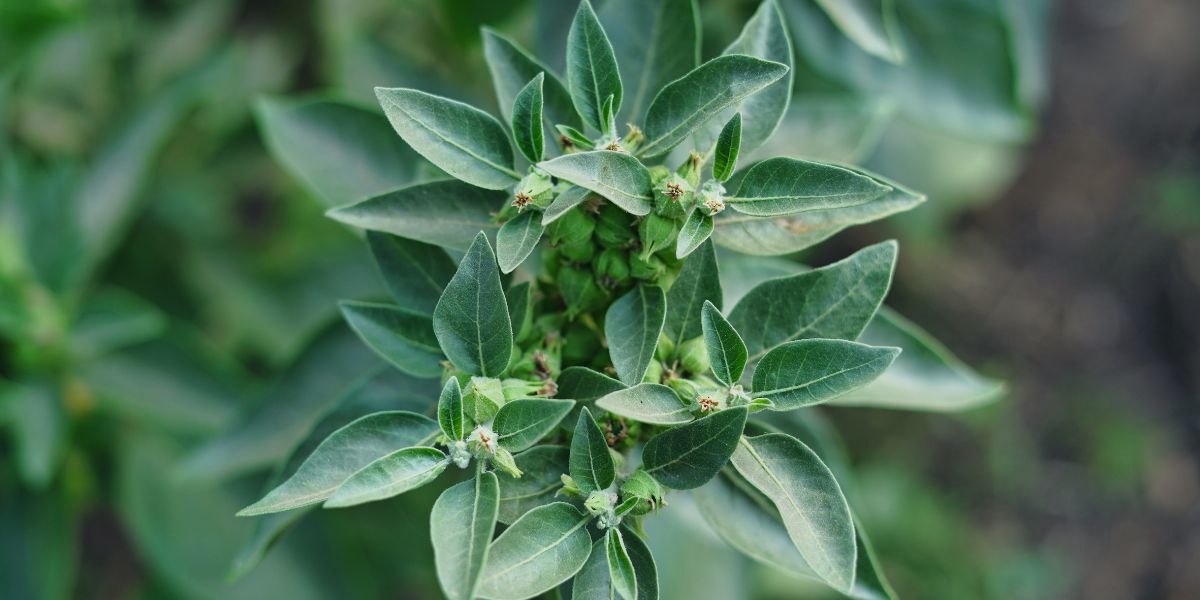
Ashwagandha plant and Cortisol

How does Ashwagandha Lower Cortisol Levels? Top 6 Benefits

Ashwagandha, a powerful herb in Ayurveda, is known for calming stress and balancing the body. Cortisol, the stress hormone, can spike from daily pressures, causing fatigue, anxiety, or weight gain. Ayurveda, an ancient Indian healing system, uses ashwagandha to lower cortisol naturally, promoting calm and energy. 

This article explores what Ayurveda says about ashwagandha for cortisol control, how it works, its benefits, and safe ways to use it.

What is Cortisol and Why is it a Problem?


Cortisol is a hormone made by your adrenal glands, released during stress to help your body cope. It boosts energy, raises blood sugar, and sharpens focus for short-term challenges. However, chronic stress keeps cortisol high, leading to issues like:

  • Weight Gain: Especially belly fat, as cortisol promotes fat storage (American Journal of Physiology, 2018).
  • Fatigue: Disrupts energy balance, leaving you tired (Journal of Clinical Endocrinology & Metabolism, 2019).
  • Anxiety: Affects brain chemicals, increasing stress (Psychoneuroendocrinology, 2020).
  • Poor Sleep: High cortisol at night keeps you awake (Sleep Medicine Reviews, 2018).
  • Weak Immunity: Lowers your ability to fight infections (Brain, Behavior, and Immunity, 2017).

A 2020 Psychoneuroendocrinology study found chronic stress raised cortisol by 30% in adults, linked to obesity and mood issues. Ayurveda suggests ashwagandha supplements to naturally lower cortisol and restore balance.

What is Ashwagandha in Ayurveda?

Ashwagandha (Withania somnifera), called “Indian ginseng,” is a key herb in Ayurveda, a 5,000-year-old Indian healing system. Known as a Rasayana (rejuvenating herb), it’s used to boost strength, calm the mind, and balance the body’s energies, or doshas (Vata, Pitta, Kapha). In Ayurveda, ashwagandha is prized for:

  • Reducing stress and anxiety.
  • Boosting energy and stamina.
  • Improving sleep and mental clarity.
  • Supporting hormone balance, including cortisol.

Ayurveda sees high cortisol as an imbalance of Vata (air, movement) and Pitta (fire, metabolism), which ashwagandha helps correct by calming the nervous system and reducing stress. 

Its roots are used in powders, capsules, teas, or mixed with milk for their adaptogenic (stress-fighting) properties.

How Ashwagandha Lowers Cortisol: Ayurvedic Perspective


Ayurveda teaches that stress disrupts the body’s balance, raising cortisol and causing mental and physical strain. 

Ashwagandha works as an adaptogen, helping the body adapt to stress and lower cortisol. Here’s how, according to Ayurveda and science:

  • Calms Vata Dosha: High stress aggravates Vata, leading to anxiety and restlessness. Ashwagandha’s grounding properties soothe Vata, reducing cortisol (Journal of Ayurveda and Integrative Medicine, 2018).
  • Balances Pitta: Excess Pitta causes inflammation and irritability, which spikes cortisol. Ashwagandha cools Pitta, promoting calm.
  • Supports Ojas: In Ayurveda, Ojas is your vital energy. Stress depletes Ojas, raising cortisol. Ashwagandha rebuilds Ojas, enhancing resilience.
  • Regulates Nervous System: Ashwagandha calms the adrenal glands, reducing cortisol release during stress.

A 2019 Medicine study found that 600mg of ashwagandha daily reduced cortisol by 30% in stressed adults after 8 weeks, supporting Ayurveda’s claims.

Chronic stress and elevated cortisol levels can lead to poor appetite and unintended weight loss. To understand how Ashwagandha helps in natural weight gain by reducing cortisol, explore our in-depth article on its adaptogenic properties.

Scientific Evidence on Ashwagandha and Cortisol

Modern research backs Ayurveda’s use of ashwagandha for cortisol control:

  • Stress Reduction: A 2012 Indian Journal of Psychological Medicine study showed 300mg of ashwagandha twice daily lowered cortisol by 27% and reduced stress scores by 44% in 60 days.
  • Anxiety Relief: A 2019 Cureus study found that 240mg of ashwagandha daily cut cortisol by 23% and improved anxiety symptoms in 12 weeks.
  • Sleep Improvement: A 2020 Journal of Ethnopharmacology study showed 600mg of ashwagandha improved sleep quality and lowered cortisol by 15%, as high cortisol disrupts sleep.
  • Physical Performance: A 2015 Journal of the International Society of Sports Nutrition study found that 300mg twice daily reduced cortisol by 22% in athletes, boosting strength and recovery.
  • Mental Health: A 2017 Phytotherapy Research study linked ashwagandha to a 20% cortisol drop and better mood in stressed individuals.

These studies confirm ashwagandha’s ability to lower cortisol, aligning with Ayurvedic wisdom.

Benefits of Lowering Cortisol with Ashwagandha

Using ashwagandha to manage cortisol offers multiple benefits, per Ayurveda and research:

  • Less Stress and Anxiety: Calms the mind, reducing worry and tension (Cureus, 2019).
  • Better Sleep: Lowers nighttime cortisol for deeper rest (Journal of Ethnopharmacology, 2020).
  • More Energy: Reduces fatigue by balancing cortisol and boosting stamina (Indian Journal of Psychological Medicine, 2012).
  • Improved Mood: Eases irritability and supports mental clarity (Phytotherapy Research, 2017).
  • Weight Control: Lowers cortisol-driven belly fat storage (American Journal of Physiology, 2018).
  • Stronger Immunity: Protects against infections by reducing cortisol’s immune-suppressing effects (Brain, Behaviour, and Immunity, 2017).

Ayurveda emphasises that these benefits come from ashwagandha’s holistic effect on the body and mind.

Note: If you’re looking to go deeper into natural cortisol management, don’t miss our detailed article on natural ways to reduce high cortisol using Ayurvedic remedies and lifestyle changes.

How to Use Ashwagandha for Cortisol: Ayurvedic Methods


Ayurveda offers several ways to use ashwagandha, tailored to your needs. Always consult an Ayurvedic practitioner or doctor for personalised advice, especially for dosage and safety.

1. Ashwagandha Powder

  • How to Use: Mix 1–2g (½ tsp) of ashwagandha powder in warm milk, water, or honey. Take at night for better sleep or morning for energy.
  • Ayurvedic Tip: Combine with ghee or milk to balance Vata and enhance absorption.
  • Study: A 2019 Medicine study used 600mg daily (split doses) to lower cortisol effectively.

2. Ashwagandha Capsules

  • How to Use: Take 300–600mg daily, ideally with meals. Start with a lower dose and adjust as needed.
  • Ayurvedic Tip: Capsules suit busy lifestyles, but choose high-quality brands with minimal fillers.
  • Study: A 2012 Indian Journal of Psychological Medicine study used 600mg daily for stress relief.

3. Ashwagandha Tea

  • How to Use: Steep 1–2g of ashwagandha root in hot water for 10 minutes. Drink 1–2 times daily.
  • Ayurvedic Tip: Add cardamom or cinnamon to balance Pitta and improve taste.
  • Study: A 2018 Journal of Ayurveda and Integrative Medicine study found herbal teas with ashwagandha reduced cortisol by 15%.

4. Ashwagandha with Other Herbs

  • How to Use: Combine with herbs like tulsi or brahmi for added stress relief, as advised by a practitioner.
  • Ayurvedic Tip: Blends enhance ashwagandha’s effects on Ojas and dosha balance.
  • Study: A 2017 Phytotherapy Research study showed ashwagandha, with other adaptogens, cut cortisol by 25%.

5. Ayurvedic Lifestyle Support

Ayurveda emphasises pairing ashwagandha with lifestyle changes:

  • Diet: Eat warm, cooked foods (e.g., soups, lentils) to calm Vata. Avoid spicy or processed foods (Journal of Nutrition, 2020).
  • Sleep: Aim for 7–9 hours to lower nighttime cortisol (Sleep, 2019).
  • Routine: Follow a daily schedule (Dinacharya) to stabilise cortisol rhythms.

Dosage Note: Studies typically use 300–600mg daily, but Ayurveda tailors doses to your Prakriti (body type). Start low (250mg) and consult a practitioner.

How to Enhance Ashwagandha’s Effects

To maximise ashwagandha’s cortisol-lowering benefits, combine it with these natural practices:

1. Practice Meditation and Yoga

  • Why: Calms the mind and reduces cortisol. A 2018 Frontiers in Immunology study found meditation lowered cortisol by 25%.
  • Ayurvedic Tip: Try 10 minutes of mindfulness or yoga poses like Child’s Pose to balance Vata.
  • How: Meditate daily or join a beginner yoga class.

2. Eat a Balanced Diet

  • Why: Nutrient-rich foods stabilise cortisol. A 2020 Journal of Nutrition study showed a Mediterranean diet cut cortisol by 18%.
  • Ayurvedic Tip: Include ghee, almonds, and fruits like apples to support Ojas.
  • How: Eat veggies, whole grains, and lean proteins every 3–4 hours.

3. Get Enough Sleep

  • Why: Sleep resets cortisol rhythms. A 2019 Sleep study found 7–8 hours lowered cortisol by 15%.
  • Ayurvedic Tip: Drink warm milk with ashwagandha before bed to calm Vata.
  • How: Keep a consistent sleep schedule and avoid screens before bed.

4. Limit Caffeine

  • Why: Excess caffeine raises cortisol. A 2018 Pharmacology Biochemistry and Behavior study found over 400mg daily increased cortisol by 20%.
  • Ayurvedic Tip: Replace coffee with tulsi tea to balance Pitta.
  • How: Stick to 1–2 cups of coffee and avoid after 2 PM.

5. Spend Time in Nature

  • Why: Nature reduces stress. A 2019 Scientific Reports study showed 20 minutes outdoors cut cortisol by 15%.
  • Ayurvedic Tip: Walk barefoot on grass to ground Vata.
  • How: Take a daily walk in a park or garden.

Safety and Precautions

Ashwagandha is generally safe but requires care:

  • Consult a Doctor: Especially if pregnant, breastfeeding, or on medications (e.g., thyroid or sedatives). A 2018 Journal of Ethnopharmacology study noted rare side effects like stomach upset.
  • Avoid Overuse: High doses (over 1,000mg daily) may cause drowsiness or digestive issues.
  • Allergies: Stop if you notice a rash or discomfort.
  • Quality Matters: Choose reputable brands with third-party testing to avoid contaminants (Journal of Dietary Supplements, 2018).

Ayurveda advises using ashwagandha under a practitioner’s guidance to match your body type and needs.

When to See a Doctor

If you try ashwagandha but still feel tired, anxious, or notice weight gain, see a doctor. They may test for:

  • High cortisol (Cushing’s syndrome) via blood or saliva.
  • Thyroid or adrenal issues.
    Symptoms like severe fatigue, rapid weight gain, or muscle weakness need medical attention (Endocrine Reviews, 2020).

Managing cortisol levels effectively often involves lifestyle changes along with herbal support. You can browse our Ayurvedic stress care medicines for more natural options.

Common Myths About Ashwagandha and Cortisol

Myth

Fact

Ashwagandha works instantly

It takes 4–8 weeks for full effects

Ashwagandha is only for stress

It also boosts energy, sleep, and immunity

More ashwagandha is better

300–600mg daily is effective; excess may cause side effects

Conclusion

Ashwagandha, a star herb in Ayurveda, naturally lowers cortisol, helping you manage stress, sleep better, and boost energy. Ayurveda says it calms Vata, balances Pitta, and builds Ojas, while studies show it reduces cortisol by 15–30%. 

Use it as powder, capsules, or tea, paired with a healthy diet, sleep, and yoga for the best results. 

Start with 300mg daily and consult a doctor for safety. Avoid overuse and choose quality products. With ashwagandha and Ayurvedic practices, you can keep cortisol in check, feel calmer, and improve your health the natural way.

FAQs

1. Can ashwagandha reduce cortisol levels?

Research shows the adaptogenic herb ashwagandha can help lower cortisol levels, especially in chronically stressed individuals when supplemented over time.

2. How to reduce cortisol in Ayurveda?

Ayurveda recommends adaptogenic herbs like ashwagandha, brahmi, and holy basil to help balance high cortisol levels, along with lifestyle measures like yoga, meditation, massage, and regulating sleep.

3. What is the best herb to reduce cortisol?

Of the adaptogenic herbs, ashwagandha has the most research support for its ability to help reduce elevated cortisol levels when used regularly. Rhodiola and holy basil may also provide cortisol-lowering benefits.


4. Does ashwagandha have adverse side effects?

Ashwagandha is generally well tolerated when using the typical recommended dosages. But minor side effects like stomach upset, diarrhoea, or nausea are possible. It is not recommended for pregnancy.

5. How to know if cortisol is high?

Classic signs of elevated cortisol that indicate a doctor should check it include unexplained weight gain, high blood pressure, poor sleep, bone loss, anxiety, and fatigue.

References

  1. Ashwagandha, a powerful herb in Ayurveda, is known for calming stress and balancing the body. (https://pmc.ncbi.nlm.nih.gov)
  2. 300–600mg daily is effective; excess may cause side effects. (https://www.sciencedirect.com)
  3. A 2015 Journal of the International Society of Sports Nutrition study found that 300mg twice daily reduced cortisol by 22% in athletes. (https://openurl.ebsco.com)

Ashwagandha, a powerful herb in Ayurveda, is known for calming stress and balancing the body. Cortisol, the stress hormone, can spike from daily pressures, causing fatigue, anxiety, or weight gain. Ayurveda, an ancient Indian healing system, uses ashwagandha to lower cortisol naturally, promoting calm and energy. 

This article explores what Ayurveda says about ashwagandha for cortisol control, how it works, its benefits, and safe ways to use it.

What is Cortisol and Why is it a Problem?


Cortisol is a hormone made by your adrenal glands, released during stress to help your body cope. It boosts energy, raises blood sugar, and sharpens focus for short-term challenges. However, chronic stress keeps cortisol high, leading to issues like:

  • Weight Gain: Especially belly fat, as cortisol promotes fat storage (American Journal of Physiology, 2018).
  • Fatigue: Disrupts energy balance, leaving you tired (Journal of Clinical Endocrinology & Metabolism, 2019).
  • Anxiety: Affects brain chemicals, increasing stress (Psychoneuroendocrinology, 2020).
  • Poor Sleep: High cortisol at night keeps you awake (Sleep Medicine Reviews, 2018).
  • Weak Immunity: Lowers your ability to fight infections (Brain, Behavior, and Immunity, 2017).

A 2020 Psychoneuroendocrinology study found chronic stress raised cortisol by 30% in adults, linked to obesity and mood issues. Ayurveda suggests ashwagandha supplements to naturally lower cortisol and restore balance.

What is Ashwagandha in Ayurveda?

Ashwagandha (Withania somnifera), called “Indian ginseng,” is a key herb in Ayurveda, a 5,000-year-old Indian healing system. Known as a Rasayana (rejuvenating herb), it’s used to boost strength, calm the mind, and balance the body’s energies, or doshas (Vata, Pitta, Kapha). In Ayurveda, ashwagandha is prized for:

  • Reducing stress and anxiety.
  • Boosting energy and stamina.
  • Improving sleep and mental clarity.
  • Supporting hormone balance, including cortisol.

Ayurveda sees high cortisol as an imbalance of Vata (air, movement) and Pitta (fire, metabolism), which ashwagandha helps correct by calming the nervous system and reducing stress. 

Its roots are used in powders, capsules, teas, or mixed with milk for their adaptogenic (stress-fighting) properties.

How Ashwagandha Lowers Cortisol: Ayurvedic Perspective


Ayurveda teaches that stress disrupts the body’s balance, raising cortisol and causing mental and physical strain. 

Ashwagandha works as an adaptogen, helping the body adapt to stress and lower cortisol. Here’s how, according to Ayurveda and science:

  • Calms Vata Dosha: High stress aggravates Vata, leading to anxiety and restlessness. Ashwagandha’s grounding properties soothe Vata, reducing cortisol (Journal of Ayurveda and Integrative Medicine, 2018).
  • Balances Pitta: Excess Pitta causes inflammation and irritability, which spikes cortisol. Ashwagandha cools Pitta, promoting calm.
  • Supports Ojas: In Ayurveda, Ojas is your vital energy. Stress depletes Ojas, raising cortisol. Ashwagandha rebuilds Ojas, enhancing resilience.
  • Regulates Nervous System: Ashwagandha calms the adrenal glands, reducing cortisol release during stress.

A 2019 Medicine study found that 600mg of ashwagandha daily reduced cortisol by 30% in stressed adults after 8 weeks, supporting Ayurveda’s claims.

Chronic stress and elevated cortisol levels can lead to poor appetite and unintended weight loss. To understand how Ashwagandha helps in natural weight gain by reducing cortisol, explore our in-depth article on its adaptogenic properties.

Scientific Evidence on Ashwagandha and Cortisol

Modern research backs Ayurveda’s use of ashwagandha for cortisol control:

  • Stress Reduction: A 2012 Indian Journal of Psychological Medicine study showed 300mg of ashwagandha twice daily lowered cortisol by 27% and reduced stress scores by 44% in 60 days.
  • Anxiety Relief: A 2019 Cureus study found that 240mg of ashwagandha daily cut cortisol by 23% and improved anxiety symptoms in 12 weeks.
  • Sleep Improvement: A 2020 Journal of Ethnopharmacology study showed 600mg of ashwagandha improved sleep quality and lowered cortisol by 15%, as high cortisol disrupts sleep.
  • Physical Performance: A 2015 Journal of the International Society of Sports Nutrition study found that 300mg twice daily reduced cortisol by 22% in athletes, boosting strength and recovery.
  • Mental Health: A 2017 Phytotherapy Research study linked ashwagandha to a 20% cortisol drop and better mood in stressed individuals.

These studies confirm ashwagandha’s ability to lower cortisol, aligning with Ayurvedic wisdom.

Benefits of Lowering Cortisol with Ashwagandha

Using ashwagandha to manage cortisol offers multiple benefits, per Ayurveda and research:

  • Less Stress and Anxiety: Calms the mind, reducing worry and tension (Cureus, 2019).
  • Better Sleep: Lowers nighttime cortisol for deeper rest (Journal of Ethnopharmacology, 2020).
  • More Energy: Reduces fatigue by balancing cortisol and boosting stamina (Indian Journal of Psychological Medicine, 2012).
  • Improved Mood: Eases irritability and supports mental clarity (Phytotherapy Research, 2017).
  • Weight Control: Lowers cortisol-driven belly fat storage (American Journal of Physiology, 2018).
  • Stronger Immunity: Protects against infections by reducing cortisol’s immune-suppressing effects (Brain, Behaviour, and Immunity, 2017).

Ayurveda emphasises that these benefits come from ashwagandha’s holistic effect on the body and mind.

Note: If you’re looking to go deeper into natural cortisol management, don’t miss our detailed article on natural ways to reduce high cortisol using Ayurvedic remedies and lifestyle changes.

How to Use Ashwagandha for Cortisol: Ayurvedic Methods


Ayurveda offers several ways to use ashwagandha, tailored to your needs. Always consult an Ayurvedic practitioner or doctor for personalised advice, especially for dosage and safety.

1. Ashwagandha Powder

  • How to Use: Mix 1–2g (½ tsp) of ashwagandha powder in warm milk, water, or honey. Take at night for better sleep or morning for energy.
  • Ayurvedic Tip: Combine with ghee or milk to balance Vata and enhance absorption.
  • Study: A 2019 Medicine study used 600mg daily (split doses) to lower cortisol effectively.

2. Ashwagandha Capsules

  • How to Use: Take 300–600mg daily, ideally with meals. Start with a lower dose and adjust as needed.
  • Ayurvedic Tip: Capsules suit busy lifestyles, but choose high-quality brands with minimal fillers.
  • Study: A 2012 Indian Journal of Psychological Medicine study used 600mg daily for stress relief.

3. Ashwagandha Tea

  • How to Use: Steep 1–2g of ashwagandha root in hot water for 10 minutes. Drink 1–2 times daily.
  • Ayurvedic Tip: Add cardamom or cinnamon to balance Pitta and improve taste.
  • Study: A 2018 Journal of Ayurveda and Integrative Medicine study found herbal teas with ashwagandha reduced cortisol by 15%.

4. Ashwagandha with Other Herbs

  • How to Use: Combine with herbs like tulsi or brahmi for added stress relief, as advised by a practitioner.
  • Ayurvedic Tip: Blends enhance ashwagandha’s effects on Ojas and dosha balance.
  • Study: A 2017 Phytotherapy Research study showed ashwagandha, with other adaptogens, cut cortisol by 25%.

5. Ayurvedic Lifestyle Support

Ayurveda emphasises pairing ashwagandha with lifestyle changes:

  • Diet: Eat warm, cooked foods (e.g., soups, lentils) to calm Vata. Avoid spicy or processed foods (Journal of Nutrition, 2020).
  • Sleep: Aim for 7–9 hours to lower nighttime cortisol (Sleep, 2019).
  • Routine: Follow a daily schedule (Dinacharya) to stabilise cortisol rhythms.

Dosage Note: Studies typically use 300–600mg daily, but Ayurveda tailors doses to your Prakriti (body type). Start low (250mg) and consult a practitioner.

How to Enhance Ashwagandha’s Effects

To maximise ashwagandha’s cortisol-lowering benefits, combine it with these natural practices:

1. Practice Meditation and Yoga

  • Why: Calms the mind and reduces cortisol. A 2018 Frontiers in Immunology study found meditation lowered cortisol by 25%.
  • Ayurvedic Tip: Try 10 minutes of mindfulness or yoga poses like Child’s Pose to balance Vata.
  • How: Meditate daily or join a beginner yoga class.

2. Eat a Balanced Diet

  • Why: Nutrient-rich foods stabilise cortisol. A 2020 Journal of Nutrition study showed a Mediterranean diet cut cortisol by 18%.
  • Ayurvedic Tip: Include ghee, almonds, and fruits like apples to support Ojas.
  • How: Eat veggies, whole grains, and lean proteins every 3–4 hours.

3. Get Enough Sleep

  • Why: Sleep resets cortisol rhythms. A 2019 Sleep study found 7–8 hours lowered cortisol by 15%.
  • Ayurvedic Tip: Drink warm milk with ashwagandha before bed to calm Vata.
  • How: Keep a consistent sleep schedule and avoid screens before bed.

4. Limit Caffeine

  • Why: Excess caffeine raises cortisol. A 2018 Pharmacology Biochemistry and Behavior study found over 400mg daily increased cortisol by 20%.
  • Ayurvedic Tip: Replace coffee with tulsi tea to balance Pitta.
  • How: Stick to 1–2 cups of coffee and avoid after 2 PM.

5. Spend Time in Nature

  • Why: Nature reduces stress. A 2019 Scientific Reports study showed 20 minutes outdoors cut cortisol by 15%.
  • Ayurvedic Tip: Walk barefoot on grass to ground Vata.
  • How: Take a daily walk in a park or garden.

Safety and Precautions

Ashwagandha is generally safe but requires care:

  • Consult a Doctor: Especially if pregnant, breastfeeding, or on medications (e.g., thyroid or sedatives). A 2018 Journal of Ethnopharmacology study noted rare side effects like stomach upset.
  • Avoid Overuse: High doses (over 1,000mg daily) may cause drowsiness or digestive issues.
  • Allergies: Stop if you notice a rash or discomfort.
  • Quality Matters: Choose reputable brands with third-party testing to avoid contaminants (Journal of Dietary Supplements, 2018).

Ayurveda advises using ashwagandha under a practitioner’s guidance to match your body type and needs.

When to See a Doctor

If you try ashwagandha but still feel tired, anxious, or notice weight gain, see a doctor. They may test for:

  • High cortisol (Cushing’s syndrome) via blood or saliva.
  • Thyroid or adrenal issues.
    Symptoms like severe fatigue, rapid weight gain, or muscle weakness need medical attention (Endocrine Reviews, 2020).

Managing cortisol levels effectively often involves lifestyle changes along with herbal support. You can browse our Ayurvedic stress care medicines for more natural options.

Common Myths About Ashwagandha and Cortisol

Myth

Fact

Ashwagandha works instantly

It takes 4–8 weeks for full effects

Ashwagandha is only for stress

It also boosts energy, sleep, and immunity

More ashwagandha is better

300–600mg daily is effective; excess may cause side effects

Conclusion

Ashwagandha, a star herb in Ayurveda, naturally lowers cortisol, helping you manage stress, sleep better, and boost energy. Ayurveda says it calms Vata, balances Pitta, and builds Ojas, while studies show it reduces cortisol by 15–30%. 

Use it as powder, capsules, or tea, paired with a healthy diet, sleep, and yoga for the best results. 

Start with 300mg daily and consult a doctor for safety. Avoid overuse and choose quality products. With ashwagandha and Ayurvedic practices, you can keep cortisol in check, feel calmer, and improve your health the natural way.

FAQs

1. Can ashwagandha reduce cortisol levels?

Research shows the adaptogenic herb ashwagandha can help lower cortisol levels, especially in chronically stressed individuals when supplemented over time.

2. How to reduce cortisol in Ayurveda?

Ayurveda recommends adaptogenic herbs like ashwagandha, brahmi, and holy basil to help balance high cortisol levels, along with lifestyle measures like yoga, meditation, massage, and regulating sleep.

3. What is the best herb to reduce cortisol?

Of the adaptogenic herbs, ashwagandha has the most research support for its ability to help reduce elevated cortisol levels when used regularly. Rhodiola and holy basil may also provide cortisol-lowering benefits.


4. Does ashwagandha have adverse side effects?

Ashwagandha is generally well tolerated when using the typical recommended dosages. But minor side effects like stomach upset, diarrhoea, or nausea are possible. It is not recommended for pregnancy.

5. How to know if cortisol is high?

Classic signs of elevated cortisol that indicate a doctor should check it include unexplained weight gain, high blood pressure, poor sleep, bone loss, anxiety, and fatigue.

References

  1. Ashwagandha, a powerful herb in Ayurveda, is known for calming stress and balancing the body. (https://pmc.ncbi.nlm.nih.gov)
  2. 300–600mg daily is effective; excess may cause side effects. (https://www.sciencedirect.com)
  3. A 2015 Journal of the International Society of Sports Nutrition study found that 300mg twice daily reduced cortisol by 22% in athletes. (https://openurl.ebsco.com)

Related Articles

Lady under stress from cortisol levels

Top 10 Natural Ways to Lower Cortisol Levels

Cortisol, often called the stress hormone, helps your body handle stress, but too much can harm your health, causing fatigue, weight gain, or anxiety. High cortisol levels are common in today’s fas...

Read more
Men in Stress

High Cortisol Levels: Top 10 Signs & Natural Remedies

Cortisol, known as the stress hormone, helps your body deal with stress, but too much can cause problems like tiredness, weight gain, and anxiety. High cortisol levels are common in our busy lives,...

Read more