Skip to content

Flash Sale

shop now

Cart

Your cart is empty

Article: Liver Support for Fitness Freaks: Why It Matters on a High-Protein Plan

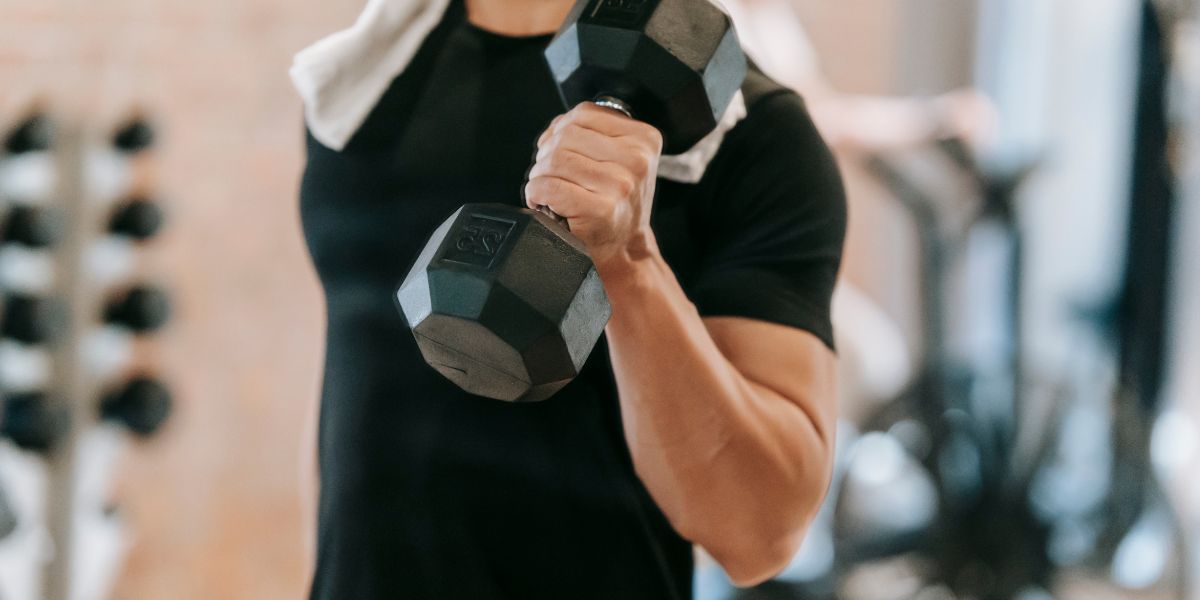
man doing dumbbell exercise

Liver Support for Fitness Freaks: Why It Matters on a High-Protein Plan

High-protein diets are a go-to for fitness enthusiasts aiming to build muscle, lose fat, or boost performance. Foods like chicken, eggs, and protein shakes are staples, but eating lots of protein can stress your liver, the organ that processes nutrients and removes toxins. For fitness freaks, keeping the liver healthy is crucial to maintain energy, recover from workouts, and stay on track with goals. 

This article explains why liver support matters on a high-protein plan, signs of liver strain, and simple ways to protect it, all in easy-to-understand language for everyone.

Why the Liver Matters for Fitness Freaks?

Your liver is like a superhero in your body, handling over 500 tasks to keep you healthy. It processes the protein you eat, turning it into energy and muscle-building blocks. It also filters out toxins, stores energy, and helps with digestion. 

For fitness enthusiasts on high-protein diets, the liver works overtime to break down excess protein and remove waste products like ammonia. 

If it gets overworked, your energy, recovery, and performance can suffer. Supporting your liver ensures you stay strong, recover faster, and keep pushing toward your fitness goals.

The Role of the Liver in Fitness

  • Protein Metabolism: The liver breaks down protein into amino acids, which your muscles use to grow and repair after workouts.
  • Energy Supply: It converts stored glycogen into glucose for quick energy during intense exercise.
  • Detoxification: The liver clears out waste from protein breakdown and other toxins, like those from supplements or alcohol.
  • Fat Burning: It helps metabolise fats, supporting weight loss or body recomposition goals.
  • Hormone Balance: The liver regulates hormones like insulin, which affect muscle growth and fat storage.

When you’re on a high-protein plan, your liver’s workload increases. without proper care, it can get stressed, leading to fatigue, poor recovery, or even health issues.

How High-Protein Diets Affect the Liver?

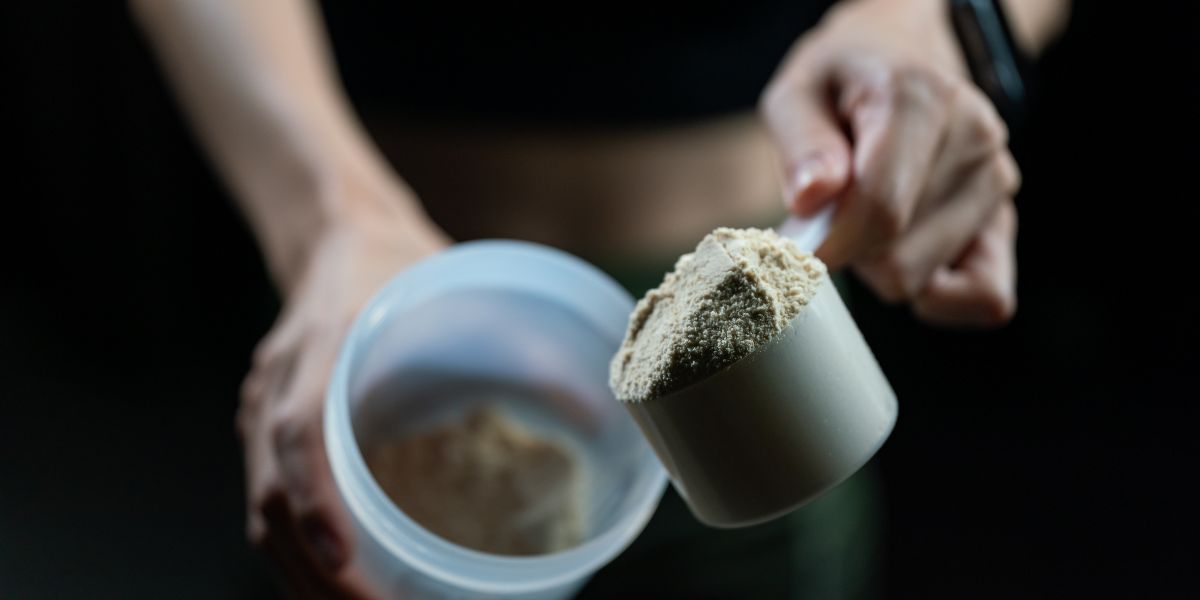
Protein Powder

High-protein diets typically involve eating 1.6–2.2 grams of protein per kilogram of body weight daily, much more than the average 0.8 grams. 

For a 70-kilogram person, that’s 112–154 grams of protein, found in foods like chicken breast (26g per 100g), eggs (6g per egg), or protein powders (20–30g per scoop). 

While protein is great for muscle growth, too much can challenge your liver in these ways:

  1. Increased Urea Production: The liver turns excess protein into urea, a waste product that your kidneys remove. Too much protein means more urea, which can strain both organs.
  2. Fatty Liver Risk: Diets high in processed meats or unhealthy fats (common in some fitness plans) can lead to fat buildup in the liver, called non-alcoholic fatty liver disease (NAFLD).
  3. Ammonia Buildup: If the liver can’t process protein waste fast enough, ammonia levels in your blood can rise, causing fatigue or brain fog.
  4. Inflammation: Poor-quality protein sources, like processed meats or low-grade supplements, may cause liver inflammation over time.

Fitness freaks who rely on protein shakes, bars, or red meat-heavy diets are at higher risk. The liver also processes additives in supplements, adding to its workload.

Signs Your Liver Needs Support

Your liver doesn’t always scream for help, but these signs may show it’s struggling with your high-protein plan:

  • Constant Tiredness: Feeling drained despite rest could mean your liver is overworked, reducing energy production.
  • Poor Workout Recovery: If muscles stay sore longer than usual, your liver might not be processing protein efficiently for repair.
  • Yellow Skin or Eyes (Jaundice): This happens when the liver can’t clear bilirubin, a waste product, signalling strain.
  • Dark Urine or Pale Stools: These can indicate the liver isn’t filtering waste properly.
  • Bloating or Belly Pain: Discomfort in the upper right abdomen may point to liver inflammation.
  • Brain Fog: Trouble focusing or feeling sluggish could be from ammonia buildup due to excess protein.
  • Digestive Issues: Nausea, poor appetite, or feeling full quickly might mean your liver is struggling.

If you notice these, especially for weeks, see a doctor to check your liver health.

Why Liver Support is Critical on a High-Protein Plan?

Fitness freaks push their bodies hard, and a healthy liver keeps up with those demands. Here’s why liver support matters:

  • Maximises Muscle Gains: A healthy liver ensures protein is used efficiently for muscle repair and growth.
  • Boosts Energy: It provides steady energy for workouts by managing glucose and fat metabolism.
  • Speeds Recovery: A strong liver clears waste faster, reducing soreness and fatigue post-workout.
  • Prevents Health Risks: Supporting your liver lowers the risk of NAFLD or other issues that could derail your fitness journey.
  • Supports Long-Term Goals: A healthy liver keeps you consistent, helping you stick to training and diet plans without burnout.

Ignoring liver health can lead to low energy, stalled progress, or serious conditions like fatty liver, which affects up to 25% of people globally.

How to Support Your Liver on a High-Protein Plan?

High-Protein Salad

1. Choose Quality Protein Sources

Not all proteins are equal. Pick options that are easy on your liver:

  • Plant-Based Proteins: Lentils, chickpeas, tofu, or quinoa are nutritious and liver-friendly.
  • High-Quality Supplements: Choose protein powders with minimal additives, artificial sweeteners, or fillers. Whey isolate or plant-based powders are good options.

Tip: Avoid processed meats like sausages or bacon, which are high in unhealthy fats and sodium that stress the liver.

Note: While protein is essential for fitness and muscle recovery, consuming it in excess can negatively impact liver function. To understand the full picture, including the major impacts of a high-protein diet on the liver and 7 warning signs to watch for.

2. Balance Your Diet

Balanced diet

A high-protein diet shouldn’t skip other nutrients. Include:

  • Vegetables: Leafy greens, broccoli, and bitter gourd are rich in antioxidants that protect the liver.
  • Fruits: Berries, apples, and citrus fruits provide vitamins and fibre to support detox.
  • Whole Grains: Oats, brown rice, or barley improve digestion and reduce liver fat.
  • Healthy Fats: Avocados, nuts, or olive oil in moderation help balance fat metabolism.

Why It Works: A varied diet reduces Kapha (fat buildup) and supports liver function. Studies show diets rich in vegetables and fibre lower NAFLD risk.

3. Stay Hydrated

Drinking enough water helps your liver and kidneys flush out urea and toxins from protein metabolism. Aim for 2–3 litres daily, more if you’re sweating a lot during workouts.

Tip: Add lemon to warm water for a gentle detox boost, as it stimulates bile production.

4. Limit Alcohol and Toxins

Alcohol is the liver’s worst enemy, even in small amounts. It directly damages liver cells, especially when combined with a high-protein diet. Also, avoid:

  • Excessive caffeine (e.g., energy drinks) can stress the liver.
  • Unnecessary supplements like pre-workouts with unknown ingredients.
  • Environmental toxins, such as cigarette smoke or pesticides.

Why It Works: Reducing toxins gives your liver a break, letting it focus on processing protein and supporting recovery.

5. Use Liver-Supporting Foods and Herbs

Certain foods and herbs act like a shield for your liver:

  • Turmeric: Its curcumin reduces inflammation and protects liver cells. Add it to meals or smoothies.
  • Milk Thistle: Known for silymarin, it detoxifies and repairs liver damage. Available as tea or supplements.
  • Beets: Rich in antioxidants, they help cleanse the liver.
  • Green Tea: Contains catechins that reduce liver fat and inflammation.
  • Dandelion Root: A natural detoxifier, often used as tea to support liver health.

How to Use: Incorporate these into your diet or consult a doctor for supplement doses. For example, 1–2 cups of green tea daily is safe for most.

6. Exercise Smart

Exercise is great for fitness and liver health, but overtraining can stress your body. Balance is key:

  • Mix cardio (running, cycling) with strength training to burn fat and improve insulin sensitivity.
  • Try yoga poses like Cobra (Bhujangasana) or Bow (Dhanurasana) to stimulate liver function.
  • Avoid extreme overtraining, which raises stress hormones and burdens the liver.

Why It Works: Regular exercise reduces liver fat by up to 20–30% in NAFLD patients, per studies.

7. Get Enough Sleep

Sleep lets your liver repair and detoxify. Aim for 7–8 hours nightly. Poor sleep raises stress hormones, which can worsen liver fat buildup.

Tip: Stick to a consistent sleep schedule to align with your body’s natural detox rhythm (liver is most active at night).

8. Monitor Supplement Use

Fitness freaks often use protein powders, BCAAs, or creatine. While safe in moderation, overuse can strain the liver due to additives or high doses. Stick to:

  • Reputable brands with third-party testing.
  • Recommended doses (e.g., 20–30g protein per shake).
  • Cycling supplements (e.g., take breaks from creatine).

Why It Works: Limiting additives reduces the liver’s workload, letting it focus on essential tasks.

9. Regular Checkups

Get your liver checked yearly, especially if you’re on a high-protein diet long-term. Tests like:

  • Liver Function Tests (LFTs): Measure enzymes like ALT and AST to spot liver stress.
  • Ultrasound: Detects fat buildup or damage.
  • Blood Tests: Check for high ammonia or bilirubin levels.

Why It Works: Early detection prevents serious issues. A study found 30% of fitness enthusiasts on high-protein diets had mild liver enzyme elevations.

Note: If you're interested in learning more effective and natural ways to keep your liver healthy, we invite you to explore our in-depth blog. It covers expert-backed tips, Ayurvedic remedies, lifestyle changes, and dietary habits that can support optimal liver function and long-term well-being.

Common Mistakes to Avoid

  • Overloading Protein: More than 2.2g per kilogram of body weight offers no extra benefits and stresses the liver.
  • Skipping Veggies: A protein-only diet lacks fiber and antioxidants, increasing NAFLD risk.
  • Ignoring Symptoms: Don’t brush off tiredness or belly pain as “normal” workout effects.
  • Relying on Supplements: Whole foods are better than shakes for liver health.
  • Crash Diets: Rapid weight loss can worsen liver fat. Aim for 0.5–1 kg loss per week.

When to See a Doctor

If you notice signs like jaundice, dark urine, or ongoing fatigue, see a doctor immediately. Also consult if:

  • You have a history of liver issues (e.g., hepatitis).
  • You’re combining a high-protein diet with alcohol or medications.
  • You use multiple supplements without medical advice.

A doctor may recommend tests or refer you to a dietitian to adjust your plan.

Myths About High-Protein Diets and Liver Health

Myth

Fact

High-protein diets always harm the liver

Moderate protein (1.6–2.2g/kg) is safe for healthy people with a proper diet balance

Only animal proteins stress the liver

Excess protein from any source can strain the liver if overdone

Liver issues show up quickly

Damage can be silent for years, so regular checkups are key

Conclusion

Fitness freaks thrive on high-protein diets, but overloading protein can stress your liver, slowing recovery and progress. Your liver powers muscle growth, energy, and detox, so keeping it healthy is vital. Choose quality proteins, balance your diet with veggies, stay hydrated, and add liver-friendly foods like turmeric or beets. 

Avoid excess supplements, alcohol, and overtraining. Watch for signs like tiredness or jaundice, and get regular checkups. With smart choices, you can protect your liver, boost performance, and hit your fitness goals without risking your health.

If you're looking to take your liver health journey a step further, don’t miss our detailed guide on how to detox your liver naturally at home. It covers simple Ayurvedic techniques, lifestyle habits, and dietary practices that can help eliminate toxins and support long-term liver wellness.

FAQs

1. What happens if the protein level is high in the liver?

If protein levels are high in the liver, it can indicate a liver condition or disease. It may mean the liver is stressed and not functioning properly to break down proteins.

2. Why are fitness people obsessed with protein?

Fitness people focus on protein because it helps build and repair muscles. Consuming enough protein, along with strength training, allows muscles to recover and grow stronger after workouts.

3. Can you survive on only protein?

No, you cannot survive on only protein. While protein is essential, you also need carbohydrates, fats, vitamins, minerals and water from a balanced diet to live and stay healthy.

4. How can I protect my kidneys from a high-protein diet?

To protect kidneys from a high-protein diet, drink plenty of fluids daily to flush waste from protein metabolism. Consult a doctor and a dietitian to determine safe protein intake for your needs and health status.

5. What is the best high-protein food?

Some top high protein foods are meat, eggs, Greek yoghurt, beans, lentils, nuts, seeds and protein powders like whey or soy supplements. Lean meats and plant proteins are healthy sources.

References

  1. It processes the protein you eat, turning it into energy and muscle-building blocks. (https://pmc.ncbi.nlm.nih.gov/)
  2. Moderate protein (1.6–2.2g/kg) is safe for healthy people with a proper diet balance (https://pubmed.ncbi.nlm.nih.gov)
  3. More than 2.2g per kilogram of body weight offers no extra benefits and stresses the liver (https://pmc.ncbi.nlm.nih.gov)

High-protein diets are a go-to for fitness enthusiasts aiming to build muscle, lose fat, or boost performance. Foods like chicken, eggs, and protein shakes are staples, but eating lots of protein can stress your liver, the organ that processes nutrients and removes toxins. For fitness freaks, keeping the liver healthy is crucial to maintain energy, recover from workouts, and stay on track with goals. 

This article explains why liver support matters on a high-protein plan, signs of liver strain, and simple ways to protect it, all in easy-to-understand language for everyone.

Why the Liver Matters for Fitness Freaks?

Your liver is like a superhero in your body, handling over 500 tasks to keep you healthy. It processes the protein you eat, turning it into energy and muscle-building blocks. It also filters out toxins, stores energy, and helps with digestion. 

For fitness enthusiasts on high-protein diets, the liver works overtime to break down excess protein and remove waste products like ammonia. 

If it gets overworked, your energy, recovery, and performance can suffer. Supporting your liver ensures you stay strong, recover faster, and keep pushing toward your fitness goals.

The Role of the Liver in Fitness

  • Protein Metabolism: The liver breaks down protein into amino acids, which your muscles use to grow and repair after workouts.
  • Energy Supply: It converts stored glycogen into glucose for quick energy during intense exercise.
  • Detoxification: The liver clears out waste from protein breakdown and other toxins, like those from supplements or alcohol.
  • Fat Burning: It helps metabolise fats, supporting weight loss or body recomposition goals.
  • Hormone Balance: The liver regulates hormones like insulin, which affect muscle growth and fat storage.

When you’re on a high-protein plan, your liver’s workload increases. without proper care, it can get stressed, leading to fatigue, poor recovery, or even health issues.

How High-Protein Diets Affect the Liver?

Protein Powder

High-protein diets typically involve eating 1.6–2.2 grams of protein per kilogram of body weight daily, much more than the average 0.8 grams. 

For a 70-kilogram person, that’s 112–154 grams of protein, found in foods like chicken breast (26g per 100g), eggs (6g per egg), or protein powders (20–30g per scoop). 

While protein is great for muscle growth, too much can challenge your liver in these ways:

  1. Increased Urea Production: The liver turns excess protein into urea, a waste product that your kidneys remove. Too much protein means more urea, which can strain both organs.
  2. Fatty Liver Risk: Diets high in processed meats or unhealthy fats (common in some fitness plans) can lead to fat buildup in the liver, called non-alcoholic fatty liver disease (NAFLD).
  3. Ammonia Buildup: If the liver can’t process protein waste fast enough, ammonia levels in your blood can rise, causing fatigue or brain fog.
  4. Inflammation: Poor-quality protein sources, like processed meats or low-grade supplements, may cause liver inflammation over time.

Fitness freaks who rely on protein shakes, bars, or red meat-heavy diets are at higher risk. The liver also processes additives in supplements, adding to its workload.

Signs Your Liver Needs Support

Your liver doesn’t always scream for help, but these signs may show it’s struggling with your high-protein plan:

  • Constant Tiredness: Feeling drained despite rest could mean your liver is overworked, reducing energy production.
  • Poor Workout Recovery: If muscles stay sore longer than usual, your liver might not be processing protein efficiently for repair.
  • Yellow Skin or Eyes (Jaundice): This happens when the liver can’t clear bilirubin, a waste product, signalling strain.
  • Dark Urine or Pale Stools: These can indicate the liver isn’t filtering waste properly.
  • Bloating or Belly Pain: Discomfort in the upper right abdomen may point to liver inflammation.
  • Brain Fog: Trouble focusing or feeling sluggish could be from ammonia buildup due to excess protein.
  • Digestive Issues: Nausea, poor appetite, or feeling full quickly might mean your liver is struggling.

If you notice these, especially for weeks, see a doctor to check your liver health.

Why Liver Support is Critical on a High-Protein Plan?

Fitness freaks push their bodies hard, and a healthy liver keeps up with those demands. Here’s why liver support matters:

  • Maximises Muscle Gains: A healthy liver ensures protein is used efficiently for muscle repair and growth.
  • Boosts Energy: It provides steady energy for workouts by managing glucose and fat metabolism.
  • Speeds Recovery: A strong liver clears waste faster, reducing soreness and fatigue post-workout.
  • Prevents Health Risks: Supporting your liver lowers the risk of NAFLD or other issues that could derail your fitness journey.
  • Supports Long-Term Goals: A healthy liver keeps you consistent, helping you stick to training and diet plans without burnout.

Ignoring liver health can lead to low energy, stalled progress, or serious conditions like fatty liver, which affects up to 25% of people globally.

How to Support Your Liver on a High-Protein Plan?

High-Protein Salad

1. Choose Quality Protein Sources

Not all proteins are equal. Pick options that are easy on your liver:

  • Plant-Based Proteins: Lentils, chickpeas, tofu, or quinoa are nutritious and liver-friendly.
  • High-Quality Supplements: Choose protein powders with minimal additives, artificial sweeteners, or fillers. Whey isolate or plant-based powders are good options.

Tip: Avoid processed meats like sausages or bacon, which are high in unhealthy fats and sodium that stress the liver.

Note: While protein is essential for fitness and muscle recovery, consuming it in excess can negatively impact liver function. To understand the full picture, including the major impacts of a high-protein diet on the liver and 7 warning signs to watch for.

2. Balance Your Diet

Balanced diet

A high-protein diet shouldn’t skip other nutrients. Include:

  • Vegetables: Leafy greens, broccoli, and bitter gourd are rich in antioxidants that protect the liver.
  • Fruits: Berries, apples, and citrus fruits provide vitamins and fibre to support detox.
  • Whole Grains: Oats, brown rice, or barley improve digestion and reduce liver fat.
  • Healthy Fats: Avocados, nuts, or olive oil in moderation help balance fat metabolism.

Why It Works: A varied diet reduces Kapha (fat buildup) and supports liver function. Studies show diets rich in vegetables and fibre lower NAFLD risk.

3. Stay Hydrated

Drinking enough water helps your liver and kidneys flush out urea and toxins from protein metabolism. Aim for 2–3 litres daily, more if you’re sweating a lot during workouts.

Tip: Add lemon to warm water for a gentle detox boost, as it stimulates bile production.

4. Limit Alcohol and Toxins

Alcohol is the liver’s worst enemy, even in small amounts. It directly damages liver cells, especially when combined with a high-protein diet. Also, avoid:

  • Excessive caffeine (e.g., energy drinks) can stress the liver.
  • Unnecessary supplements like pre-workouts with unknown ingredients.
  • Environmental toxins, such as cigarette smoke or pesticides.

Why It Works: Reducing toxins gives your liver a break, letting it focus on processing protein and supporting recovery.

5. Use Liver-Supporting Foods and Herbs

Certain foods and herbs act like a shield for your liver:

  • Turmeric: Its curcumin reduces inflammation and protects liver cells. Add it to meals or smoothies.
  • Milk Thistle: Known for silymarin, it detoxifies and repairs liver damage. Available as tea or supplements.
  • Beets: Rich in antioxidants, they help cleanse the liver.
  • Green Tea: Contains catechins that reduce liver fat and inflammation.
  • Dandelion Root: A natural detoxifier, often used as tea to support liver health.

How to Use: Incorporate these into your diet or consult a doctor for supplement doses. For example, 1–2 cups of green tea daily is safe for most.

6. Exercise Smart

Exercise is great for fitness and liver health, but overtraining can stress your body. Balance is key:

  • Mix cardio (running, cycling) with strength training to burn fat and improve insulin sensitivity.
  • Try yoga poses like Cobra (Bhujangasana) or Bow (Dhanurasana) to stimulate liver function.
  • Avoid extreme overtraining, which raises stress hormones and burdens the liver.

Why It Works: Regular exercise reduces liver fat by up to 20–30% in NAFLD patients, per studies.

7. Get Enough Sleep

Sleep lets your liver repair and detoxify. Aim for 7–8 hours nightly. Poor sleep raises stress hormones, which can worsen liver fat buildup.

Tip: Stick to a consistent sleep schedule to align with your body’s natural detox rhythm (liver is most active at night).

8. Monitor Supplement Use

Fitness freaks often use protein powders, BCAAs, or creatine. While safe in moderation, overuse can strain the liver due to additives or high doses. Stick to:

  • Reputable brands with third-party testing.
  • Recommended doses (e.g., 20–30g protein per shake).
  • Cycling supplements (e.g., take breaks from creatine).

Why It Works: Limiting additives reduces the liver’s workload, letting it focus on essential tasks.

9. Regular Checkups

Get your liver checked yearly, especially if you’re on a high-protein diet long-term. Tests like:

  • Liver Function Tests (LFTs): Measure enzymes like ALT and AST to spot liver stress.
  • Ultrasound: Detects fat buildup or damage.
  • Blood Tests: Check for high ammonia or bilirubin levels.

Why It Works: Early detection prevents serious issues. A study found 30% of fitness enthusiasts on high-protein diets had mild liver enzyme elevations.

Note: If you're interested in learning more effective and natural ways to keep your liver healthy, we invite you to explore our in-depth blog. It covers expert-backed tips, Ayurvedic remedies, lifestyle changes, and dietary habits that can support optimal liver function and long-term well-being.

Common Mistakes to Avoid

  • Overloading Protein: More than 2.2g per kilogram of body weight offers no extra benefits and stresses the liver.
  • Skipping Veggies: A protein-only diet lacks fiber and antioxidants, increasing NAFLD risk.
  • Ignoring Symptoms: Don’t brush off tiredness or belly pain as “normal” workout effects.
  • Relying on Supplements: Whole foods are better than shakes for liver health.
  • Crash Diets: Rapid weight loss can worsen liver fat. Aim for 0.5–1 kg loss per week.

When to See a Doctor

If you notice signs like jaundice, dark urine, or ongoing fatigue, see a doctor immediately. Also consult if:

  • You have a history of liver issues (e.g., hepatitis).
  • You’re combining a high-protein diet with alcohol or medications.
  • You use multiple supplements without medical advice.

A doctor may recommend tests or refer you to a dietitian to adjust your plan.

Myths About High-Protein Diets and Liver Health

Myth

Fact

High-protein diets always harm the liver

Moderate protein (1.6–2.2g/kg) is safe for healthy people with a proper diet balance

Only animal proteins stress the liver

Excess protein from any source can strain the liver if overdone

Liver issues show up quickly

Damage can be silent for years, so regular checkups are key

Conclusion

Fitness freaks thrive on high-protein diets, but overloading protein can stress your liver, slowing recovery and progress. Your liver powers muscle growth, energy, and detox, so keeping it healthy is vital. Choose quality proteins, balance your diet with veggies, stay hydrated, and add liver-friendly foods like turmeric or beets. 

Avoid excess supplements, alcohol, and overtraining. Watch for signs like tiredness or jaundice, and get regular checkups. With smart choices, you can protect your liver, boost performance, and hit your fitness goals without risking your health.

If you're looking to take your liver health journey a step further, don’t miss our detailed guide on how to detox your liver naturally at home. It covers simple Ayurvedic techniques, lifestyle habits, and dietary practices that can help eliminate toxins and support long-term liver wellness.

FAQs

1. What happens if the protein level is high in the liver?

If protein levels are high in the liver, it can indicate a liver condition or disease. It may mean the liver is stressed and not functioning properly to break down proteins.

2. Why are fitness people obsessed with protein?

Fitness people focus on protein because it helps build and repair muscles. Consuming enough protein, along with strength training, allows muscles to recover and grow stronger after workouts.

3. Can you survive on only protein?

No, you cannot survive on only protein. While protein is essential, you also need carbohydrates, fats, vitamins, minerals and water from a balanced diet to live and stay healthy.

4. How can I protect my kidneys from a high-protein diet?

To protect kidneys from a high-protein diet, drink plenty of fluids daily to flush waste from protein metabolism. Consult a doctor and a dietitian to determine safe protein intake for your needs and health status.

5. What is the best high-protein food?

Some top high protein foods are meat, eggs, Greek yoghurt, beans, lentils, nuts, seeds and protein powders like whey or soy supplements. Lean meats and plant proteins are healthy sources.

References

  1. It processes the protein you eat, turning it into energy and muscle-building blocks. (https://pmc.ncbi.nlm.nih.gov/)
  2. Moderate protein (1.6–2.2g/kg) is safe for healthy people with a proper diet balance (https://pubmed.ncbi.nlm.nih.gov)
  3. More than 2.2g per kilogram of body weight offers no extra benefits and stresses the liver (https://pmc.ncbi.nlm.nih.gov)

Related Articles

Sleeping women

How is Sleep & Liver Health Connected? Risks and Tips

In today’s fast-paced world, late dinners and a lack of sleep have become everyday habits. But did you know these habits might be tiring out your liver? According to Ayurveda, an ancient Indian sys...

Read more
Muscle growth & protein absorption

The Role of the Liver in Muscle Growth & Protein Absorption

Your liver is a powerhouse organ that does much more than filter toxins. For anyone chasing muscle growth, the liver plays a huge role in turning the protein you eat into muscle. It processes prote...

Read more