




High-Protein Diet & Liver Health: 4 Impacts and 7 Risk Indicators
High-protein diets are popular for weight loss, muscle gain, and better health. Many people turn to foods like eggs, meat, and protein shakes to meet their fitness goals. But could eating too much protein harm your liver?
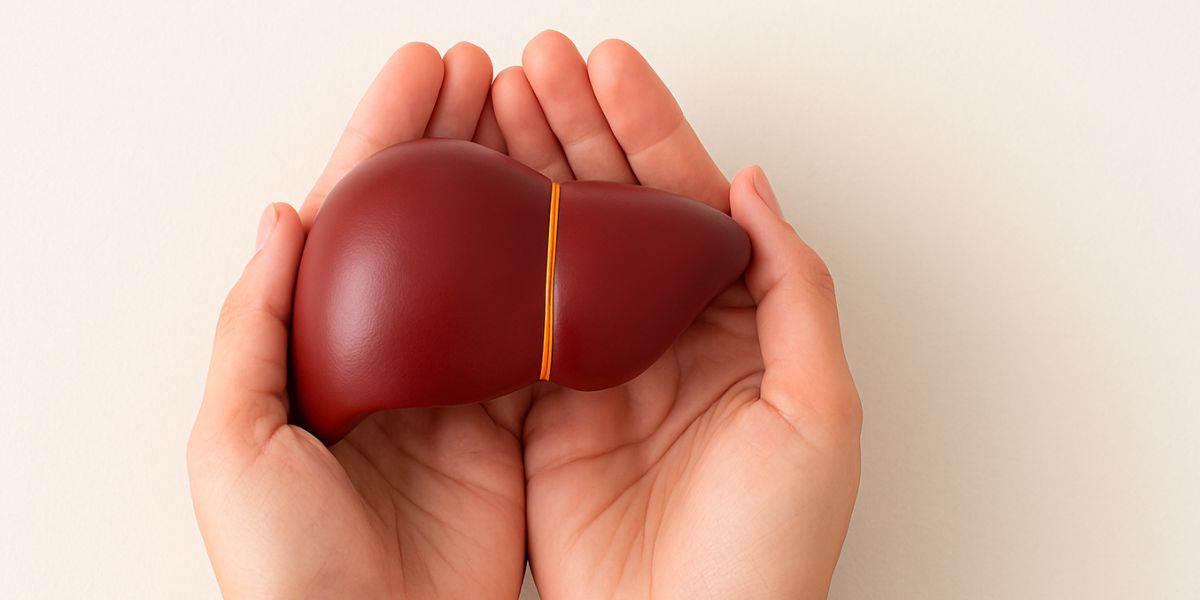
Your liver is a vital organ that processes nutrients, filters toxins, and keeps your body balanced.
While protein is essential, overloading your liver with it might cause problems. This article explains how high-protein diets affect your liver, warning signs to watch for, and simple steps to keep your liver healthy.
What is a High-Protein Diet?

A high-protein diet involves eating more protein than the average person needs. For most adults, the recommended daily protein intake is about 0.8 grams per kilogram of body weight.
For example, a 70-kilogram person needs around 56 grams of protein daily. High-protein diets often exceed this, sometimes reaching 1.2 to 2 grams per kilogram or more, especially for athletes or those aiming to lose weight.
These diets focus on protein-rich foods like chicken, fish, eggs, dairy, beans, tofu, and protein supplements. They’re popular because protein helps build muscle, keeps you full, and burns more calories during digestion compared to fats or carbs.
However, eating too much protein over time can put stress on your body, especially your liver.
How Does Your Liver Work?
Your liver is like a busy factory in your body. It has many jobs, including:
- Breaking down nutrients: The liver processes proteins, fats, and carbs from food to provide energy and building blocks for your body.
- Filtering toxins: It removes harmful substances, like alcohol or drugs, from your blood.
- Storing energy: The liver stores extra glucose as glycogen for later use.
- Making proteins: It produces proteins for blood clotting and fighting infections.
- Managing waste: The liver turns protein waste (like ammonia) into urea, which your kidneys remove through urine.
When you eat a lot of protein, your liver has to work harder to process it. This extra work can sometimes lead to problems if not appropriately managed.
How High-Protein Diets Affect Your Liver?
Eating a high-protein diet increases the liver’s workload. When you consume protein, your body breaks it down into amino acids. The liver processes these amino acids, turning excess nitrogen into urea.
If you eat more protein than your body needs, the liver has to handle a larger amount of nitrogen, which can strain it over time.
Here are some ways a high-protein diet might affect your liver:
- Increased urea production: Too much protein means more urea, which can overwork the liver and kidneys.
- Fatty liver risk: Some high-protein diets, especially those high in red or processed meats, can lead to fat buildup in the liver, known as non-alcoholic fatty liver disease (NAFLD).
- Ammonia buildup: If the liver can’t process protein waste properly, ammonia levels in your blood may rise, which is toxic.
- Inflammation: Excessive protein, especially from unhealthy sources, may cause liver inflammation, making it harder for the liver to function.
People with existing liver conditions, like hepatitis or cirrhosis, are especially at risk. Even healthy people can face issues if they overdo protein for a long time.
Consuming excess protein doesn’t just affect digestion—it can also overwork the liver and lead to tiredness. Learn more about liver fatigue from protein overload.
Signs Your Liver Might Be Struggling
 Your liver doesn’t always show clear signs of trouble early on, but some symptoms might indicate it’s under stress from a high-protein diet. Here are key signs to watch for:
1. Feeling tired all the time
If you’re always tired, even after resting, it could be a sign your liver is overworked. Processing too much protein can make your liver sluggish, reducing your energy levels.
2. Yellow skin or eyes (Jaundice)
Jaundice happens when your liver can’t process bilirubin, a waste product from red blood cells. Yellowing skin or eyes might mean your liver is struggling to keep up with the demands of a high-protein diet.
3. Dark urine
Dark, tea-colored urine can signal liver issues. It may happen if your liver isn’t filtering waste properly, possibly due to excess protein processing.
4. Swelling in your belly or legs
A stressed liver might cause fluid buildup, leading to swelling in your abdomen or legs. This is called edema and can happen if your liver isn’t making enough proteins to manage fluid balance.
5. Nausea or poor appetite
If you feel nauseous or lose your appetite, it could be because your liver is having trouble processing nutrients or toxins from a high-protein diet.
6. Pain in the upper right abdomen
Your liver is located in the upper right side of your belly. Pain or discomfort there might mean your liver is inflamed or struggling.
7. Confusion or trouble focusing
High ammonia levels from protein breakdown can affect your brain, causing confusion, trouble concentrating, or feeling foggy. This is rare but serious.
If you notice any of these signs, especially if they last for a while, talk to a doctor. These symptoms don’t always mean liver damage, but it’s better to check.
A high-protein diet can sometimes put stress on the liver, but with the right approach, protein can actually support liver health. Discover how in our article on the liver-support tips for a protein diet.
Who’s at Risk?
Not everyone on a high-protein diet will have liver problems, but some people are more likely to face issues:
- People with liver conditions: If you already have liver disease, like hepatitis or fatty liver, extra protein can worsen the damage.
- Those eating unbalanced diets: Diets high in processed meats or low in fruits and vegetables can harm the liver more than balanced, high-protein diets.
- Heavy supplement users: Protein powders or shakes often contain additives that your liver has to process, adding to its workload.
- Older adults: As you age, your liver’s ability to handle excess protein may decrease.
- People with kidney issues: Since the liver and kidneys work together to process protein, kidney problems can make liver stress worse.
How Much Protein is Too Much Protein?
The “right” amount of protein depends on your body weight, activity level, and health. For most people, 0.8 to 1.2 grams of protein per kilogram of body weight is enough. For example:
- A 60-kilogram person needs 48–72 grams of protein daily.
- A 90-kilogram person needs 72–108 grams.
Athletes or bodybuilders might aim for 1.6–2 grams per kilogram, but going beyond this (e.g., 3 grams or more) can strain your liver without extra benefits. Always check with a doctor or dietitian to find the right amount for you.
Tips to Protect Your Liver on a High-Protein Diet
If you’re on a high-protein diet, you can take steps to keep your liver healthy:
- Choose healthy protein sources: Go for lean meats, fish, eggs, beans, lentils, or plant-based proteins like tofu. Avoid processed meats like sausages or bacon, which are high in unhealthy fats.
- Balance your diet: Eat plenty of fruits, vegetables, and whole grains. These provide fibre and antioxidants that support liver health.
- Limit protein supplements: Use shakes or powders sparingly. Whole foods are easier for your liver to process.
- Stay hydrated: Drinking enough water helps your liver and kidneys flush out waste from protein metabolism.
- Avoid alcohol: Alcohol puts extra strain on your liver, so cut back or avoid it if you’re eating a lot of protein.
- Get regular checkups: Blood tests can check your liver function and catch problems early.
- Don’t overdo it: Stick to the recommended protein intake for your body and goals. More isn’t always better.
Other Ways to Support Liver Health
Beyond diet, you can keep your liver in top shape with these habits:
- Exercise regularly: Physical activity helps prevent fat buildup in the liver and improves overall health.
- Maintain a healthy weight: Being overweight increases the risk of fatty liver disease.
- Limit sugar and processed foods: Too much sugar or junk food can harm your liver as much as excess protein.
- Get enough sleep: Sleep helps your body repair and supports liver function.
- Avoid unnecessary medications: Some drugs, like painkillers, can stress your liver if overused. Always follow your doctor’s advice.
Myths About High-Protein Diets and Liver Health
There are some common myths about high-protein diets and the liver. Let’s clear them up:
| Myth | Fact |
| High-protein diets always cause liver damage. | For healthy people, moderately high-protein diets are usually safe. Problems happen when protein intake is excessive or the diet is unbalanced. |
| Only animal proteins harm the liver. | Both animal and plant proteins can strain the liver if eaten in massive amounts. The key is moderation and variety. |
| You can’t reverse liver stress from diet. | With the right changes, like balancing your diet and reducing protein overload, your liver can often recover. |
Conclusion
High-protein diets can help with fitness and weight loss, but eating too much protein might stress your liver. Signs like tiredness, yellow skin, or dark urine are warnings you shouldn’t ignore. To protect your liver, choose healthy protein sources, balance your diet with fruits and vegetables, and stay hydrated.
If you notice symptoms or have a liver condition, see a doctor promptly. By eating the right amount of protein and living a healthy lifestyle, you can enjoy the benefits of a high-protein diet while keeping your liver safe and strong for years to come.
FAQs
1. What is an example of a high-protein diet?
An example of a high-protein vegan diet includes foods like lentils, chickpeas, tofu, tempeh, edamame, nuts, seeds, whole grains like quinoa and oats, and vegetables like spinach, broccoli, and peas. Aim for around 0.8-1 gram of protein per kilogram of body weight daily from these foods.
2. What foods are highest in protein?
Foods highest in protein on a vegan diet are: lentils, chickpeas, beans, tofu, tempeh, edamame, nuts, seeds, quinoa, buckwheat, Ezekiel bread, oats, spinach, broccoli, kale, peas. Lentils, beans, edamame and tofu are over 20 grams of protein per cooked cup.
3. How to add protein to the diet?
You can add protein to your diet by including a protein source like beans, lentils, tofu or nuts in meals and snacks. For example, add chickpeas to salads, lentils to soups and stews, tofu to stir-fries, and nuts to oatmeal.
4. What are high-protein snacks?
Good high-protein vegan snacks include edamame, nut butter on whole grain toast, chickpea salad sandwich, trail mix with nuts/seeds, protein bar with 10+ grams of protein, oatmeal with nuts and fruit, and tofu veggie smoothie.
5. Are oats high in protein?
Yes, oats do contain protein. One cooked cup of oats contains about 6 grams of protein, making it a good source, especially at breakfast. Include nuts and seeds to add even more.
References:
- Athletes or bodybuilders might aim for 1.6–2 grams per kilogram. (https://pmc.ncbi.nlm.nih.gov/)
- Both animal and plant proteins can strain the liver if eaten in massive amounts. (https://pmc.ncbi.nlm.nih.gov/)
- Some drugs, like painkillers, can stress your liver if overused. (https://www.sciencedirect.com/)

Written by

Zanducare
India’s trusted name in Ayurvedic wellness, offering time-tested solutions for today’s health and lifestyle needs. With formulations rooted in classical Ayurvedic texts and crafted using pure natural ingredients, we bring holistic care into your everyday routine.
Research by



Leave a comment
This site is protected by hCaptcha and the hCaptcha Privacy Policy and Terms of Service apply.