
Skip to content

Flash Sale

shop now

Cart

Your cart is empty

Article: The Role of the Liver in Muscle Growth & Protein Absorption

Muscle growth & protein absorption

The Role of the Liver in Muscle Growth & Protein Absorption

Your liver is a powerhouse organ that does much more than filter toxins. For anyone chasing muscle growth, the liver plays a huge role in turning the protein you eat into muscle. It processes protein, supports energy for workouts, and helps your body recover. 

Whether you’re lifting weights or following a high-protein diet, a healthy liver is key to hitting your fitness goals. This article explains how the liver helps with muscle growth and protein absorption, why it matters, and simple ways to keep it healthy, all in easy-to-understand language for everyone.

What Does the Liver Do?

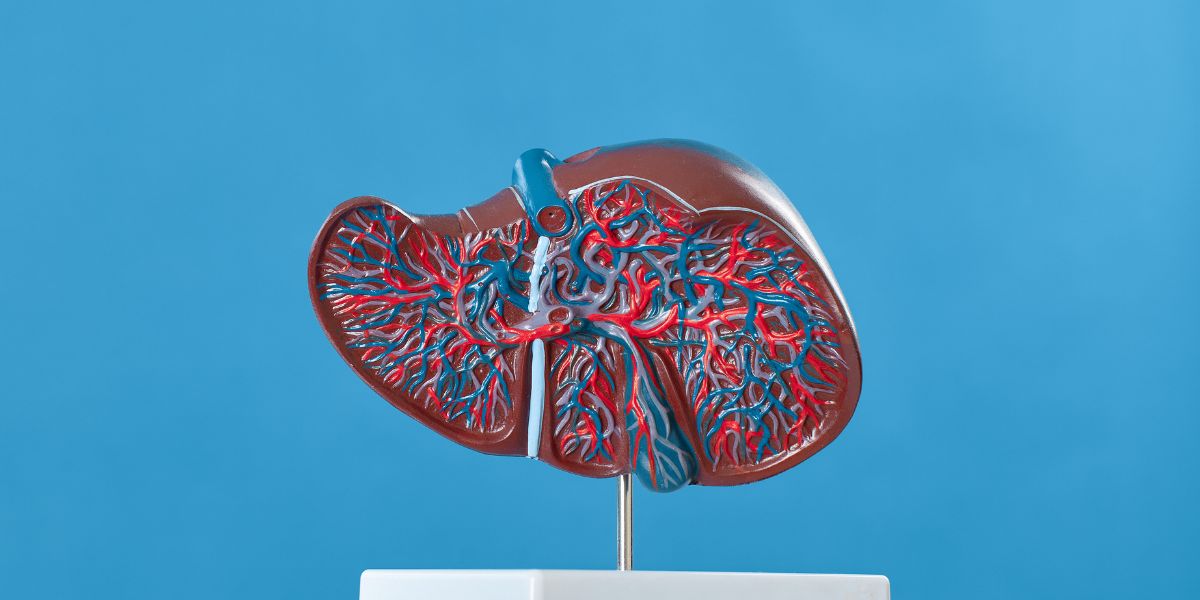
The liver is like a busy factory in your body, handling over 500 tasks. It’s located in the upper right side of your belly and weighs about 3 pounds. Here are its main jobs:

  • Processes Nutrients: Turns food (like protein, carbs, and fats) into energy and building blocks for your body.
  • Detoxifies: Removes harmful substances, like alcohol or waste, from your blood.
  • Stores Energy: Saves extra glucose as glycogen for when you need energy.
  • Makes Proteins: Creates proteins for blood clotting, immunity, and muscle repair.
  • Manages Waste: Converts protein waste (like ammonia) into urea, which your kidneys flush out.

For muscle growth and protein absorption, the liver is a key player. It ensures the protein you eat becomes usable for building muscles and supports your workouts.

How does the Liver Supports Muscle Growth?

Muscle growth, or hypertrophy, happens when your muscles repair and grow stronger after exercise, like weightlifting. The liver supports this process in several ways:

1. Protein Metabolism

When you eat protein-rich foods like chicken, eggs, or protein shakes, your body breaks them down into amino acids. The liver processes these amino acids to:

  • Build Muscle: Send amino acids to muscles for repair and growth after workouts.
  • Make Enzymes: Create enzymes that help muscles use energy and recover.
  • Balance Nitrogen: Remove excess nitrogen from protein breakdown to prevent toxic buildup.

Without a healthy liver, amino acids wouldn’t reach your muscles efficiently, slowing growth and recovery.

2. Energy Supply for Workouts

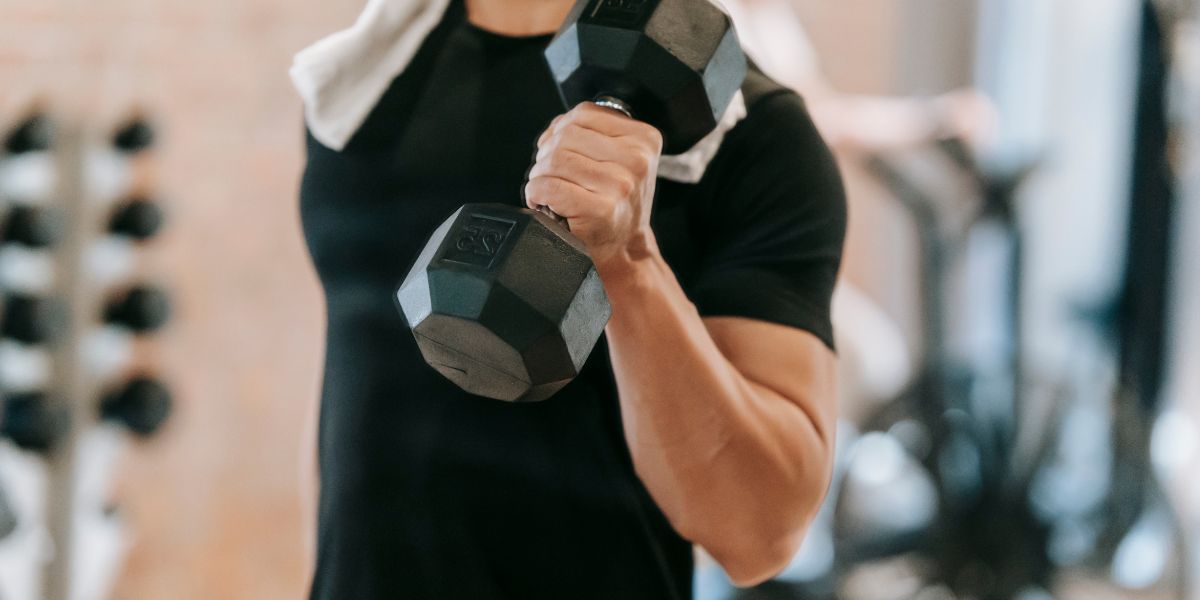
Men Doing workout

Muscles need energy to lift weights or perform intense exercise. The liver helps by:

  • Storing Glycogen: Saves extra glucose from carbs as glycogen, releasing it during workouts for quick energy.
  • Converting Amino Acids: Turns excess amino acids into glucose if carbs are low, fueling your muscles.
  • Breaking Down Fats: Processes fats to provide long-term energy, especially for endurance training.

A strong liver ensures you have the energy to push through tough workouts, which is essential for muscle growth.

3. Hormone Regulation

Hormones like insulin, growth hormone, and testosterone drive muscle growth. The liver:

  • Regulates Insulin: Helps control blood sugar, ensuring muscles get glucose for energy and recovery.
  • Produces IGF-1: Makes insulin-like growth factor 1, a hormone that boosts muscle repair and growth.
  • Clears Excess Hormones: Removes extra hormones to keep levels balanced, preventing issues like insulin resistance.

A healthy liver keeps these hormones in check, supporting muscle-building processes.

4. Detoxification for Recovery

Workouts create waste products like lactic acid and ammonia from protein breakdown. The liver:

  • Removes Ammonia: Converts it into urea to prevent fatigue or brain fog.
  • Clears Toxins: Filters out toxins from supplements, medications, or diet, reducing stress on muscles.
  • Reduces Inflammation: Lowers inflammation from intense exercise, speeding up recovery.

A clean, efficient liver helps you recover faster, so you can train harder and grow muscle.

Note: Since the liver is deeply involved in protein metabolism and muscle recovery, gym-goers need to give it special attention. Learn practical ways to maintain liver health in our guide on liver care for gym-goers.

How the Liver Helps with Protein Absorption?

Protein absorption is how your body takes in and uses protein from food. The liver is central to this process:

1. Breaking Down Protein

After you eat protein, your stomach and intestines break it into amino acids. The liver then:

  • Processes Amino Acids: Decides which amino acids go to muscles, organs, or energy production.
  • Converts Waste: Turns ammonia (a byproduct of protein breakdown) into urea, which is safely removed by the kidneys.
  • Balances Amino Acid Levels: Ensures your body has the right mix for muscle repair and other functions.

If the liver is overworked, it can’t process protein efficiently, leading to wasted nutrients and slower muscle growth.

2. Producing Bile

Bile, made by the liver, helps digest fats in protein-rich foods like meat or eggs. This:

  • Aids Nutrient Absorption: Ensures fats and fat-soluble vitamins (like A, D, E, K) are absorbed, which support muscle health.
  • Improves Digestion: Helps break down heavy meals, preventing bloating and ensuring protein is usable.

Without enough bile, your body struggles to absorb nutrients, limiting muscle-building potential.

3. Supporting Gut Health

The liver works with your gut to absorb protein by:

  • Filtering Toxins: Removes harmful substances from food, protecting the gut and improving nutrient uptake.
  • Producing Proteins: Makes proteins like albumin that transport nutrients to muscles.

A healthy liver supports a healthy gut, which is crucial for absorbing protein effectively.

Why High-Protein Diets Stress the Liver?

Many fitness enthusiasts follow high-protein diets (1.6–2.2 grams per kilogram of body weight daily) to build muscle. For a 70-kilogram person, that’s 112–154 grams of protein, like 4 chicken breasts or 5 protein shakes. While protein is vital, too much can strain the liver:

  • Excess Urea: More protein means more ammonia, increasing the liver’s workload to make urea.
  • Fatty Liver Risk: Diets high in processed meats or unhealthy fats can lead to fat buildup in the liver (NAFLD).
  • Toxin Load: Protein supplements with additives (e.g., artificial sweeteners) add to the liver’s detox job.
  • Inflammation: Poor-quality proteins, like processed meats, may cause liver inflammation over time.

A stressed liver can’t process protein or support muscle growth effectively, leading to fatigue, slow recovery, or stalled gains.

Note: To maintain optimal liver performance—especially when following a high-protein diet or engaging in intense physical training—it's crucial to support your liver with the right nutrients. Our Ayurvedic formulations, like the Liver Care Tablets, are crafted with traditional herbs known to detoxify and rejuvenate the liver naturally. Including such supplements in your daily routine may help your liver function efficiently while supporting muscle health and protein metabolism

Signs Your Liver Is Struggling

If your liver is overworked from a high-protein diet or intense training, you might notice:

  • Tiredness: Feeling drained despite rest, as the liver struggles to provide energy.
  • Slow Recovery: Muscles stay sore longer due to poor protein processing.
  • Yellow Skin/Eyes (Jaundice): A sign the liver can’t clear waste like bilirubin.
  • Dark Urine: Indicates the liver isn’t filtering waste properly.
  • Belly Pain: Discomfort in the upper right abdomen may signal liver stress.
  • Brain Fog: Ammonia buildup can cause trouble focusing or feeling sluggish.
  • Bloating: Poor digestion from an overworked liver.

If these last for weeks, see a doctor for liver function tests or an ultrasound.

How to Support Your Liver for Muscle Growth

To keep your liver healthy and maximise muscle growth, try these simple tips:

1. Choose Quality Proteins

Pick liver-friendly protein sources:

  • Plant-Based Options: Lentils, beans, or tofu provide protein with less liver strain.
  • Clean Supplements: Use high-quality whey isolate or plant-based powders with minimal additives.

Avoid: Processed meats (sausages, bacon) or low-quality shakes with artificial ingredients.

2. Balance Your Diet

Don’t focus only on protein. Include:

  • Vegetables: Broccoli, spinach, or kale provide antioxidants to protect the liver.
  • Fruits: Berries or apples offer vitamins and fibre for detox.
  • Whole Grains: Oats or quinoa support digestion and energy.
  • Healthy Fats: Avocados, nuts, or olive oil in moderation help liver function.

Why It Works: A balanced diet reduces liver fat and supports nutrient absorption. Studies show fibre-rich diets lower NAFLD risk.

3. Stay Hydrated

Water helps the liver flush out urea and toxins. Aim for 2–3 litres daily, more if you’re training hard. Warm water with lemon can stimulate bile production.

4. Limit Toxins

Reduce the liver’s detox load:

  • Avoid Alcohol: Even small amounts harm the liver, slowing recovery.
  • Cut Back on Supplements: Stick to recommended doses of protein powders or BCAAs.
  • Avoid Junk Food: Processed foods with sugar or trans fats stress the liver.

Why It Works: Fewer toxins mean the liver can focus on protein metabolism and muscle support.

5. Use Liver-Supporting Foods

Add these to your diet:

  • Turmeric: Reduces inflammation with curcumin. Use in cooking or smoothies.
  • Milk Thistle: Protects liver cells with silymarin. Try tea or a supplement.
  • Beets: Cleanse the liver with antioxidants.
  • Green Tea: Lowers liver fat with catechins.

Tip: Consult a doctor before using supplements, especially if you’re on medications.

6. Exercise Wisely

Exercise supports muscle growth and liver health:

  • Mix Cardio and Strength: Running or cycling burns fat, while lifting builds muscle.
  • Try Yoga: Poses like Cobra or Bow stimulate liver function.
  • Avoid Overtraining: Too much exercise raises stress hormones, burdening the liver.

Why It Works: Moderate exercise reduces liver fat by 20–30%, per research.

7. Get Enough Sleep

Sleep (7–8 hours) lets the liver detox and repair. Poor sleep increases stress, which can lead to liver fat buildup.

8. Regular Checkups

Get yearly liver function tests, especially on a high-protein diet. Blood tests for ALT, AST, or ammonia levels can spot issues early.

Common Mistakes to Avoid

  • Too Much Protein: Over 2.2g/kg offers no extra muscle benefits and stresses the liver.
  • Skipping Other Nutrients: A protein-only diet lacks vitamins and fibre, harming the liver.
  • Ignoring Symptoms: Don’t assume fatigue or soreness is just from training.
  • Overusing Supplements: Excess shakes or pre-workouts add toxins.
  • Crash Diets: Rapid weight loss can increase liver fat. Lose 0.5–1 kg weekly.

When to See a Doctor

See a doctor if you notice:

  • Jaundice, dark urine, or pale stools.
  • Ongoing fatigue or slow recovery.
  • Pain in the upper right belly.
  • Confusion or brain fog.

Tests like LFTs or ultrasounds can check liver health. If you have diabetes, obesity, or a history of liver issues, monitor regularly.

If you're someone who is mindful about their health and wants to understand how to take better care of their body, especially their liver, then we’ve put together a comprehensive and easy-to-follow guide just for you. In this guide, we’ve shared expert-backed Ayurvedic tips and daily habits that can help you keep your liver functioning at its best, because a healthy liver plays a crucial role in digestion, detoxification, and overall energy levels.

Conclusion

The liver is a silent hero for muscle growth and protein absorption, turning food into muscle-building blocks, fueling workouts, and clearing waste. On high-protein diets, it works hard to process amino acids and toxins, but too much protein can stress it, slowing gains. Support your liver with quality proteins, a balanced diet, hydration, and liver-friendly foods like turmeric. 

Avoid excess supplements, alcohol, and overtraining. Watch for signs like fatigue or jaundice, and get regular checkups. A healthy liver boosts energy, recovery, and muscle growth, helping you crush your fitness goals safely.

FAQs

1. What is the function of the liver in the muscles?

The liver does not directly function in muscles, but it releases proteins and nutrients into the bloodstream to help muscles recover and build tissue after exercise.

2. What role does your liver play in proteins?

The liver synthesises many essential proteins the body needs and breaks down excess amino acids from dietary protein sources. It regulates the level of amino acids available for cells.

3. What happens to the liver during fasting?

During fasting, the liver helps maintain blood sugar levels by producing glucose. It also starts breaking down fats into ketones, which can provide the brain and muscles with energy in the absence of dietary calories.

4. Does water fasting cleanse the liver?

Yes, a water fast can help cleanse or detoxify the liver by giving its digestive and metabolic functions a rest, allowing toxins and waste to flush out of the body more effectively through the liquid intake.

5. Is drinking water on an empty stomach good for the liver?

Drinking water first thing in the morning on an empty stomach helps flush toxins and waste from the liver. It boosts the production of bile and enzymes needed to eliminate harmful substances from the body. Adequate water intake also prevents dehydration, keeping liver cells healthy. Staying hydrated with water, especially before meals, optimises the liver’s cleansing functions.

References

  1. The liver is like a busy factory in your body, handling over 500 tasks.(https://columbiasurgery.org)
  2. Over 2.2g/kg offers no extra muscle benefits and stresses the liver.(https://pmc.ncbi.nlm.nih.gov)
  3. Moderate exercise reduces liver fat by 20–30%, per research.(https://journals.lww.com)

Your liver is a powerhouse organ that does much more than filter toxins. For anyone chasing muscle growth, the liver plays a huge role in turning the protein you eat into muscle. It processes protein, supports energy for workouts, and helps your body recover. 

Whether you’re lifting weights or following a high-protein diet, a healthy liver is key to hitting your fitness goals. This article explains how the liver helps with muscle growth and protein absorption, why it matters, and simple ways to keep it healthy, all in easy-to-understand language for everyone.

What Does the Liver Do?

The liver is like a busy factory in your body, handling over 500 tasks. It’s located in the upper right side of your belly and weighs about 3 pounds. Here are its main jobs:

  • Processes Nutrients: Turns food (like protein, carbs, and fats) into energy and building blocks for your body.
  • Detoxifies: Removes harmful substances, like alcohol or waste, from your blood.
  • Stores Energy: Saves extra glucose as glycogen for when you need energy.
  • Makes Proteins: Creates proteins for blood clotting, immunity, and muscle repair.
  • Manages Waste: Converts protein waste (like ammonia) into urea, which your kidneys flush out.

For muscle growth and protein absorption, the liver is a key player. It ensures the protein you eat becomes usable for building muscles and supports your workouts.

How does the Liver Supports Muscle Growth?

Muscle growth, or hypertrophy, happens when your muscles repair and grow stronger after exercise, like weightlifting. The liver supports this process in several ways:

1. Protein Metabolism

When you eat protein-rich foods like chicken, eggs, or protein shakes, your body breaks them down into amino acids. The liver processes these amino acids to:

  • Build Muscle: Send amino acids to muscles for repair and growth after workouts.
  • Make Enzymes: Create enzymes that help muscles use energy and recover.
  • Balance Nitrogen: Remove excess nitrogen from protein breakdown to prevent toxic buildup.

Without a healthy liver, amino acids wouldn’t reach your muscles efficiently, slowing growth and recovery.

2. Energy Supply for Workouts

Men Doing workout

Muscles need energy to lift weights or perform intense exercise. The liver helps by:

  • Storing Glycogen: Saves extra glucose from carbs as glycogen, releasing it during workouts for quick energy.
  • Converting Amino Acids: Turns excess amino acids into glucose if carbs are low, fueling your muscles.
  • Breaking Down Fats: Processes fats to provide long-term energy, especially for endurance training.

A strong liver ensures you have the energy to push through tough workouts, which is essential for muscle growth.

3. Hormone Regulation

Hormones like insulin, growth hormone, and testosterone drive muscle growth. The liver:

  • Regulates Insulin: Helps control blood sugar, ensuring muscles get glucose for energy and recovery.
  • Produces IGF-1: Makes insulin-like growth factor 1, a hormone that boosts muscle repair and growth.
  • Clears Excess Hormones: Removes extra hormones to keep levels balanced, preventing issues like insulin resistance.

A healthy liver keeps these hormones in check, supporting muscle-building processes.

4. Detoxification for Recovery

Workouts create waste products like lactic acid and ammonia from protein breakdown. The liver:

  • Removes Ammonia: Converts it into urea to prevent fatigue or brain fog.
  • Clears Toxins: Filters out toxins from supplements, medications, or diet, reducing stress on muscles.
  • Reduces Inflammation: Lowers inflammation from intense exercise, speeding up recovery.

A clean, efficient liver helps you recover faster, so you can train harder and grow muscle.

Note: Since the liver is deeply involved in protein metabolism and muscle recovery, gym-goers need to give it special attention. Learn practical ways to maintain liver health in our guide on liver care for gym-goers.

How the Liver Helps with Protein Absorption?

Protein absorption is how your body takes in and uses protein from food. The liver is central to this process:

1. Breaking Down Protein

After you eat protein, your stomach and intestines break it into amino acids. The liver then:

  • Processes Amino Acids: Decides which amino acids go to muscles, organs, or energy production.
  • Converts Waste: Turns ammonia (a byproduct of protein breakdown) into urea, which is safely removed by the kidneys.
  • Balances Amino Acid Levels: Ensures your body has the right mix for muscle repair and other functions.

If the liver is overworked, it can’t process protein efficiently, leading to wasted nutrients and slower muscle growth.

2. Producing Bile

Bile, made by the liver, helps digest fats in protein-rich foods like meat or eggs. This:

  • Aids Nutrient Absorption: Ensures fats and fat-soluble vitamins (like A, D, E, K) are absorbed, which support muscle health.
  • Improves Digestion: Helps break down heavy meals, preventing bloating and ensuring protein is usable.

Without enough bile, your body struggles to absorb nutrients, limiting muscle-building potential.

3. Supporting Gut Health

The liver works with your gut to absorb protein by:

  • Filtering Toxins: Removes harmful substances from food, protecting the gut and improving nutrient uptake.
  • Producing Proteins: Makes proteins like albumin that transport nutrients to muscles.

A healthy liver supports a healthy gut, which is crucial for absorbing protein effectively.

Why High-Protein Diets Stress the Liver?

Many fitness enthusiasts follow high-protein diets (1.6–2.2 grams per kilogram of body weight daily) to build muscle. For a 70-kilogram person, that’s 112–154 grams of protein, like 4 chicken breasts or 5 protein shakes. While protein is vital, too much can strain the liver:

  • Excess Urea: More protein means more ammonia, increasing the liver’s workload to make urea.
  • Fatty Liver Risk: Diets high in processed meats or unhealthy fats can lead to fat buildup in the liver (NAFLD).
  • Toxin Load: Protein supplements with additives (e.g., artificial sweeteners) add to the liver’s detox job.
  • Inflammation: Poor-quality proteins, like processed meats, may cause liver inflammation over time.

A stressed liver can’t process protein or support muscle growth effectively, leading to fatigue, slow recovery, or stalled gains.

Note: To maintain optimal liver performance—especially when following a high-protein diet or engaging in intense physical training—it's crucial to support your liver with the right nutrients. Our Ayurvedic formulations, like the Liver Care Tablets, are crafted with traditional herbs known to detoxify and rejuvenate the liver naturally. Including such supplements in your daily routine may help your liver function efficiently while supporting muscle health and protein metabolism

Signs Your Liver Is Struggling

If your liver is overworked from a high-protein diet or intense training, you might notice:

  • Tiredness: Feeling drained despite rest, as the liver struggles to provide energy.
  • Slow Recovery: Muscles stay sore longer due to poor protein processing.
  • Yellow Skin/Eyes (Jaundice): A sign the liver can’t clear waste like bilirubin.
  • Dark Urine: Indicates the liver isn’t filtering waste properly.
  • Belly Pain: Discomfort in the upper right abdomen may signal liver stress.
  • Brain Fog: Ammonia buildup can cause trouble focusing or feeling sluggish.
  • Bloating: Poor digestion from an overworked liver.

If these last for weeks, see a doctor for liver function tests or an ultrasound.

How to Support Your Liver for Muscle Growth

To keep your liver healthy and maximise muscle growth, try these simple tips:

1. Choose Quality Proteins

Pick liver-friendly protein sources:

  • Plant-Based Options: Lentils, beans, or tofu provide protein with less liver strain.
  • Clean Supplements: Use high-quality whey isolate or plant-based powders with minimal additives.

Avoid: Processed meats (sausages, bacon) or low-quality shakes with artificial ingredients.

2. Balance Your Diet

Don’t focus only on protein. Include:

  • Vegetables: Broccoli, spinach, or kale provide antioxidants to protect the liver.
  • Fruits: Berries or apples offer vitamins and fibre for detox.
  • Whole Grains: Oats or quinoa support digestion and energy.
  • Healthy Fats: Avocados, nuts, or olive oil in moderation help liver function.

Why It Works: A balanced diet reduces liver fat and supports nutrient absorption. Studies show fibre-rich diets lower NAFLD risk.

3. Stay Hydrated

Water helps the liver flush out urea and toxins. Aim for 2–3 litres daily, more if you’re training hard. Warm water with lemon can stimulate bile production.

4. Limit Toxins

Reduce the liver’s detox load:

  • Avoid Alcohol: Even small amounts harm the liver, slowing recovery.
  • Cut Back on Supplements: Stick to recommended doses of protein powders or BCAAs.
  • Avoid Junk Food: Processed foods with sugar or trans fats stress the liver.

Why It Works: Fewer toxins mean the liver can focus on protein metabolism and muscle support.

5. Use Liver-Supporting Foods

Add these to your diet:

  • Turmeric: Reduces inflammation with curcumin. Use in cooking or smoothies.
  • Milk Thistle: Protects liver cells with silymarin. Try tea or a supplement.
  • Beets: Cleanse the liver with antioxidants.
  • Green Tea: Lowers liver fat with catechins.

Tip: Consult a doctor before using supplements, especially if you’re on medications.

6. Exercise Wisely

Exercise supports muscle growth and liver health:

  • Mix Cardio and Strength: Running or cycling burns fat, while lifting builds muscle.
  • Try Yoga: Poses like Cobra or Bow stimulate liver function.
  • Avoid Overtraining: Too much exercise raises stress hormones, burdening the liver.

Why It Works: Moderate exercise reduces liver fat by 20–30%, per research.

7. Get Enough Sleep

Sleep (7–8 hours) lets the liver detox and repair. Poor sleep increases stress, which can lead to liver fat buildup.

8. Regular Checkups

Get yearly liver function tests, especially on a high-protein diet. Blood tests for ALT, AST, or ammonia levels can spot issues early.

Common Mistakes to Avoid

  • Too Much Protein: Over 2.2g/kg offers no extra muscle benefits and stresses the liver.
  • Skipping Other Nutrients: A protein-only diet lacks vitamins and fibre, harming the liver.
  • Ignoring Symptoms: Don’t assume fatigue or soreness is just from training.
  • Overusing Supplements: Excess shakes or pre-workouts add toxins.
  • Crash Diets: Rapid weight loss can increase liver fat. Lose 0.5–1 kg weekly.

When to See a Doctor

See a doctor if you notice:

  • Jaundice, dark urine, or pale stools.
  • Ongoing fatigue or slow recovery.
  • Pain in the upper right belly.
  • Confusion or brain fog.

Tests like LFTs or ultrasounds can check liver health. If you have diabetes, obesity, or a history of liver issues, monitor regularly.

If you're someone who is mindful about their health and wants to understand how to take better care of their body, especially their liver, then we’ve put together a comprehensive and easy-to-follow guide just for you. In this guide, we’ve shared expert-backed Ayurvedic tips and daily habits that can help you keep your liver functioning at its best, because a healthy liver plays a crucial role in digestion, detoxification, and overall energy levels.

Conclusion

The liver is a silent hero for muscle growth and protein absorption, turning food into muscle-building blocks, fueling workouts, and clearing waste. On high-protein diets, it works hard to process amino acids and toxins, but too much protein can stress it, slowing gains. Support your liver with quality proteins, a balanced diet, hydration, and liver-friendly foods like turmeric. 

Avoid excess supplements, alcohol, and overtraining. Watch for signs like fatigue or jaundice, and get regular checkups. A healthy liver boosts energy, recovery, and muscle growth, helping you crush your fitness goals safely.

FAQs

1. What is the function of the liver in the muscles?

The liver does not directly function in muscles, but it releases proteins and nutrients into the bloodstream to help muscles recover and build tissue after exercise.

2. What role does your liver play in proteins?

The liver synthesises many essential proteins the body needs and breaks down excess amino acids from dietary protein sources. It regulates the level of amino acids available for cells.

3. What happens to the liver during fasting?

During fasting, the liver helps maintain blood sugar levels by producing glucose. It also starts breaking down fats into ketones, which can provide the brain and muscles with energy in the absence of dietary calories.

4. Does water fasting cleanse the liver?

Yes, a water fast can help cleanse or detoxify the liver by giving its digestive and metabolic functions a rest, allowing toxins and waste to flush out of the body more effectively through the liquid intake.

5. Is drinking water on an empty stomach good for the liver?

Drinking water first thing in the morning on an empty stomach helps flush toxins and waste from the liver. It boosts the production of bile and enzymes needed to eliminate harmful substances from the body. Adequate water intake also prevents dehydration, keeping liver cells healthy. Staying hydrated with water, especially before meals, optimises the liver’s cleansing functions.

References

  1. The liver is like a busy factory in your body, handling over 500 tasks.(https://columbiasurgery.org)
  2. Over 2.2g/kg offers no extra muscle benefits and stresses the liver.(https://pmc.ncbi.nlm.nih.gov)
  3. Moderate exercise reduces liver fat by 20–30%, per research.(https://journals.lww.com)

Related Articles

man doing dumbbell exercise

Liver Support for Fitness Freaks: Why It Matters on a High-Protein Plan

High-protein diets are a go-to for fitness enthusiasts aiming to build muscle, lose fat, or boost performance. Foods like chicken, eggs, and protein shakes are staples, but eating lots of protein c...

Read more
Protect your liver

How to Protect Your Liver While Taking Creatine, Whey & Pre-Workout

Fitness enthusiasts often use creatine, whey protein, and pre-workout supplements to boost muscle growth, energy, and performance. These supplements can help you hit your goals, but they also make ...

Read more