




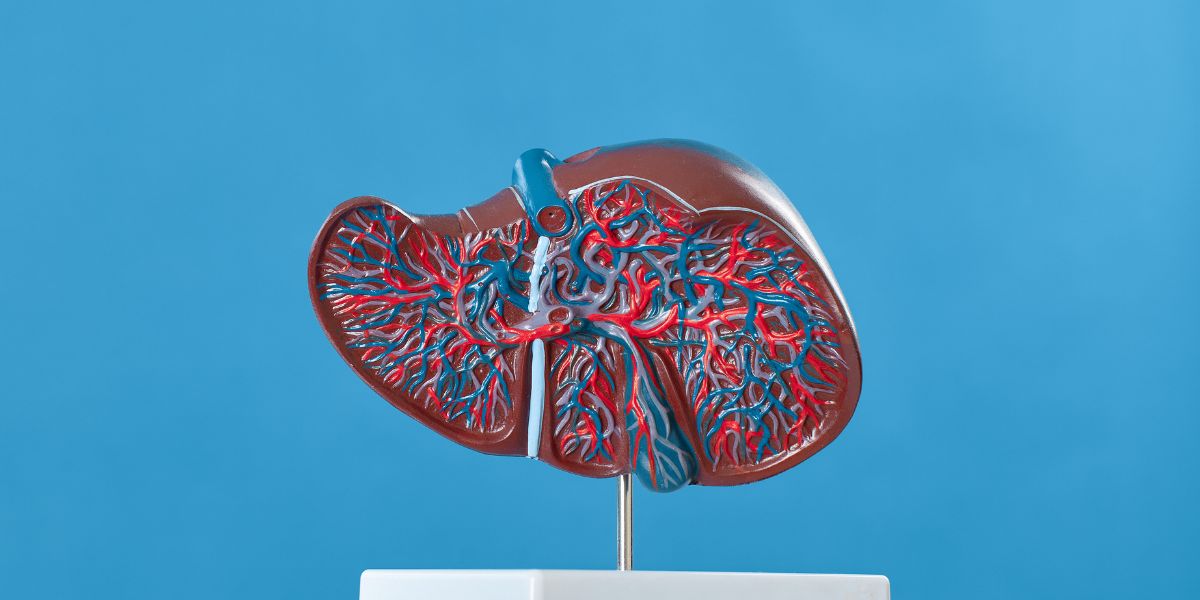
How to Protect Your Liver While Taking Creatine, Whey & Pre-Workout
Fitness enthusiasts often use creatine, whey protein, and pre-workout supplements to boost muscle growth, energy, and performance. These supplements can help you hit your goals, but they also make your liver work harder to process them. Your liver is vital for filtering toxins, processing nutrients, and keeping you healthy.
Overloading it with supplements might cause stress or damage over time. This article explains how creatine, whey, and pre-workouts affect your liver, warning signs to watch for, and simple ways to protect your liver while using these supplements, all in easy-to-understand language.
What is the Liver’s Role?
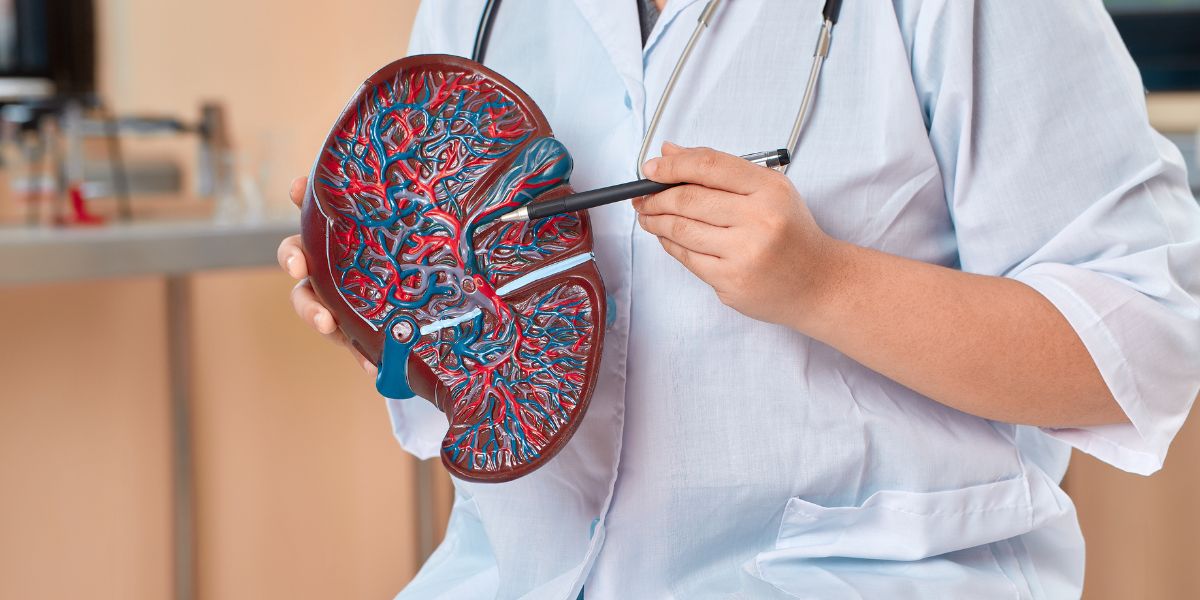
Your liver is like a super-organ in your body, doing hundreds of jobs to keep you healthy. It sits in the upper right side of your belly and handles:
- Processing Nutrients: Breaks down proteins, carbs, and fats from food or supplements into usable forms.
- Filtering Toxins: Removes harmful substances, like additives or waste, from your blood.
- Making Energy: Stores and releases glucose for energy during workouts. Learn more about the role of the Liver in energy metabolism and Immunity.
- Managing Waste: Turns protein waste (like ammonia) into urea, which your kidneys remove.
- Producing Proteins: Creates proteins for muscle repair and immunity.
When you take supplements like creatine, whey, or pre-workouts, your liver processes their ingredients, which can add to its workload. Keeping it healthy ensures you get the benefits of supplements without risking harm.
How Supplements Affect the Liver
Creatine, whey protein, and pre-workout supplements are popular in fitness, but each impacts the liver differently. Here’s how:
1. Creatine
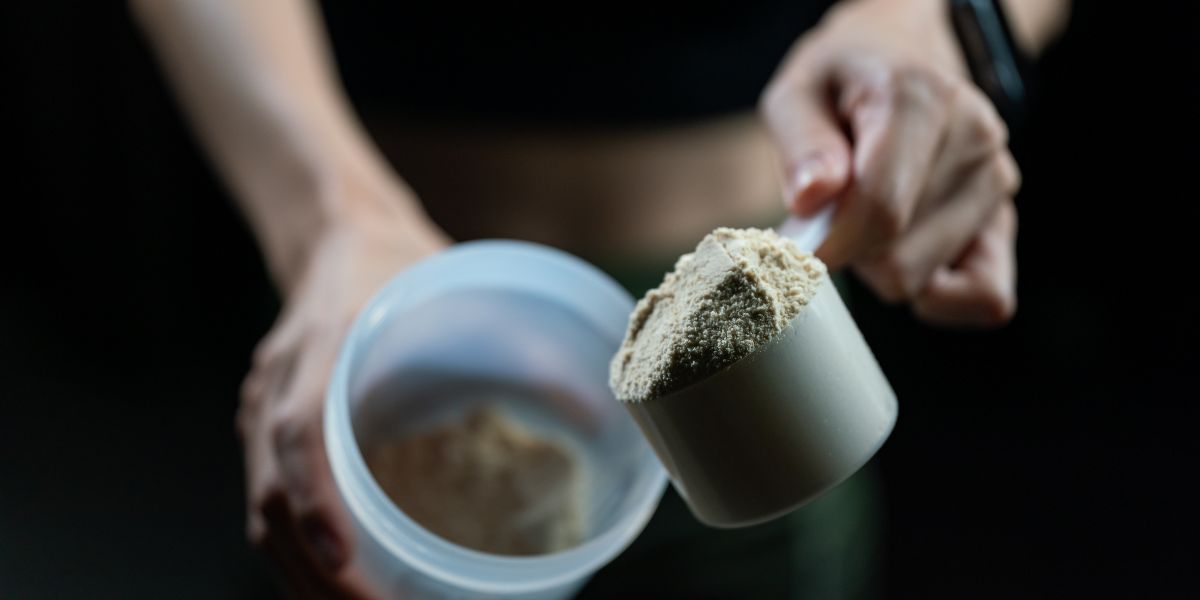
Creatine is a natural compound that boosts muscle energy and strength. It’s found in meat and fish but is often taken as a powder (creatine monohydrate, 3–5g daily).
- Liver Impact: The liver helps convert creatine into energy and processes its byproducts. High doses (over 10g daily) or poor-quality creatine with additives can increase the liver’s workload, potentially raising liver enzyme levels (ALT, AST).
- Risks: Rare cases link excessive creatine to liver stress, especially if combined with other supplements or dehydration.
2. Whey Protein
Whey protein, made from milk, is a fast-digesting protein (20–30g per scoop) used for muscle growth and recovery.
- Liver Impact: The liver breaks down whey into amino acids and removes excess nitrogen as urea. High doses (over 2g protein per kg body weight daily) or frequent shakes can strain the liver, especially if your diet lacks balance.
- Risks: Low-quality whey with artificial sweeteners, fillers, or heavy metals may cause liver inflammation or fat buildup (non-alcoholic fatty liver disease, NAFLD).
3. Pre-Workout Supplements
Pre-workouts are blends of caffeine, amino acids, and other ingredients (like beta-alanine or nitric oxide boosters) to enhance energy and focus.
- Liver Impact: The liver processes multiple ingredients, including caffeine (200–400mg per serving), artificial flavours, and stimulants. Overuse or poor-quality products can raise liver enzymes or cause toxicity.
- Risks: Some pre-workouts have been linked to liver damage due to unregulated ingredients like DMAA or high caffeine levels.
Combining these supplements increases the liver’s burden, especially if you use them daily or in high doses.
Signs Your Liver Might Be Stressed
Your liver doesn’t always show obvious signs of trouble, but these symptoms may indicate it’s struggling:
- Constant Fatigue: Feeling tired despite rest, as the liver can’t process nutrients or toxins efficiently.
- Yellow Skin/Eyes (Jaundice): Happens when the liver can’t clear bilirubin, a waste product.
- Dark Urine or Pale Stools: Suggests the liver isn’t filtering waste properly.
- Upper Right Belly Pain: Discomfort where the liver is located may signal inflammation.
- Nausea or Bloating: Poor digestion from an overworked liver.
- Brain Fog: Ammonia buildup from protein breakdown can cause confusion or sluggishness.
- Slow Recovery: Muscles stay sore longer if the liver can’t process protein for repair.
If you notice these, especially for weeks, see a doctor for liver function tests (LFTs) or an ultrasound.
Why Protecting Your Liver Matters?
Your liver is key to getting the most from creatine, whey, and pre-workouts. A healthy liver:
- Boosts Supplement Effectiveness: Processes creatine and whey efficiently for energy and muscle growth.
- Supports Energy and Focus: Clears pre-workout ingredients to keep you energised without crashes.
- Speeds Recovery: Removes waste, reducing soreness and fatigue.
- Prevents Health Issues: Avoids risks like NAFLD, which affects 25% of people globally, or liver damage from toxins.
Neglecting liver health can lead to low energy, stalled gains, or severe conditions that derail your fitness journey.
Note: Pre-workout nutrition plays a key role in supporting both energy and liver function. However, consuming excess protein without balance can sometimes harm the liver. Learn more about how a high-protein diet affects liver health.
How to Protect Your Liver While Using Supplements
Here are some of the best ways by which you can protect your liver with the help of supplements:
1. Choose High-Quality Supplements
Low-quality products with additives or contaminants can harm your liver. Here’s what to look for:
- Creatine: Pick creatine monohydrate from trusted brands with third-party testing (e.g., Creapure). Avoid blends with unnecessary fillers.
- Whey Protein: Choose whey isolate or concentrate with minimal ingredients (no artificial sweeteners or flavours). Look for NSF or Informed-Sport certification.
- Pre-Workouts: Select products with clear ingredient lists, moderate caffeine (under 300mg per serving), and no banned substances. Avoid proprietary blends hiding dosages.
Tip: Research brands and check reviews to ensure purity and safety.
2. Stick to Recommended Doses
Overdosing on supplements strains the liver. Follow these guidelines:
- Creatine: 3–5g daily (0.03g/kg body weight) is enough. Avoid loading phases (20g daily) unless advised by a doctor.
- Whey Protein: 20–30g per shake, 1–2 times daily. Total protein (food + supplements) should be 1.6–2.2g/kg body weight.
- Pre-Workouts: Use 1 serving (as directed) 30 minutes before exercise, no more than 4–5 times weekly. Avoid double scooping.
Why It Works: Proper dosing reduces the liver’s workload, per studies showing moderate creatine and protein are safe for healthy livers.
3. Balance Your Diet
Supplements shouldn’t replace whole foods. A balanced diet supports liver health:
|
Food Group |
Examples (Vegetarian) |
Liver Health Benefits |
|
Proteins |
Lentils, chickpeas, tofu, paneer, kidney beans |
Provide essential amino acids for muscle repair and liver cell regeneration |
|
Vegetables |
Broccoli, spinach, kale, beetroot, bottle gourd |
Rich in antioxidants like glutathione that help reduce oxidative stress on the liver |
|
Fruits |
Berries, apples, citrus fruits, papaya, pomegranate |
High in vitamins, fibre, and natural enzymes that support detoxification processes |
|
Whole Grains |
Oats, quinoa, brown rice, barley, whole wheat |
Aid digestion, reduce liver fat accumulation, and maintain stable blood sugar levels |
|
Healthy Fats |
Avocados, almonds, walnuts, flaxseeds, olive oil |
Supply omega-3s and vitamin E, reduce inflammation, and improve overall liver function. |
Avoid: Processed foods, sugary drinks, or fatty meats that increase NAFLD risk.
4. Stay Hydrated
Water helps the liver flush out urea, toxins, and supplement byproducts. Aim for 2–3 litres daily, more if you’re training or using creatine (which pulls water into muscles).
Tip: Sip water throughout the day and add lemon for a gentle detox boost.
5. Limit Other Toxins
Reduce the liver’s detox load:
- Avoid Alcohol: Even small amounts damage liver cells, especially with supplements.
- Cut Caffeine Overuse: Limit coffee or energy drinks if using pre-workouts (total caffeine under 400mg daily).
- Minimise Medications: Avoid unnecessary painkillers or drugs that stress the liver. Check with a doctor if on prescription.
Why It Works: Fewer toxins let the liver focus on processing supplements, per research on alcohol’s impact on liver health.
6. Add Liver-Supporting Foods and Herbs
These foods and herbs protect your liver:
- Turmeric: Curcumin reduces inflammation. Add to meals or smoothies.
- Milk Thistle: Silymarin repairs liver cells. Use as tea or a supplement.
- Beets: Antioxidants cleanse the liver.
- Green Tea: Catechins lower liver fat. Drink 1–2 cups daily.
- Dandelion Root: Supports detox as a tea.
Tip: Consult a doctor before using herbal supplements, especially with medications.
7. Cycle Your Supplements
Taking supplements daily for months can overwork the liver. Try cycling:
- Creatine: Use for 8–12 weeks, then take 4 weeks off.
- Whey Protein: Rely on whole foods 1–2 days weekly instead of shakes.
- Pre-Workouts: Use only on intense training days (3–4 times weekly), avoiding on rest days.
Why It Works: Breaks give the liver time to recover, reducing long-term stress.
8. Exercise Smart
Exercise supports liver health, but don’t overdo it:
- Mix Cardio and Strength: Running or lifting burns fat and improves liver function.
- Try Yoga: Poses like Cobra or Bow stimulate the liver.
- Avoid Overtraining: Excessive workouts raise stress hormones, burdening the liver.
Why It Works: Moderate exercise reduces liver fat by 20–30%, per NAFLD studies.
9. Get Enough Sleep
Sleep (7–8 hours) lets the liver detox and repair, especially at night when it’s most active. Poor sleep increases stress, worsening liver fat buildup.
10. Regular Liver Checkups
Get yearly liver function tests (LFTs) to monitor enzymes (ALT, AST) and bilirubin. If using supplements long-term, consider:
- Ultrasound: Checks for fat buildup or damage.
- Blood Tests: Detects ammonia or toxin levels.
Why It Works: Early detection prevents serious issues. Studies show 20–30% of supplement users have mild liver enzyme elevations.
Common Mistakes to Avoid
Below are some of the most common mistakes you should avoid:
- Overloading Supplements: Combining multiple products (e.g., pre-workout + BCAA + whey) overwhelms the liver.
- Ignoring Labels: Not reading ingredient lists or dosages risks toxicity.
- Poor Diet: Relying on supplements instead of whole foods lacks nutrients for liver health.
- Skipping Hydration: Dehydration makes it harder for the liver to process waste.
- Ignoring Symptoms: Don’t assume fatigue or pain is just from training.
When to See a Doctor
See a doctor if you notice:
- Jaundice, dark urine, or pale stools.
- Ongoing fatigue, nausea, or brain fog.
- Upper right belly pain or slow recovery.
- History of liver issues (e.g., hepatitis) or heavy supplement use.
A doctor may adjust your supplement plan or test for NAFLD or liver damage.
Myths About Supplements and Liver Health
|
Myth |
Fact |
|
Supplements are always safe for the liver. |
High doses or poor-quality products can cause stress or damage. |
|
Only pre-workouts harm the liver. |
Excess creatine or whey can also strain the liver if overused. |
|
Liver damage shows up fast. |
Issues can be silent for years, so regular tests are key. |
Conclusion
Creatine, whey, and pre-workouts can power your fitness, but they make your liver work harder. Protect it by choosing high-quality supplements, sticking to recommended doses, and balancing your diet with veggies and whole foods. Stay hydrated, limit alcohol, and add liver-friendly foods like turmeric or beets. Cycle supplements, exercise smart, and get enough sleep.
Watch for signs like fatigue or jaundice, and get regular checkups. With these simple steps, you can enjoy the benefits of supplements while keeping your liver healthy, ensuring better energy, recovery, and gains for your fitness journey.
FAQs
1. Is creatine safe for the liver?
Numerous studies have confirmed creatine’s safety profile even at high doses, with no adverse effects observed on kidney or liver function for those without pre-existing conditions. As long as directions are followed, creatine is considered safe for the liver.
2. Can I mix creatine with whey protein and pre-workout?
Yes, creatine monohydrate powder can absolutely be mixed and taken with both whey protein and pre-workout formulas. However, avoid taking creatine alongside caffeine or other stimulants found in pre-workouts as this combo may impair the ergogenic effects of creatine on muscle strength and growth.
3. What precautions should be taken while taking creatine?
Staying well-hydrated by drinking plenty of water daily (3-4 liters) is highly recommended to aid creatine uptake and prevent dehydration or cramping. Do not exceed recommended loading and maintenance doses long-term. Consult a medical professional before use if you have liver, kidney or metabolic conditions.
4. Is creatine ok to take every day?
Consuming 3-5 grams of creatine monohydrate powder per day, even for months or years, appears safe according to research as long as cycling on and off periods are observed. This allows the body’s natural creatine production to restart.
5. Does creatine affect sleep?
Initially, taking creatine can cause water retention and dehydration, which could disrupt sleep quality if taken too close to bedtime. Adjust dose timing or cycle off creatine for 5-7 days if sleep issues emerge to restore the body’s fluid balance.
References
- Whey protein, made from milk, is a fast-digesting protein (20–30g per scoop) used for muscle growth and recovery. (https://www.researchgate.net)
- Limit coffee or energy drinks if using pre-workouts (total caffeine under 400mg daily). (https://www.mayoclinic.org)
- Curcumin reduces inflammation. (https://pmc.ncbi.nlm.nih.gov)

Written by

Zanducare
India’s trusted name in Ayurvedic wellness, offering time-tested solutions for today’s health and lifestyle needs. With formulations rooted in classical Ayurvedic texts and crafted using pure natural ingredients, we bring holistic care into your everyday routine.
Research by


Leave a comment
This site is protected by hCaptcha and the hCaptcha Privacy Policy and Terms of Service apply.