Liver Detox Diet Plan: What to Eat and What to Avoid?
Feeling tired or sluggish lately? Your liver might be asking for a bit of detox! The liver is the body’s natural cleaner, but sometimes it needs some extra help to stay healthy. The best way to support your liver is through the right food—what you eat can either help it clean better or make it work harder.
In this blog, we’ll share a simple fatty liver diet plan with easy-to-follow tips on what to eat and what to avoid. No fancy rules or strict diets, just everyday foods that keep your liver happy and your body fresh. Ready to give your liver some love? Let’s dive in!
What is a Liver Detox Diet?
A liver detox diet improves digestion and energy levels by promoting and strengthening the liver's natural detoxification function. A liver diet can help you change your eating habits and support liver health, but it is not a replacement for medical care.
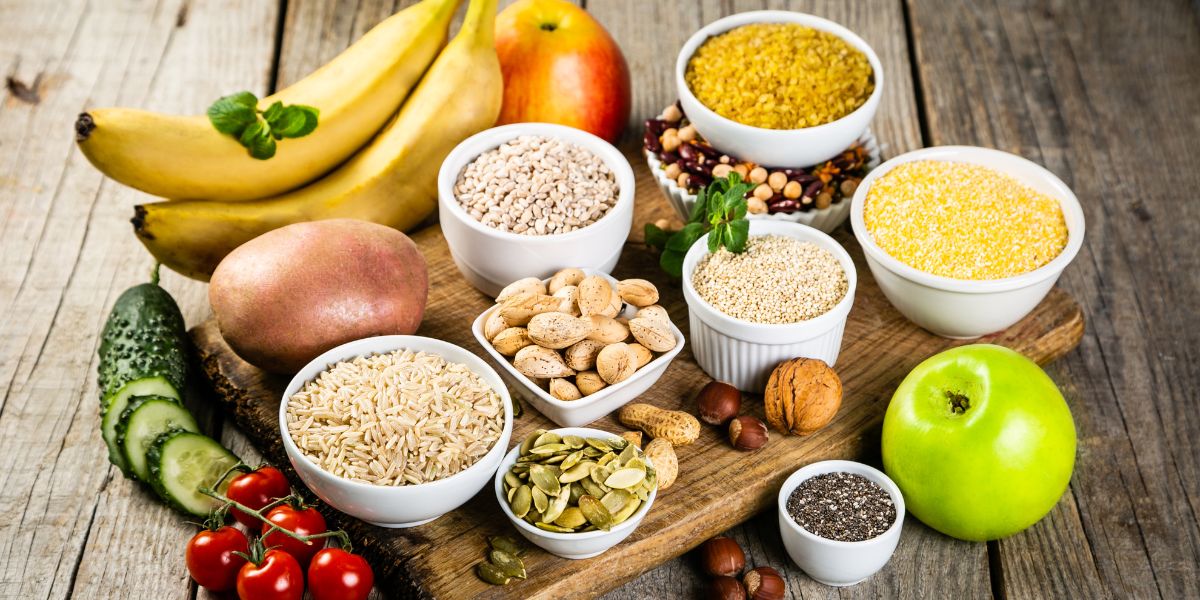
Fruits, vegetables, lean meats, whole grains, and healthy fats are the mainstays of a liver cleansing diet, which also excludes processed meals, alcohol, added sweets, and pollutants.
Along with lifestyle changes and a detox diet, many people also turn to herbal support for better results. You can check out our liver health medicines for Ayurvedic solutions that promote liver wellness.
Foods to Include in a Liver Detoxification Diet
Here are the top liver detox foods that you should include in your daily diet to detox your liver:
Leafy Greens (Spinach, Kale): Leafy greens like spinach and kale are rich in chlorophyll, a plant pigment that helps neutralise heavy metals and toxins in the body. Adding these veggies to your diet helps the liver filter out contaminants.
Turmeric: Turmeric contains curcumin, a compound that boosts bile production and stimulates liver cell repair. By improving bile flow, turmeric aids the liver’s natural detoxification processes and protects liver tissues.
Walnuts: Walnuts provide glutathione and omega-3 fatty acids, both essential for powering the liver’s detox enzymes. Glutathione neutralises toxins in the body, while omega-3s reduce inflammation in the liver.
Garlic: Garlic is both a liver cleanser and protector. It activates enzymes in the liver that filter out waste and contains the antioxidant mineral selenium to guard liver cells from damage.
Beetroot: The antioxidants called betalains in beetroot reduce oxidative stress and improve bile flow from the liver. This takes pressure off the liver so it can focus its efforts on filtering out toxins.
Cruciferous Veggies (Broccoli, Cauliflower): Cruciferous veggies like broccoli and cauliflower contain glucosinolates, compounds that help flush out carcinogens and toxins from the liver, preventing toxin buildup.
Avocado: Avocado is a rich source of glutathione, the liver’s master antioxidant. Glutathione directly neutralises a wide range of toxins and pollutants that the liver filters out.
Beverages for the Liver Detoxification
Some beverages can aid in detoxification and maintain a healthy liver. Green tea, lemon water, olive oil, and coffee are excellent examples. They all have significant advantages for the liver.
Lemon Water: Lemon water contains antioxidant vitamin C, which helps stimulate toxin-metabolising enzymes in the liver. This speeds up the liver’s ability to filter out contaminants.
Green Tea: Green tea contains catechins, which have anti-inflammatory and antioxidant properties and are crucial for liver detoxification. Studies have shown that green tea can help reduce body fat accumulation, which is typical of fatty livers. However, children, expectant mothers, nursing mothers, and those with kidney issues, sleeplessness, stomach ulcers, anaemia, or gastritis should not take it.
Olive Oil: Olive oil supports healthy bile flow from the liver while also reducing fat accumulation. This eases the liver’s workload so it can focus on filtering out metabolic waste products and toxins.
Coffee: Coffee use on a daily basis can protect your liver. Coffee reduces the incidence of non-alcoholic fatty liver disease (NAFLD), according to a 2021 study. Additionally, it lowers the risk of liver fibrosis in NAFLD patients. Coffee contains antioxidants that improve liver function. It is therefore a wise option for liver health.
Artichoke tea: Antioxidants found in artichoke leaves aid in fat removal and promote the development of healthy liver cells. This may result in better digestion and the avoidance of liver diseases such as fatty liver. Children, expectant mothers, nursing mothers, and those with gallbladder obstructions or severe liver disease should not consume artichoke tea.
Mint tea: Mint tea promotes the formation of bile, and it can be helpful when following a liver detox diet. One of the several substances that aid in digestion and support healthy intestinal function is bile. Children, pregnant women, nursing mothers, and those with gallbladder stones or other severe liver problems should not drink mint tea.
Boldo tea: The medicinal plant bolide contains flavonoids and polyphenols, which have anti-inflammatory and antioxidant qualities and are crucial for a liver detox diet. These may aid in promoting healthy liver function. However, people with liver disease (such as hepatitis or cancer) or who are pregnant shouldn't drink Boldo tea.
Note: Liver-friendly diets are most effective when tailored to your body’s needs. If your current plan includes excessive protein intake, it’s worth reading about the possible impact of high-protein diets on liver function.
Meal Plans for Liver Detox Diet
Making the right food choices might be aided by following a planned liver cleanse meal plan. Here is an example of a one-day schedule:
Breakfast
Start your day with a detoxifying green smoothie. Blend spinach, kale, cucumber, lemon, ginger, avocado, chia seeds and almond milk. This gives you a nutrient-dense, low-calorie meal full of liver-cleansing foods to kickstart detox.
Alternatively, make a vegetable and turmeric omelet. Sauté onions, tomatoes, spinach and turmeric, then fold the veggies into eggs. Pair it with a small bowl of mixed berries for antioxidants. Some sliced walnuts on top would also supply liver-healthy fats.
For another option, toast some wholegrain bread and top it with smashed avocado, lemon juice and black pepper. This healthy fat and vitamin C combo motivates your liver to start filtering toxins. Have it with a cup of dandelion root tea to further stimulate liver detox.
Lunch
For lunch, make a big leafy green salad full of natural cleansers. Use spinach, kale, arugula, broccoli, cabbage, Brussels sprouts and asparagus. Top it off with lemon juice, olive oil, apple cider vinegar, turmeric, garlic and seeds like sunflower or pumpkin for crunch. The array of produce provides a spectrum of detoxifying plant compounds.
For a simple liver-cleansing soup, simmer broccoli, onions, garlic, turmeric and vegetable stock until soft, then blend smooth. Mix in some yogurt or lemon juice, sprinkle with dukkah spice blend and serve. The combination of cruciferous veggies, anti-inflammatory turmeric and tangy lemon filtrate toxins out.
Another tasty option is to make beet, carrot and ginger juice. Blend it up with some greens like kale or chard plus lemon. The vibrant phytochemicals in the produce stimulate enzymatic processes to enhance detoxification. Have it alongside some probiotic yogurt to further support liver function.
Dinner
Stir fry some tofu with onions, carrots, bok choy, garlic, ginger and turmeric. The combo of protein and aromatic, anti-inflammatory ingredients is cleansing and nourishing. Serve with brown rice and a side salad of bitter greens for more detox power.
For a vegetarian main, roast cauliflower, sweet potato, beets and onions with cumin, coriander, garlic and olive oil until tender, then finish with lemon and parsley. The assortment of liver-protective compounds removes waste while providing nutrition. Enjoy quinoa for its antioxidant richness.
Another simple but powerful option is to make salmon with avocado salsa verde. Pan fry the salmon, then top it with a salsa of mashed avocado, cilantro, lime juice, capers and diced shallots. The salmon supplies omega-3s, while the salsa provides glutathione for toxin neutralisation. Pair it with roasted broccoli.
Foods to Avoid During Liver Detox
Here are the foods to avoid during liver detox:
Alcohol: Consuming alcoholic beverages like wine, beer, or liquor strains the liver’s natural detoxification enzymes over time. This hampers its ability to filter out other toxins and wastes from the body. Limiting or avoiding alcohol for a period allows liver enzymes to rebalance and work more efficiently.
Processed Sugars: Foods with added sugars, such as sodas, candies, baked goods, and sugary cereals, promote fat deposition in the liver. This buildup impairs normal liver function and weighs the organ down. Reducing processed sugary foods and drinks lightens the liver’s load so it can more effectively filter toxins.
Fried Foods: Frying foods in oil at high temperatures encourages oxidation, generating free radicals and harmful compounds. These taxes additionally damage the liver by causing cellular inflammation and damage within liver tissues. Minimising fried items in favour of steaming, baking, or grilling preserves liver health.
Excessive Salt: High salt intake contributes to fluid retention and swelling in the body, including the liver. This strains the liver by congesting blood flow and accumulating toxins that cannot be filtered out properly. Decreasing dietary sodium levels through fresh, low-salt whole foods supports healthier detox function.
Conclusion
A diet chart for fatty liver can boost your liver’s health with simple changes. Focus on nutrient-rich foods like leafy greens, broccoli, garlic, and omega-3s while avoiding alcohol, processed sugars, and fried foods. Drinks like coffee and green tea also help. Stick to whole foods and stay hydrated to support detoxification. Always consult a doctor before starting, especially if you have liver issues. Small, consistent steps can make your liver stronger and you healthier!
FAQs
1. What do I avoid during liver detox?
Avoid alcohol, processed foods, added sugars (like sodas and sweets), and over-the-counter medications like pain relievers that can stress the liver. Also, steer clear of high-fat foods and supplements without doctor approval to prevent liver irritation.
2. What to eat to detoxify the liver?
Eat vegetables like broccoli, leafy greens, and garlic, plus omega-3-rich foods like salmon and walnuts. Drink coffee in moderation and include antioxidant-rich foods like berries and turmeric to support liver health.
3. What is the 3-day liver cleanse diet?
A 3-day liver cleanse diet typically involves eating whole foods like vegetables, fruits, lean proteins, and healthy fats while avoiding processed foods, sugar, and alcohol. It emphasizes hydration and nutrient-dense meals to support liver function, but consult a doctor first.
4. What is the 21-day detox?
A 21-day detox is a longer-term plan to support liver and body health by cutting out processed foods, sugars, and alcohol while eating whole foods like vegetables, fruits, and lean proteins. It often includes herbs like milk thistle and regular exercise, but medical guidance is recommended.
5. Can your liver heal in 7 days?
A 7-day diet won’t fully heal the liver, but it can start reducing fat and inflammation with healthy eating and no alcohol. Full recovery, especially for NAFLD, takes weeks or months and requires consistent lifestyle changes.
Feeling tired or sluggish lately? Your liver might be asking for a bit of detox! The liver is the body’s natural cleaner, but sometimes it needs some extra help to stay healthy. The best way to support your liver is through the right food—what you eat can either help it clean better or make it work harder.
In this blog, we’ll share a simple fatty liver diet plan with easy-to-follow tips on what to eat and what to avoid. No fancy rules or strict diets, just everyday foods that keep your liver happy and your body fresh. Ready to give your liver some love? Let’s dive in!
What is a Liver Detox Diet?
A liver detox diet improves digestion and energy levels by promoting and strengthening the liver's natural detoxification function. A liver diet can help you change your eating habits and support liver health, but it is not a replacement for medical care.
Fruits, vegetables, lean meats, whole grains, and healthy fats are the mainstays of a liver cleansing diet, which also excludes processed meals, alcohol, added sweets, and pollutants.
Along with lifestyle changes and a detox diet, many people also turn to herbal support for better results. You can check out our liver health medicines for Ayurvedic solutions that promote liver wellness.
Foods to Include in a Liver Detoxification Diet
Here are the top liver detox foods that you should include in your daily diet to detox your liver:
Leafy Greens (Spinach, Kale): Leafy greens like spinach and kale are rich in chlorophyll, a plant pigment that helps neutralise heavy metals and toxins in the body. Adding these veggies to your diet helps the liver filter out contaminants.
Turmeric: Turmeric contains curcumin, a compound that boosts bile production and stimulates liver cell repair. By improving bile flow, turmeric aids the liver’s natural detoxification processes and protects liver tissues.
Walnuts: Walnuts provide glutathione and omega-3 fatty acids, both essential for powering the liver’s detox enzymes. Glutathione neutralises toxins in the body, while omega-3s reduce inflammation in the liver.
Garlic: Garlic is both a liver cleanser and protector. It activates enzymes in the liver that filter out waste and contains the antioxidant mineral selenium to guard liver cells from damage.
Beetroot: The antioxidants called betalains in beetroot reduce oxidative stress and improve bile flow from the liver. This takes pressure off the liver so it can focus its efforts on filtering out toxins.
Cruciferous Veggies (Broccoli, Cauliflower): Cruciferous veggies like broccoli and cauliflower contain glucosinolates, compounds that help flush out carcinogens and toxins from the liver, preventing toxin buildup.
Avocado: Avocado is a rich source of glutathione, the liver’s master antioxidant. Glutathione directly neutralises a wide range of toxins and pollutants that the liver filters out.
Beverages for the Liver Detoxification
Some beverages can aid in detoxification and maintain a healthy liver. Green tea, lemon water, olive oil, and coffee are excellent examples. They all have significant advantages for the liver.
Lemon Water: Lemon water contains antioxidant vitamin C, which helps stimulate toxin-metabolising enzymes in the liver. This speeds up the liver’s ability to filter out contaminants.
Green Tea: Green tea contains catechins, which have anti-inflammatory and antioxidant properties and are crucial for liver detoxification. Studies have shown that green tea can help reduce body fat accumulation, which is typical of fatty livers. However, children, expectant mothers, nursing mothers, and those with kidney issues, sleeplessness, stomach ulcers, anaemia, or gastritis should not take it.
Olive Oil: Olive oil supports healthy bile flow from the liver while also reducing fat accumulation. This eases the liver’s workload so it can focus on filtering out metabolic waste products and toxins.
Coffee: Coffee use on a daily basis can protect your liver. Coffee reduces the incidence of non-alcoholic fatty liver disease (NAFLD), according to a 2021 study. Additionally, it lowers the risk of liver fibrosis in NAFLD patients. Coffee contains antioxidants that improve liver function. It is therefore a wise option for liver health.
Artichoke tea: Antioxidants found in artichoke leaves aid in fat removal and promote the development of healthy liver cells. This may result in better digestion and the avoidance of liver diseases such as fatty liver. Children, expectant mothers, nursing mothers, and those with gallbladder obstructions or severe liver disease should not consume artichoke tea.
Mint tea: Mint tea promotes the formation of bile, and it can be helpful when following a liver detox diet. One of the several substances that aid in digestion and support healthy intestinal function is bile. Children, pregnant women, nursing mothers, and those with gallbladder stones or other severe liver problems should not drink mint tea.
Boldo tea: The medicinal plant bolide contains flavonoids and polyphenols, which have anti-inflammatory and antioxidant qualities and are crucial for a liver detox diet. These may aid in promoting healthy liver function. However, people with liver disease (such as hepatitis or cancer) or who are pregnant shouldn't drink Boldo tea.
Note: Liver-friendly diets are most effective when tailored to your body’s needs. If your current plan includes excessive protein intake, it’s worth reading about the possible impact of high-protein diets on liver function.
Meal Plans for Liver Detox Diet
Making the right food choices might be aided by following a planned liver cleanse meal plan. Here is an example of a one-day schedule:
Breakfast
Start your day with a detoxifying green smoothie. Blend spinach, kale, cucumber, lemon, ginger, avocado, chia seeds and almond milk. This gives you a nutrient-dense, low-calorie meal full of liver-cleansing foods to kickstart detox.
Alternatively, make a vegetable and turmeric omelet. Sauté onions, tomatoes, spinach and turmeric, then fold the veggies into eggs. Pair it with a small bowl of mixed berries for antioxidants. Some sliced walnuts on top would also supply liver-healthy fats.
For another option, toast some wholegrain bread and top it with smashed avocado, lemon juice and black pepper. This healthy fat and vitamin C combo motivates your liver to start filtering toxins. Have it with a cup of dandelion root tea to further stimulate liver detox.
Lunch
For lunch, make a big leafy green salad full of natural cleansers. Use spinach, kale, arugula, broccoli, cabbage, Brussels sprouts and asparagus. Top it off with lemon juice, olive oil, apple cider vinegar, turmeric, garlic and seeds like sunflower or pumpkin for crunch. The array of produce provides a spectrum of detoxifying plant compounds.
For a simple liver-cleansing soup, simmer broccoli, onions, garlic, turmeric and vegetable stock until soft, then blend smooth. Mix in some yogurt or lemon juice, sprinkle with dukkah spice blend and serve. The combination of cruciferous veggies, anti-inflammatory turmeric and tangy lemon filtrate toxins out.
Another tasty option is to make beet, carrot and ginger juice. Blend it up with some greens like kale or chard plus lemon. The vibrant phytochemicals in the produce stimulate enzymatic processes to enhance detoxification. Have it alongside some probiotic yogurt to further support liver function.
Dinner
Stir fry some tofu with onions, carrots, bok choy, garlic, ginger and turmeric. The combo of protein and aromatic, anti-inflammatory ingredients is cleansing and nourishing. Serve with brown rice and a side salad of bitter greens for more detox power.
For a vegetarian main, roast cauliflower, sweet potato, beets and onions with cumin, coriander, garlic and olive oil until tender, then finish with lemon and parsley. The assortment of liver-protective compounds removes waste while providing nutrition. Enjoy quinoa for its antioxidant richness.
Another simple but powerful option is to make salmon with avocado salsa verde. Pan fry the salmon, then top it with a salsa of mashed avocado, cilantro, lime juice, capers and diced shallots. The salmon supplies omega-3s, while the salsa provides glutathione for toxin neutralisation. Pair it with roasted broccoli.
Foods to Avoid During Liver Detox
Here are the foods to avoid during liver detox:
Alcohol: Consuming alcoholic beverages like wine, beer, or liquor strains the liver’s natural detoxification enzymes over time. This hampers its ability to filter out other toxins and wastes from the body. Limiting or avoiding alcohol for a period allows liver enzymes to rebalance and work more efficiently.
Processed Sugars: Foods with added sugars, such as sodas, candies, baked goods, and sugary cereals, promote fat deposition in the liver. This buildup impairs normal liver function and weighs the organ down. Reducing processed sugary foods and drinks lightens the liver’s load so it can more effectively filter toxins.
Fried Foods: Frying foods in oil at high temperatures encourages oxidation, generating free radicals and harmful compounds. These taxes additionally damage the liver by causing cellular inflammation and damage within liver tissues. Minimising fried items in favour of steaming, baking, or grilling preserves liver health.
Excessive Salt: High salt intake contributes to fluid retention and swelling in the body, including the liver. This strains the liver by congesting blood flow and accumulating toxins that cannot be filtered out properly. Decreasing dietary sodium levels through fresh, low-salt whole foods supports healthier detox function.
Conclusion
A diet chart for fatty liver can boost your liver’s health with simple changes. Focus on nutrient-rich foods like leafy greens, broccoli, garlic, and omega-3s while avoiding alcohol, processed sugars, and fried foods. Drinks like coffee and green tea also help. Stick to whole foods and stay hydrated to support detoxification. Always consult a doctor before starting, especially if you have liver issues. Small, consistent steps can make your liver stronger and you healthier!
FAQs
1. What do I avoid during liver detox?
Avoid alcohol, processed foods, added sugars (like sodas and sweets), and over-the-counter medications like pain relievers that can stress the liver. Also, steer clear of high-fat foods and supplements without doctor approval to prevent liver irritation.
2. What to eat to detoxify the liver?
Eat vegetables like broccoli, leafy greens, and garlic, plus omega-3-rich foods like salmon and walnuts. Drink coffee in moderation and include antioxidant-rich foods like berries and turmeric to support liver health.
3. What is the 3-day liver cleanse diet?
A 3-day liver cleanse diet typically involves eating whole foods like vegetables, fruits, lean proteins, and healthy fats while avoiding processed foods, sugar, and alcohol. It emphasizes hydration and nutrient-dense meals to support liver function, but consult a doctor first.
4. What is the 21-day detox?
A 21-day detox is a longer-term plan to support liver and body health by cutting out processed foods, sugars, and alcohol while eating whole foods like vegetables, fruits, and lean proteins. It often includes herbs like milk thistle and regular exercise, but medical guidance is recommended.
5. Can your liver heal in 7 days?
A 7-day diet won’t fully heal the liver, but it can start reducing fat and inflammation with healthy eating and no alcohol. Full recovery, especially for NAFLD, takes weeks or months and requires consistent lifestyle changes.
These days, with all the stress, junk food, and pollution around, our liver takes a serious beating. But don’t worry—you don’t need expensive treatments or complicated detox plans to give it a brea...
Fatty liver – sounds scary, right? But don’t worry, it’s something many of us face, especially with our love for good food and busy lives. The good news is, you don’t always need medicines to fix i...