Skip to content

Payday Sale

shop now

Cart

Your cart is empty

Article: 12 Best Ways to Reduce Fatty Liver & Meal Plan

12 Best Ways to Reduce Fatty Liver & Meal Plan

12 Best Ways to Reduce Fatty Liver & Meal Plan

Fatty liver – sounds scary, right? But don’t worry, it’s something many of us face, especially with our love for good food and busy lives. The good news is, you don’t always need medicines to fix it. Sometimes, small changes in what you eat and how you live can make a big difference. In this blog, we’ll talk about easy diet tips and lifestyle changes that can help reduce fatty liver naturally. 

No complicated rules, just simple steps that anyone can follow to feel healthier and happier. Let’s get started and take care of your liver the desi way!


Best Ways to Reduce Fatty Liver Naturally

Below are some of the best ways to reduce fatty liver naturally:

1. Lose excess weight

Image of a girl showing her successful weight loss

The American Liver Disease experts say that losing even just 3-5% of your weight can reduce fat buildup in your liver if you have NAFLD. 

Losing 7-10% of weight may also help with inflammation and scarring. Gradual, sustainable weight loss is best. For that: 

  • Avoid extreme diets that are hard to stick to long-term. Instead, 
  • Small diet and lifestyle changes, like cutting back sugary foods, adding more vegetables, and getting light activity daily. 
  • Check with your doctor before starting any diet, especially if you have liver problems. 

They can refer you to a dietitian who can create a nutritious eating plan tailored to your weight loss and liver health needs. Even small amounts of weight loss can make a big difference in managing NAFLD.

2. Garlic

Garlic cloves tumbling out of a bowl

Garlic is used in many foods and meals. Recent research shows that taking garlic supplements may also help people with fatty liver disease (NAFLD). 

One 2022 medical review found that garlic pills can improve metabolism in people with NAFLD. That means garlic may aid in how the body processes fats and sugars, which is important for NAFLD. 

More studies are still needed, but initial research is promising. Using garlic regularly in cooking or taking a supplement may support liver health and NAFLD. 

As with any supplement, check with your doctor before starting garlic pills, especially if you have liver conditions.

3. Drink coffee

americano coffee

Research shows that regularly drinking coffee may protect the liver, especially for people with NAFLD. Coffee spurs the liver to produce enzymes that reduce inflammation. 

Studies find that 2-3 cups of coffee a day lowers liver damage and risk of disease versus non-coffee drinkers with NAFLD. Black coffee is best since it has no added fats or sugars. 

Caffeine can cause anxiety for some, so pay attention to how coffee makes you feel. If 2-3 cups makes you jittery, coffee may not be the best choice for you. 

Overall, though, coffee seems to benefit the liver, so 1-2 cups daily may support liver health if tolerated well.

4. Omega-3 fatty acids

Omega-3 fatty acids are a healthy type of fat that can lower inflammation. Recent research reviews have found that getting more omega-3s from certain foods or supplements can modestly improve liver fat, cholesterol, and BMI in people with NAFLD. 

Good food sources that are high in omega-3s are fatty fish like:

  • Salmon
  • Sardines
  • Walnuts
  • flaxseed. 

These foods contain EPA and DHA omega-3 fatty acids,, which help protect the liver. Aim to include one or two servings of these omega-3-rich foods in a healthy diet. 

Supplements are another option if diet alone doesn’t provide enough. Increasing omega-3 intake along with other lifestyle changes may help manage NAFLD.

Also, do check our 100% Ayurvedic products:

5. Avoid foods with added sugars

Cup full of sugar cubes

Eating lots of added sugars like those in sodas, sweet treats, and processed foods can worsen fat buildup and inflammation in your liver over time if you have NAFLD. 

Read labels to identify added sugars - words ending in “ose” like sucrose and high fructose corn syrup mean sugar. Also, limit foods with ingredients like: 

  • Cane sugar
  • Honey
  • Syrups. 

Check the nutrition label, too—the lower the grams of sugar per serving, the better. 

Cutting out sugary drinks and desserts as much as possible avoids spikes in blood sugar and fat that burden your liver. Stick to whole foods without added sugars as much as you can.


6. Limit alcohol

Drinking too much alcohol is a significant cause of preventable death in the United States. Alcohol hurts the liver and can lead to diseases like fatty liver disease or cirrhosis. A fatty liver means extra fat is building up in liver cells. 

Cirrhosis means liver cells get damaged and scarred, which makes it hard for the liver to work correctly. If someone has fatty liver disease, they should try to drink less alcohol or stop drinking alcohol altogether. 

This will help prevent their disease from getting worse and further damaging their liver. Reducing alcohol consumption helps keep the liver healthier.

7. Ask your doctor about vitamin E

Vitamin E is an antioxidant that may help reduce inflammation and damage caused by nonalcoholic fatty liver disease (NAFLD). 

Some research shows that vitamin E supplements can benefit people with NAFLD, but more studies are needed to determine for sure. 

In some cases, doctors may recommend taking a vitamin E supplement. The American Association for the Study of Liver Diseases says people with a type of NAFLD called NASH may benefit from taking 800 international units of vitamin E daily, if they don’t have diabetes. 

But high doses of vitamin E could have risks, so talk to your doctor before taking vitamin E supplements. 

See if your doctor thinks vitamin E may help with your NAFLD, and make sure the dose is safe for you.

8. Go for herbs and other natural remedies

Milk thistle plant

Some herbs and spices might help treat nonalcoholic fatty liver disease (NAFLD). A 2018 review found a few natural compounds that may improve liver health. These include:

  • Turmeric - Contains curcumin, an antioxidant and anti-inflammatory
  • Milk thistle: This may protect the liver from damage
  • Green tea: Contains antioxidants called catechins
  • Ginger: May reduce liver inflammation
  • Garlic: Contains compounds that support liver function

But these aren’t approved medical treatments. They could have side effects or interact with medications. Talk to your doctor first before taking any herbs or supplements to manage NAFLD to see if any might be helpful and safe options for you.

9. Soy or whey protein

soy beans

A review of studies in 2019 found that eating soy protein or whey protein may help reduce fat buildup in the liver. 

One study found that women with obesity who ate 60 grams of whey protein every day for 4 weeks were able to decrease the amount of fat in their livers by 20%. 

Whey protein comes from milk. Soy protein and whey protein may help because they improve insulin sensitivity. 

This means they help your body control blood sugar better. Soy protein also contains compounds called isoflavones that act as antioxidants. 

These may help reduce fat levels throughout the body. Eating soy foods or whey protein could be beneficial options to help lower fat accumulation in your liver if you have nonalcoholic fatty liver disease.

10. Broccoli

Eating lots of vegetables is good for people with fatty liver disease. Broccoli is one vegetable that may be especially helpful. 

A recent animal study from 2022 found that broccoli helped mice with nonalcoholic fatty liver disease break down fats quickly. 

This reduced fat buildup in their livers. Researchers think some compounds in broccoli tell the body to burn more fat. This helps prevent too much fat from being stored in the liver. 

More studies on humans are still needed to confirm broccoli's effects. However, early research shows that eating broccoli could help prevent or improve fatty liver disease. 

Adding broccoli to a diet with diverse vegetables can be a smart choice for people with liver conditions like nonalcoholic fatty liver disease.

11. Avoid known liver irritants

Some substances can damage or irritate the liver. People with nonalcoholic fatty liver disease (NAFLD) need to avoid things that stress the liver. These include:

  • Alcohol: Even moderate drinking can make NAFLD worse.
  • Over-the-counter medications: Many cold medicines and pain relievers can burden the liver.
  • Specific vitamins & supplements: High doses of some can be toxic to the liver.

Talk to your doctor or pharmacist before taking any new medications, supplements, or vitamins. Make sure they are safe for your liver. Avoid drinking alcohol, as it directly impacts liver health and disease progression. Being careful about what you take is vital to prevent further liver damage if you have been diagnosed with NAFLD.

12. Exercise for a healthy liver

If you have fatty liver disease, regular exercise can help reduce fat and inflammation in your liver. 

Exercise Recommendations for Fatty Liver Disease

Type of Exercise

Examples

Frequency

Duration

Benefits

Aerobic Exercise

Brisk walking, jogging, biking, and swimming

5 days a week

30-60 minutes per session

Reduces liver fat and inflammation, improves cardiovascular health

Strength Training

Weight lifting, resistance exercises

3 days a week

Medium to high intensity

Builds muscle, burns calories, reduces liver fat

Combined Routine

A mix of aerobic and strength training

Most days of the week

30-60 minutes aerobic + strength sessions

Maximises fat reduction and liver health improvement

Meal Plan for Fatty Liver

Meal

Menu

Breakfast

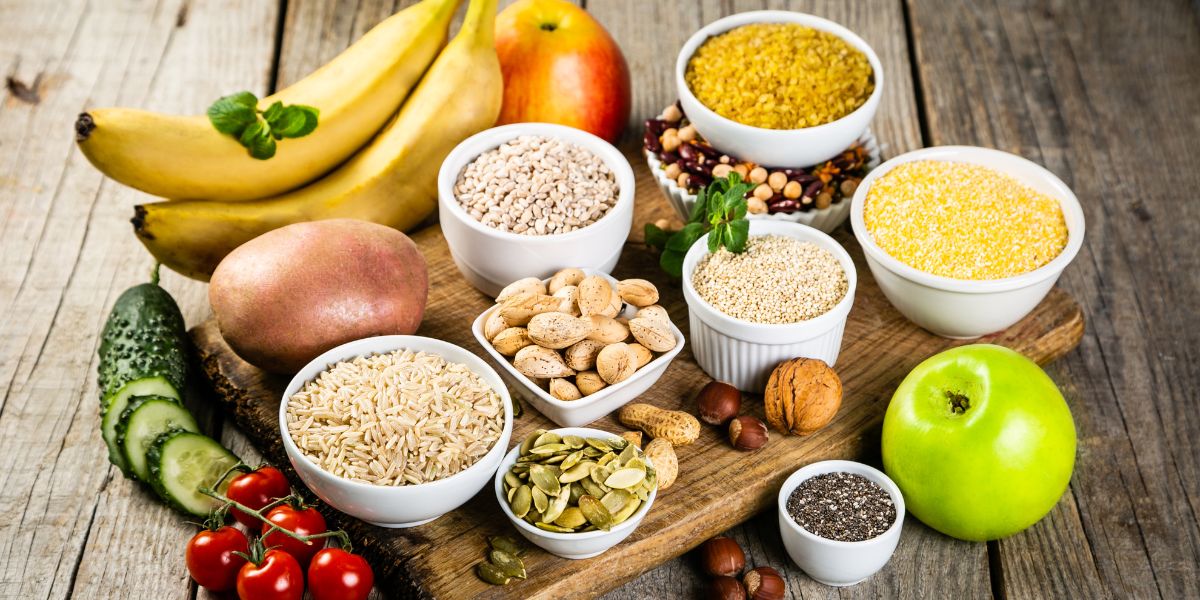
- 1 bowl dalia (broken wheat porridge) with 2 tsp almond butter or crushed almonds, 1 tbsp chia seeds, and mixed seasonal fruits (papaya, berries, pomegranate)

- 1 cup masala chai without sugar or green tea

Lunch

- Palak (spinach) salad with lemon juice and extra virgin olive oil

- 100 gm grilled tandoori chicken breast or paneer tikka

- 1 medium baked sweet potato or whole wheat roti

- 1 cup steamed mixed vegetables (carrots, beans, broccoli, cauliflower)

Snack

- 1 tbsp peanut butter on sliced apple or cucumber sticks with hummus or moong sprouts chaat

Dinner

- Mixed dal salad (moong, masoor, chana) with onions, tomatoes, coriander, and lemon juice

- 100 gm grilled or baked fish (salmon or rohu) or tofu stir fry

- 1 cup steamed broccoli or green beans

- 1/2 cup cooked quinoa or brown rice

- 1 small bowl of fresh mixed berries or seasonal fruit


Conclusion

Reducing fatty liver is achievable with simple diet and lifestyle changes. Losing weight, eating foods like broccoli, garlic, and omega-3-rich fish, and avoiding added sugars and alcohol can significantly improve liver health. Regular exercise, like walking or strength training, also helps reduce liver fat. 

Natural remedies like turmeric and milk thistle may support your efforts, but always consult your doctor before trying supplements. With consistent, small changes, you can manage NAFLD naturally and keep your liver healthy!

FAQs

1. How can I reduce my fatty liver fast?

Losing 3–5% of your body weight through a healthy diet and regular exercise can quickly reduce liver fat. Avoid sugary foods and alcohol, and consult a doctor for a tailored plan.

2. Is fatty liver 100% reversible?

Nonalcoholic fatty liver disease (NAFLD) can often be reversed with diet, exercise, and weight loss, especially in early stages. Advanced cases with scarring may not fully reverse, so early action is key.

3. What are the best foods to heal a fatty liver?

Eat broccoli, fatty fish like salmon, garlic, walnuts, and foods low in added sugars. These reduce liver fat and inflammation, supporting liver health.

4. Is rice good for fatty liver?

Brown rice is better than white rice for fatty liver as it’s high in fibre and nutrients. Eat it in moderation as part of a balanced, low-sugar diet.

5. What is the best exercise for fatty liver?

Aerobic exercises like brisk walking, jogging, or swimming for 30–60 minutes, 5 days a week, are excellent. Strength training 3 days a week also helps reduce liver fat.

Fatty liver – sounds scary, right? But don’t worry, it’s something many of us face, especially with our love for good food and busy lives. The good news is, you don’t always need medicines to fix it. Sometimes, small changes in what you eat and how you live can make a big difference. In this blog, we’ll talk about easy diet tips and lifestyle changes that can help reduce fatty liver naturally. 

No complicated rules, just simple steps that anyone can follow to feel healthier and happier. Let’s get started and take care of your liver the desi way!


Best Ways to Reduce Fatty Liver Naturally

Below are some of the best ways to reduce fatty liver naturally:

1. Lose excess weight

Image of a girl showing her successful weight loss

The American Liver Disease experts say that losing even just 3-5% of your weight can reduce fat buildup in your liver if you have NAFLD. 

Losing 7-10% of weight may also help with inflammation and scarring. Gradual, sustainable weight loss is best. For that: 

  • Avoid extreme diets that are hard to stick to long-term. Instead, 
  • Small diet and lifestyle changes, like cutting back sugary foods, adding more vegetables, and getting light activity daily. 
  • Check with your doctor before starting any diet, especially if you have liver problems. 

They can refer you to a dietitian who can create a nutritious eating plan tailored to your weight loss and liver health needs. Even small amounts of weight loss can make a big difference in managing NAFLD.

2. Garlic

Garlic cloves tumbling out of a bowl

Garlic is used in many foods and meals. Recent research shows that taking garlic supplements may also help people with fatty liver disease (NAFLD). 

One 2022 medical review found that garlic pills can improve metabolism in people with NAFLD. That means garlic may aid in how the body processes fats and sugars, which is important for NAFLD. 

More studies are still needed, but initial research is promising. Using garlic regularly in cooking or taking a supplement may support liver health and NAFLD. 

As with any supplement, check with your doctor before starting garlic pills, especially if you have liver conditions.

3. Drink coffee

americano coffee

Research shows that regularly drinking coffee may protect the liver, especially for people with NAFLD. Coffee spurs the liver to produce enzymes that reduce inflammation. 

Studies find that 2-3 cups of coffee a day lowers liver damage and risk of disease versus non-coffee drinkers with NAFLD. Black coffee is best since it has no added fats or sugars. 

Caffeine can cause anxiety for some, so pay attention to how coffee makes you feel. If 2-3 cups makes you jittery, coffee may not be the best choice for you. 

Overall, though, coffee seems to benefit the liver, so 1-2 cups daily may support liver health if tolerated well.

4. Omega-3 fatty acids

Omega-3 fatty acids are a healthy type of fat that can lower inflammation. Recent research reviews have found that getting more omega-3s from certain foods or supplements can modestly improve liver fat, cholesterol, and BMI in people with NAFLD. 

Good food sources that are high in omega-3s are fatty fish like:

  • Salmon
  • Sardines
  • Walnuts
  • flaxseed. 

These foods contain EPA and DHA omega-3 fatty acids,, which help protect the liver. Aim to include one or two servings of these omega-3-rich foods in a healthy diet. 

Supplements are another option if diet alone doesn’t provide enough. Increasing omega-3 intake along with other lifestyle changes may help manage NAFLD.

Also, do check our 100% Ayurvedic products:

5. Avoid foods with added sugars

Cup full of sugar cubes

Eating lots of added sugars like those in sodas, sweet treats, and processed foods can worsen fat buildup and inflammation in your liver over time if you have NAFLD. 

Read labels to identify added sugars - words ending in “ose” like sucrose and high fructose corn syrup mean sugar. Also, limit foods with ingredients like: 

  • Cane sugar
  • Honey
  • Syrups. 

Check the nutrition label, too—the lower the grams of sugar per serving, the better. 

Cutting out sugary drinks and desserts as much as possible avoids spikes in blood sugar and fat that burden your liver. Stick to whole foods without added sugars as much as you can.


6. Limit alcohol

Drinking too much alcohol is a significant cause of preventable death in the United States. Alcohol hurts the liver and can lead to diseases like fatty liver disease or cirrhosis. A fatty liver means extra fat is building up in liver cells. 

Cirrhosis means liver cells get damaged and scarred, which makes it hard for the liver to work correctly. If someone has fatty liver disease, they should try to drink less alcohol or stop drinking alcohol altogether. 

This will help prevent their disease from getting worse and further damaging their liver. Reducing alcohol consumption helps keep the liver healthier.

7. Ask your doctor about vitamin E

Vitamin E is an antioxidant that may help reduce inflammation and damage caused by nonalcoholic fatty liver disease (NAFLD). 

Some research shows that vitamin E supplements can benefit people with NAFLD, but more studies are needed to determine for sure. 

In some cases, doctors may recommend taking a vitamin E supplement. The American Association for the Study of Liver Diseases says people with a type of NAFLD called NASH may benefit from taking 800 international units of vitamin E daily, if they don’t have diabetes. 

But high doses of vitamin E could have risks, so talk to your doctor before taking vitamin E supplements. 

See if your doctor thinks vitamin E may help with your NAFLD, and make sure the dose is safe for you.

8. Go for herbs and other natural remedies

Milk thistle plant

Some herbs and spices might help treat nonalcoholic fatty liver disease (NAFLD). A 2018 review found a few natural compounds that may improve liver health. These include:

  • Turmeric - Contains curcumin, an antioxidant and anti-inflammatory
  • Milk thistle: This may protect the liver from damage
  • Green tea: Contains antioxidants called catechins
  • Ginger: May reduce liver inflammation
  • Garlic: Contains compounds that support liver function

But these aren’t approved medical treatments. They could have side effects or interact with medications. Talk to your doctor first before taking any herbs or supplements to manage NAFLD to see if any might be helpful and safe options for you.

9. Soy or whey protein

soy beans

A review of studies in 2019 found that eating soy protein or whey protein may help reduce fat buildup in the liver. 

One study found that women with obesity who ate 60 grams of whey protein every day for 4 weeks were able to decrease the amount of fat in their livers by 20%. 

Whey protein comes from milk. Soy protein and whey protein may help because they improve insulin sensitivity. 

This means they help your body control blood sugar better. Soy protein also contains compounds called isoflavones that act as antioxidants. 

These may help reduce fat levels throughout the body. Eating soy foods or whey protein could be beneficial options to help lower fat accumulation in your liver if you have nonalcoholic fatty liver disease.

10. Broccoli

Eating lots of vegetables is good for people with fatty liver disease. Broccoli is one vegetable that may be especially helpful. 

A recent animal study from 2022 found that broccoli helped mice with nonalcoholic fatty liver disease break down fats quickly. 

This reduced fat buildup in their livers. Researchers think some compounds in broccoli tell the body to burn more fat. This helps prevent too much fat from being stored in the liver. 

More studies on humans are still needed to confirm broccoli's effects. However, early research shows that eating broccoli could help prevent or improve fatty liver disease. 

Adding broccoli to a diet with diverse vegetables can be a smart choice for people with liver conditions like nonalcoholic fatty liver disease.

11. Avoid known liver irritants

Some substances can damage or irritate the liver. People with nonalcoholic fatty liver disease (NAFLD) need to avoid things that stress the liver. These include:

  • Alcohol: Even moderate drinking can make NAFLD worse.
  • Over-the-counter medications: Many cold medicines and pain relievers can burden the liver.
  • Specific vitamins & supplements: High doses of some can be toxic to the liver.

Talk to your doctor or pharmacist before taking any new medications, supplements, or vitamins. Make sure they are safe for your liver. Avoid drinking alcohol, as it directly impacts liver health and disease progression. Being careful about what you take is vital to prevent further liver damage if you have been diagnosed with NAFLD.

12. Exercise for a healthy liver

If you have fatty liver disease, regular exercise can help reduce fat and inflammation in your liver. 

Exercise Recommendations for Fatty Liver Disease

Type of Exercise

Examples

Frequency

Duration

Benefits

Aerobic Exercise

Brisk walking, jogging, biking, and swimming

5 days a week

30-60 minutes per session

Reduces liver fat and inflammation, improves cardiovascular health

Strength Training

Weight lifting, resistance exercises

3 days a week

Medium to high intensity

Builds muscle, burns calories, reduces liver fat

Combined Routine

A mix of aerobic and strength training

Most days of the week

30-60 minutes aerobic + strength sessions

Maximises fat reduction and liver health improvement

Meal Plan for Fatty Liver

Meal

Menu

Breakfast

- 1 bowl dalia (broken wheat porridge) with 2 tsp almond butter or crushed almonds, 1 tbsp chia seeds, and mixed seasonal fruits (papaya, berries, pomegranate)

- 1 cup masala chai without sugar or green tea

Lunch

- Palak (spinach) salad with lemon juice and extra virgin olive oil

- 100 gm grilled tandoori chicken breast or paneer tikka

- 1 medium baked sweet potato or whole wheat roti

- 1 cup steamed mixed vegetables (carrots, beans, broccoli, cauliflower)

Snack

- 1 tbsp peanut butter on sliced apple or cucumber sticks with hummus or moong sprouts chaat

Dinner

- Mixed dal salad (moong, masoor, chana) with onions, tomatoes, coriander, and lemon juice

- 100 gm grilled or baked fish (salmon or rohu) or tofu stir fry

- 1 cup steamed broccoli or green beans

- 1/2 cup cooked quinoa or brown rice

- 1 small bowl of fresh mixed berries or seasonal fruit


Conclusion

Reducing fatty liver is achievable with simple diet and lifestyle changes. Losing weight, eating foods like broccoli, garlic, and omega-3-rich fish, and avoiding added sugars and alcohol can significantly improve liver health. Regular exercise, like walking or strength training, also helps reduce liver fat. 

Natural remedies like turmeric and milk thistle may support your efforts, but always consult your doctor before trying supplements. With consistent, small changes, you can manage NAFLD naturally and keep your liver healthy!

FAQs

1. How can I reduce my fatty liver fast?

Losing 3–5% of your body weight through a healthy diet and regular exercise can quickly reduce liver fat. Avoid sugary foods and alcohol, and consult a doctor for a tailored plan.

2. Is fatty liver 100% reversible?

Nonalcoholic fatty liver disease (NAFLD) can often be reversed with diet, exercise, and weight loss, especially in early stages. Advanced cases with scarring may not fully reverse, so early action is key.

3. What are the best foods to heal a fatty liver?

Eat broccoli, fatty fish like salmon, garlic, walnuts, and foods low in added sugars. These reduce liver fat and inflammation, supporting liver health.

4. Is rice good for fatty liver?

Brown rice is better than white rice for fatty liver as it’s high in fibre and nutrients. Eat it in moderation as part of a balanced, low-sugar diet.

5. What is the best exercise for fatty liver?

Aerobic exercises like brisk walking, jogging, or swimming for 30–60 minutes, 5 days a week, are excellent. Strength training 3 days a week also helps reduce liver fat.

Related Articles

Liver Detox Diet Plan: What to Eat and What to Avoid?

Liver Detox Diet Plan: What to Eat and What to Avoid?

Feeling tired or sluggish lately? Your liver might be asking for a bit of detox! The liver is the body’s natural cleaner, but sometimes it needs some extra help to stay healthy. The best way to sup...

Read more
Stress free women

8 Best Benefits of Ashwagandha for Women's Health

In a world full of health trends and quick fixes, more and more women are turning to a humble, ancient herb—Ashwagandha—to find real balance and wellness. Why? Because this natural powerhouse isn’t...

Read more