








7-Day Indian Diet Plan for Bloating and Gas: Foods to Eat & Avoid
Bloating can make your stomach feel tight, heavy, or uncomfortable, even after a normal meal. Some people feel more bloating and gas, while others feel upper abdominal bloating with burps or a “stuck” feeling. When this discomfort keeps repeating, it may point toward ongoing stomach bloating rather than just an occasional heavy meal. The good news is that food choices and meal timing can make your day feel easier.
This article shares a simple Indian diet plan for bloating and gas, along with meal timing tips, foods to avoid, and gentle home remedies for bloating. Everything is vegetarian, easy to follow, and written for Indian households.
7-Day Indian Diet Plan for Bloating and Gas
This menu is made to feel realistic for Indian homes. It is vegetarian, simple, and focuses on warm, easy meals. You can swap similar items based on what is available in your city.
Choose moderate portions and eat slowly. If any item increases bloating for you, replace it with a simpler option from another day.
Day One
- Early Morning: Warm water sips
- Breakfast: Poha with mild spices (less onion if it bothers you)
- Mid-Morning: A banana or stewed apple (if fruit suits you)
- Lunch: Moong dal + rice + lauki sabzi (well-cooked)
- Evening: Saunf water or plain warm water
- Dinner: Soft khichdi with a small bowl of lightly cooked vegetables
Day Two
- Early Morning: Warm water, slow sips
- Breakfast: Idli with mild sambar
- Mid-Morning: Coconut water (if it suits you) or warm water
- Lunch: Thin dal + phulka + pumpkin sabzi
- Evening: Roasted makhana (lightly) or a small handful of nuts if they suit you
- Dinner: Vegetable daliya (upma style) with jeera and hing
Day Three
- Early Morning: Jeera water (light, not too strong)
- Breakfast: Plain dosa with a simple vegetable filling
- Mid-Morning: Stewed pear or a small fruit portion that suits you
- Lunch: Rice + rasam-style thin dal + spinach sabzi (well-cooked)
- Evening: Ginger-infused warm water (only if it feels comfortable)
- Dinner: Moong dal soup + soft phulka
Day Four
- Early Morning: Warm water sips
- Breakfast: Vegetable upma (keep it light on oil)
- Mid-Morning: Papaya (if it suits you)
- Lunch: Jeera rice + masoor dal + tinda sabzi
- Evening: Saunf after meals (small quantity)
- Dinner: Soft rice + thin dal + ridge gourd sabzi
Day Five
- Early Morning: Warm water, calm start
- Breakfast: Besan chilla with coriander and mild spices
- Mid-Morning: Buttermilk can suit some people, but skip if dairy worsens your bloating
- Lunch: Khichdi + carrot and beans sabzi (well-cooked)
- Evening: Warm water + short walk
- Dinner: Vegetable soup + phulka + lightly cooked sabzi
Day Six
- Early Morning: Ajwain water (mild) if it suits you
- Breakfast: Soft oats porridge with warm water or milk alternative (keep it simple)
- Mid-Morning: Seasonal fruit in a small amount, only if fruit suits you
- Lunch: Rice + moong dal + pumpkin or lauki sabzi
- Evening: Roasted chana (small amount) if it suits you
- Dinner: Daliya khichdi or soft khichdi with mild spices
Day Seven
- Early Morning: Warm water sips
- Breakfast: Idli or upma (choose what feels lighter)
- Mid-Morning: Coconut water or warm water
- Lunch: Phulka + thin dal + spinach or ridge gourd sabzi
- Evening: Saunf water + gentle walk
- Dinner: Moong dal soup + soft rice or phulka
Simple Swaps if You Get Bored
- Replace poha with upma
- Replace dosa with idli
- Replace rice with phulka if rice feels heavy for you
- Replace one sabzi with lauki/pumpkin when bloating is high
- Replace evening snack with warm water if snacking increases gas
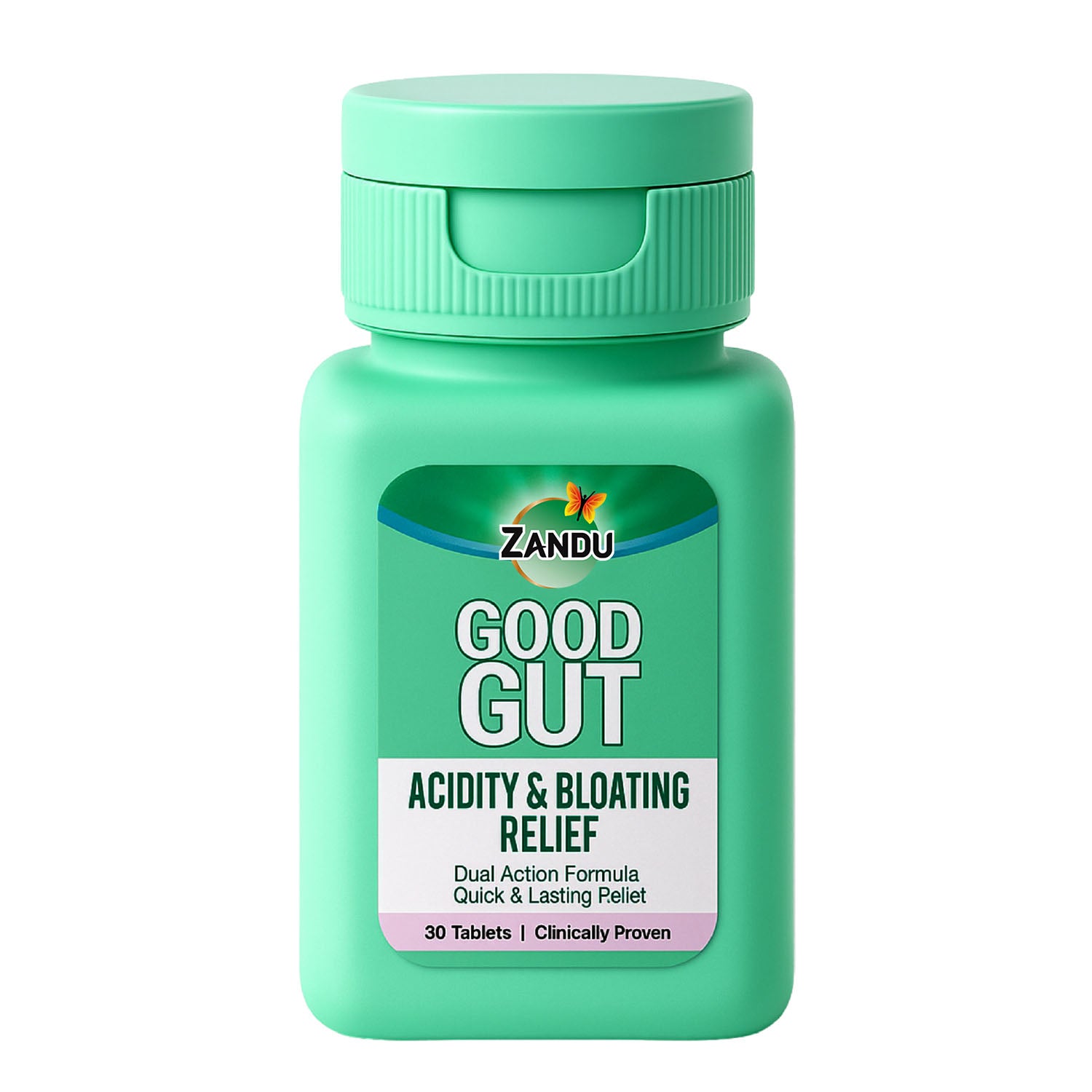
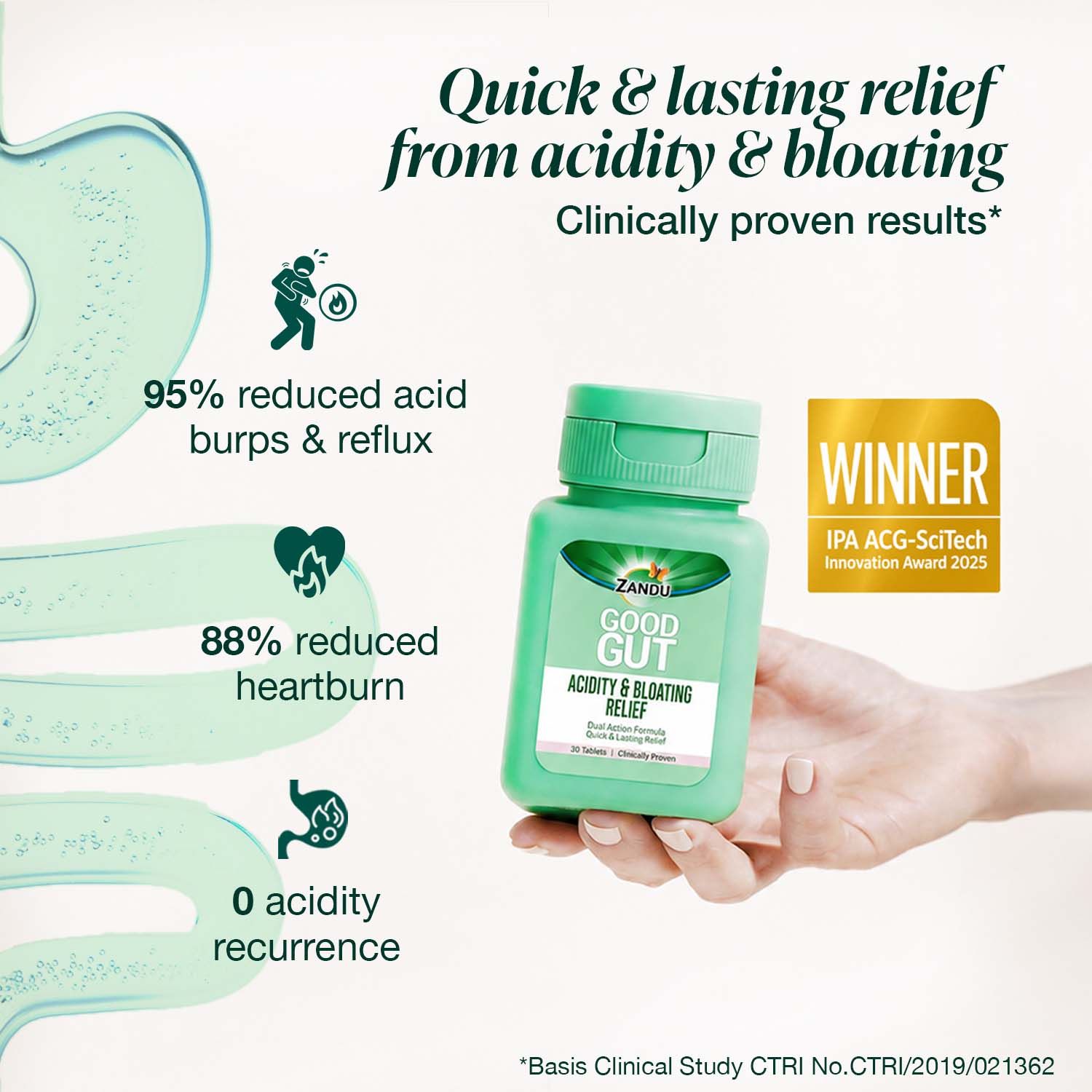
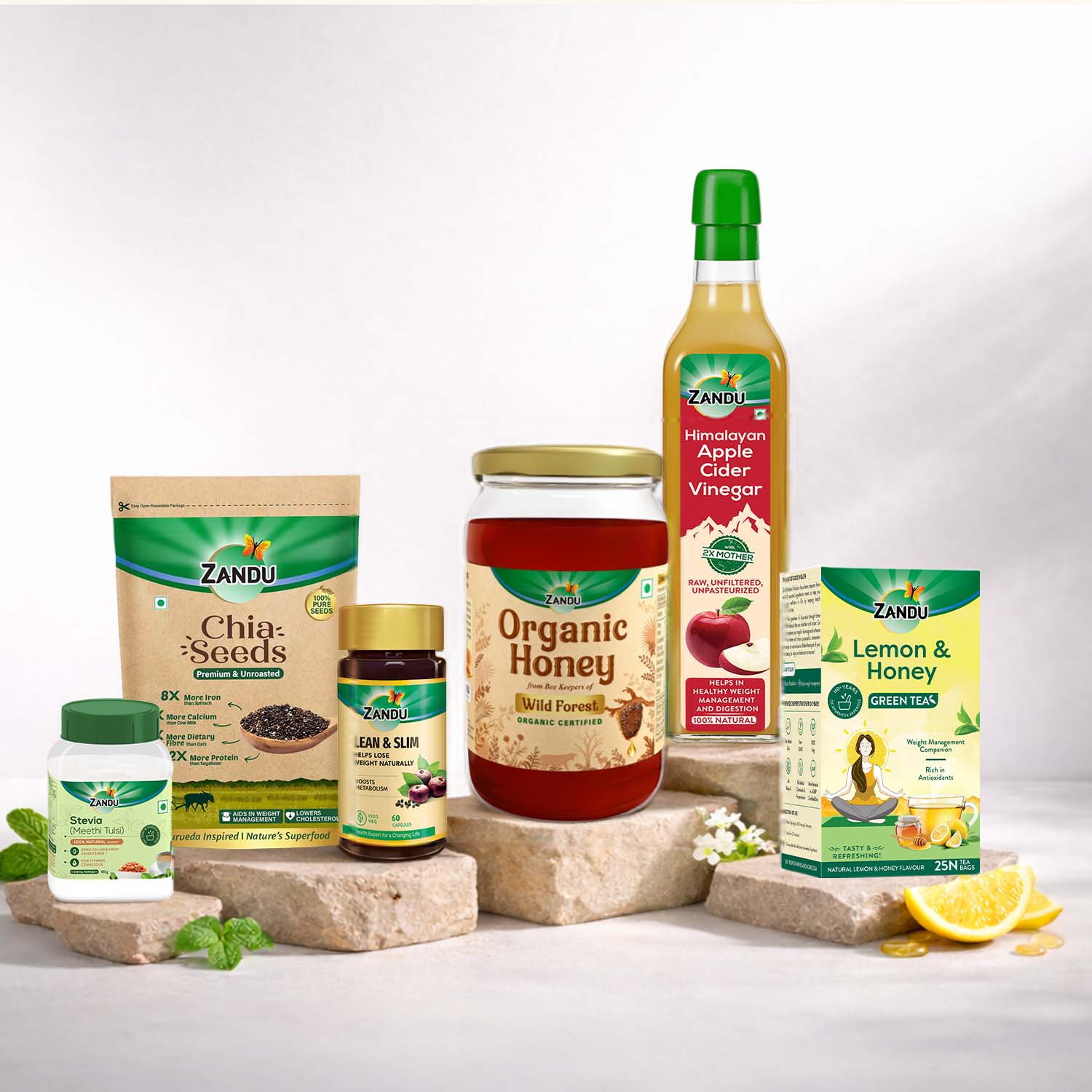
Restore digestive balance using gut supplements that complement your daily routine for better digestion and overall wellness.
Practical Work-Friendly Tips to Reduce Bloating
This section is for people who travel, work long hours, or eat outside. Small changes here can help you stick to how to reduce bloating without turning your life upside down.
- Choose plain dal-rice, khichdi, idli, or simple roti-sabzi when eating out
- Avoid very spicy gravies and deep-fried sides during active bloating
- Carry saunf in a small box if it helps you after meals
- If you must drink tea, avoid it on an empty stomach
- Walk a little after lunch, even if it is just around your office/home
If late dinners are common in your routine, adjusting your bedtime routine may help reduce that heavy feeling the next morning.
Why Bloating Happens After Meals
Bloating often happens when digestion feels slow, meals are heavy, or you eat in a rushed way. It can also worsen with stress, late dinners, and too much fried or packaged food.
If you regularly wake up feeling heavy or tight in the stomach, it could be related to common morning bloating causes, especially when dinner timing or portion size is inconsistent.
Many people notice that small changes in routine, along with a lighter menu, can help reduce bloating over time and gradually improve gut health.
Common Reasons People Feel Bloated
- Eating too fast and swallowing air
- Overeating, especially at night
- Long gaps between meals, then a heavy meal
- Too much oily, spicy, or processed food
- Too much tea or coffee on an empty stomach
- Low movement after meals
- Stress and poor sleep
If bloating appears along with frequent discomfort, irregular bowel habits, or constant heaviness, these may also be early signs of an unhealthy gut.
Meal Timing Rules That Reduce Bloating
Meal timing matters as much as the menu. When you eat at steady times and give your stomach space to digest, bloating and gas can feel less frequent.
If your focus is on avoiding bloating, start with timing and eating style first.
Avoid Very Late Dinner: Late meals often sit heavily and can increase a bloated stomach feeling in the morning. Leaving a clear gap before sleep may help reduce upper abdominal bloating in some people.
Simple Timing Habits to Follow
- Keep Meal Timings Steady: Try to eat meals around similar times daily.
- Make Lunch Your Main Meal: Many people feel better when lunch is the heaviest meal and dinner is lighter.
- Avoid Very Late Dinner: Late meals often sit heavily and can increase a bloated stomach feeling in the morning.
- Leave A Clear Gap Before Sleep: Eating and sleeping immediately can worsen upper abdominal bloating for some people.
- Avoid Constant Snacking: Frequent small snacks can keep digestion “busy” all day.
Eating Style That Supports Digestion
- Eat seated, not while walking or standing
- Chew slowly and properly
- Avoid talking too much while chewing (it increases air swallowing)
- Keep water sips small during meals if large amounts make you feel heavy
- Take a short, gentle walk after meals if possible
Foods That Often Trigger Bloating and Gas
Not everyone reacts to the same foods. But some food groups commonly feel heavy and can lead to bloating and gas, especially when digestion is already sensitive.
Use this as an avoidance list you can test calmly, without fear.
Foods Many People Prefer to Limit During Bloating
- Deep-Fried Foods: pakoda, samosa, puri, chips
- Very Oily Gravies: excess oil, buttery masalas, heavy cream-style gravies
- Packaged And Ultra-Processed Foods: biscuits, namkeen, instant noodles, carbonated drinks
- Very Spicy Or Very Sour Meals: It can worsen upper abdominal bloating for some people
- Large Raw Salads At Night: raw onion, raw cabbage, raw sprouts may feel gassy for some
- Too Much Dairy At The Wrong Time: heavy milk sweets or curd late at night may not suit everyone
- Sugar-Heavy Desserts After Heavy Meals: can feel “too much” for digestion
Common Food Combinations Some People Find Heavy
- Fruit immediately after a full meal
- Curd with very spicy food (can feel uncomfortable for some)
- Tea/coffee on an empty stomach, followed by late breakfast
You do not need to remove everything at once. Pick a few likely triggers first and observe.
Foods That Usually Feel Light on the Stomach
When your stomach feels bloated, many people prefer warm, freshly cooked, simple meals. The aim is to reduce the load on digestion without feeling hungry all day.
This also makes it easier to follow a diet plan for bloating and gas without feeling restricted.
Gentle Vegetarian Foods Many People Choose
- Moong dal, masoor dal (simple, not too oily)
- Soft khichdi with light ghee (optional)
- Daliya (broken wheat) porridge or upma-style
- Idli with mild sambar (less chilli)
- Plain dosa with light potato or vegetable filling
- Rice with thin dal, lightly cooked sabzi
- Lauki, tinda, pumpkin, ridge gourd, spinach (well-cooked)
- Jeera rice in a lighter style
- Thin soups (vegetable soup, moong dal soup)
Spices That Are Often Used in Indian Homes
These are common kitchen choices that many people use in food when they want comfort:
- Jeera
- Ajwain
- Saunf
- Hing (in a small amount)
- Ginger (if it suits you)
If you feel burning or heat easily, keep spices mild and avoid overdoing ginger or chillies.
Home Remedies for Bloating Along With Diet
Home remedies can feel supportive when used gently and consistently. They are not a replacement for medical care, especially if symptoms are severe or ongoing.
If symptoms keep returning despite food adjustments, some people explore traditional or Ayurvedic herbal solutions for bloating alongside dietary changes.
Use one or two options at a time. Doing too many remedies together can irritate the digestive system.
If bloating is combined with ongoing discomfort, frequent irritation, or symptoms that resemble leaky gut symptoms, it is important to seek proper evaluation instead of self-managing for long periods.
Simple Home Remedies People Commonly Try
- Jeera Water: as a warm sip during the day
- Ajwain: lightly roasted and chewed after meals (if it suits you)
- Saunf: after meals for a fresh, light feeling
- Hing In Food: a pinch in dal or sabzi (if you tolerate it)
- Warm Water + Gentle Walk: after meals to support movement
Use one or two options at a time. Doing too many remedies together can irritate digestion.
How to Adjust This Diet for Upper Abdominal Bloating
Upper abdominal bloating can feel like fullness near the upper belly, with burps or discomfort after meals. Some people notice it more after spicy food, late meals, or tea/coffee habits.
This adjustment keeps meals mild and reduces common triggers.
- Keep meals mildly spiced and less oily
- Reduce very sour and very spicy foods for some time
- Avoid overeating, especially at dinner
- Prefer warm, soft meals like soups, dal, khichdi
- Notice if tea/coffee on an empty stomach worsens the feeling
If you have strong burning, vomiting, black stools, blood in stools, or severe pain, please seek medical advice promptly.
When You Should Seek Medical Advice
If bloating keeps returning even after diet changes, some people prefer personalised Ayurvedic guidance. A ZanduCare consultation can help you understand what foods and timings suit your digestion pattern, and what to avoid based on your symptoms.
Some people also consider a structured approach like a gentle gut cleanse alongside food timing and a lighter menu. If you are already taking medicines, have long-standing digestive issues, or have frequent upper abdominal bloating, it is sensible to discuss suitability through a consultation instead of trying random products on your own.
Conclusion
A simple vegetarian diet plan, steady meal timing, and the right avoidance list can make bloating feel more manageable. Keep meals warm, lightly spiced, and easy to digest, and give your stomach enough space between meals. If you want to improve how to avoid bloating long-term, focus on slow eating, an early dinner, and gentle movement after meals.
And if your symptoms keep repeating or you want personalised guidance, a ZanduCare consultation can help you choose the right approach, including whether Cleanse & Detox Shots suit your routine.
References

Written by

Zanducare
India’s trusted name in Ayurvedic wellness, offering time-tested solutions for today’s health and lifestyle needs. With formulations rooted in classical Ayurvedic texts and crafted using pure natural ingredients, we bring holistic care into your everyday routine.
Research by


Leave a comment
This site is protected by hCaptcha and the hCaptcha Privacy Policy and Terms of Service apply.