





14 Home Remedies for Bloating: Natural Ways to Relieve Gas & Support Digestion Safely
Home remedies for bloating work best when they support digestion gently. They are not meant to push the stomach or give forceful relief. Many people try multiple remedies together or use them daily, which often worsens bloating instead of reducing it.
The right approach is to understand why a remedy may help, who it suits, and how often it should be used. If bloating keeps returning, it may help first to understand common morning bloating causes or whether your symptoms follow a night pattern linked to your bedtime bloating routine.
Below are commonly used home remedies explained in detail, with safe-use guidance.
Gentle Physical Activity
Light physical movement is one of the most effective ways to support digestion during bloating.
How Gentle Movement Relieves Bloating
The digestive system relies on muscle movement to push food and gas forward. Sitting or lying down for long periods slows this movement. Gentle activity encourages the intestines to move, which can help trapped gas shift naturally.
If your discomfort feels more concentrated above the navel, you may also explore ways to reduce upper abdominal bloating alongside light movement.
Safe Usage Guidelines
- Movement should be slow and relaxed
- Avoid intense exercise immediately after eating
- Upright posture during movement is helpful
This approach supports digestion rather than stressing it.
Abdominal Massage
Abdominal massage is a traditional method used to ease digestive discomfort.
How Does It Help With Bloating
The intestines follow a specific path in the abdomen. Gentle massage along this path may help encourage the movement of gas and reduce pressure caused by trapped air.
Massage also helps relax abdominal muscles, which can reduce the sensation of tightness.
Safe Use Guidance
- Pressure should always be light
- Movements should be slow and circular
- Massage should be stopped if discomfort or pain increases
This method should feel calming, not painful.
Applying Heat to the Abdomen
Applying warmth to the stomach area is commonly used for digestive discomfort.
How Does It Help With Bloating
Heat relaxes muscles, including those in the digestive tract. Relaxed muscles allow gas to move more freely, which may reduce the feeling of fullness or pressure.
Warmth can also have a calming effect on the nervous system, which indirectly supports digestion.
Safe Use Guidance
- Heat should be warm, not hot
- Skin should be protected from direct heat
- Use for short periods only
Heat is meant to comfort, not stimulate aggressively.
Peppermint
Peppermint is often discussed in relation to digestive comfort and is sometimes included among gentle herbal solutions for bloating.
How Does It Help With Bloating
Peppermint contains natural compounds that may help relax the muscles of the digestive tract. When the muscles relax, gas may pass more easily, reducing bloating.
This relaxation effect is why peppermint is often linked with relief from abdominal tightness.
Safe Use Guidance
- Use in mild forms
- Avoid if peppermint worsens heartburn
- Observe individual tolerance carefully
Peppermint does not suit everyone, especially those sensitive to acidity.
Chamomile
Chamomile is known for its calming properties.
How Does It Help With Bloating
Chamomile may help relax both the digestive tract and the nervous system. Stress and digestion are closely linked, and relaxation can support smoother digestion.
When digestion is calmer, bloating may reduce gradually.
Safe Use Guidance
- Use mild preparations
- Avoid if there is known sensitivity
- Stop if discomfort increases
Chamomile works gently and is not meant for strong or instant effects.
Ginger
Ginger is often used for digestive discomfort, but it should be used carefully.
How Does It Help With Bloating
Ginger has a warming nature and may help stimulate digestive movement. When digestion is slow or sluggish, gentle stimulation may help reduce the buildup that leads to bloating.
It may also help when bloating is accompanied by nausea.
Safe Use Guidance
- Use in very small amounts
- Avoid frequent use
- Avoid if acidity or a burning sensation is present
Ginger is strong and does not suit sensitive stomachs.
Fennel (Saunf)
Fennel seeds are commonly used after meals in many cultures.
How Does It Help With Bloating
Fennel is considered mild and soothing. It may help relax the digestive tract and support the release of gas. Many people feel it settles the stomach after eating.
Safe Use Guidance
- Chew slowly
- Avoid excess use
- Stop if discomfort occurs
Because fennel feels gentle, people may overuse it. Moderation is important.
Drinking Warm or Room-Temperature Water
Fluid temperature plays a role in digestion.
How Does It Help With Bloating
Warm or room-temperature water may support digestion by allowing food to move more smoothly through the stomach and intestines. Proper hydration also supports regular bowel movements and may reduce concerns about hard stool.
If constipation is contributing to bloating, structured natural constipation care may also be helpful.
Safe Use Guidance
- Sip slowly
- Avoid large amounts with meals
- Prefer warmth over cold
Water supports digestion best when taken mindfully.
Avoiding Fizzy and Aerated Drinks
Carbonated drinks introduce gas directly into the digestive system.
How Does This Affect Bloating
Fizzy drinks contain air that gets released into the stomach and intestines. This adds to existing gas and increases bloating.
Reducing these drinks can significantly lower gas buildup and support efforts to improve gut health naturally.
Safer Approach
- Choose still water
- Avoid carbonated beverages when bloated
- Observe how the stomach reacts
Reducing these drinks can significantly lower gas buildup.
Reducing Salt Intake
Salt affects fluid balance in the body.
How It Affects Bloating
High salt intake can cause the body to retain water. This retention may lead to swelling in the abdomen, which adds to the feeling of bloating.
Mindful eating is a key part of building a healthy gut routine that supports long-term comfort.
Safer Approach
- Use salt in moderation
- Avoid very salty meals
- Balance meals with fresh foods
Reducing salt may reduce bloating related to fluid retention.
Eating Slowly and Mindfully
Eating habits strongly influence bloating.
How Does It Help Bloating
Eating quickly causes swallowing of air, which increases gas. Poor chewing also makes digestion harder, leading to bloating later.
Mindful eating supports proper digestion from the very beginning.
Safe Use Guidance
- Eat without hurry
- Chew food well
- Avoid distractions while eating
This habit supports digestion long-term.
Identifying and Reducing Trigger Foods
Certain foods may increase bloating in some people.
How Does This Help Bloating
Some foods are harder to digest and produce more gas during breakdown. Following a balanced diet plan for bloating may help reduce symptoms without extreme restriction.
Triggers differ from person to person.
Safe approach
- Observe which foods worsen bloating
- Avoid sudden large dietary changes
- Reintroduce foods slowly if avoided
Awareness is more helpful than strict restriction.
Supporting Gut Balance with Fermented Foods
Fermented foods are sometimes used to support digestion.
How They May Help With Bloating
A balanced gut environment may help digestion function more smoothly, reducing gas buildup in some people. Including moderate amounts of probiotic-rich foods may support gut balance when tolerated.
In some cases, a guided gut cleanse approach may be considered under professional advice.
Safe Use Guidance
- Use in small amounts
- Avoid overconsumption
- Stop if bloating worsens
Gut response varies widely between individuals.
Breathing and Relaxation Techniques
The digestive system is sensitive to stress.
How Does This Help Bloating
Stress affects gut movement and sensitivity. Calm breathing and relaxation may help digestion work more smoothly, reducing bloating sensations.
Safe Use Guidance
- Practise slow breathing
- Avoid tension during meals
- Create a calm eating environment
Relaxation supports digestion indirectly but meaningfully.
Important Reminder About Home Remedies for Bloating
Home remedies for bloating are meant to support, not replace, healthy digestion. They work best when:
- Used gently
- Used one at a time
- Combined with good eating habits
If bloating becomes frequent, painful, or persistent, professional medical guidance is important.
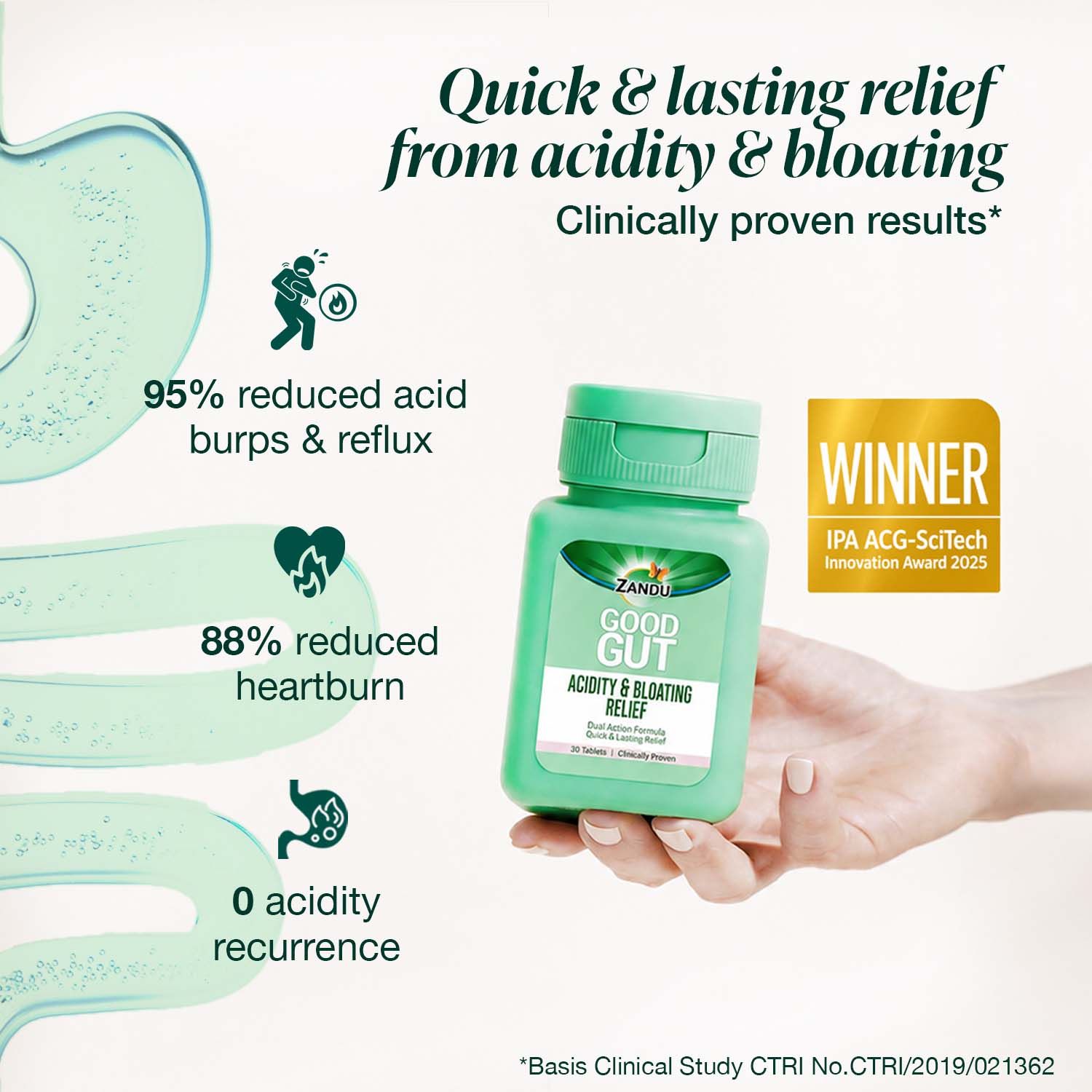
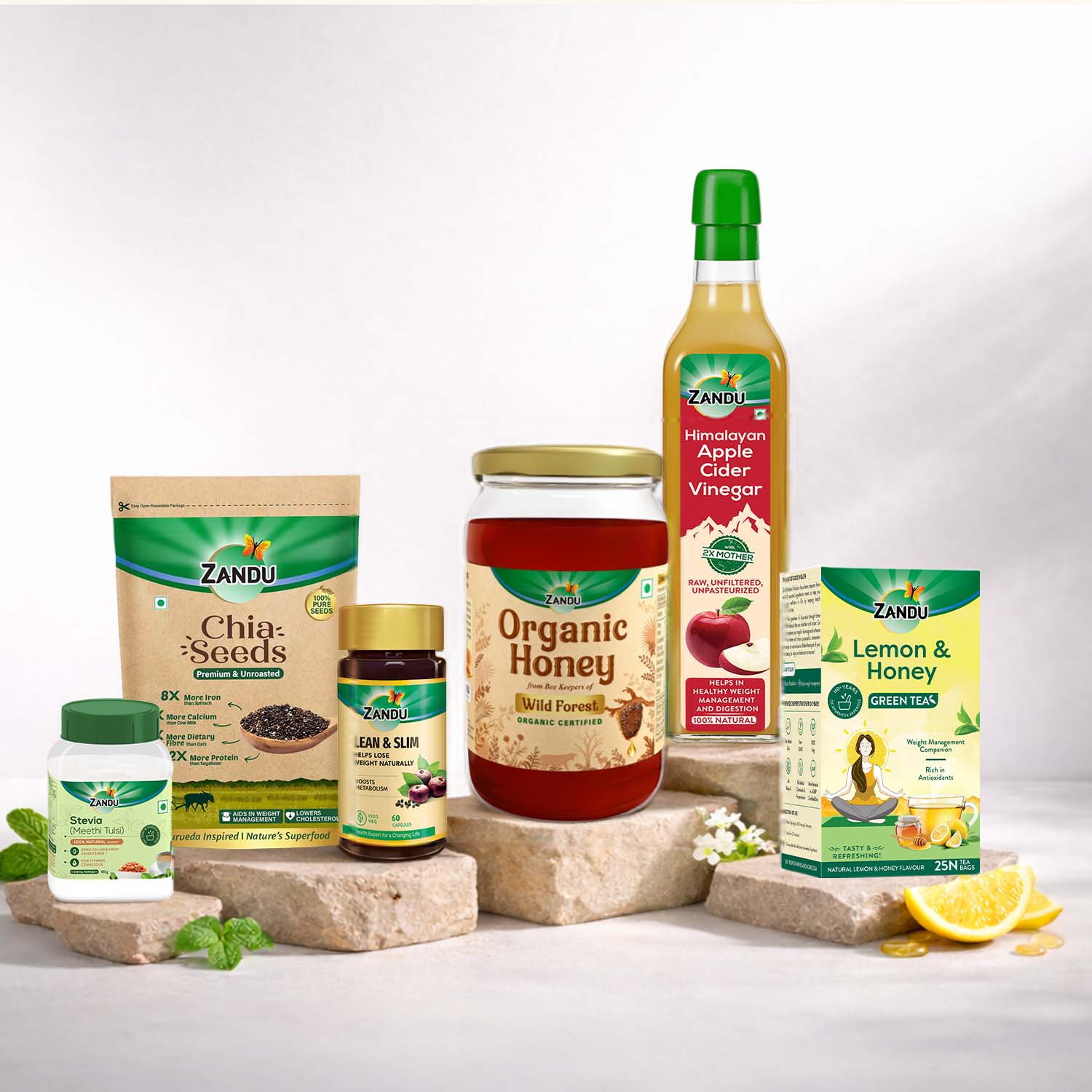
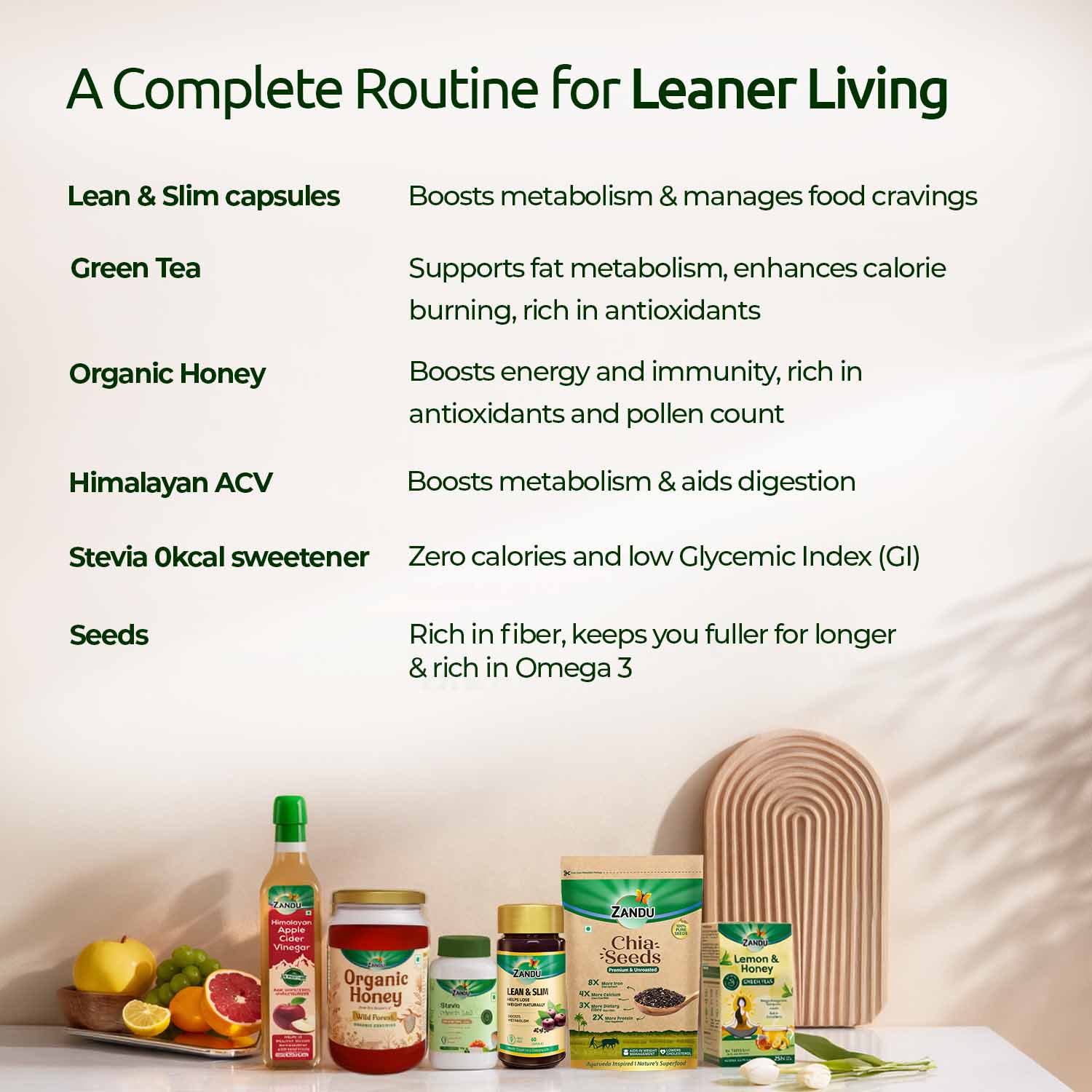
Try zandu range of gut health to aid regular bowel movements, reduce discomfort, and support a healthy digestive system.
When to Consult an Ayurvedic Clinician
Home remedies can help when bloating is occasional and mild. But if bloating keeps returning, it usually means your digestion pattern needs a clearer plan, not more remedies.
Consult an Ayurvedic clinician if:
- Bloating happens most days or keeps coming back every week
- You feel heavy, tight, or uncomfortable even after small meals
- Bloating comes with constipation, loose stools, or irregular bowel habits
- You notice appetite changes, fatigue, or unexplained weight changes
- Home remedies help only for a short time, or stop working
- Bloating feels new, sudden, or unusual for your body
Getting help early can prevent the cycle of trying multiple remedies and making the gut more sensitive over time. If you want personalised Ayurvedic guidance, ZanduCare offers free, 100% private consultations with expert Zandu Ayurvedic doctors. They can help you identify likely triggers, correct habits, and build a routine that suits your body type, diet, and day.
If your clinician feels a structured gut reset is needed alongside these changes, they may suggest supportive options like Zandu Good Gut Cleanse & Detox Shots, a clinically proven prebiotic + postbiotic formula made with the fermented Arishta process, designed as a 45-day gut reset to cleanse and restore gut balance gradually.
Conclusion
Bloating is a common digestive discomfort and is usually linked to how the digestive system is working rather than a serious problem. Many people look for home remedies for bloating, but it is important to understand what actually helps and what does not. Gentle movement, mindful eating, warm fluids, and careful use of mild remedies may support digestion and reduce discomfort over time.
Myths like skipping meals or using too many remedies often make bloating worse. The safest approach is to listen to the body, maintain simple daily habits, and seek medical advice when bloating becomes frequent or troubling.
References
1. Abdominal Bloating: Pathophysiology and Treatment https://pmc.ncbi.nlm.nih.gov/
2. Management of Chronic Abdominal Distension and Bloating https://pubmed.ncbi.nlm.nih.gov/32246999/

Written by

Zanducare
India’s trusted name in Ayurvedic wellness, offering time-tested solutions for today’s health and lifestyle needs. With formulations rooted in classical Ayurvedic texts and crafted using pure natural ingredients, we bring holistic care into your everyday routine.
Research by




Leave a comment
This site is protected by hCaptcha and the hCaptcha Privacy Policy and Terms of Service apply.