





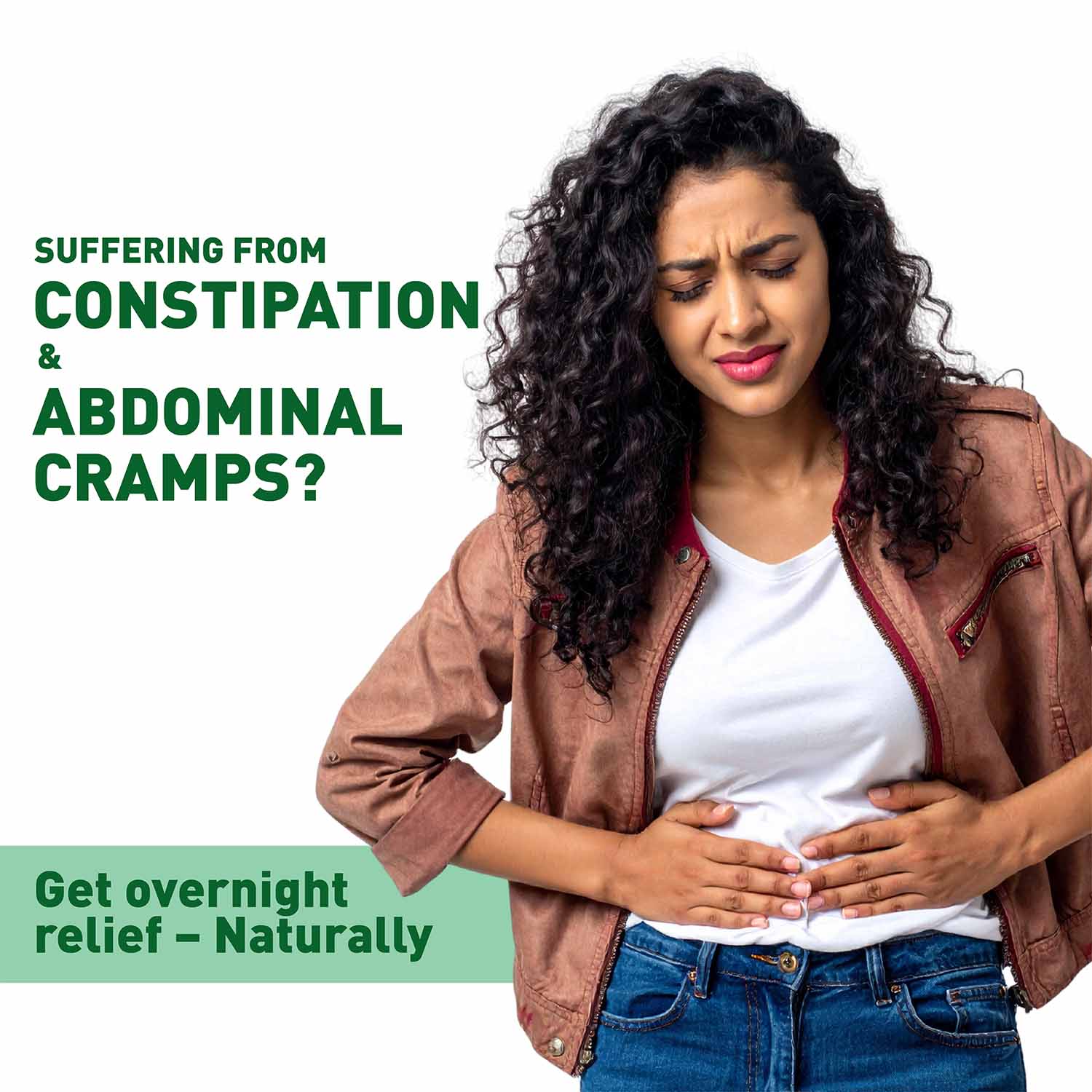



Stomach Bloating: Meaning, Symptoms, Causes, Treatment and How to Get Relief Naturally
Stomach bloating is often confused with body fat, but the two are different. Fat changes slowly over time, while bloating can appear quickly and make your belly feel tight, heavy, or stretched.
Many people ask, “Why is my stomach bloated?” especially when clothes feel tighter in the evening. Bloating is usually linked to digestion, gas, or bowel movement patterns. In many cases, it connects with common causes of gas that build up during the day.
This guide explains the bloated stomach meaning, common symptoms, reasons for stomach bloating, and treatment options using Ayurveda ideas and basic medical understanding.
Bloated Stomach Meaning
A bloated stomach usually means your belly feels fuller or tighter than usual, and it may look swollen. It is more about pressure and change in shape than “weight gain”.
Bloating Vs Fat: the Easy Difference
Fat tends to increase slowly and stays fairly steady through the day. Bloating can rise after meals, worsen by evening, and reduce after passing gas or stool.
People often describe bloating as:
- Tightness around the waistline
- A stretched feeling after food
- A belly that looks more “puffed” than normal
- Relief after burping, passing gas, or using the toilet
If your belly size changes a lot within the same day, it may fit bloating more than fat.
Bloated Stomach Symptoms
Bloating symptoms can feel different in different people. The key is to notice your usual pattern and what makes it worse or better.
Common bloated stomach symptoms include:
- A tight, heavy, or full feeling in the belly
- Belly swelling that feels more noticeable after meals
- Bloating and gas, including burping or passing gas
- Mild cramps or discomfort that come and go
- Gurgling sounds in the belly
- Feeling “stuffed” even after a normal meal
- A sense that food is sitting in the stomach for long
If symptoms are frequent and keep returning, some people start using the term chronic bloating for that repeating pattern.
Reasons for Stomach Bloating
There are many reasons for stomach bloating, and more than one reason can happen at the same time. That is why bloating can feel confusing and change from week to week.
A Simple Map of Common Causes
This table helps you match a likely cause with common clues and a sensible next step. It does not diagnose anything, but it can guide your thinking.
|
Possible cause |
What it can feel like |
What people often notice |
|
Eating fast or swallowing air |
Belly pressure, burping |
Happens after rushed meals or talking while eating |
|
Heavy, oily, or spicy meals |
Heaviness, upper belly fullness |
Worse after late dinners or rich food |
|
Constipation or incomplete stool |
Lower belly swelling, trapped gas |
Relief after bowel movement |
|
Food intolerance in some people |
Bloating after certain foods |
Repeats with the same foods or drinks |
|
Indigestion or acidity pattern |
Upper abdominal bloating, burning, nausea |
Worse after tea/coffee, spicy food, or late meals |
|
Stress and poor sleep |
Tight belly, irregular digestion |
Worse on tense days, improves on relaxed days |
|
Gut sensitivity |
Gas pain with normal foods |
Gas feels painful even without large meals |
Eating Habits That Can Trigger Bloating
Small eating habits can make a big difference to digestion. Many people don’t realise how much “how you eat” matters.
Habit-related triggers may include:
- Eating too fast and swallowing air
- Eating very large portions in one sitting
- Skipping meals and then overeating
- Late-night heavy meals
- Fizzy drinks that add pressure
- Lying down soon after eating
If bloating improves when you eat slowly and keep meals lighter, it may help to follow a structured diet plan for bloating instead of randomly removing foods.
Constipation and Slow Bowel Movement
Constipation is one of the most common hidden reasons behind bloating. It does not always mean “no stool”; it can also mean the bowel does not empty comfortably.
Clues that constipation may be involved:
- Hard stool or straining
- Feeling not fully empty after using the toilet
- Belly swelling that builds throughout the day
- Bloating and gas that improve after stool passes
When stool sits longer in the gut, gas can get trapped and create that tight, swollen feeling. In such cases, focusing on natural constipation care can support long-term relief rather than only treating gas.
Bloating and Gas: Why They Often Come Together
Many people feel bloated mainly because gas feels trapped. Sometimes gas increases, and sometimes the gut becomes more sensitive to normal gas.
Common reasons bloating and gas may happen together:
- Swallowing air while eating fast or talking during meals
- Certain foods ferment in the gut
- Constipation trapping gas
- Stress affects gut movement and sensitivity
If passing gas or burping gives clear relief, you may focus on habits that help reduce discomfort from gas safely and gently.
Upper Abdominal Bloating: What It Often Feels Like
Upper abdominal bloating usually feels like heaviness above the navel, often soon after eating. People may describe it as “food sitting in the stomach” or frequent burping.
This pattern may be linked with:
- Indigestion after heavy meals
- Acid irritation in some people
- Eating too fast or eating very late
- Poor sleep or stress affecting digestion
- Slower stomach emptying in some situations
If this type of tightness is frequent, learning how to reduce upper abdominal bloating through meal timing and food choices can be helpful.
Food Triggers and Intolerance
Food triggers are personal. A food that suits one person may trouble another, even within the same family.
Foods that may trigger bloating in some people include:
- Pulses like chana, rajma, chole, and sprouts
- Cabbage, cauliflower, and onions are for some people
- Milk and milk products are for some people
- Wheat-based foods for some people
- Fried snacks, rich gravies, and very sweet foods
Instead of cutting many foods suddenly, some people prefer starting with simple home remedies for bloating while observing patterns.
Chronic Bloating: When It Keeps Returning
Chronic bloating is a term people use when bloating keeps returning or feels persistent, and starts affecting daily comfort. It does not automatically mean something serious, but it can be a sign that the gut needs a clearer plan.
Signs that may fit a chronic pattern:
- Bloating returns often, even with normal meals
- Triggers feel unclear or mixed
- Relief is only partial and short-lived
- Bloating affects appetite, sleep, or daily routine
If symptoms are stronger in the early hours, looking into morning bloating causes may give helpful clues. If they worsen at night, adjusting your bedtime bloating routine can make a difference.
When to See an Ayurvedic Clinician
Most bloating is linked to digestion patterns, but some signs are not worth ignoring. These signs do not confirm a cause, but they suggest you should seek care without delay.
Get medical help if bloating comes with:
- Severe or worsening belly pain
- Repeated vomiting or inability to keep fluids down
- Blood in stool, black stool, or bleeding
- Fever with stomach symptoms
- Yellowing of eyes or skin
- A hard belly swelling that does not settle
- Fainting, extreme weakness, or breathlessness
- Unexplained weight loss or ongoing loss of appetite
- New, persistent changes in bowel habits
If your symptoms are repeating or feel unusual, it’s better to get them checked early. ZanduCare’s Ayurvedic doctors can guide you with a plan that suits your digestion, diet, and routine, through a free, 100% private consultation. Book Free Consultation.
If it’s not an emergency but you want a structured reset alongside lifestyle changes, you can also explore Zandu Good Gut Cleanse & Detox Shots. It’s a 45-day gut reset made with a clinically proven prebiotic + postbiotic formula, prepared using the fermented Arishta process, and designed to cleanse and restore gut balance over time (supporting relief from issues like acidity, bloating, constipation, and gas pain). Book a free consultation to know what suits you best.
How Clinicians Evaluate Common Causes of Bloating
Doctors often start by understanding your pattern, food habits, bowel movement, and stress and sleep routine. This helps decide whether bloating looks functional (habit and gut-movement related) or needs deeper evaluation.
In everyday practice, common patterns include:
- Bloating linked to constipation and irregular toilet routine
- Bloating after heavy dinners and rushed meals
- Gas and bloating that worsen during stress and poor sleep
- Upper belly heaviness linked with indigestion-type symptoms
These are not labels, but starting points for a sensible plan.
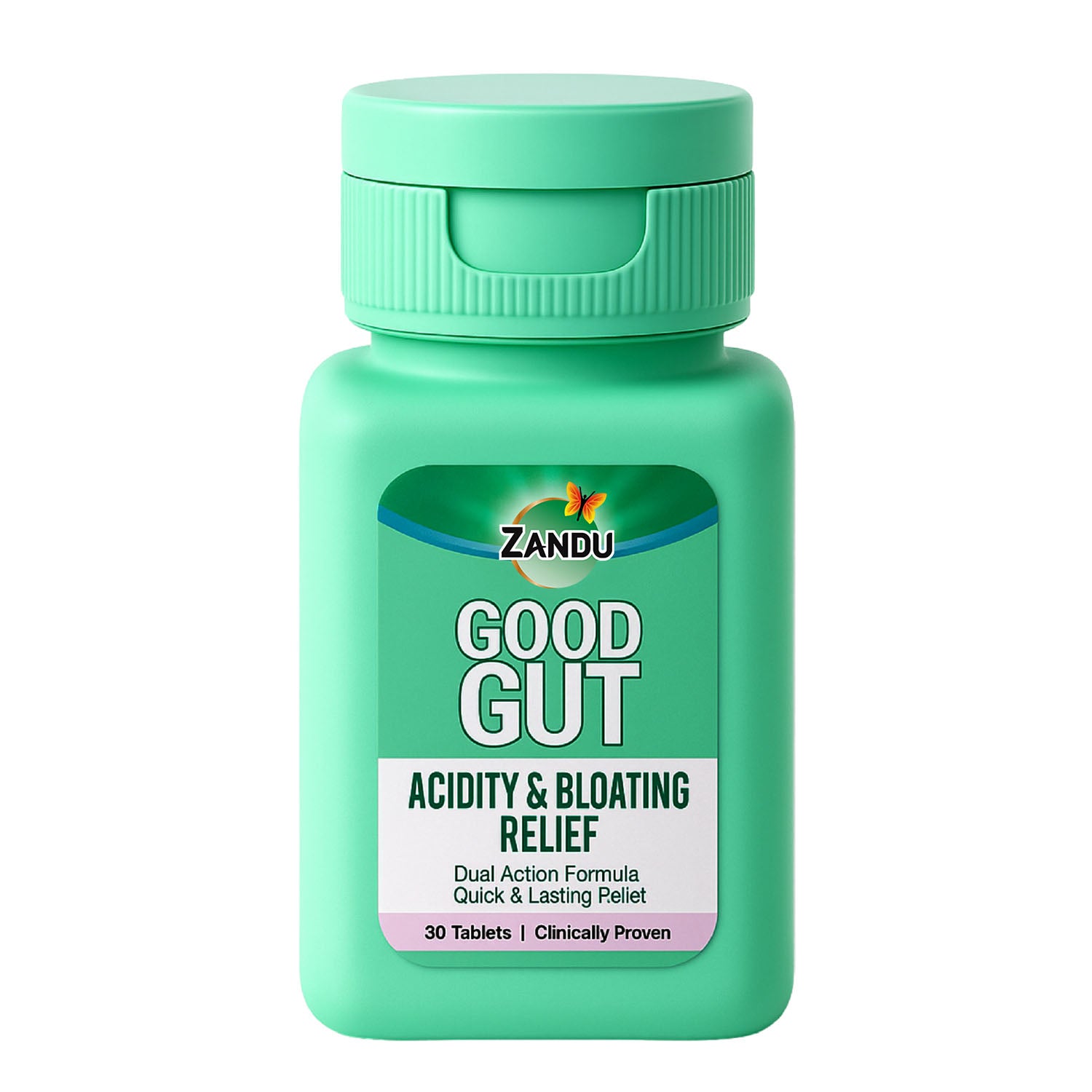
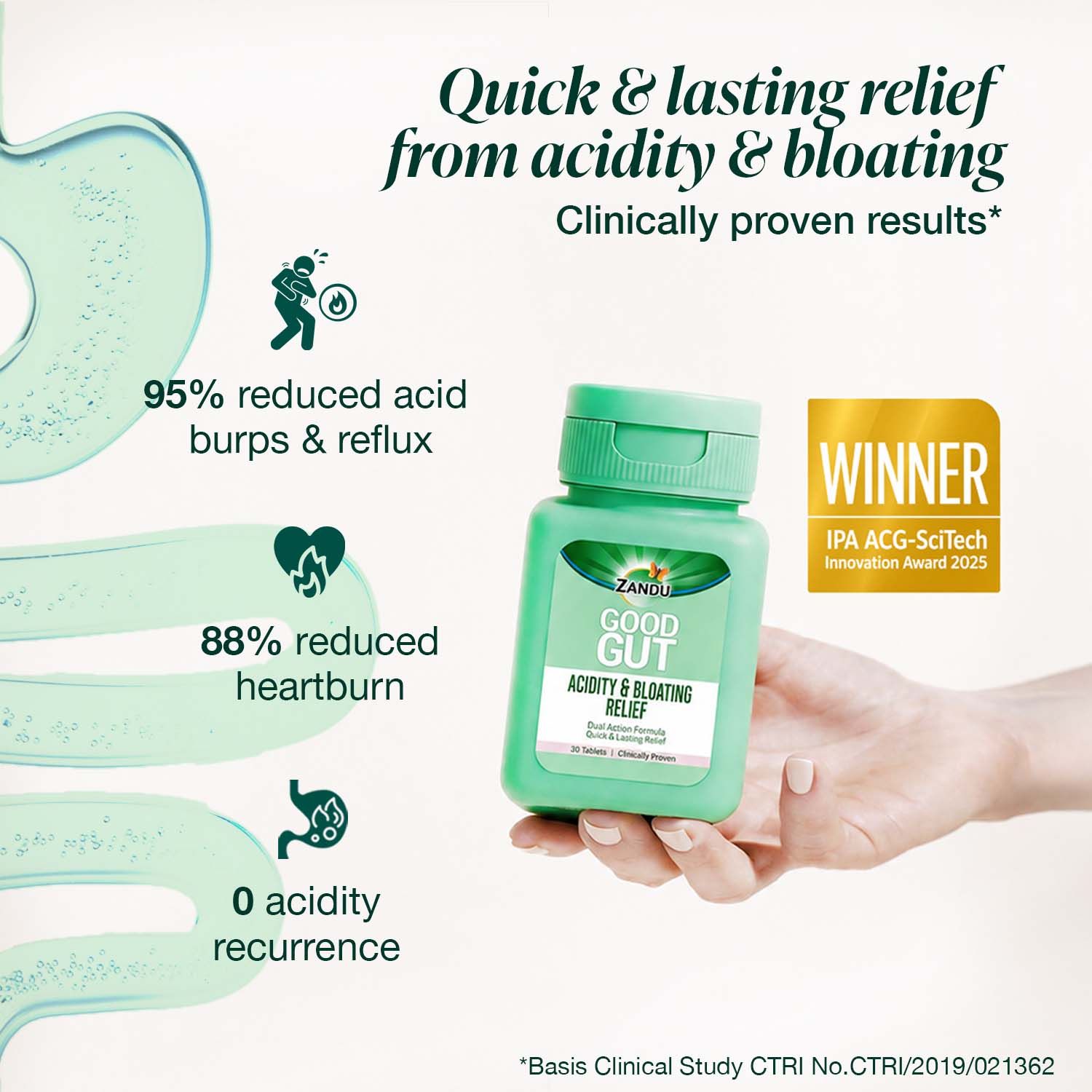
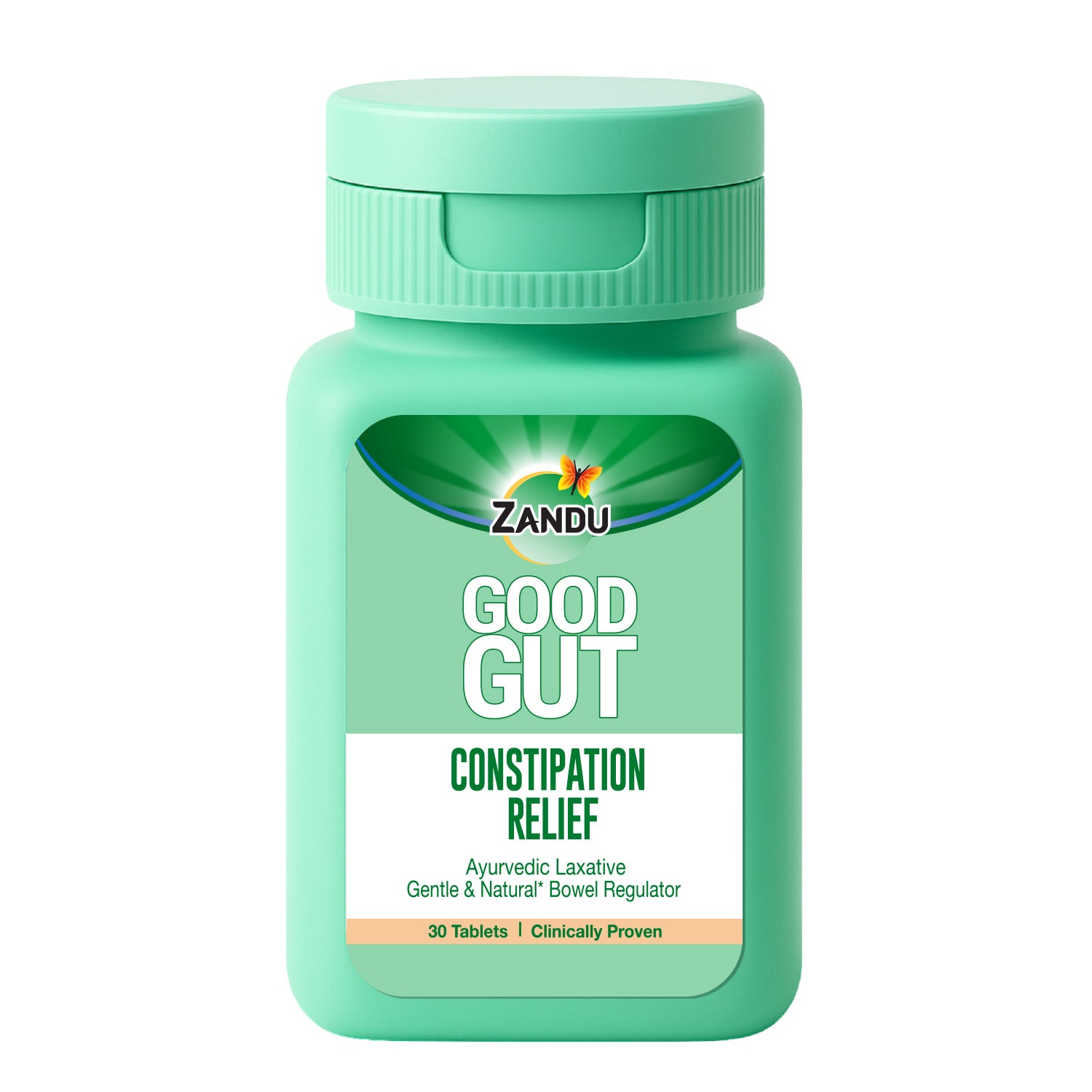
Try zandu range of gut health products designed to complement your daily diet and support overall digestive wellness.
Tests and Checks That May Be Suggested
Testing depends on your symptoms, age, examination, and whether red flags are present. Many people do not need extensive testing, but basic checks may be considered when symptoms are persistent.
A clinician may suggest:
- Blood tests to check for anaemia, infection, inflammation, or nutritional concerns
- Stool tests if infection or inflammation is suspected
- Ultrasound of the abdomen to look for organ-related concerns
- Endoscopy or bowel evaluation in selected cases, based on symptoms
- Tests for intolerance or bacterial imbalance in some situations
Not everyone needs all tests. Many people start with a simpler plan and targeted checks.
Treatment Options: What May Help in Daily Life
Treatment usually focuses on reducing triggers, improving gut movement, and supporting comfortable bowel habits. Relief can look different for different people, so it helps to start simple.
Common approaches people try:
- Eating slowly and chewing well
- Keeping meals lighter when bloating is active
- Avoiding late-night heavy meals if night heaviness is a pattern
- Gentle walking after meals
- Reducing fizzy drinks if pressure and burps are frequent
- Building a regular toilet routine and not ignoring the urge
If constipation is present, improving stool regularity can be an important part of symptom control.
How to Get Rid of Bloating
When you want to get rid of bloating, focus on steady habits rather than quick fixes. The aim is to reduce trapped gas and support smoother digestion.
Helpful daily steps may include:
- Smaller portions when your belly already feels tight
- Warm, simple foods when digestion feels sensitive
- Eating at regular times
- Gentle movement after meals
- Better sleep routine, as sleep changes digestion for many people
Some people also explore mild herbal solutions for bloating under guidance, especially when digestion feels weak or irregular.
How to Relieve Bloating Fast
If you are looking for how to relieve bloating fast, quick relief often focuses on helping gas move and easing belly tightness. Results can vary, and it’s sensible to avoid overdoing remedies.
Some quick steps people commonly try:
- A gentle walk for a short while
- Sitting upright and loosening tight clothing around the waist
- Warm water sips, if it suits you
- Slow breathing to relax the belly and reduce tension
- Avoiding extra food until the tightness settles
If fast relief is never enough and symptoms keep returning, it may point to constipation, food triggers, or a chronic pattern worth evaluating.
Ayurveda View of Bloating (Simple Explanation)
Ayurveda describes digestion using concepts like Agni (digestive strength) and Vata (movement and dryness). Many Ayurveda practitioners link bloating and gas with Vata disturbance, irregular routine, and digestion that feels weak or uneven.
From an Ayurveda lens, bloating may relate to:
- Irregular meal timing
- Rushed eating
- Cold drinks with meals for some people
- Late nights and stress
- Heavy foods when digestion feels slow
Ayurveda often supports a routine-based approach: warm foods, calm eating, and steady daily habits.
Ayurveda Support Options People Commonly Use
Many Indian families use simple kitchen-based supports for digestion. These may feel soothing for some people, but they may not suit everyone, especially with acidity patterns or other health issues.
Common Ayurveda-style supports people try include:
- Ajwain, jeera, or saunf are used in home routines
- Ginger in light preparations
- Hing is used in cooking, especially with pulses
- Warm, soft foods when the gut feels sensitive
If you are on regular medicines or symptoms are persistent, it’s sensible to take guidance from a qualified clinician or Ayurveda practitioner before using strong preparations regularly.
Common Habits That Keep Bloating Going
When bloating is frequent, people often try many things quickly. Some choices can create more confusion or delay proper care.
Things to be careful about:
- Removing too many foods suddenly and feeling weak
- Repeating random remedies without understanding the pattern
- Ignoring constipation and treating only “gas.”
- Eating too little for long periods to avoid symptoms
- Ignoring red flags because you assume it is always normal
A calm plan usually gives better clarity than constant switching.
Conclusion
Bloating is a feeling of tightness and swelling that can change throughout the day, unlike fat, which changes slowly. The bloated stomach meaning is usually linked to digestion, gas, and bowel movement patterns, but the exact reasons for stomach bloating can vary from person to person.
Simple steps like slower eating, lighter meals when needed, regular bowel habits, and gentle movement may help many people. If symptoms feel like chronic bloating, keep returning, or come with warning signs, professional evaluation can offer a clearer and safer path.
References
1. Pathophysiology, Evaluation, and Treatment of Bloating https://pmc.ncbi.nlm.nih.gov/
2. Intestinal gas production by the gut microbiota https://www.sciencedirect.com/

Written by

Zanducare
India’s trusted name in Ayurvedic wellness, offering time-tested solutions for today’s health and lifestyle needs. With formulations rooted in classical Ayurvedic texts and crafted using pure natural ingredients, we bring holistic care into your everyday routine.
Research by




Leave a comment
This site is protected by hCaptcha and the hCaptcha Privacy Policy and Terms of Service apply.