















Article: Brain Fog and Digestion: How Digestion Impacts Mental Clarity and Focus? Easy Fixes as per Ayurveda

Brain Fog and Digestion: How Digestion Impacts Mental Clarity and Focus? Easy Fixes as per Ayurveda
Your digestion affects your focus because your gut and brain are directly connected through nerves, hormones, and gut bacteria. When digestion is off, through bloating, constipation, gut inflammation, or an imbalance of gut bacteria, these signals change and can leave you with brain fog: slow thinking, poor focus, and forgetfulness.
The link is strong in people with gut issues. In a survey of about 1,400 people with coeliac disease or gluten sensitivity, 90% said they had brain fog, often starting within an hour of eating gluten. In a 2018 study of patients with gas and bloating, those with brain fog were far more likely to have bacterial overgrowth in the small intestine (68% vs 28%). After treatment, 85% said their brain fog was gone.
Here is how the gut and brain talk to each other, why gut issues cloud your thinking, and how to improve your gut health naturally.
What Is Brain Fog?
Brain fog is an everyday, non-medical term for a group of symptoms that make it hard to think clearly, stay focused, and remember things. Your mind feels cloudy, slow, or hazy, even after a full night’s sleep. It is not a disease on its own, but a sign that something else, such as poor sleep, stress, or gut issues, is affecting how your brain works.
Common Signs of Brain Fog
- Trouble focusing or finishing tasks
- Forgetting small things, like names or why you walked into a room
- Slow or muddled thinking
- Feeling groggy, spaced out, or mentally tired
- Finding it hard to find the right words
Is Brain Fog Linked to Gut Issues?
Yes, brain fog and gut issues are closely linked through the gut-brain axis, the two-way line of nerves, hormones, and gut bacteria that connects your digestive system to your brain. A 2024 study of 102 patients with digestive complaints found that more than half (54%) had brain fog, and it was more common in those with IBS or a slow-emptying stomach (gastroparesis). Many people also notice their focus gets worse after heavy meals, on bloated days, or when they are constipated.
A survey by Zandu Care researchers found that nearly 3 in 4 people with a poor gut health score felt tired or sleepy when they woke up in the morning. So if your mornings feel slow and foggy even after a full night’s sleep, your gut may be part of the reason.
How Do Your Gut and Brain Talk to Each Other?
Your gut and brain are in constant two-way contact. This link is called the gut-brain axis. Even thinking about food makes your stomach release digestive juices, and an upset stomach can send signals that change your mood and focus.
1. Your "Stomach Brain"
Your gut has its own nervous system, called the enteric nervous system. People often refer to it as the "second brain" or "stomach brain." It is made of more than 100 million nerve cells lining your digestive tract from the food pipe to the rectum. It controls swallowing, the release of digestive enzymes, and how food moves along. It does not think, but it talks to your brain all day.
2. The Vagus Nerve
The vagus nerve is the main line between your gut and brain. It runs from the brainstem down to your colon and carries messages both ways. Stress pushes this nerve into "fight mode," which can upset digestion. Slow breathing and calm help reset it.
3. Gut-Made Brain Chemicals
About 95% of your body's serotonin, a chemical that helps control mood and sleep, is made in the gut. Gut bacteria also help make dopamine and other messengers linked to motivation and focus. When digestion is disturbed, these signals can change too.
4, Your Gut Bacteria
Trillions of bacteria live in your gut. They break down fibre into short-chain fatty acids, which help protect the brain, calm inflammation, and keep the stress hormone cortisol in check. A varied mix of gut bacteria is linked to better mood and stress control. A poor mix, called dysbiosis, is linked to anxiety, low mood, and changes in thinking.
How Gut Issues Cause Brain Fog
There is no single cause. Several gut problems can cloud your thinking in different ways.
1. Gut Inflammation
Long-term gut inflammation is a common hidden cause of brain fog. When the gut lining is irritated, unwanted substances can slip into the blood and set off inflammation across the body, including the brain. This can leave you feeling slow, tired, and unfocused.
2. Too Many Bacteria in the Small Intestine (SIBO)
In SIBO, bacteria build up where they should not be. They ferment food too early, causing gas and bloating, and can make D-lactic acid, which affects the brain. In the 2018 study mentioned above, 77% of patients with brain fog had high D-lactic acid, compared with 25% of those without it.
3. Food Intolerances
If your body reacts to a food, such as gluten or lactose, it can trigger bloating, tiredness, irritability, and brain fog. In people with coeliac disease, brain fog often starts within an hour of eating gluten and can last 1 to 5 days.
4. IBS and Functional Gut Problems
Up to 30% to 40% of people have functional bowel problems, such as IBS, at some point. People with IBS have higher rates of anxiety and depression, and many also report poor focus and memory.
5. Poor Nutrient Absorption
Your brain needs nutrients like vitamin B12, iron, and omega-3 fats. If your gut does not digest and absorb food well, your brain may not get enough of them. Low B12 and low iron are both known causes of tiredness and poor focus.
6. Constipation and a Heavy Stomach

Many people feel dull and sluggish when they are constipated or after a heavy, oily meal. Blood flow and energy go to digestion, and the sluggish feeling can spill over into your thinking.
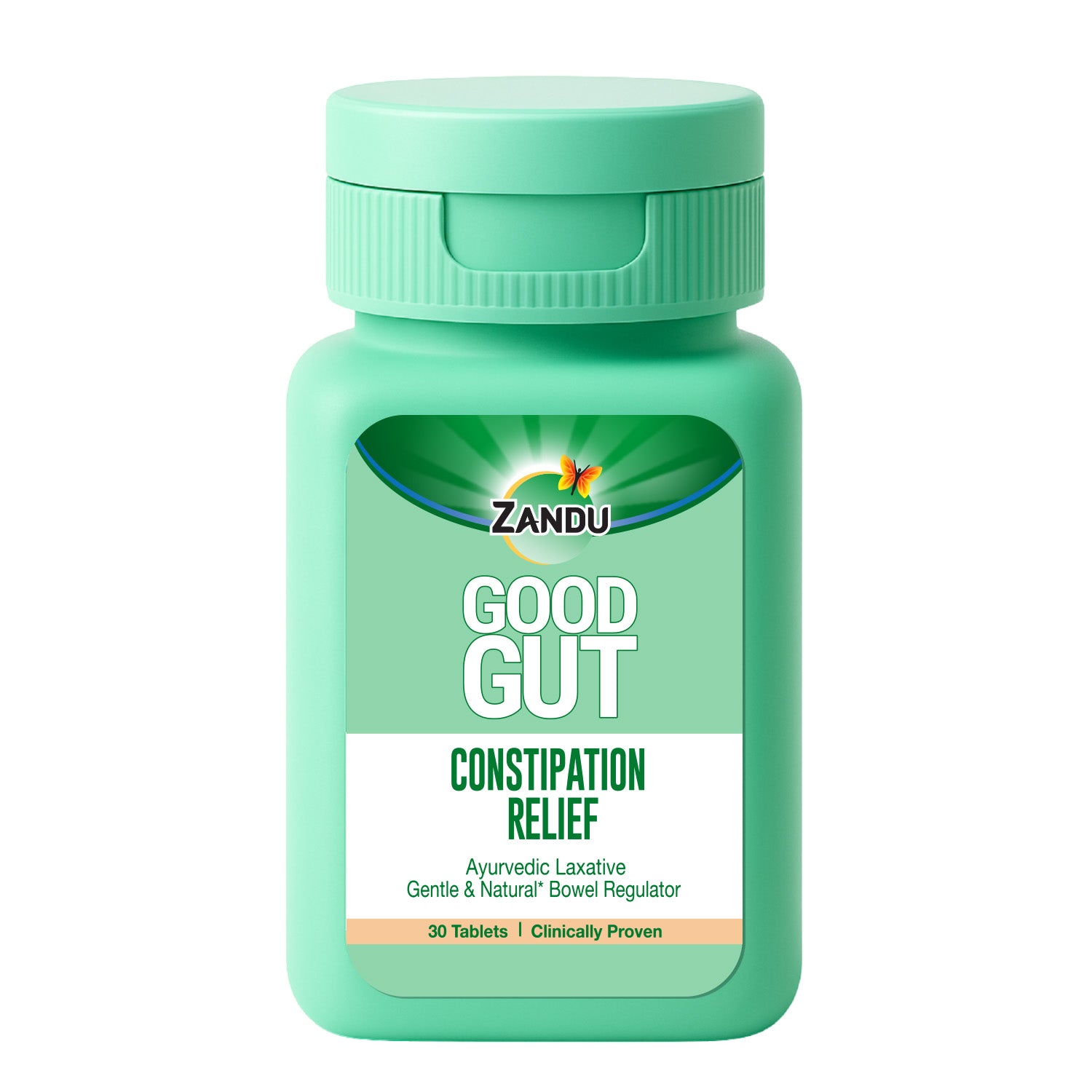
For hard stools and irregular motions, Zandu Good Gut Constipation Relief tablets are made to give smooth, predictable relief, so your gut and your head both feel lighter.
7. Blood Sugar Crashes
Sugary, refined meals digest fast and cause a quick spike and drop in blood sugar. The drop can leave you foggy, hungry, and unable to focus an hour or two later.
8. Stress
Stress and the gut feed each other. Stress upsets digestion, and an upset gut makes you more anxious and tense. This loop is one reason brain fog and gut issues often show up together.
The same Zandu Care survey found that nearly 60% of people with a poor gut health score said they felt anxious or low on most days.
What Research Says About Gut Health and Focus?
Science on the gut-brain link is still growing, but several studies point the same way.
Gut Bacteria And Mood
A Belgian study of 1,054 people found that two types of gut bacteria, Coprococcus and Dialister, were lower in people with depression. People with more Faecalibacterium and Coprococcus, which make the helpful fatty acid butyrate, reported a better quality of life. The results were confirmed in a further 1,070 people.
Probiotic Foods and Brain Activity
In a UCLA study, 36 healthy women ate probiotic yoghurt, plain yoghurt, or nothing, twice a day for four weeks. Brain scans showed that the probiotic group had changes in the brain areas that handle emotion and sensation. The researchers called it early proof that gut bacteria can affect how the brain responds.
Brain Fog And Bacterial Overgrowth
In the 2018 study of 30 patients with gas and bloating, 22 had brain fog. All 22 were taking probiotic supplements, and most had SIBO and high D-lactic acid. When they stopped the probiotics and took a short course of antibiotics, 85% said their brain fog cleared. This shows that more is not always better: the wrong supplement for your gut can make things worse.
Gluten and Brain Fog
In a survey of about 1,400 people, 89% of those with coeliac disease and 95% of those with gluten sensitivity reported brain fog. They most often described it as trouble concentrating, forgetfulness, and grogginess.
Mind-Body Treatment for Gut Issues
Several studies have found that therapies that lower stress, such as cognitive behavioural therapy and gut-directed hypnotherapy, improve digestive symptoms more than standard medical care alone. This supports the idea that calming the mind helps the gut, and vice versa.
How to Improve Your Gut Health Naturally for a Clearer Mind
You can support both your gut and your focus with simple daily habits.
1. Eat More Fibre
Fibre feeds your good gut bacteria, which then make brain-friendly fatty acids. Eat more vegetables, fruits, dal, beans, oats, and whole grains. Add fibre slowly to avoid gas.
2. Add Fermented Foods

Curd, buttermilk, idli, dosa batter, kanji, and pickled vegetables are natural sources of good bacteria. Food sources are usually a safer start than high-dose probiotic pills.
3. Eat Balanced, Regular Meals
Pair carbs with protein and fibre, such as roti with dal and sabzi, instead of eating sweets or refined snacks alone. This keeps blood sugar steady and avoids the mid-afternoon slump. Do not skip meals, and avoid very heavy, oily lunches on busy workdays.
4. Notice Your Trigger Foods
Keep a simple food diary for two weeks. Write down what you ate and how your stomach and mind felt a few hours later. This can show if dairy, gluten, fried food, or something else leaves you bloated and foggy.
5. Drink Enough Water
Even mild dehydration can cause tiredness, poor focus, and constipation. Sip water through the day.
6. Manage Stress
Slow breathing, meditation, yoga, or a short walk can calm the vagus nerve and help both digestion and focus. Even five minutes of deep breathing before a meal can help.
7. Move Every Day
Exercise improves blood flow, lowers stress hormones, lifts mood, and keeps your bowels regular.
8. Sleep 7 to 9 Hours
Sleep helps your brain clear waste and gives your gut time to repair. Finish dinner 2 to 3 hours before bed so digestion does not disturb your sleep.
Use the Right Support for Your Symptoms
- Heavy, gassy, sluggish gut from irregular meals, stress, or outside food: Zandu Good Gut Cleanse & Detox Shots are made as a daily gut reset for when digestion feels off.
- Burning, sour burps, or reflux after spicy food, tea, coffee, or late dinners: Zandu Good Gut Acidity & Bloating Relief is made for quick relief and fewer repeat episodes.
- Hard stools or irregular motions: Zandu Good Gut Constipation Relief gives smooth, predictable relief.
If you are unsure which suits you, an Ayurvedic doctor can help you choose based on your symptoms and routine.
Signs You Should Get Checked
Talk to an Ayurvedic doctor if brain fog and gut issues keep coming back or get in the way of work and daily life. Get checked by a doctor without delay if you notice:
- Brain fog that is sudden, severe, or keeps getting worse
- Weight loss without trying
- Blood in your stool, or black stool
- Ongoing diarrhoea, or belly pain that does not go away
- Migraines along with stomach pain
- Sudden changes in mood, memory, or speech
These can point to problems like coeliac disease, vitamin B12 deficiency, thyroid issues, or other conditions that need proper tests.
Conclusion
Your gut and brain are closely linked through the vagus nerve, your "stomach brain", gut-made chemicals like serotonin, and trillions of gut bacteria. When digestion is upset by inflammation, bacterial overgrowth, food intolerances, constipation, or stress, those signals change, and brain fog often follows.
The good news is that the same habits help both: more fibre, fermented foods, regular balanced meals, water, daily movement, good sleep, and less stress. Look after your gut, and a clearer, sharper mind often comes with it.
Sources
- Johns Hopkins Medicine: The brain-gut connection
- Harvard Health: The gut-brain connection
- Kshetrapal Hospital: The gut-brain connection, how your digestion affects your mind
- Hopkins MD: The gut-brain connection, how your digestion impacts your mood
- Rao SSC et al. Brain fogginess, gas and bloating: a link between SIBO, probiotics and metabolic acidosis. Clinical and Translational Gastroenterology, 2018
- Tillisch K et al. Consumption of fermented milk product with probiotic modulates brain activity. Gastroenterology, 2013
- Valles-Colomer M et al. The neuroactive potential of the human gut microbiota in quality of life and depression. Nature Microbiology, 2019
- Beyond Celiac: Brain fog survey in celiac disease and gluten sensitivity
Written by

Zanducare
India’s trusted name in Ayurvedic wellness, offering time-tested solutions for today’s health and lifestyle needs. With formulations rooted in classical Ayurvedic texts and crafted using pure natural ingredients, we bring holistic care into your everyday routine.
Research by



Leave a comment
This site is protected by hCaptcha and the hCaptcha Privacy Policy and Terms of Service apply.