





14 Home Remedies to Relieve Bloating and Constipation Naturally (Using Kitchen Ingredients)
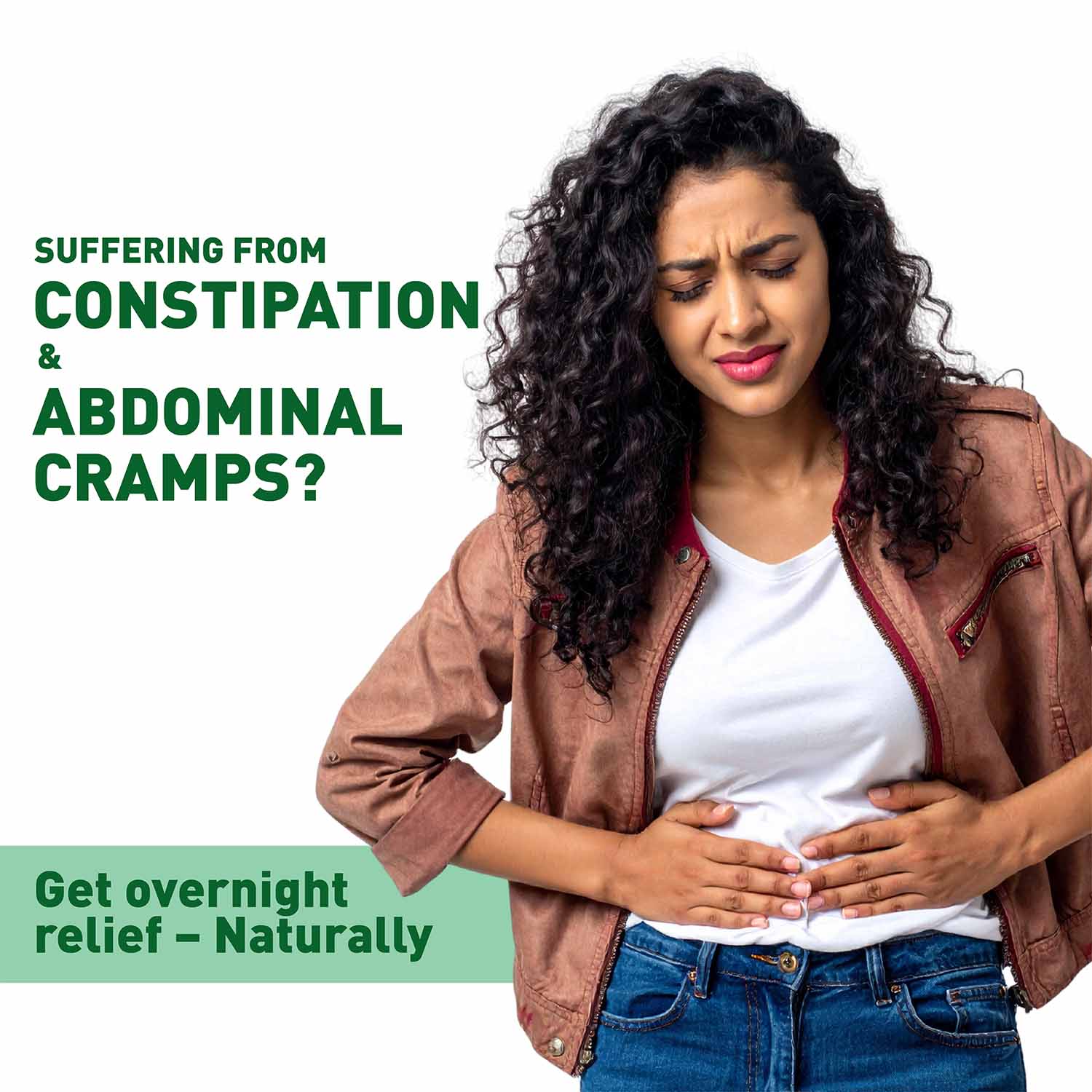
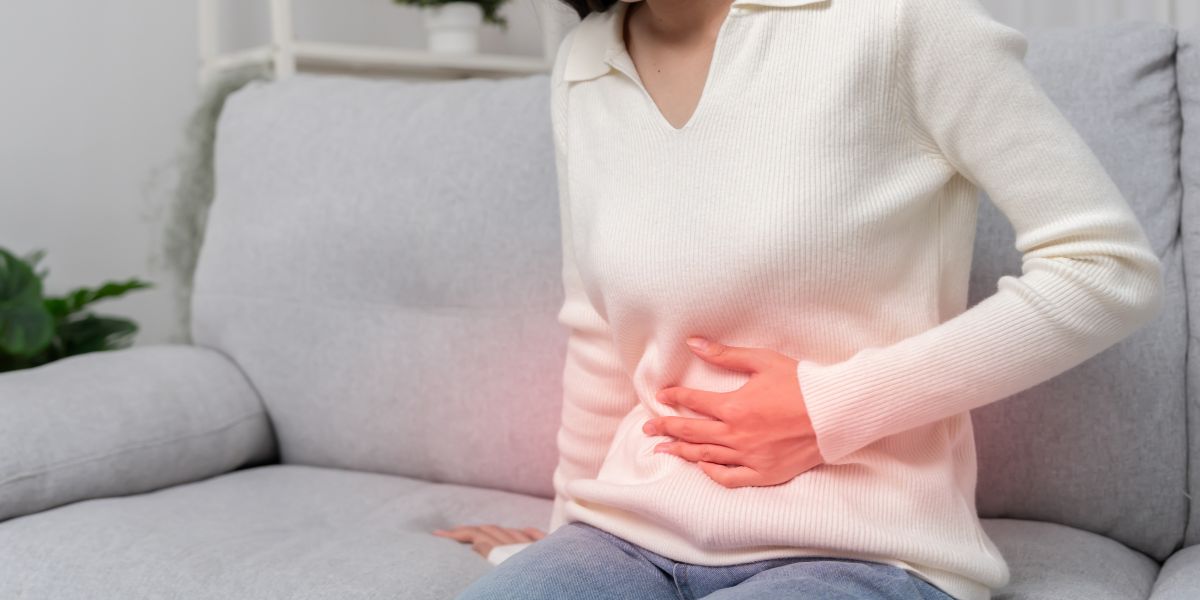
Bloating and constipation can make you feel tight in the belly, heavy after meals, and uncomfortable throughout the day. Many people also notice more bloating and gas when stools do not pass easily.
The right approach is usually gentle: support digestion, ease gas, and help your bowel routine without forcing the body. Below are simple home remedies for bloating and constipation you can try from your kitchen, along with clear cautions.
Why Bloating & Constipation Often Happen Together?
Bloating and constipation often appear together because the gut is moving slowly or irregularly. When stools stay inside longer, you may feel more pressure, fullness, and gas.
Gas can build up when digestion feels sluggish. You may also swallow more air when you eat fast or feel tense, which can add to bloating. Some people also describe this sensation as upper stomach discomfort, especially after meals.
What You May Notice in Daily Life
When constipation and bloating come together, you may feel:
- A tight or stretched feeling in the belly
- More burping or passing gas than usual
- A feeling that the bowel has not emptied fully
- Discomfort after meals
- Heaviness that affects sleep or appetite
If you are searching for how to relieve bloating and constipation, it helps to support both gas release and stool softness at the same time. Repeated episodes of post-meal heaviness can sometimes be linked with slow bowel movement.
Common Triggers You Can Check at Home
Small daily habits can affect your gut more than you realise, especially after the age of forty. The goal is to spot the likely trigger and correct it slowly.
Many bloating and constipation home remedies work better when you also fix these root triggers. In some cases, recurring constipation may also be linked to underlying hard stool causes that need attention.
6 Eating Habits That Can Add to Gas and Bloating
These habits may increase gas for some people:
- Eating too quickly or talking while eating
- Very large meals in one sitting
- Eating late at night and lying down soon after
- Chewing less and swallowing more air
- Frequent fried, very spicy, or very oily foods
5 Routine Changes That Can Slow the Bowel
Constipation can worsen when you have:
- Low fluid intake throughout the day
- Long sitting hours with little movement.
- Irregular meal timings
- Delaying the toilet urge
- High stress and disturbed sleep
Medicines and Health Factors
Some medicines and supplements may make constipation more likely for some people. Also, certain long-term health concerns can affect bowel movement. If your symptoms started after a medicine change, or if constipation is new and persistent, it is sensible to speak to a clinician.
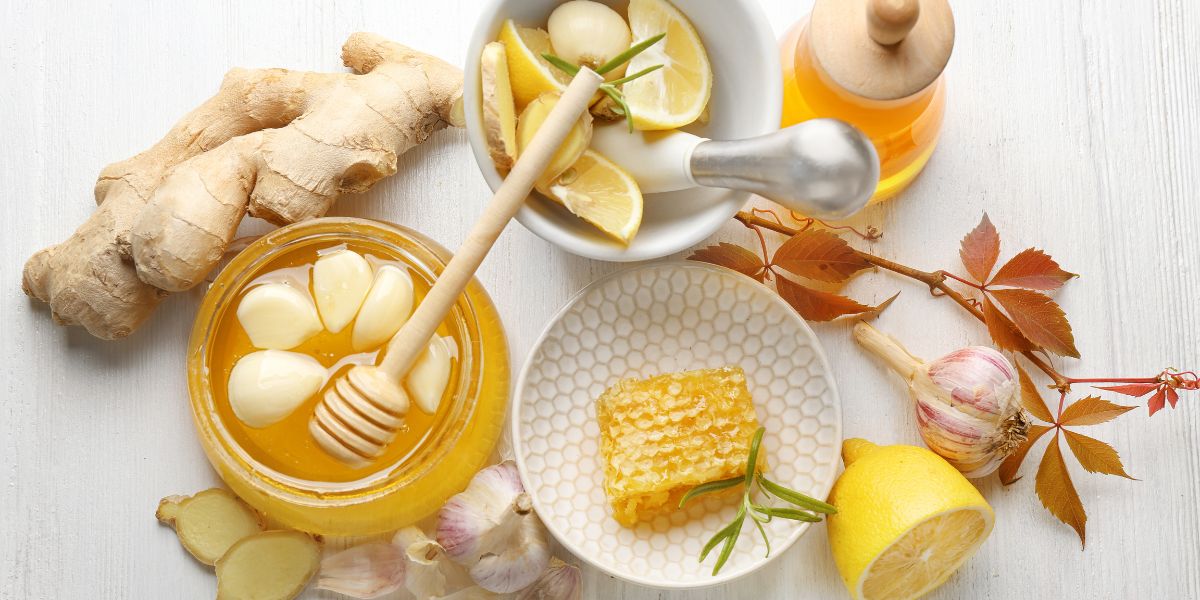
Quick Kitchen Steps That May Ease Bloating and Gas Issues
These kitchen steps are meant to be gentle. They may not suit everyone, so choose what feels comfortable for your body.
If you are looking for constipation, gas, and bloating home remedies, you can start here before moving to stronger measures.
1. Warm Fluids to Support Comfort
Warm fluids can feel soothing for the gut and may support movement and gas release in some people.
You can consider:
- Warm water sips through the day
- Light warm soups as part of meals
- Warm liquids after waking up, if it suits you
If you have acidity issues, keep warm drinks mild and avoid anything that triggers burning.
2. Ajwain Water for Belly Heaviness
Ajwain is commonly used in Indian kitchens for digestive discomfort. Some people find it helps with the feeling of tightness and gas.
How can you take it gently:
- Use a small amount in warm water
- Keep it light, especially if you have acidity.
- Stop if you feel irritation or burning
3. Jeera Water for Post-Meal Fullness
Jeera is also widely used for digestion. Some people feel it supports comfort after meals and reduces the heavy feeling.
Important cautions:
- Keep it mild
- Avoid very strong or concentrated preparations.
- If you are on regular medicines, keep a gap and ask your clinician if needed.
4. Saunf for Mouth Freshness and Gas Feeling
Saunf is commonly used after meals. Some people find it settles the stomach and supports comfort when they feel gassy.
If you try it:
- Keep the portion small
- Notice if it suits you or causes acidity.
- Avoid adding sugar
5. Gentle Belly Warmth and Light Movement
Kitchen remedies work better when the body is relaxed and moving.
You can try:
- Gentle walking after meals
- Simple stretching that does not strain the abdomen
- Light warmth on the belly if it feels comforting
Avoid strong twisting or exercises right after eating.
Gentle Home Remedies to Cure Constipation at Home
Constipation relief often improves when stools become softer, and the bowel routine becomes regular. The aim is to support the gut, not force it.
If you are searching for how to relieve bloating and constipation, these steps can be a steady starting point. You may also want to read more about structured constipation relief approaches to understand safe long-term strategies.
1. Increase Fluids Through the Day
Fluids help the body keep stools softer. Many people drink less water without noticing, especially in cooler months or when busy.
Helpful habits include:
- Keeping a bottle nearby
- Taking regular sips instead of large amounts at once
- Adding more fluids when the weather is hot, or you sweat more.
If you have a medical condition that needs fluid restriction, follow your doctor’s advice.
2. Add Fibre Slowly and Gently
Fibre supports stool softness and bowel movement. But if you add fibre too quickly, you may feel more gas and bloating.
A gentler way is:
- Increase fibre gradually
- Keep meals simple and regular.
- Support fibre with enough fluids.
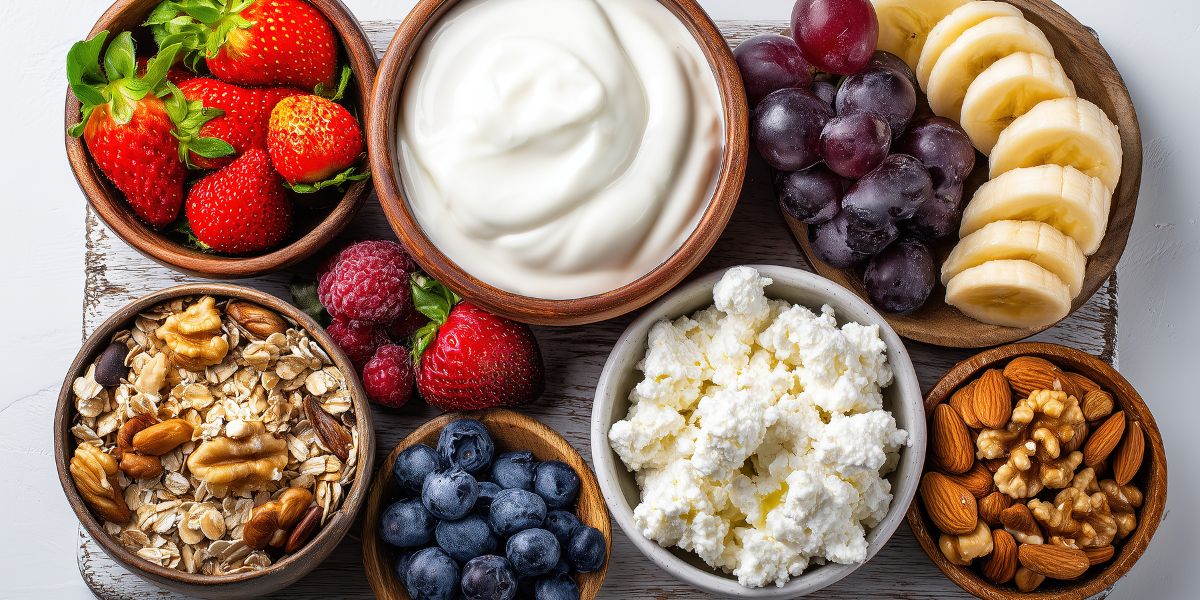
Including naturally fermented or probiotic-rich foods in your weekly routine may also support digestive balance over time. If you want a broader understanding, learning about different types of probiotic foods can help you choose what suits your gut best.
3. Soaked Dry Fruits, if They Suit You
Some people use soaked dry fruits as a kitchen step for constipation. This may not suit everyone, especially if you have blood sugar concerns or digestive sensitivity.
If you try this:
- Keep it moderate
- Watch how your stomach responds.
- Speak to a clinician if you have diabetes or are on a controlled diet
4. Mild Ghee With Meals for Some People
Some people feel that a small amount of ghee with meals supports stool softness. Others may feel heaviness.
Caution points:
- Keep it light if you have acidity or high lipid concerns
- Avoid if you feel nausea, heaviness, or loose stools.
- Choose what suits your digestion.
5. Isabgol With Adequate Fluids
Many people use fibre supplements like isabgol. It can support stool bulk and ease passage for some, but it must be taken with enough fluids.
Be careful if you:
- Feel choking or difficulty swallowing
- Have a history of bowel blockage.
- Are not able to drink enough fluids
If constipation is persistent, speak to a clinician before using such options regularly.
How to Relieve Bloating and Constipation With Daily Habits
Home remedies work best when your routine supports digestion every day. These habits may look simple, but they can make a big difference over time.
If you want lasting home remedies for bloating and constipation, focus on consistency rather than quick fixes. Building a steady, healthy gut routine can reduce repeated flare-ups.
1. Make Meal Timings More Regular
Your gut often responds well to routine. Irregular eating can disturb bowel rhythm and worsen bloating.
Try to:
- Eat at similar times most days
- Avoid very long gaps between meals.
- Chew well and eat slowly.
Following a structured post-meal routine can also help reduce gas build-up and support smoother digestion after eating.
2. Avoid Swallowing Extra Air
Extra air can add to bloating and gas.
Small changes that may help:
- Eat without rushing
- Avoid talking continuously while chewing.
- Limit chewing gum if it increases gas for you.
- Sit calmly while eating.
3. Move a Little Every Day
Movement supports gut motion. You do not need intense exercise to support bowel function.
Choose something simple, such as:
- Walking
- Light stretching
- Standing breaks if you sit for long hours
4. Use a Calm Toilet Routine
Delaying the urge can make stools harder and worsen discomfort. A calm routine may support regular bowel movement.
You can try:
- Going when the urge comes
- Not rushing to the toilet.
- Avoiding straining
- Keeping a steady time window that suits you
If passing stool is painful, seek medical guidance rather than pushing hard.
Foods and Drinks That Can Add to Bloating for Some People
Different bodies react differently. The goal is to notice what triggers your bloating and reduce it gently.
This can be helpful when you are trying bloating and constipation home remedies and want to avoid setbacks.
Common triggers for some people include:
- Very oily or deep-fried foods
- Very spicy foods that irritate the stomach
- Fizzy drinks
- Too much tea or coffee without enough plain fluids
- Large portions of raw salads if your gut is sensitive
- Excess sweets, especially when bowel movement is slow
Instead of cutting many foods at once, reduce one trigger at a time and notice changes. If digestive discomfort is frequent, it may also help to learn how to improve gut health naturally through steady lifestyle habits.
Fixing Bloating & Constipation in a Simple & Safe Way
Many people search for kabj ka gharelu upay because they want a home-based approach before turning to medicines. That is reasonable, as long as you stay careful and do not delay medical care when warning signs are present.
A gentle approach can include:
- Warm fluids throughout the day
- Regular meals and an early dinner
- Light walking after meals.
- Gradual fibre increase with enough fluids
- Mild kitchen spices that suit you, taken in small amounts
Avoid harsh remedies, very strong mixtures, or repeated use of laxatives without guidance.
Cautions You Should Keep in Mind
Even kitchen remedies need care, especially if you are above forty and managing other health concerns. “Natural” does not mean suitable for everyone.
If you have ongoing symptoms, the safest approach is to combine gentle home steps with medical guidance.
Be extra careful if you have:
- Diabetes or blood sugar concerns
- High blood pressure or heart concerns
- Kidney concerns
- Regular medicines for long-term conditions
- A history of piles, fissures, or bleeding
- Frequent acidity or reflux
Also, avoid mixing many remedies. Too many changes at once can confuse the gut and make symptoms harder to track.
When Home Remedies May Not Be Enough
If your bloating and constipation keep returning, you may need a more structured plan. At that stage, it is sensible to speak to a clinician to check for treatable causes and safe options.
Persistent symptoms can sometimes be among the broader signs of unhealthy gut patterns that need guided correction rather than isolated remedies.
You can also explore guided support through Zanducare consultation, especially if you want help with routine building, food guidance, and choosing the right digestive approach for your body type and age group.
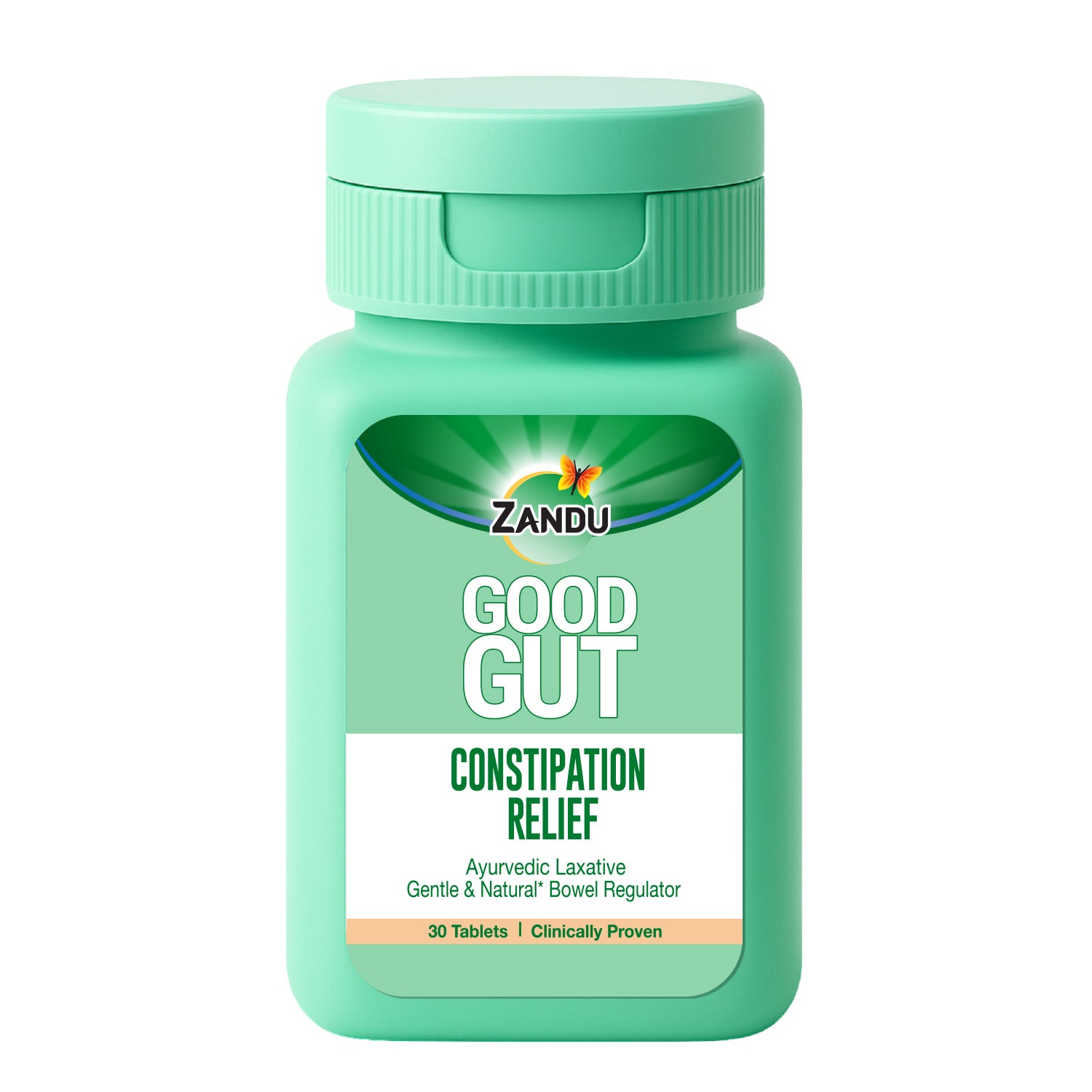
Some people also prefer Ayurvedic support alongside lifestyle steps. In that case, you may consider Zandu Good Gut Constipation Relief Tablets as an option mentioned on ZanduCare. If you choose to use any such product, it is best to:
- Read the label carefully and follow directions
- Avoid combining it with multiple constipation products.
- Speak to a clinician if you take regular medicines or have long-term health concerns.
- Seek medical advice if symptoms persist or worsen.
This keeps your approach steady and safe.
When to See a Doctor
Most mild episodes improve with routine changes, but some signs need medical attention. Do not ignore these signs, especially if they are new for you.
Seek medical help if you notice:
- Blood in stool or bleeding
- Severe or worsening belly pain
- Vomiting, fever, or feeling very unwell
- A sudden, ongoing change in bowel habits
- Constipation with increasing weakness or dizziness
- A feeling of blockage or inability to pass stool or gas
- Unexplained weight loss or poor appetite
If you are unsure, it is safer to get checked rather than waiting.
Final Thoughts
Bloating and constipation can improve when you support your gut with regular fluids, simple meals, gentle movement, and calm toilet habits. Kitchen remedies can be a helpful start, but they should be mild and used with care.
If your symptoms keep returning or feel worrying, it is sensible to seek medical advice. For added support in building a structured digestive routine, you can also explore a Zanducare consultation and discuss whether an Ayurvedic option like Zandu Good Gut Constipation Relief Tablets fits your needs.
References
1. Probiotics, fibre and herbal medicinal products for functional and inflammatory bowel disorders https://pmc.ncbi.nlm.nih.gov/articles/PMC5429330/
2. Probiotics, prebiotics, and synbiotics in chronic constipation: https://pmc.ncbi.nlm.nih.gov/articles/PMC9773270/

Written by

Zanducare
India’s trusted name in Ayurvedic wellness, offering time-tested solutions for today’s health and lifestyle needs. With formulations rooted in classical Ayurvedic texts and crafted using pure natural ingredients, we bring holistic care into your everyday routine.
Research by


Leave a comment
This site is protected by hCaptcha and the hCaptcha Privacy Policy and Terms of Service apply.