







Hard Stool: Causes, Symptoms, Treatment & When to See a Doctor
Hard stool can make you feel heavy, uncomfortable, and tired. When it repeats, it can also make you worry about your digestion and overall health.
The good thing is that hard stool is often linked to everyday habits and can improve when you make steady, simple changes. Let’s understand what causes hard stool, how you can manage it safely, and when you should speak to a doctor.
What Hard Stool Means
Hard stool usually means the stool is dry, firm, or difficult to pass. This often happens when the bowel absorbs too much water from the stool as it moves through the gut.
When stool stays inside the bowel for longer than it should, it loses moisture and becomes harder. This is why many people ask why their stool is hard or look for the reason for hard stool.
Hard stool is not only about what you ate on one day. It is more often about your routine over many days, fluids, fibre, movement, stress, and toilet habits. If constipation episodes are frequent, learning about constipation relief can help you understand safe next steps.
How Stool Becomes Hard in the Gut
Your body is designed to absorb water and nutrients from what you eat. The large intestine absorbs water, and the remaining waste becomes stool. When bowel movement slows down, the stool sits longer, and more water is absorbed. That is when stool can turn very firm.
Hard stool is not only about what you ate on one day. It is more often about your routine over many days, fluids, fibre, movement, stress, and toilet habits.
Hard Stool Causes in Adults
Hard stool causes can be different for different people. In adults over forty, digestion and bowel movement can become more sensitive to small lifestyle changes.
Many times, hard stool causes are linked to one or more of these areas. Some people also experience discomfort and bloating, and exploring options for natural constipation care may help you approach the issue more holistically.
Low Fluid Intake
Fibre helps stool hold water and move smoothly. Including balanced meals with naturally fermented or probiotic-rich foods may support digestive balance and stool softness over time.
When meals are low in fibre and fluids, the large intestine absorbs more water from the stool, making it dry and hard.
Things that can make this worse include:
- Hot weather and sweating
- Long working hours with fewer water breaks
- Too much tea or coffee without enough plain fluids
- Travelling, when routine becomes irregular
Low Fibre Intake
Fibre helps stool hold water and move smoothly. When meals are low in fibre, stool can become small, dry, and difficult to pass.
Low fibre intake may happen when:
- Meals are more refined or processed
- You eat in a hurry and skip balanced meals.
- You eat less roughage due to fear of gas or acidity
Less Physical Movement
Your gut also responds to movement. When you sit for long hours and your body is less active, bowel movement can slow down. This can lead to constipation and harder stool.
Even if you are busy, small daily movements can help your gut stay more regular.
Delaying the Toilet Urge
This is a common reason for hard stool. When you feel the urge but delay it, the stool remains inside longer and can become harder. Over time, your body may stop sending clear signals, and constipation may become frequent.
This can happen due to:
- Lack of clean toilets while travelling or working outside
- Busy mornings and rushed routines.
- Fear of pain because of previous hard stool episodes
Irregular Meal and Sleep Timings
Your gut often follows a rhythm. Irregular meals and disturbed sleep can upset that rhythm for some people. This may show up as constipation, bloating, and hard stool.
Stress and Worry
Stress can affect digestion in many people. Some feel loose motions, while others get constipation. If you are under ongoing stress, your gut may slow down, and your stools may harden.
If stress-related gut sensitivity is frequent, it can slightly overlap with patterns of upper stomach discomfort or general digestive irritation that benefit from routine changes.
Medicines and Supplements
Some medicines and supplements can contribute to constipation in some people. If a hard stool started after a new medicine, it is worth discussing with a clinician.
Common categories that may affect bowel movement include:
- Certain pain-relief medicines
- Some medicines used for acidity
- Some allergy-related medicines
- Iron or calcium supplements
Do not stop any prescribed medicine on your own. A doctor can guide you safely.
Health Concerns That May Be Linked
Hard stool can also be linked with certain health concerns. It does not mean you have a serious illness, but it may be one part of a bigger picture.
A clinician may check for:
- Thyroid-related concerns
- Blood sugar-related concerns
- Bowel pattern changes that need evaluation
- Conditions that affect gut movement
If constipation is new, frequent, or worsening, it is sensible to get checked.
Signs and Symptoms That Often Come With Very Hard Stool
A hard stool can feel different from your normal bowel movement. You may notice changes that tell you your bowel is struggling to push the stool out.
A very hard stool can come with:
- Straining during bowel movement
- Dry, lumpy stool
- Pain or burning while passing stool
- A feeling of incomplete emptying
- Bloating and heaviness
- Reduced appetite or nausea at times
If you are often dealing with very hard stool, it is a sign your bowel needs support through daily changes and, sometimes, medical care.
How to Soften Hard Stool Safely
If you are searching for how to soften hard stool, the aim is to improve stool moisture and bowel movement without strain. This usually works best when you combine a few steady habits.
Improve Fluids Through the Day
Fluids help your body maintain stool softness. Instead of drinking a lot at once, try to drink regularly.
Simple ways to support hydration:
- Keep fluids nearby so you remember to sip
- Take small water breaks throughout the day.
- Increase fluids when the weather is hot or when you are sweating.
If you have kidney, heart, or fluid restriction issues, follow your doctor’s advice about fluid intake.
Increase Fibre Gradually
Fibre helps stool become softer and easier to pass. But fibre works best when your fluid intake is also steady.
A gentle approach:
- Increase fibre slowly so your stomach adjusts
- Keep meals balanced and regular.
- Avoid making sudden, big changes that cause gas or discomfort.
If you feel bloated when increasing fibre, focus on slow, steady changes rather than sudden, large increases. Including more moderate portions of probiotic foods may also support gut comfort while you adjust your fibre.
Eat at Regular Times
Your bowel often responds better when meal timings are steady. Skipping meals and eating at odd hours can disturb bowel rhythm.
Try to:
- Avoid long gaps between meals
- Keep a steady morning routine.
- Eat slowly and chew well.
Add Daily Movement
Daily movement supports bowel activity. It does not need to be intense. The key is regularity.
Helpful options:
- Walking
- Gentle stretching
- Avoiding long sitting hours without breaks
Even short movement breaks throughout the day may support digestion.
Build Better Toilet Habits
Toilet habits can make a big difference in hard stool.
Try to:
- Go when the urge comes
- Give yourself enough time without rushing.
- Avoid straining
- Keep a regular time window that suits your routine.
Straining can cause discomfort and may worsen issues like piles or small tears around the anus. If you have pain, be gentle and seek guidance.
Manage Straining and Discomfort Carefully
If passing stool is painful, you may start avoiding the toilet. This can make hard stool worse. Pain can also make the pelvic muscles tighten, which makes stool harder to pass.
If pain is frequent, it is better to speak to a doctor. You may need support that reduces pain and helps you pass stool comfortably.
Frequent constipation? Explore Ayurvedic solutions crafted to relieve discomfort and promote healthy gut function.
Ayurvedic Support and Guidance for Hard Stool Treatment
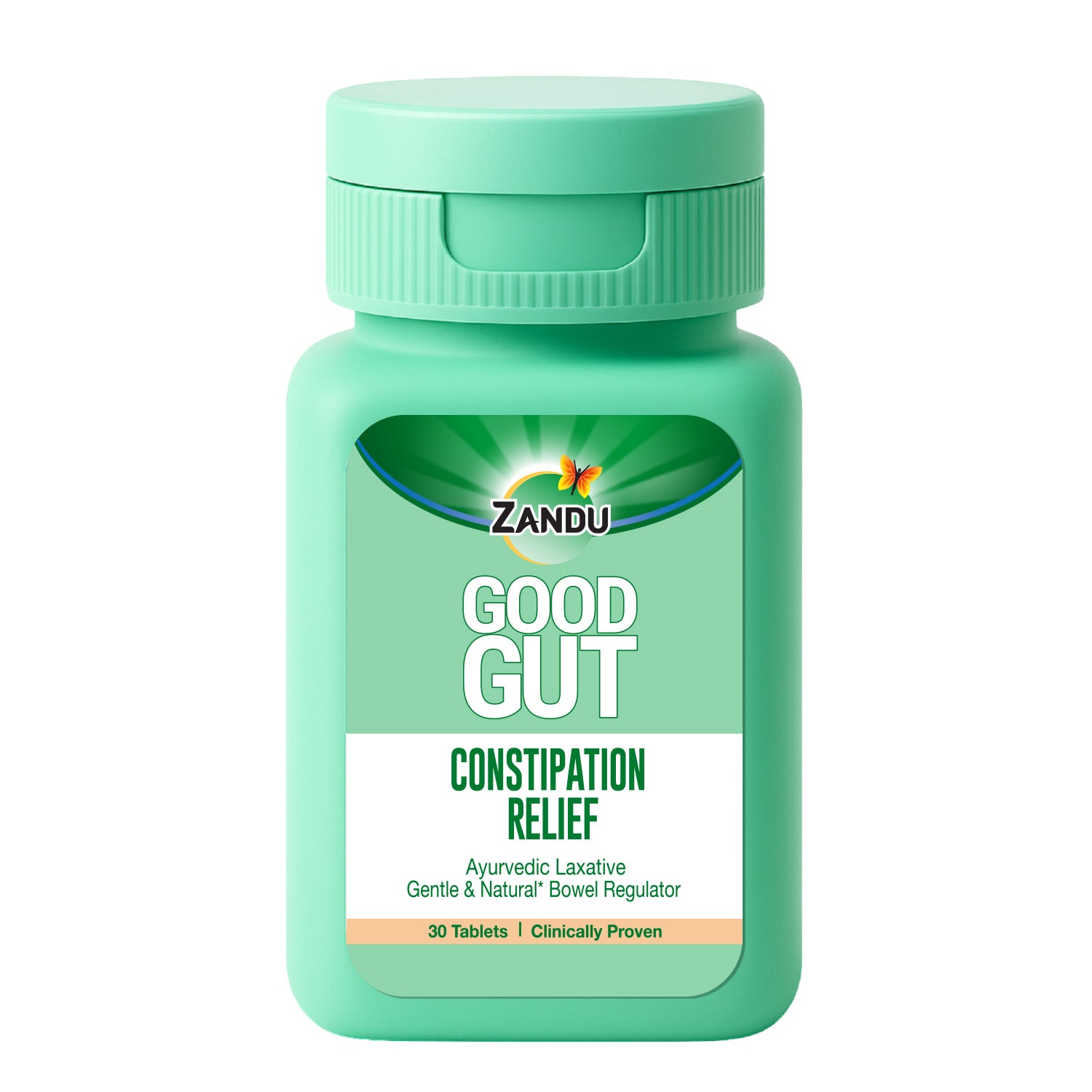
Some people prefer Ayurvedic support along with lifestyle changes for bowel regularity. If you are exploring an option that fits your routine, you may consider Zandu Good Gut Constipation Relief Tablets.
This product is positioned as an Ayurvedic option for constipation support. If you choose to use it, keep a few safety points in mind:
- Follow the label instructions carefully
- Avoid mixing multiple constipation products at the same time.
- If you have ongoing health conditions or take regular medicines, speak to a clinician before starting any new bowel support product.
- If constipation is persistent, do not rely only on self-care for long periods.
Alongside this, a healthy gut routine might help you build long-term patterns that reduce repeated stool hardness. If you want personalised guidance, a Zanducare consultation can help you discuss your symptoms, routine, digestion concerns, and suitable next steps. This can be useful if you are unsure what is causing your hard stool or if your symptoms keep returning.
Hard Stool Treatment Options: A Clinician May Suggest
When lifestyle steps do not help enough, a doctor can guide hard stool treatment based on your health and symptoms. This is important because what works for one person may not be right for another.
A clinician may consider:
- Stool softeners that help the stool hold more moisture
- Medicines that draw water into the bowel
- Fibre-based bulking options, if fibre intake is low
- Short-term bowel regulation options
- Review of current medicines and supplements
- Evaluation for underlying issues when constipation is new or persistent
Many people search for medicine for hard stool, but it is safer to choose medicines with medical guidance, especially in the age group above forty. Repeated self-treatment can delay the right diagnosis and may lead to dependency on certain methods.
What Not to Do When Stool is Hard
When you feel uncomfortable, it is natural to try quick fixes. But some actions can worsen the situation or cause more discomfort.
Try to avoid:
- Straining hard can increase pain and irritation
- Using strong laxatives repeatedly without medical guidance
- Ignoring the urge to defecate for many hours
- Making sudden major diet changes that your gut cannot tolerate
- Skipping meals and then eating very heavy meals
If hard stool is frequent, the best approach is steady habits plus timely medical advice when needed.
When to See a Doctor for Hard Stool
Hard stool can improve with lifestyle changes, but some signs should not be ignored. If you notice warning signs, speak to a doctor without delay.
Seek medical advice if you have:
- Bleeding from the back passage or blood in stool
- Severe or worsening stomach pain
- Vomiting, fever, or feeling very unwell
- A sudden change in bowel habits that does not settle
- Persistent constipation despite steady lifestyle changes
- A feeling of blockage or inability to pass stool or gas
- Unexplained weight loss or ongoing loss of appetite
If you have discomfort that keeps returning, it is better to address it early rather than tolerating it for months.
How to Prevent Hard Stools From Returning
Prevention is often easier than repeated treatment. When your routine supports gut movement, stools usually remain softer and easier to pass.
Focus on:
- Steady fluids through the day
- Fibre was added gradually and kept consistent.
- Regular meal timings
- Daily movement
- Not delaying toilet urges.
- Managing stress and sleep as well as possible
If you have tried these steps and still struggle, that is a good time to speak to a clinician or use guided support such as a Zanducare consultation.
Final Thoughts
Hard stool is common, but it should not become your normal routine. When you support hydration, fibre, daily movement, and regular toilet habits, your bowel often becomes more regular, and stools become easier to pass.
If symptoms persist, become painful, or come with warning signs, it is best to speak to a doctor. And if you want guided support for digestion and bowel regularity, a Zanducare consultation can help you take the next steps with more clarity.
References
1. Stopping or reducing dietary fibre intake reduces constipation and its associated https://pmc.ncbi.nlm.nih.gov/articles/PMC3435786/
2. Symptoms & Causes of Constipation https://www.niddk.nih.gov/health-information/digestive-diseases/constipation/symptoms-causes

Written by

Zanducare
India’s trusted name in Ayurvedic wellness, offering time-tested solutions for today’s health and lifestyle needs. With formulations rooted in classical Ayurvedic texts and crafted using pure natural ingredients, we bring holistic care into your everyday routine.
Research by




Leave a comment
This site is protected by hCaptcha and the hCaptcha Privacy Policy and Terms of Service apply.