









Probiotic-Rich Foods in India: Benefits, Best Time to Eat & Safety Tips
If your stomach often feels heavy, gassy, or unsettled, you may start looking at food choices that feel lighter and easier on the gut. Probiotic foods are one such option many people explore to support day-to-day digestion.
This guide covers probiotic-rich foods in India, how to eat them in sensible portions, the best time to include them, and the cautions you should keep in mind, especially if you are above forty and managing a busy routine.
What Probiotics Mean in Simple Words
Probiotics are live, helpful microbes that may support a balanced gut environment. They are usually found in certain fermented foods where live cultures remain active.
Your gut already has many types of microbes. Food, sleep, stress, water intake, and medicines can affect this balance over time, which is why people look for probiotic-rich foods for gut health when they want to improve gut health in a steady and natural way.
Why People Add Probiotic Foods
Many people choose probiotic foods for gut health because they want to support digestion in a gentle, food-first way. Some also feel that fermented foods suit their routine, especially when meals are home-cooked.
Common reasons people consider probiotics include:
- A heavy feeling after meals
- Irregular bowel movements
- Frequent bloating and gas
- A need for lighter, simpler digestion support as they age
For some, repeated post-meal heaviness or mild digestive imbalance may encourage them to explore probiotic options.
Fermented Foods and Probiotic Foods Are Not Always the Same
Many Indian kitchens already use fermented foods. Still, not every fermented item is automatically a probiotic food in the true sense.
A food is more likely to be a probiotic food when:
- It is fermented with helpful cultures
- The final food still contains live cultures.
- It is not overheated after fermentation.
This matters because heating and long storage can reduce live cultures. If digestion feels unsettled or you notice recurring upper stomach discomfort, choosing the right type of fermented food becomes more important.
Probiotic-Rich Foods in India That People Commonly Eat
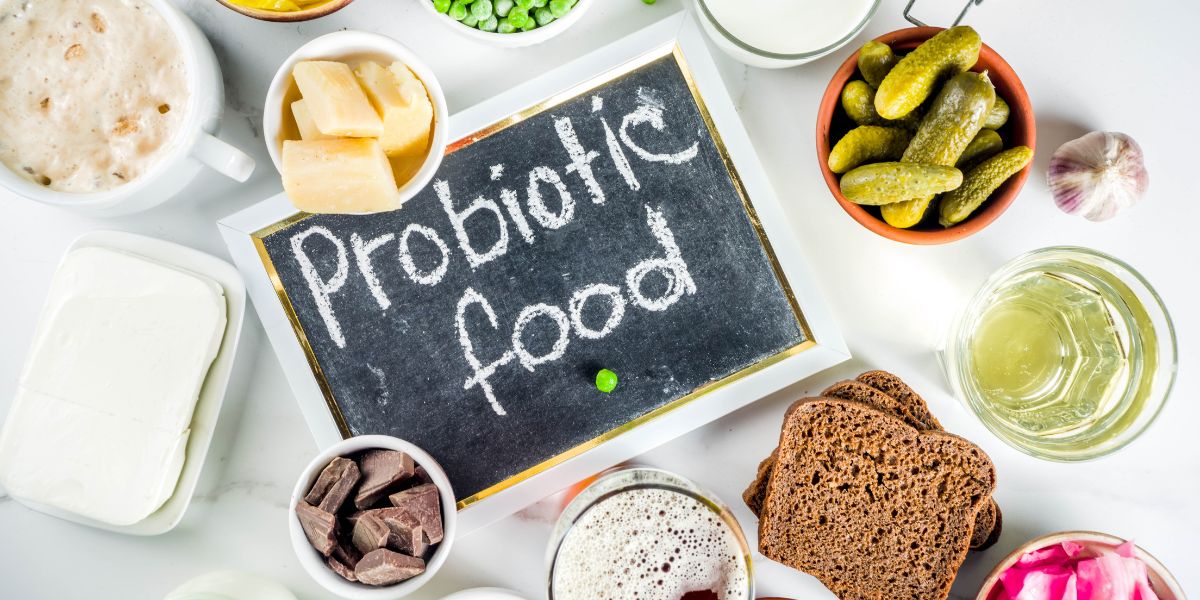
Indian food culture already includes several fermented options. These are some probiotic rich indian foods that many households recognise and can easily include.
Homemade Curd
Curd is one of the most commonly eaten probiotic-rich foods in India. The quality can depend on how it is set and stored.
Helpful tips while choosing or preparing curd:
- Freshly set curd may feel lighter for many people than sour, older curd
- Overly sour curd may not suit people who get acidity easily.
- If you are sensitive to dairy, start slowly and notice comfort
Chaas and Light Buttermilk
Chaas is a familiar option in many parts of India. It is often easier to sip than to eat a full bowl of curd, especially in warm weather.
If you want to keep it gut-friendly:
- Keep it lightly spiced if you are prone to acidity
- Avoid very cold chaas if it triggers throat irritation or bloating for you.
- Sip slowly instead of drinking in a hurry
Traditional Lassi
Lassi is also popular, but it is not always the best choice when it is very sweet or heavy. A lighter version may suit digestion better than a rich, dessert-style drink.
If you are watching your blood sugar or weight, it helps to be careful with sweetened versions.
Kanji (Fermented Drink)
Kanji made at home is a traditional fermented drink in some Indian homes. Since home methods vary, the taste and strength can also vary.
Cautions to keep in mind:
- Strong, very sour kanji may not suit people with acidity
- Hygiene and clean storage matter a lot with fermented drinks
- Start small if you are not used to it
Fermented Rice Water or Leftover Fermented Rice
In some regions, fermented rice preparations are part of regular meals. People often use them for a light, cooling feeling.
If you are considering this:
- Clean preparation and storage are important
- If you have a sensitive stomach, start slowly.
- If it feels too sour or causes discomfort, avoid it
Idli and Dosa Batter-Based Foods
Fermented batter is a strong part of Indian eating. Still, these foods are usually cooked, and cooking can reduce live cultures.
Even so, many people still include fermented batter foods because they feel light and easy to digest compared to heavy fried foods. If your focus is strictly on “live culture” intake, you may prefer options like curd and chaas more often.
How to Choose Food Rich in Probiotic Bacteria in Daily Life
Not everyone wants complicated gut routines. For most people, a steady and simple approach works better than making too many changes at once.
If you are choosing food rich in probiotic bacteria, try to prioritise:
- Freshness and clean preparation
- Gentle taste that suits your stomach
- Regular, small inclusion rather than occasional heavy intake
This becomes especially helpful if you are already following a broader healthy gut routine and want probiotic foods to fit smoothly into it.
Portions: How Much to Eat Without Overdoing It
Portions matter because even healthy foods can feel uncomfortable if taken in excess. Also, if your gut is not used to fermented foods, a sudden large amount can increase gas for some people.
A simple portion approach that many people find easier is:
- Start with a small serving once a day
- Continue for a few days and notice comfort.
- Increase slowly if your digestion feels fine.
- Reduce if you feel more gas, cramps, or loose stools
Portion Cautions for People Above Forty
As you get older, your gut can become more sensitive to certain foods, especially sour or heavy dairy.
Be careful if:
- You feel acidity after curd or fermented drinks
- You have frequent bloating even with small amounts.
- You are lactose sensitive.
- You are on regular medicines and feel unsure about food interactions.
If any food repeatedly causes discomfort, it may not be the right choice for your body, even if it is popular.
Best Time to Eat Probiotic-Rich Foods
The “best time” can differ from person to person. Instead of forcing a strict rule, it is better to choose a time when your stomach handles it well, and you can stay consistent.
Many people find probiotic foods easier when:
- They are eaten with meals rather than on an empty stomach
- They are taken at a regular time daily.
- They are not paired with very heavy, oily meals
If you often feel bloated after eating, adjusting your overall diet plan for bloating, along with adding probiotic foods, may give better results than changing just one element.
Morning, Afternoon, or Evening: What to Consider
Here are simple ways to decide timing:
- Morning: Some people prefer curd or chaas later in the morning, once the stomach has settled.
- Afternoon: Many people find fermented dairy easier around lunch, especially with a balanced meal.
- Evening: If you get acidity or reflux at night, heavy curd or sour foods late evening may not suit you. In such cases, reviewing common acid reflux foods can help you avoid triggers.
You can also combine probiotic foods with a calm post-meal routine to reduce gas build-up and support smoother digestion.
If You Take Antibiotics or Regular Medicines
If you are on antibiotics or long-term medicines, it is safer to speak to a clinician before adding a strong probiotic routine. Some people prefer to keep a time gap between medicines and fermented foods, but the best approach depends on your health and the type of medicine.
How to Eat Probiotic Foods So They Stay More Useful
How you handle probiotic foods can make a difference, especially for foods where live cultures may be reduced due to heat or poor storage.
Simple habits that may help:
- Avoid mixing curd into very hot foods right before eating
- Store fermented foods in clean containers
- Avoid keeping fermented foods for too long.
- Choose fresh, mild fermented items over very sour ones if you get acidity
Who Should Be Careful With Probiotic-Rich Foods
Probiotic foods are common in many Indian homes, but they may not suit everyone in the same way. If you have certain health concerns, it is better to be cautious.
Be extra careful if you have:
- Frequent acidity, reflux, or a burning feeling in the stomach
- Lactose sensitivity or dairy intolerance
- A weak immune system or serious long-term illness
- Recent surgery or hospital recovery
- Ongoing diarrhoea, fever, or severe gut pain
Persistent digestive symptoms may sometimes overlap with broader signs of unhealthy gut patterns that need medical attention rather than food experimentation.
Signs That Mean You Should Not Self-Manage
Food-based changes are meant for mild, routine digestion support. If your symptoms are strong or unusual, you should not delay medical advice.
Seek medical help if you notice:
- Blood in stool or black stools
- Severe belly pain or swelling
- Persistent vomiting
- Ongoing fever with gut symptoms
- Sudden, ongoing change in bowel habits
- Unexplained weight loss or loss of appetite
These signs need proper medical evaluation.
How Zanducare Support Can Fit Into a Food-First Plan
If you want a guided approach instead of doing trial-and-error, a Zanducare consultation can be a helpful option. It can support you in choosing food habits and routines that suit your digestion, sleep, and daily schedule, especially if you live in a tier two or tier three city with a busy, travel-heavy lifestyle.
Zanducare also has Zandu Good Gut Cleanse & Detox Shots, which the brand presents as an Ayurvedic formula made using a fermented arishta process and described as having prebiotic and postbiotic components.
If you are considering such a product, it is sensible to:
- Read the label carefully and follow usage directions
- Avoid combining multiple gut products at the same time.
- Speak to a clinician if you are on regular medicines or have long-term health conditions.
- Stop and seek help if you feel discomfort, allergy-like symptoms, or worsening gut issues.
This keeps your approach careful and steady, without pushing the body.
How to Build a Simple Probiotic Routine for Gut Health
A routine works best when it is easy to follow. The aim is not perfection, but regular habits your gut can adjust to.
You can build a simple routine using these steps:
- Choose one probiotic-rich food you already eat comfortably
- Keep the serving small and regular
- Pair it with a balanced meal and adequate water throughout the day
- Add movement like a short walk after meals, if possible
- Notice whether you feel lighter and less gassy over time
If your gut feels more bloated after probiotic foods, it does not always mean probiotics are “bad”. It may mean your portion is too large, the food is too sour, or your gut needs a slower change.
Conclusion
Probiotic-rich foods can be a simple, food-first way to support your gut routine when you choose options that suit your body and keep portions gentle. In India, everyday foods like fresh curd and chaas are often easier to include regularly than complicated plans.
The key is to go slow, stay consistent, and watch how your stomach responds, especially after forty, when acidity, bloating, or dairy sensitivity can show up more easily. If you want clearer guidance instead of guesswork, a Zanducare consultation can help you build a routine around your meals, sleep, and digestion needs.
And if you want an Ayurvedic option to pair with a food-based approach, you can also explore Zandu Good Gut Cleanse & Detox Shots by following label directions and staying mindful of cautions, particularly if you take regular medicines or have ongoing health concerns.
References
1. Effects of Dietary Yogurt on the Healthy Human Gastrointestinal (GI) Microbiome https://pmc.ncbi.nlm.nih.gov/articles/PMC5374383/
2. Beneficial Effects of Yoghurts and Probiotic Fermented Milks and Their Functional Food Potential https://pmc.ncbi.nlm.nih.gov/articles/PMC9455928/

Written by

Zanducare
India’s trusted name in Ayurvedic wellness, offering time-tested solutions for today’s health and lifestyle needs. With formulations rooted in classical Ayurvedic texts and crafted using pure natural ingredients, we bring holistic care into your everyday routine.
Research by


Leave a comment
This site is protected by hCaptcha and the hCaptcha Privacy Policy and Terms of Service apply.