








Acid Reflux Foods to Eat: Indian Diet Plan, Food Chart & Night Reflux Tips
When you have acid reflux, food can feel like your biggest friend or your biggest enemy. One day, the same meal feels fine. Another day, it gives burning, sour burps, or a bitter taste in the mouth. That is why an acid reflux diet should be calm and flexible, not strict and scary.
In this guide, you will learn acid reflux foods to eat, Indian meal ideas, meal timing tips, a simple acid reflux food chart, and the common food pairings that people often regret later.
How Food Choice Affects Acid Reflux
Food can influence reflux in two simple ways: it can irritate the throat/food pipe, and it can increase pressure in the stomach when the meal is heavy.
If you want a clearer understanding of how backflow happens, this explanation of acid reflux connects the food patterns with the physical process.
The goal is to choose acid reflux-friendly foods that feel light, warm, and easy to digest, especially when symptoms are active. When irritation increases, common acid reflux symptoms like chest burning, throat discomfort, and repeated sour burps may feel stronger.
Meal Timing That Supports Comfort
Timing often matters as much as the food itself, especially for people who get reflux after dinner or while sleeping.
A steady rhythm, lighter dinner, calmer evenings, and avoiding heavy late meals can make the day feel easier. This is especially important if you experience acid reflux at night.
Simple Meal Timing Habits
- Try not to skip meals and then eat a heavy dinner.
- Keep lunch as the main meal when possible, and dinner lighter.
- Eat slowly and chew well. Fast eating increases air swallowing and burping.
- Sit upright after meals. Avoid bending forward soon after eating.
- If reflux is mostly at night, focus on dinner timing and dinner portion first.
Acid Reflux Foods to Eat That Often Feel Soothing
There is no single “perfect” list that suits everyone, but some foods are commonly chosen because they feel gentle and reduce irritation for many people.
Think warm, soft, mildly spiced, and freshly cooked. These are the foundations of a practical acid reflux diet.
Rice and Simple Grains
- Plain rice with thin dal
- Soft khichdi (especially moong dal style)
- Daliya (broken wheat) porridge or upma style
- Soft phulka (less oil on the pan)
Why people choose these: soft grains are easy to eat, feel light, and are less likely to irritate the throat.
Dal and Light Protein Options
- Moong dal (simple, not too spicy)
- Masoor dal (lightly cooked, less oil)
- Thin dal soups (without heavy tadka)
- Besan chilla (light oil, mild spices)
Why people choose these: they are filling without being too oily or heavy.
Well-Cooked Vegetables That Many People Find Gentle
- Lauki (bottle gourd)
- Pumpkin
- Ridge gourd
- Tinda
- Carrot, beans (well-cooked)
- Spinach and other leafy vegetables (well-cooked, mild spice)
Soft vegetables usually feel easier than raw salads during reflux. If burning is frequent, reviewing patterns of stomach burning can help you notice which vegetables suit you better.
Fruits That People Commonly Tolerate Better
Fruits are personal. Some people feel great, others feel gas or acidity. If you want to try, start with gentle options in small amounts and preferably earlier in the day.
- Banana
- Papaya
- Stewed apple (warm, soft)
- Pear (if it suits you)
If fruit worsens upper abdominal discomfort, it may relate to the underlying causes of stomach burning.
Calm Drinks
- Plain water sips through the day
- Warm water (many people prefer it during flare-ups)
- Mild jeera water (not too strong)
- Mild saunf water
If spicy tea-time habits trigger discomfort, especially after heavy snacks, that pattern may resemble stomach burning after eating spicy food.
Alkaline Foods for Acid Reflux: What This Really Means
Many people search for alkaline foods for acid reflux. In simple words, this usually refers to foods that feel less acidic and less irritating, and may help balance the “burning” feeling for some people.
You do not need to chase complicated charts. In Indian kitchens, alkaline-style choices often look like:
- Well-cooked vegetables
- Simple grains like rice and daliya
- Mild fruits like bananas and papayas
- Plain dal and soups
These choices align with common natural ways to treat acid reflux, where the focus is on calming digestion rather than extreme restriction.
Everyday Indian Foods That Help With Acid Reflux
You do not need imported foods or fancy items. A reflux-friendly plate can be built from daily Indian groceries.
Below are easy staples that many people use as foods that help with acid reflux.
Breakfast Options
- Idli with mild sambar (less chilli, not too sour)
- Upma with light oil and mild seasoning
- Poha made mild (less chilli, less lemon if it triggers you)
- Daliya porridge (simple)
- Besan chilla with coriander (avoid very spicy chutney)
Lunch Options
- Rice + thin moong dal + lauki/pumpkin sabzi
- Phulka + light sabzi + thin dal
- Khichdi + cooked vegetable
- Curd rice can suit some people, but some feel heavier with curd. If curd triggers you, skip it.
Evening Snack Options
- Roasted makhana
- Roasted chana (if it suits you)
- Murmura (puffed rice) with light seasoning
- Banana or papaya (if fruit suits you)
Dinner Options
- Moong dal khichdi
- Vegetable soup + soft phulka
- Rice + thin dal + cooked sabzi
- Daliya khichdi (mild)
Dinner is often where people feel the biggest change, especially if reflux is worse at night. If symptoms continue despite careful food choices, exploring structured remedies for acid reflux may be helpful.
Sample Meals: Simple Indian Day Ideas
These sample meals are meant to reduce decision stress. You can rotate them depending on what is available at home.
If any item worsens your symptoms, replace it with a simpler option from another meal.
Sample Day Option One
- Morning: warm water sips
- Breakfast: idli with mild sambar
- Mid-morning: banana (if it suits you)
- Lunch: rice + thin moong dal + lauki sabzi
- Evening: roasted makhana + plain water
- Dinner: moong dal khichdi + cooked vegetable
Sample Day Option Two
- Morning: plain water or warm water
- Breakfast: daliya upma (light oil)
- Mid-morning: stewed apple or papaya (if it suits you)
- Lunch: phulka + masoor dal + pumpkin sabzi
- Evening: murmura (light)
- Dinner: vegetable soup + soft phulka
Sample Day Option Three (Travel-Friendly Style)
- Morning: warm water sips
- Breakfast: mild poha
- Lunch: simple dal-rice or roti-sabzi (less spice, less oil)
- Evening: banana (if it suits you)
- Dinner: khichdi or rice + thin dal
Acid Reflux Food Chart
A food chart helps you choose quickly, especially when symptoms are active. Use it as a guide, not as a strict rule.
|
Meal Time |
Acid Reflux Foods To Eat |
What To Avoid Pairing With It |
Easy Swap |
|
Breakfast |
Idli, upma, daliya, mild poha |
Very spicy chutney, deep-fried sides |
Mild chutney instead of spicy chutney |
|
Lunch |
Rice + thin dal + cooked sabzi |
Heavy gravy + fried side |
Thin dal instead of rich curry |
|
Snack |
Roasted makhana, murmura, banana |
Cola, chips, oily namkeen |
Roasted snack instead of a fried snack |
|
Dinner |
Khichdi, soup + phulka, rice + dal |
Late heavy meal, extra chilli |
Lighter dinner instead of a heavy late dinner |
|
Drinks |
Warm water, mild jeera/saunf water |
Fizzy drinks, very strong tea/coffee late |
Plain water instead of soda |
What to Avoid Pairing With Soothing Foods
Many people say, “I ate khichdi, still I got reflux.” Often, the issue is not khichdi. It is what was paired with it, or the timing.
These are common pairings that can trigger symptoms for many people.
Pairings That Often Backfire
- Khichdi + pickle + spicy chutney (too much sour and spice together)
- Dal-rice + fried papad + pickle (adds oil and irritation)
- Tea + oily snacks (very common reflux pattern in Indian homes)
- Fruit immediately after a heavy meal (some people feel burps and discomfort)
- Curd with a very spicy meal (some people feel heavier or more throat discomfort)
- Restaurant gravy + dessert (heavy combo, often worse at night)
Better Pairing Style
- Keep one meal “simple and calm”: one main + one side.
- Keep chutneys mild during active symptoms.
- If you want something sour, keep it small and earlier in the day, and see how your body reacts.
- If you drink tea, pair it with a lighter snack, not a fried snack.
Heavy, oily combinations can increase pressure and worsen irritation, especially for people already dealing with stomach discomfort or needing remedies for stomach burning.
Cooking Methods That Make Meals More Reflux-Friendly
Sometimes you are eating home food, but the cooking method is still heavy. Small kitchen changes can make the same meal feel much gentler.
Try these shifts:
- Use less oil in tadka and gravies
- Reduce red chilli during active burning
- Avoid making every sabzi very tomato-heavy
- Prefer well-cooked vegetables over half-cooked crunchy vegetables
- Keep dinner simple and mild
- Avoid reheated, very oily leftovers at night if they worsen symptoms
This is an easy way to follow an acid reflux diet without changing your whole family's menu.
If Symptoms Are Worse At Night
Night reflux is common because lying down can make reflux rise more easily, and dinner is often closer to bedtime.
When acid reflux at night is your main issue, dinner habits matter the most.
Night-Focused Food Tips
- Keep dinner lighter than lunch
- Avoid extra spicy, extra oily, and very sour food at dinner
- Avoid overeating at night, even if the food is “healthy.”
- Stay upright after dinner for some time
- Avoid bending and lifting soon after dinner
A calm dinner plus upright time after dinner is often a strong starting point.
If You Need More Support Beyond Food Changes
Diet is the base, but some people still feel symptoms repeating. In such cases, personalised guidance can reduce confusion.
Many people explore a ZanduCare consultation, which is described as a private consultation with expert Ayurvedic doctors. It can be useful when you want a plan based on your routine, food habits, and symptom pattern, instead of trying random changes.
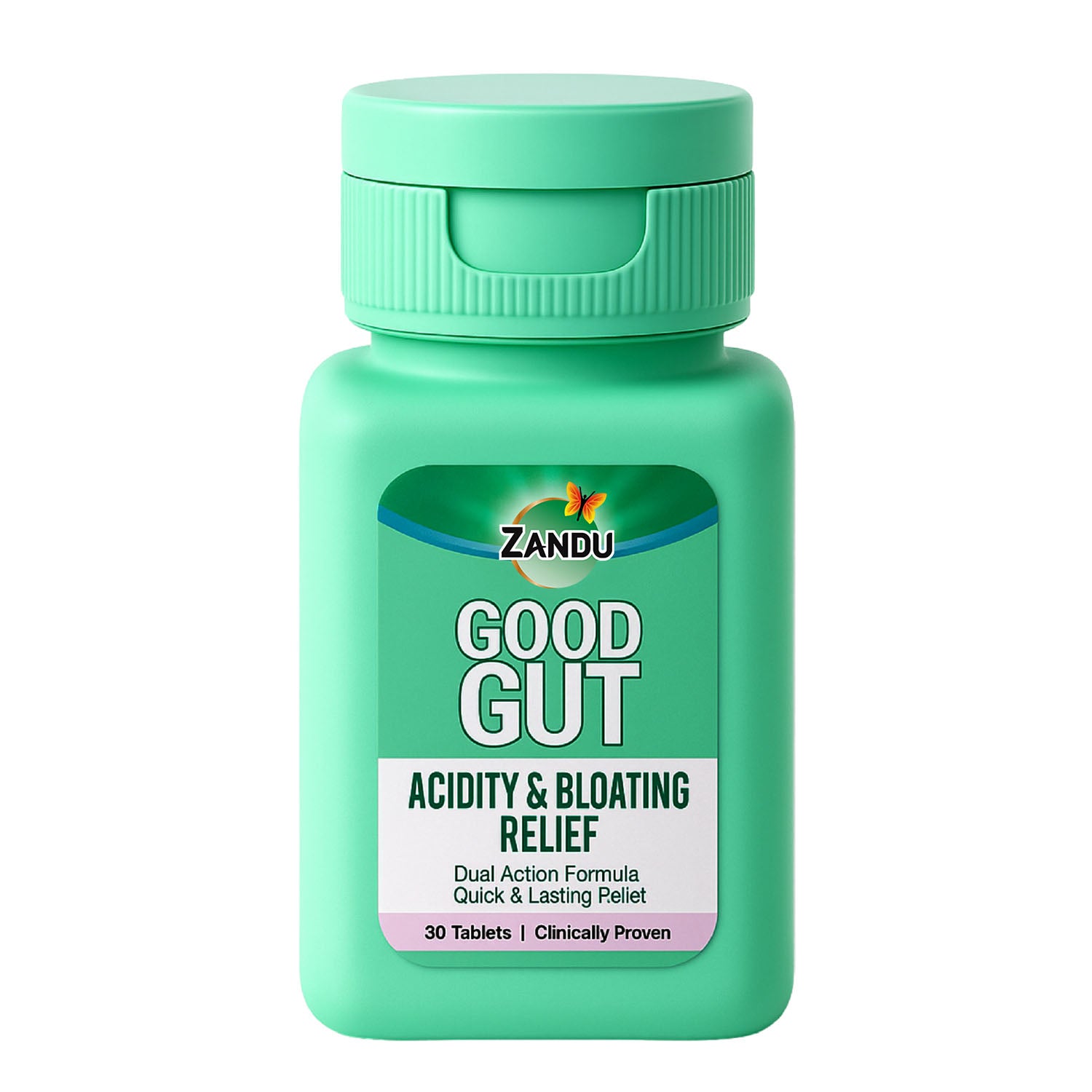
Also, when acidity is mixed with gas and bloating, some people discuss an Ayurvedic option like Acidity & Bloating Tabs as part of a guided routine. It is usually safer to take professional advice before adding any tablet, especially if you take other medicines or your night symptoms are frequent.
When to Seek Medical Care
Home diet changes are a good first step, but some symptoms should not be ignored.
Please seek medical care if you have:
- Trouble swallowing or food feeling stuck
- Vomiting blood or black stools
- Severe chest pain or serious breathing difficulty
- Unexplained weight loss or strong weakness
- Symptoms that keep worsening even after diet and timing changes
Conclusion
Choosing the right acid reflux foods to eat is mostly about keeping meals warm, simple, and mildly spiced, and avoiding heavy pairings that irritate the throat or overload the stomach. A steady routine, especially a lighter dinner and calmer night habits, can support an acid reflux diet better than a strict food fear. Use the food chart to make quick choices, test your personal triggers calmly, and seek help if symptoms keep repeating or feel worrying.
References
1.Management of Nighttime Gastroesophageal Reflux Disease https://pmc.ncbi.nlm.nih.gov/

Written by

Zanducare
India’s trusted name in Ayurvedic wellness, offering time-tested solutions for today’s health and lifestyle needs. With formulations rooted in classical Ayurvedic texts and crafted using pure natural ingredients, we bring holistic care into your everyday routine.
Research by




Leave a comment
This site is protected by hCaptcha and the hCaptcha Privacy Policy and Terms of Service apply.