Skip to content

Cart

Your cart is empty

Article: Importance of a Healthy Liver: Why It is the Unsung Hero?

Importance of a Healthy Liver: Why It is the Unsung Hero?

Importance of a Healthy Liver: Why It is the Unsung Hero?

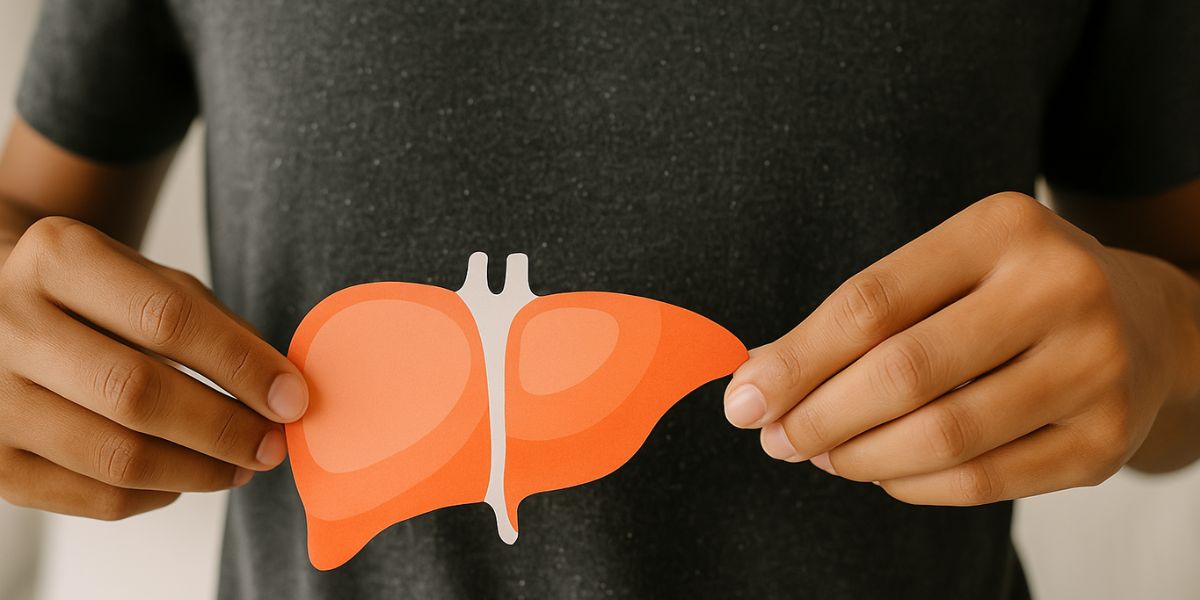
Your liver is one of the hardest-working organs in your body, yet it rarely gets the attention it deserves. Tucked away in your upper right abdomen, this vital organ quietly performs hundreds of tasks to keep you healthy. From cleaning your blood to helping you digest food, the liver is like a behind-the-scenes hero. 

Most people only think about their liver when something goes wrong, but understanding its amazing role can inspire you to take better care of it. This article explains why your liver is so important, using simple language anyone can understand.


What is the Liver, and Where is It?

The liver is a large, reddish-brown organ that sits on the right side of your belly, just under your ribs. It’s about the size of a football and weighs around three pounds in adults. Despite its size, it’s often overlooked because it works silently, without causing pain or noticeable signs unless something is seriously wrong. The liver is unique because it can repair itself, even after damage, but it still needs care to stay healthy.

Important Functions Performed by the Liver

Your liver is like a multitasking superhero, handling over 500 different functions. Here are some of its most important roles:

1. Cleaning your blood

Every day, your liver acts like a filter, cleaning your blood by removing harmful substances. These include toxins from food, alcohol, medicines, or pollution. The liver breaks them down into safer forms so your body can get rid of them through urine or stool. Without this detox process, toxins could build up and make you sick.

2. Helping you digest food

The liver produces bile, a greenish liquid that helps break down fats in the food you eat. Bile is stored in the gallbladder and released into your intestines when you eat fatty foods, like pizza or butter. This makes it easier for your body to absorb nutrients. Without bile, you’d have trouble digesting fats and might feel bloated or sick.

3. Storing energy

Your liver is like a battery, storing extra energy for when you need it. After you eat, it turns extra sugar (glucose) into glycogen and keeps it ready for later. When you’re active or haven’t eaten in a while, the liver releases this stored energy to keep your blood sugar steady. This helps you stay energised and prevents dizziness or weakness.

4. Making proteins

Your liver creates essential proteins that your body needs to function. For example:

  • Albumin: Keeps fluid balanced in your blood so you don’t swell up.
  • Clotting proteins: Help your blood clot to stop bleeding when you get a cut.
  • Immune proteins: Support your immune system to fight infections.
    These proteins are essential for keeping your body strong and healthy.

5. Processing nutrients

The liver processes proteins, fats, and carbohydrates from your food, turning them into forms your body can use. For example, it breaks down proteins into amino acids, which are used to build muscles and repair tissues. It also helps regulate cholesterol levels, ensuring your body has the right balance.

6. Managing waste

When your body breaks down proteins, it creates a toxic waste product called ammonia. The liver converts ammonia into urea, which is safer and is removed by your kidneys through urine. This process prevents harmful substances from building up in your blood.

Unlike your heart, which you can feel beating, or your lungs, which you notice when you breathe, the liver works quietly. You don’t feel it doing its job, and it doesn’t complain unless it’s badly damaged. This makes it easy to take for granted. But without a healthy liver, your body couldn’t survive for long. Its ability to handle so many tasks without fanfare is why it’s truly an unsung hero.

Note: Your liver performs critical functions—from detoxification to hormone regulation—making its health essential to your well-being. Incorporating specific herbs into your routine can provide natural support and enhanced protection. Discover the best herbs for promoting a healthy liver.

Common Health Issues Faced by the Liver

Even though the liver is tough, it can face problems if not cared for. Here are some issues that can affect it:

1. Fatty liver disease

This happens when too much fat builds up in the liver. It’s often linked to eating too much sugar, being overweight, or drinking too much alcohol. Fatty liver can lead to inflammation and, over time, severe damage if not addressed.

2. Hepatitis

Hepatitis is inflammation of the liver, usually caused by viruses (like hepatitis A, B, or C), alcohol, or certain medicines. It can cause tiredness, yellow skin (jaundice), and liver damage if untreated.

3. Cirrhosis

Cirrhosis is scarring of the liver caused by long-term damage, often from alcohol, hepatitis, or fatty liver disease. Scarred tissue can’t work correctly, which affects the liver’s ability to do its job.

4. Liver cancer

In rare cases, liver damage can lead to cancer. This is more likely in people with cirrhosis or chronic hepatitis. Early detection is key to treating it.


Some Early Signs That Your Liver Needs Help

The liver is good at hiding problems, but there are signs that something might be wrong. Watch for:

  • Yellow skin or eyes (jaundice): This happens when the liver can’t process bilirubin, a waste product.
  • Dark urine: Could mean the liver isn’t filtering waste properly.
  • Swelling in the belly or legs: Fluid buildup can occur if the liver isn’t making enough proteins.
  • Constant tiredness: A struggling liver can leave you feeling drained.
  • Pain in the upper right belly: Where the liver is located.
  • Nausea or loss of appetite: Trouble processing nutrients can cause this.
    If you notice these symptoms, see a doctor to check your liver health.

How to Keep Your Liver Healthy?

The good news is that you can support your liver with simple habits. Here’s how:

1. Eat a balanced diet

Bowl full of salad

Food Category

Examples of Foods

Benefits for Liver Health

Fruits & Vegetables

Spinach, Broccoli, Carrots, Berries, Apples, Beets

High in antioxidants like vitamin C and beta-carotene that protect liver cells from damage.

Whole Grains

Oats, Brown Rice, Quinoa, Barley, Whole Wheat Bread

Provide fibre and slow-digesting carbs that help regulate blood sugar and reduce liver fat.

Lean Proteins

Chicken breast, Fish (like salmon), Lentils, Beans, Tofu

Support tissue repair and liver enzyme production without adding saturated fats.

Healthy Fats

Avocados, Almonds, Walnuts, Olive Oil, Chia Seeds

Contain anti-inflammatory omega-3s and vitamin E that protect against fatty liver disease.

Foods to Limit

Soft drinks, Cakes, French fries, Chips, processed meats

High sugar and trans fats cause fat buildup in the liver, leading to non-alcoholic fatty liver.

2. Limit alcohol

Alcohol is one of the liver’s biggest enemies. Drinking too much can cause fatty liver, hepatitis, or cirrhosis. Stick to moderate drinking—up to one drink a day for women and two for men—or avoid alcohol altogether for the best liver health.

3. Stay active

men doing workout with dumble

Exercise helps prevent fat buildup in the liver and keeps your weight in check. Aim for at least 30 minutes of activity, like walking, cycling, or dancing, most days of the week. Even small movements add up.

4. Stay hydrated

Drinking enough water helps your liver flush out toxins and waste. Aim for 8–10 glasses a day, or more if you’re active. Water also supports digestion, which eases the liver’s workload.

5. Avoid overusing medicines

Some medicines, like painkillers or antibiotics, can harm the liver if taken too often. Always follow your doctor’s instructions and avoid taking unnecessary drugs. Be cautious with supplements, too, as some can stress the liver.

6. Get vaccinated

Vaccines for hepatitis A and B can protect your liver from viral infections. Talk to your doctor about getting these shots, especially if you travel or work in high-risk areas.

7. Maintain a healthy weight

Being overweight increases the risk of fatty liver disease. Losing even 5–10% of your body weight can make a big difference. Focus on gradual changes, like eating smaller portions and moving more.

8. Get regular checkups

Blood tests can check your liver function and catch problems early. If you have risk factors like diabetes or a family history of liver disease, ask your doctor about regular liver screenings.

If you’re looking to support your liver naturally, Ayurveda offers time-tested solutions that work in harmony with your body. Our curated range of Ayurvedic liver tablets and herbal formulations is designed to help detoxify, rejuvenate, and strengthen liver function using the power of nature. Please explore our complete collection of Ayurvedic liver medicines to give your liver the care it truly deserves.

Myths About the Liver

There are some misunderstandings about the liver. Let’s clear them up:

Myth

Fact

You’ll know right away if your liver is unhealthy.

Liver problems often have no symptoms until severe damage occurs.

Only alcohol harms the liver.

Poor diet, obesity, and certain medicines can also cause damage.

Liver “cleanses” or detox diets are necessary

A healthy liver cleanses itself. Focus on a balanced diet instead of trendy detoxes.

Liver damage can’t be reversed.

The liver can often heal if damage is caught early and lifestyle changes are made.

7 Foods That Are Loved by Your Liver

Some foods are especially good for liver health. Try adding these to your diet:

  • Coffee: Studies show coffee can protect the liver from disease, even in small amounts.
  • Green tea: Rich in antioxidants that reduce liver inflammation.
  • Garlic: May help reduce fat in the liver.
  • Berries: Blueberries and cranberries have compounds that protect liver cells.
  • Leafy greens: Spinach and kale support detoxification.
  • Nuts: Walnuts, in particular, may improve liver function.
  • Fatty fish: Salmon or mackerel provide omega-3s that reduce liver fat.

Conclusion

Your liver is a true unsung hero, quietly handling countless tasks to keep you alive and well. From cleaning your blood to storing energy, it works tirelessly without asking for praise. By eating a balanced diet, staying active, limiting alcohol, and getting regular checkups, you can support this amazing organ. 

Don’t wait for symptoms to show up—start caring for your liver today. Small changes can make a big difference in keeping it healthy for life. Appreciate your liver’s hard work, and it will continue to be the silent hero of your health.

FAQs

1. Why is the liver so important to the human body?

The liver is vital because it filters blood, removes toxins, produces bile to help digest food, stores nutrients and energy, and performs many other essential functions to keep the body operating properly.

2. Why is the liver so powerful?

The liver is a powerful organ because it can regenerate and heal itself even if large portions are damaged. It performs over 500 vital functions. The liver also filters and processes everything we eat, drink, breathe, or absorb before nutrients reach the rest of the body.

3. Can beer cause liver damage?

Yes, regular or excessive alcohol consumption, including beer, can lead to liver damage like fatty liver disease and cirrhosis over time. Alcohol causes inflammation and scarring.

4. How to reduce fatty liver in 14 days?

To reduce fatty liver, avoid alcohol, drink lots of water, follow a healthy diet low in fat/sugar/processed carbs, exercise regularly, take liver-supporting supplements like milk thistle or turmeric curcumin, and consider intermittent fasting. This may help reverse fatty liver in as little as 2 weeks.

5. Is a cucumber good for the liver?

Yes, cucumbers are a good food for the liver because they are high in water content and contain antioxidants and anti-inflammatory compounds. Staying hydrated also helps the liver function better. Other liver-friendly foods include garlic, grapefruit, green tea, avocado, nuts, and olive oil.

References

  1. Hepatitis is inflammation of the liver, usually caused by viruses (like hepatitis A, B, or C), alcohol, or certain medicines. (https://www.researchgate.net/)
  2. Drinking too much can cause fatty liver, hepatitis, or cirrhosis. (https://www.sciencedirect.com/)
  3. Your liver is like a multitasking superhero, handling over 500 different functions. (https://www.researchgate.net/)

Your liver is one of the hardest-working organs in your body, yet it rarely gets the attention it deserves. Tucked away in your upper right abdomen, this vital organ quietly performs hundreds of tasks to keep you healthy. From cleaning your blood to helping you digest food, the liver is like a behind-the-scenes hero. 

Most people only think about their liver when something goes wrong, but understanding its amazing role can inspire you to take better care of it. This article explains why your liver is so important, using simple language anyone can understand.


What is the Liver, and Where is It?

The liver is a large, reddish-brown organ that sits on the right side of your belly, just under your ribs. It’s about the size of a football and weighs around three pounds in adults. Despite its size, it’s often overlooked because it works silently, without causing pain or noticeable signs unless something is seriously wrong. The liver is unique because it can repair itself, even after damage, but it still needs care to stay healthy.

Important Functions Performed by the Liver

Your liver is like a multitasking superhero, handling over 500 different functions. Here are some of its most important roles:

1. Cleaning your blood

Every day, your liver acts like a filter, cleaning your blood by removing harmful substances. These include toxins from food, alcohol, medicines, or pollution. The liver breaks them down into safer forms so your body can get rid of them through urine or stool. Without this detox process, toxins could build up and make you sick.

2. Helping you digest food

The liver produces bile, a greenish liquid that helps break down fats in the food you eat. Bile is stored in the gallbladder and released into your intestines when you eat fatty foods, like pizza or butter. This makes it easier for your body to absorb nutrients. Without bile, you’d have trouble digesting fats and might feel bloated or sick.

3. Storing energy

Your liver is like a battery, storing extra energy for when you need it. After you eat, it turns extra sugar (glucose) into glycogen and keeps it ready for later. When you’re active or haven’t eaten in a while, the liver releases this stored energy to keep your blood sugar steady. This helps you stay energised and prevents dizziness or weakness.

4. Making proteins

Your liver creates essential proteins that your body needs to function. For example:

  • Albumin: Keeps fluid balanced in your blood so you don’t swell up.
  • Clotting proteins: Help your blood clot to stop bleeding when you get a cut.
  • Immune proteins: Support your immune system to fight infections.
    These proteins are essential for keeping your body strong and healthy.

5. Processing nutrients

The liver processes proteins, fats, and carbohydrates from your food, turning them into forms your body can use. For example, it breaks down proteins into amino acids, which are used to build muscles and repair tissues. It also helps regulate cholesterol levels, ensuring your body has the right balance.

6. Managing waste

When your body breaks down proteins, it creates a toxic waste product called ammonia. The liver converts ammonia into urea, which is safer and is removed by your kidneys through urine. This process prevents harmful substances from building up in your blood.

Unlike your heart, which you can feel beating, or your lungs, which you notice when you breathe, the liver works quietly. You don’t feel it doing its job, and it doesn’t complain unless it’s badly damaged. This makes it easy to take for granted. But without a healthy liver, your body couldn’t survive for long. Its ability to handle so many tasks without fanfare is why it’s truly an unsung hero.

Note: Your liver performs critical functions—from detoxification to hormone regulation—making its health essential to your well-being. Incorporating specific herbs into your routine can provide natural support and enhanced protection. Discover the best herbs for promoting a healthy liver.

Common Health Issues Faced by the Liver

Even though the liver is tough, it can face problems if not cared for. Here are some issues that can affect it:

1. Fatty liver disease

This happens when too much fat builds up in the liver. It’s often linked to eating too much sugar, being overweight, or drinking too much alcohol. Fatty liver can lead to inflammation and, over time, severe damage if not addressed.

2. Hepatitis

Hepatitis is inflammation of the liver, usually caused by viruses (like hepatitis A, B, or C), alcohol, or certain medicines. It can cause tiredness, yellow skin (jaundice), and liver damage if untreated.

3. Cirrhosis

Cirrhosis is scarring of the liver caused by long-term damage, often from alcohol, hepatitis, or fatty liver disease. Scarred tissue can’t work correctly, which affects the liver’s ability to do its job.

4. Liver cancer

In rare cases, liver damage can lead to cancer. This is more likely in people with cirrhosis or chronic hepatitis. Early detection is key to treating it.


Some Early Signs That Your Liver Needs Help

The liver is good at hiding problems, but there are signs that something might be wrong. Watch for:

  • Yellow skin or eyes (jaundice): This happens when the liver can’t process bilirubin, a waste product.
  • Dark urine: Could mean the liver isn’t filtering waste properly.
  • Swelling in the belly or legs: Fluid buildup can occur if the liver isn’t making enough proteins.
  • Constant tiredness: A struggling liver can leave you feeling drained.
  • Pain in the upper right belly: Where the liver is located.
  • Nausea or loss of appetite: Trouble processing nutrients can cause this.
    If you notice these symptoms, see a doctor to check your liver health.

How to Keep Your Liver Healthy?

The good news is that you can support your liver with simple habits. Here’s how:

1. Eat a balanced diet

Bowl full of salad

Food Category

Examples of Foods

Benefits for Liver Health

Fruits & Vegetables

Spinach, Broccoli, Carrots, Berries, Apples, Beets

High in antioxidants like vitamin C and beta-carotene that protect liver cells from damage.

Whole Grains

Oats, Brown Rice, Quinoa, Barley, Whole Wheat Bread

Provide fibre and slow-digesting carbs that help regulate blood sugar and reduce liver fat.

Lean Proteins

Chicken breast, Fish (like salmon), Lentils, Beans, Tofu

Support tissue repair and liver enzyme production without adding saturated fats.

Healthy Fats

Avocados, Almonds, Walnuts, Olive Oil, Chia Seeds

Contain anti-inflammatory omega-3s and vitamin E that protect against fatty liver disease.

Foods to Limit

Soft drinks, Cakes, French fries, Chips, processed meats

High sugar and trans fats cause fat buildup in the liver, leading to non-alcoholic fatty liver.

2. Limit alcohol

Alcohol is one of the liver’s biggest enemies. Drinking too much can cause fatty liver, hepatitis, or cirrhosis. Stick to moderate drinking—up to one drink a day for women and two for men—or avoid alcohol altogether for the best liver health.

3. Stay active

men doing workout with dumble

Exercise helps prevent fat buildup in the liver and keeps your weight in check. Aim for at least 30 minutes of activity, like walking, cycling, or dancing, most days of the week. Even small movements add up.

4. Stay hydrated

Drinking enough water helps your liver flush out toxins and waste. Aim for 8–10 glasses a day, or more if you’re active. Water also supports digestion, which eases the liver’s workload.

5. Avoid overusing medicines

Some medicines, like painkillers or antibiotics, can harm the liver if taken too often. Always follow your doctor’s instructions and avoid taking unnecessary drugs. Be cautious with supplements, too, as some can stress the liver.

6. Get vaccinated

Vaccines for hepatitis A and B can protect your liver from viral infections. Talk to your doctor about getting these shots, especially if you travel or work in high-risk areas.

7. Maintain a healthy weight

Being overweight increases the risk of fatty liver disease. Losing even 5–10% of your body weight can make a big difference. Focus on gradual changes, like eating smaller portions and moving more.

8. Get regular checkups

Blood tests can check your liver function and catch problems early. If you have risk factors like diabetes or a family history of liver disease, ask your doctor about regular liver screenings.

If you’re looking to support your liver naturally, Ayurveda offers time-tested solutions that work in harmony with your body. Our curated range of Ayurvedic liver tablets and herbal formulations is designed to help detoxify, rejuvenate, and strengthen liver function using the power of nature. Please explore our complete collection of Ayurvedic liver medicines to give your liver the care it truly deserves.

Myths About the Liver

There are some misunderstandings about the liver. Let’s clear them up:

Myth

Fact

You’ll know right away if your liver is unhealthy.

Liver problems often have no symptoms until severe damage occurs.

Only alcohol harms the liver.

Poor diet, obesity, and certain medicines can also cause damage.

Liver “cleanses” or detox diets are necessary

A healthy liver cleanses itself. Focus on a balanced diet instead of trendy detoxes.

Liver damage can’t be reversed.

The liver can often heal if damage is caught early and lifestyle changes are made.

7 Foods That Are Loved by Your Liver

Some foods are especially good for liver health. Try adding these to your diet:

  • Coffee: Studies show coffee can protect the liver from disease, even in small amounts.
  • Green tea: Rich in antioxidants that reduce liver inflammation.
  • Garlic: May help reduce fat in the liver.
  • Berries: Blueberries and cranberries have compounds that protect liver cells.
  • Leafy greens: Spinach and kale support detoxification.
  • Nuts: Walnuts, in particular, may improve liver function.
  • Fatty fish: Salmon or mackerel provide omega-3s that reduce liver fat.

Conclusion

Your liver is a true unsung hero, quietly handling countless tasks to keep you alive and well. From cleaning your blood to storing energy, it works tirelessly without asking for praise. By eating a balanced diet, staying active, limiting alcohol, and getting regular checkups, you can support this amazing organ. 

Don’t wait for symptoms to show up—start caring for your liver today. Small changes can make a big difference in keeping it healthy for life. Appreciate your liver’s hard work, and it will continue to be the silent hero of your health.

FAQs

1. Why is the liver so important to the human body?

The liver is vital because it filters blood, removes toxins, produces bile to help digest food, stores nutrients and energy, and performs many other essential functions to keep the body operating properly.

2. Why is the liver so powerful?

The liver is a powerful organ because it can regenerate and heal itself even if large portions are damaged. It performs over 500 vital functions. The liver also filters and processes everything we eat, drink, breathe, or absorb before nutrients reach the rest of the body.

3. Can beer cause liver damage?

Yes, regular or excessive alcohol consumption, including beer, can lead to liver damage like fatty liver disease and cirrhosis over time. Alcohol causes inflammation and scarring.

4. How to reduce fatty liver in 14 days?

To reduce fatty liver, avoid alcohol, drink lots of water, follow a healthy diet low in fat/sugar/processed carbs, exercise regularly, take liver-supporting supplements like milk thistle or turmeric curcumin, and consider intermittent fasting. This may help reverse fatty liver in as little as 2 weeks.

5. Is a cucumber good for the liver?

Yes, cucumbers are a good food for the liver because they are high in water content and contain antioxidants and anti-inflammatory compounds. Staying hydrated also helps the liver function better. Other liver-friendly foods include garlic, grapefruit, green tea, avocado, nuts, and olive oil.

References

  1. Hepatitis is inflammation of the liver, usually caused by viruses (like hepatitis A, B, or C), alcohol, or certain medicines. (https://www.researchgate.net/)
  2. Drinking too much can cause fatty liver, hepatitis, or cirrhosis. (https://www.sciencedirect.com/)
  3. Your liver is like a multitasking superhero, handling over 500 different functions. (https://www.researchgate.net/)

Related Articles

How to Reduce High Cortisol Naturally

9 Best Ways to Reduce High Cortisol Levels Naturally

Do you feel like your muscles are not growing even after working hard? The reason can be high cortisol, a stress hormone that stops your gains. When cortisol is high, you feel tired, gain belly fat...

Read more
6 Everyday Habits That Harm Your Liver & Ayurvedic Tips to Fix

6 Everyday Habits That Harm Your Liver & Ayurvedic Tips to Fix

In our fast-paced lives, we often overlook one of the most essential organs in our body — the liver. While most people think it's only alcohol that damages the liver, the truth is, your everyday ha...

Read more