






9 Best Ways to Reduce High Cortisol Levels Naturally
Do you feel like your muscles are not growing even after working hard? The reason can be high cortisol, a stress hormone that stops your gains. When cortisol is high, you feel tired, gain belly fat, and lose muscle, even if you eat well and exercise.
But don’t worry! You don’t need medicines or big changes. There are easy and natural ways to lower cortisol and help your muscles grow. Want to know how? Keep reading, and I’ll tell you simple steps to fix this problem and get better results.
List of Ways to Reduce High Cortisol Levels Naturally
Here are some of the natural solutions to control your cortisol and start building more lean muscle mass:
1. Adopt an Anabolic Diet

What you eat impacts cortisol as much as how you train. Spikes in blood sugar from high glycemic carbs trigger excess cortisol release, which burns through muscle tissue for fuel.
Refined sugars and grains also reduce testosterone production and inflame tissue, leading to delayed workout recovery.
- Follow a nutritious meal plan filled with whole foods that stabilise blood glucose levels. Load up on low glycemic vegetables, high fibre fruits, healthy fats and lean proteins.
- Time carb intake strategically around workouts when insulin sensitivity is higher to shuttle nutrients into muscles. Limit added sugar intake, which has no anabolic benefit.
2. Optimise Sleep Habits

Inadequate or poor quality sleep disrupts hormonal balance. Just one night of reduced sleep is enough to raise cortisol significantly. Without sufficient rest, muscles don’t properly repair and grow.
- Get at least 7-8 hours of sleep per night to allow optimal testosterone production and muscle-building recovery.
- Develop consistent pre-bedtime relaxation techniques like meditation, reading or yoga to lower stress hormone levels upon waking.
- Avoid screen time and large meals too close to bed for deeper regenerative sleep cycles.
3. Incorporate Stress Management

The demands of work, school and family all keep cortisol levels elevated, which eats away at precious muscle tissues. Finding healthy stress relief is key to cortisol control.
- Build in daily mindfulness practices like breathwork, nature walks, or music breaks to calm the mind and body.
- Identify and limit unnecessary stressors that spike anxiety and blood pressure throughout your day.
- Lean on your social support system and don’t take on too much at once to prevent burnout.
4. Exercise the Right Way
Exercise causes a short-term cortisol increase, which can be beneficial. However, overtraining sends it spiralling upwards for lengthy periods, which suppresses muscle protein synthesis and testosterone.
- Follow sensible training loads that avoid functional overreaching and allow for adequate recovery between sessions.
- Incorporate both heavy strength workouts with higher volume hypertrophy training based on your phase of programming.
- Listen to your body and take needed rest days when feeling excessive fatigue or soreness building up.
5. Consider Adaptogenic Herbs
For centuries, herbalists have used adaptogenic compounds to regulate cortisol levels safely and naturally. These herbs buffer the impacts that physical and emotional stress have on the body and mind. Well-studied adaptogens for cortisol control include:
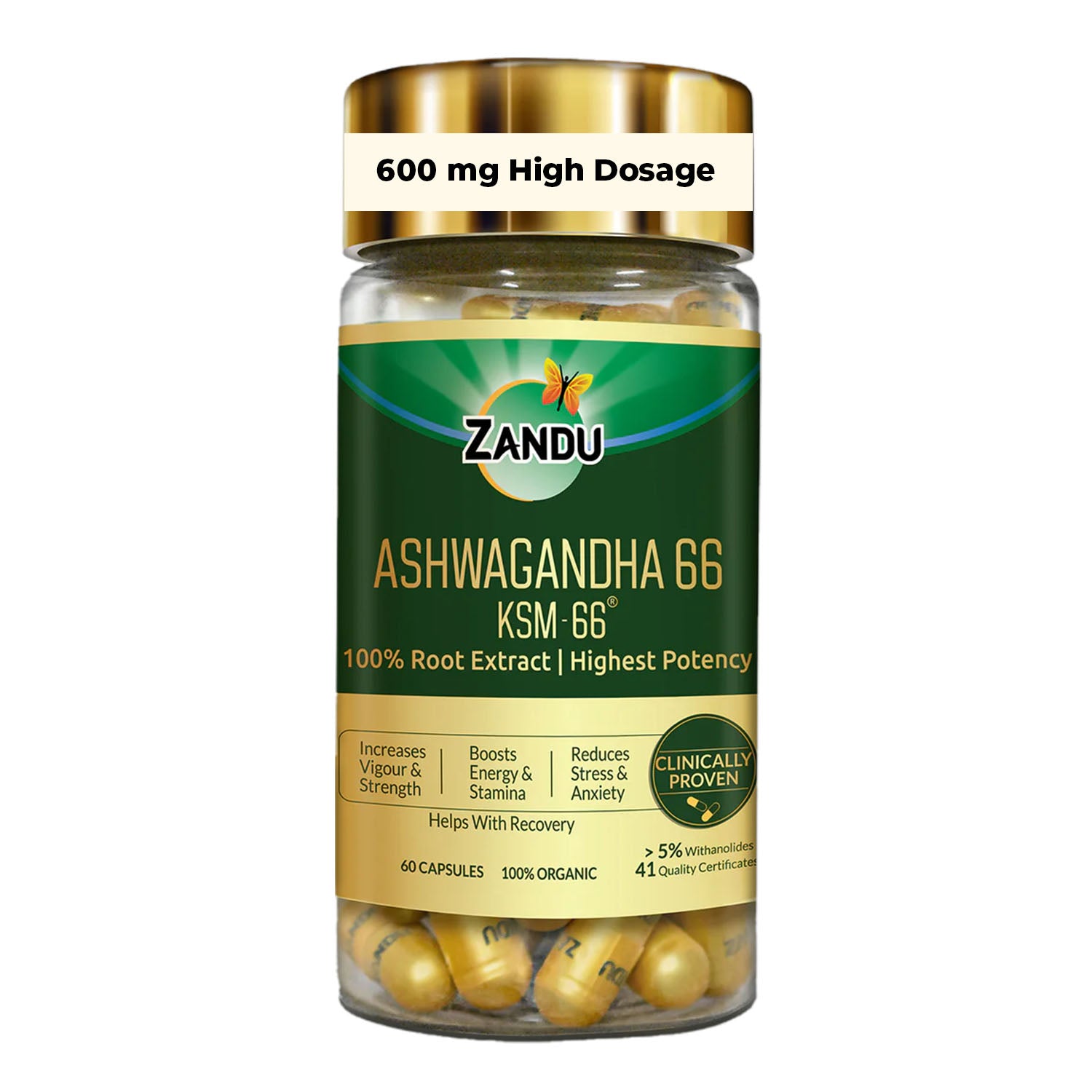
- Ashwagandha Supplements: Shown to lower cortisol by over 20% over 2-3 months. It may also support muscle recovery.
- Rhodiola rosea: Reduces fatigue from stressful training while decreasing cortisol.
- Panax ginseng: Boosts cellular energy and curtails spikes in cortisol following workouts.
Note: Addressing high cortisol is just one part of the picture. To get the full benefits of stress regulation, especially if you're working out regularly, it’s important to see why stress relief should be an essential part of any fitness plan.
6. Increase Magnesium Intake
Many lifters are deficient in this essential mineral that plays a vital role in muscle contraction and reducing systemic inflammation. Low magnesium upregulates cortisol-releasing stress pathways.
- Consume more magnesium-rich foods like spinach, almonds, avocado, black beans and dark chocolate.
- Consider a high-absorption magnesium supplement to restore healthy levels efficiently.
- Optimise vitamin D levels as well, since deficiency undermines magnesium absorption and utilisation.
7. Experiment with CBD Oil
This non-psychoactive cannabis compound regulates neurotransmitter balance to reduce feelings of stress and anxiety, which drive up cortisol.
- Take 25-50mg servings daily either sublingually or mixed into post-training shakes for maximum anti-catabolic benefit.
- It may also decrease workout inflammation, allowing for faster between-session recovery.
8. Have fun and laugh

Laughter is a simple yet powerful way to help reduce cortisol and stress. Both genuine and intentional laughter lead to positive impacts like:
Laughing signals your body to release endorphins while decreasing hormones like cortisol that contribute to stress. Over time, activities like laughing yoga can reduce your overall cortisol levels.
Engaging in hobbies you enjoy also helps decrease stress and improve well-being. When you’re focused on an activity you find fun and meaningful, your mind shifts away from stressful thoughts. This gives your body a chance to relax and reset, which brings cortisol levels back to normal ranges.
Some stress-relieving hobbies to try include:
- Gardening: Being in nature and working with plants has a calming effect.
- Listening to music: Make a playlist with songs that make you happy and lift your mood.
- Dancing: Moving your body to music promotes endorphin release.
Cultivating more laughter and making time for hobbies are easy, enjoyable ways to manage high cortisol. By tapping into these simple activities, you give your mind and body an opportunity to recharge from stressful demands.
9. Maintain a healthy relationship
Supportive relationships help keep cortisol in check when life gets stressful.
Conflict with a partner temporarily spikes cortisol before it returns to normal. Practising empathy, mindfulness, and compassion helps this happen faster, so stress hormones don’t stay elevated.
Receiving affection before stressful situations also limits the cortisol response. Hugging or kind words from a loved one signal safety to your body, so you feel calmer and less anxious when demands arise.
Cultivating close bonds eases daily stresses as well. Turning to others for support and comfort releases oxytocin, the “love hormone”, while controlling fight-or-flight cortisol.
- Confide in trusted friends and family when you feel overwhelmed.
- Make time to nurture relationships through shared activities you enjoy.
Investing in meaningful connections provides ongoing support that helps cushion stresses when they occur. With people you can count on during difficult times, cortisol spikes won’t last as long or as severely.
9. Get a pet
Having a pet, especially a dog, can help reduce stress. A study looked at stress levels in 101 children using saliva samples.
The children had to do difficult school-like tests that caused stress. Before the tests:
- Some children waited with their parents and a dog.
- Some waited with only their parent.
- Some waited alone.
The saliva was tested to measure the stress hormone cortisol.
The results showed:
Cortisol levels rose less when children had their dog with them compared to those who waited with only their parent or alone.
Overall, being with their pet dog reduced how much stress the children felt from the difficult tests. The study indicates pets, especially dogs, can lower stress in children.
Note: While managing cortisol is crucial for overall well-being, it also plays a major role in physical fitness. Learn more about the relationship between cortisol and muscle loss, especially if you're actively working on strength or endurance.
Conclusion
By following these proven cortisol-controlling steps and using natural compounds, you can start optimising your hormonal environment for more efficient muscle building again. Pay close attention to your nutrition, recovery habits, training stress levels and supplement regimen to keep catabolic cortisol under control for good.
FAQs
1. How do you get rid of high cortisol weight gain?
Manage stress with meditation or yoga, exercise moderately, and eat a balanced diet with vegetables and lean proteins. Get 7-8 hours of sleep to balance hormones and reduce belly fat.
2. Can you fix cortisol levels naturally?
Yes, reduce stress with mindfulness, sleep well, and eat healthy foods like greens and nuts. Moderate exercise and limiting caffeine also help balance cortisol naturally.
3. What burns cortisol fat?
Cardio and strength training burn cortisol-related belly fat, while stress reduction and a high-fibre diet help. Good sleep prevents cortisol spikes and supports fat loss.
4. What should I eat if my cortisol is high?
Eat fruits, vegetables, whole grains, and lean proteins like chicken or fish to lower cortisol. Avoid sugary and processed foods to prevent cortisol spikes.
5. What to drink to reduce cortisol?
Drink water, herbal teas like chamomile, or lemon water to stay hydrated and calm. Avoid sugary drinks and limit coffee to prevent cortisol increases.
References:
- Gardening: Being in nature and working with plants has a calming effect (https://pmc.ncbi.nlm.nih.gov)
- Listening to music: Make a playlist with songs that make you happy and lift your mood. (https://pmc.ncbi.nlm.nih.gov/)
- Having a pet, especially a dog, can help reduce stress. A study looked at stress levels in 101 children using saliva samples. (https://pmc.ncbi.nlm.nih.gov/)

Written by

Zanducare
India’s trusted name in Ayurvedic wellness, offering time-tested solutions for today’s health and lifestyle needs. With formulations rooted in classical Ayurvedic texts and crafted using pure natural ingredients, we bring holistic care into your everyday routine.
Research by




Leave a comment
This site is protected by hCaptcha and the hCaptcha Privacy Policy and Terms of Service apply.