







Stress in Women: Symptoms, Health Effects & 8 Relief Tips
Stress is a part of life, but for women, it can hit harder and cause hidden health issues. From hormonal imbalances to weakened immunity, stress affects women’s bodies in unique ways. Unlike men, women face additional challenges due to menstrual cycles, pregnancy, or menopause, which can worsen. Left unchecked, it can lead to serious problems like anxiety, heart issues, or weight gain.
This article explains the hidden side effects of stress on women’s health, backed by studies. It offers simple, practical ways to protect your body and mind while managing daily pressures effectively.
Understanding Stress in Women

Stress is the body’s response to challenges, like work deadlines, family responsibilities, or financial worries. For women, stress can be more complex due to hormonal changes during menstruation, pregnancy, or menopause.
These changes make women more sensitive to stress, affecting both physical and mental health.
A 2010 study in the Journal of Psychosomatic Research found women are more likely to experience stress-related symptoms like fatigue and anxiety due to hormonal fluctuations.
Chronic stress triggers the release of cortisol, a stress hormone, which, when elevated for long periods, can disrupt body functions and lead to serious health issues.
Symptoms of Stress in Women
Stress affects everyone differently, but women may notice sure signs when they’re feeling overwhelmed. These signs can show up in your emotions, thoughts, or body. Here’s a simple breakdown of what to look out for, explained in easy-to-understand words.
Emotional Signs

Stress can make you feel all sorts of emotions that might be hard to handle. Some common ones include:
- Feeling Anxious or Worried: You might feel nervous or scared about things more than usual.
- Feeling Overwhelmed: It can seem like everything is too much, and you can’t keep up.
- Mood Swings: Your emotions might go up and down, making you feel happy one moment and upset the next.
- Getting Irritable or Angry: Small things might annoy you or make you snap easily.
- Feeling Sad or Down: You might feel low, cry more often, or even feel depressed.
- Less Interest in Intimacy: Stress can lower your desire for closeness or physical connection.
Thinking and Memory Signs
Stress doesn’t just affect your feelings—it can mess with your mind too. You might notice:
- Racing Thoughts: Your mind feels like it’s running nonstop, making it hard to relax.
- Trouble Focusing: It’s tough to concentrate on tasks, like work or even a conversation.
- Forgetting Things: You might forget small details or where you kept things.
- Struggling to Make Choices: Deciding even simple things, like what to eat, can feel hard.
- Negative Thoughts: You might keep thinking bad things or get stuck on the same worries over and over.
Physical Signs

Your body can also show signs of stress, and these can feel uncomfortable. Some common ones are:
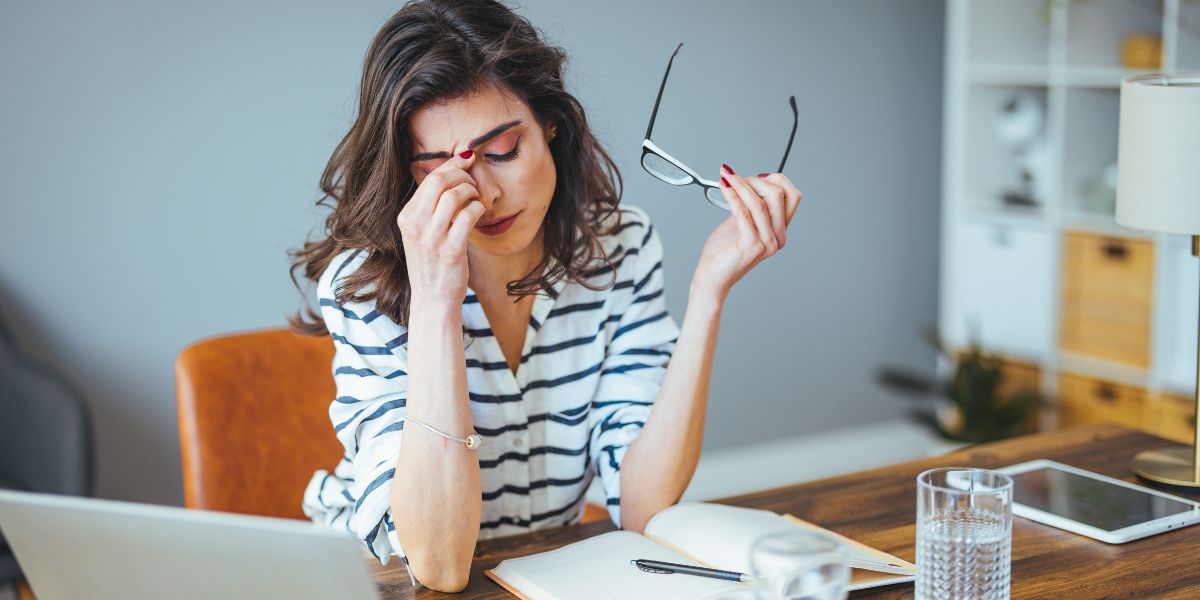
- Tight Muscles or Headaches: Your shoulders, neck, or head might ache from tension.
- Feeling Tired All the Time: You might feel drained or have no energy, even after resting.
- Sleep Problems: You might struggle to fall asleep, wake up often, or sleep too much.
- Appetite Changes: You could eat a lot more than usual or not feel like eating at all.
- Stomach Issues: Stress can cause tummy aches, nausea, or other digestive problems.
- Getting Sick Often: Stress can weaken your body’s defenses, so you might catch colds or infections more easily.
- Higher Blood Pressure: Stress can make your heart work harder, raising your blood pressure.
- Menstrual Changes: Your periods might become irregular, heavier, or lighter than usual.
- Skin Troubles: You might notice more acne, rashes, or skin conditions like eczema.
- Fertility Issues: Stress can sometimes make it harder to conceive if you’re trying to have a baby.
How Does Stress Affect the Female Body?
Stress doesn’t just make you feel overwhelmed; it can silently harm your body. Here are the key side effects and why they matter for women:
1. Hormonal Imbalances
Stress messes with hormones like estrogen and progesterone, which regulate periods, fertility, and mood. High cortisol levels can disrupt the menstrual cycle, causing irregular periods or heavy bleeding.
A 2015 study in Fertility and Sterility showed that chronic stress can lower fertility by affecting ovulation. It can also worsen premenstrual syndrome (PMS), making mood swings and cramps more intense.
For menopausal women, stress can increase hot flashes and sleep issues. Keeping stress in check helps balance hormones, ensuring smoother periods, better fertility, and easier menopause transitions.
2. Weight Gain or Loss

Stress can lead to unexpected weight changes. Some women eat more (stress eating), craving sugary or fatty foods, which causes weight gain. Others lose their appetite, leading to weight loss and nutrient deficiencies.
A 2017 study in Obesity found that women under chronic stress are more likely to gain belly fat due to cortisol, which promotes fat storage in the abdomen.
This fat increases the risk of heart disease and diabetes. Managing stress helps control appetite and supports healthy weight maintenance, keeping your body strong and energised.
3. Weakened Immune System
Stress weakens your body’s ability to fight infections. Cortisol suppresses the immune system, making you more prone to colds, flu, or infections.
A 2004 study in Psychological Bulletin showed that women under chronic stress have lower immune responses, especially during pregnancy or menopause. This means longer recovery times and frequent illnesses.
By reducing stress, you boost immunity, helping your body stay resilient against germs and recover faster, so you can stay active and healthy.
4. Heart Health Risks

Stress puts your heart at risk by raising blood pressure and heart rate. Women are particularly vulnerable because stress can worsen existing heart conditions or trigger new ones.
A 2018 study in Circulation found women with high stress levels have a higher risk of heart disease, especially after menopause when estrogen’s protective effects decrease. Chronic stress also increases inflammation, which damages blood vessels.
Protecting your heart through stress management lowers the risk of heart attacks or strokes, keeping your cardiovascular system strong for a long, healthy life.
5. Mental Health Struggles
Stress can take a significant toll on mental health, leading to anxiety, depression, or mood swings. Women are more likely to develop these issues due to hormonal sensitivity, as noted in a 2014 study in The Lancet Psychiatry.
Chronic stress can make it hard to focus, sleep, or enjoy life, affecting work and relationships. It can also worsen existing mental health conditions. Managing stress improves mood, clarity, and emotional balance, helping you feel more in control and happier in your daily life.
6. Skin and Hair Problems

Stress can show up on your face and hair. It triggers acne, eczema, or psoriasis by increasing inflammation and oil production in the skin.
A 2017 study in the Dermatology Online Journal found that stress worsens skin conditions in women more than men due to hormonal responses. Stress can also cause hair thinning or loss by pushing hair follicles into a resting phase.
Reducing stress keeps your skin clear and hair healthy, boosting confidence and overall appearance.
7. Digestive Issues
Stress can mess with your gut, causing bloating, diarrhoea, or constipation. It affects the gut-brain connection, slowing digestion or causing inflammation.
A 2011 study in Gastroenterology showed that women with high stress are more likely to develop irritable bowel syndrome (IBS) symptoms. Poor digestion can lead to nutrient deficiencies, low energy, and discomfort.
Managing stress supports a healthy gut, improving digestion and ensuring your body gets the nutrients it needs to function well.
8. Sleep Problems
Stress makes it hard to fall asleep or stay asleep, leading to insomnia or poor-quality sleep. Women are more affected due to hormonal changes, especially during menstruation or menopause.
A 2010 study in Sleep Medicine found that women under stress have more sleep disturbances, which can cause fatigue, poor focus, and weakened immunity.
Good sleep is vital for recovery and energy. Reducing stress promotes better sleep, helping you wake up refreshed and ready to tackle the day.
How to Protect Your Health from Stress
You can’t avoid stress altogether, but you can protect your health with simple habits. Here’s how to manage stress effectively for women and why each step works:
1. Practice Relaxation Techniques

Relaxation methods like deep breathing, meditation, or yoga calm your mind and lower cortisol levels.
A 2018 study in Frontiers in Immunology showed mindfulness meditation reduces stress markers in women, improving mood and immunity.
Spend 10–15 minutes daily on deep breathing (inhale for 4 seconds, hold for 4, exhale for 6) or try a yoga class. These practices relax your nervous system, reduce anxiety, and help you feel more in control, protecting both mental and physical health.
- Why do it? Lowers cortisol, improves focus, and boosts emotional balance.
- How to start? Use apps like Calm or Headspace for guided meditation or try free yoga videos online.
2. Eat a Balanced Diet

A diet rich in fruits, vegetables, whole grains, and lean proteins supports your body under stress.
Foods like berries, spinach, etc, are packed with antioxidants and omega-3s, which reduce inflammation and protect cells.
A 2016 study in Nutrients found that women eating nutrient-dense diets had lower stress-related symptoms.
Avoid sugary snacks and caffeine, which spike cortisol. Eating well fuels your body, stabilises your mood, and strengthens your immunity, helping you handle stress better.
- Why do it? Provides nutrients to fight stress damage and stabilise energy.
- How to start? Add a serving of veggies to every meal and swap soda for water or herbal tea.
3. Exercise Regularly

Physical activity reduces stress by releasing endorphins, the body’s feel-good chemicals.
A 2019 study in Medicine & Science in Sports & Exercise found that women who exercise regularly have lower cortisol levels and better mood.
Aim for 30 minutes of moderate exercise, like walking, dancing, or weightlifting, 5 days a week. Exercise improves heart health, boosts energy, and enhances sleep, making it easier to cope with stress.
- Why do it? Lowers stress hormones and improves physical and mental resilience.
- How to start? Take a brisk walk daily or join a local fitness class for motivation.
4. Get Enough Sleep

Quality sleep (7–9 hours) helps your body recover from stress. A 2015 study in Sleep showed that women who sleep well have lower stress-related inflammation.
Create a bedtime routine: avoid screens an hour before bed, keep your room dark and cool, and try relaxing activities like reading.
Good sleep restores energy, improves focus, and strengthens immunity, protecting your health from stress damage.
- Why do it? Repairs body and mind, reducing stress effects.
- How to start? Set a consistent bedtime and avoid caffeine after 2 PM.
5. Stay Connected
Social support reduces stress by providing emotional relief.
A 2011 study in Social Science & Medicine found that women with strong social networks have lower stress levels and better mental health. Spend time with friends or family, join a club, or talk to someone you trust.
Sharing your feelings lowers cortisol and boosts mood, helping you feel supported and less alone.
- Why do it? Reduces feelings of isolation and lowers stress hormones.
- How to start? Call a friend weekly or join a community group for shared interests.
6. Limit Alcohol and Caffeine
Alcohol and caffeine can worsen stress by disrupting sleep and increasing anxiety.
A 2014 study in Alcohol Research showed that excessive alcohol raises cortisol, harming the liver and heart. Limit alcohol to 1 drink per day and caffeine to 1–2 cups.
Cutting back stabilises mood, improves sleep, and protects your organs from stress-related damage.
- Why do it? Prevents spikes in stress hormones and supports better sleep.
- How to start? Replace evening drinks with herbal tea and limit coffee to mornings.
7. Consider Professional Help
If stress feels overwhelming, talking to a therapist or counsellor can help.
Cognitive-behavioural therapy (CBT) is effective for managing stress, as shown in a 2017 study in Behaviour Research and Therapy.
Therapy teaches coping skills and helps process emotions. It’s a safe way to address chronic stress, improving mental and physical health.
- Why do it? Provides tools to handle stress and prevent long-term health issues.
- How to start? Ask your doctor for a therapist referral or try online platforms like BetterHelp.
8. Try Stress-Reducing Supplements
Some supplements, like ashwagandha or magnesium, may lower stress.
A 2019 study in Nutrients found that Ashwagandha reduces cortisol in women, improving mood and sleep.
Magnesium supports relaxation and muscle health. Always consult a doctor before starting supplements to avoid side effects. These can complement other stress-relief habits, supporting overall health.
- Why do it? May reduce cortisol and promote calmness.
- How to start? Talk to a doctor about safe supplement options and dosages.
Note: Chronic stress can significantly impact a woman’s physical and mental well-being, and sometimes it can evolve into anxiety if left unchecked. To learn how to spot the early signs before they escalate, check out our guide on anxiety signs women shouldn’t ignore.
Gender Differences in Stress: What the Data Really Say
Recent findings from the American Psychological Association (APA) make one point clear: men and women don’t experience or tackle stress in quite the same way.
|
Key Metric |
Women |
Men |
|
Believe stress strongly affects health |
88 % |
78 % |
|
Rate stress management as very/extremely important |
68 % |
52 % |
|
Admit they’re “not doing enough” to manage stress |
25 % |
17 % |
|
Tried to cut stress in the past five years |
~70 % |
~50 % |
Preferred Coping Strategies
- Women lean on relaxing or social outlets—reading (51%), time with family/friends (44 %), prayer (41%), religious services (24%), leisure shopping (18%), spa or massage visits (14 %), and seeking professional help (5%).
- Men are more likely to lace up their boots for organised sport (14 %).
Women also show stronger confidence in psychologists’ ability to guide lifestyle change and manage chronic illness, while men are less convinced.
Real-world Evidence
A 2019 southern-Italian study that tracked 395 adults moving from unemployment to employment found stress levels were generally low, but women were twice as likely as men to report high stress (22.7 % vs 11 %), underscoring how biological, hormonal and cultural factors converge to shape gender-specific stress responses.
Takeaway for Employers & Health Practitioners
Recognising these gender-based patterns allows workplaces and clinicians to tailor stress-reduction programmes—melding data-driven insight with a human touch—to improve engagement, productivity and overall wellbeing.
How Does Stress Affect Pregnancy?

Stress can impact pregnancy in various ways, affecting both the mother and baby.
- Affects Mom’s Health: High stress can raise blood pressure and cause sleep problems, making it harder for the mom to stay healthy. A 2017 study in Social Science & Medicine found that chronic stress increases the risk of gestational hypertension.
- Risk of Preterm Birth: Too much stress may lead to early delivery. A 2013 study in the American Journal of Epidemiology showed that women with high stress levels were more likely to have preterm births.
- Baby’s Growth: Stress hormones like cortisol can affect the baby’s growth in the womb. A 2019 study in Psychoneuroendocrinology linked high maternal stress to lower birth weight in babies.
- Mental Health Issues: Stress can cause anxiety or depression in moms, which may affect bonding with the baby. Research in the Journal of Affective Disorders (2020) found that stressed pregnant women had higher rates of postpartum depression.
- Baby’s Development: Chronic stress might impact the baby’s brain development, leading to behavioral issues later. A 2014 study in Developmental Psychobiology showed that stress affects fetal brain growth.
- Coping Helps: Relaxation techniques like yoga or meditation can reduce stress. A 2018 study in the Journal of Obstetric, Gynecologic & Neonatal Nursing found that mindfulness lowered stress in pregnant women.
Managing stress is key to a healthy pregnancy. Always consult a doctor for advice.
Conclusion
Stress can silently harm women’s health, causing hormonal issues, weight changes, weakened immunity, and more. These hidden side effects, worsened by hormonal fluctuations, can impact daily life and long-term wellness. Studies show women are uniquely affected, but simple habits can protect your health.
Practice relaxation, eat well, exercise, sleep enough, and stay connected to manage stress. Limit alcohol, consider therapy, or try safe supplements for extra support. By taking these steps, you can reduce stress’s impact, boost energy, and stay healthy, ensuring you thrive despite life’s challenges with a stronger body and mind.
FAQs
1. How to heal your body from stress?
Healing your body from stress involves getting enough sleep, eating a balanced diet, exercising regularly, practising relaxation techniques like yoga and meditation, taking time for hobbies, and talking to supportive friends and family. Seeing a therapist can also help.
2. What are the hidden dangers of stress?
Hidden dangers of prolonged stress include increased inflammation that can lead to chronic diseases, high blood pressure, heart disease, weight gain, digestive issues, depression, anxiety, insomnia, and a weakened immune system.
3. How to manage stress as a woman?
Women can manage stress by setting priorities, saying no to extra duties sometimes, using a planner, getting social support, and finding healthy escapes like baths, music, or humour. Seeking professional help when needed is wise, too.
4. What are the signs of stress in a woman?
Signs of stress in women may include irritability, sadness, changes in menstrual cycle, skin breakouts, digestive troubles, changes in appetite, anxiety, lack of motivation, fatigue, and frequent illnesses. Paying attention to symptoms is key.
5. What exercises reduce stress?
Practical exercises that reduce stress include yoga, tai chi, qi gong, brisk walking, jogging, swimming, cycling, dancing, and strength training. Aim for 30-60 mins daily. Even just 5-10 mins can calm the body.
References
- Sharing your feelings lowers cortisol and boosts mood, helping you feel supported and less alone. (https://www.sciencedirect.com)
- Ashwagandha reduces cortisol in women, improving mood and sleep. (https://www.researchgate.net)
- A 2011 study in Gastroenterology showed that women with high stress are more likely to develop irritable bowel syndrome (IBS) symptoms. (https://www.gastrojournal.org)

Written by

Zanducare
India’s trusted name in Ayurvedic wellness, offering time-tested solutions for today’s health and lifestyle needs. With formulations rooted in classical Ayurvedic texts and crafted using pure natural ingredients, we bring holistic care into your everyday routine.
Research by




Leave a comment
This site is protected by hCaptcha and the hCaptcha Privacy Policy and Terms of Service apply.