

Skip to content

Cart

Your cart is empty

Article: 13 Anxiety Symptoms Women Should Never Ignore

Women with Anxiety Symptoms & Issues

13 Anxiety Symptoms Women Should Never Ignore

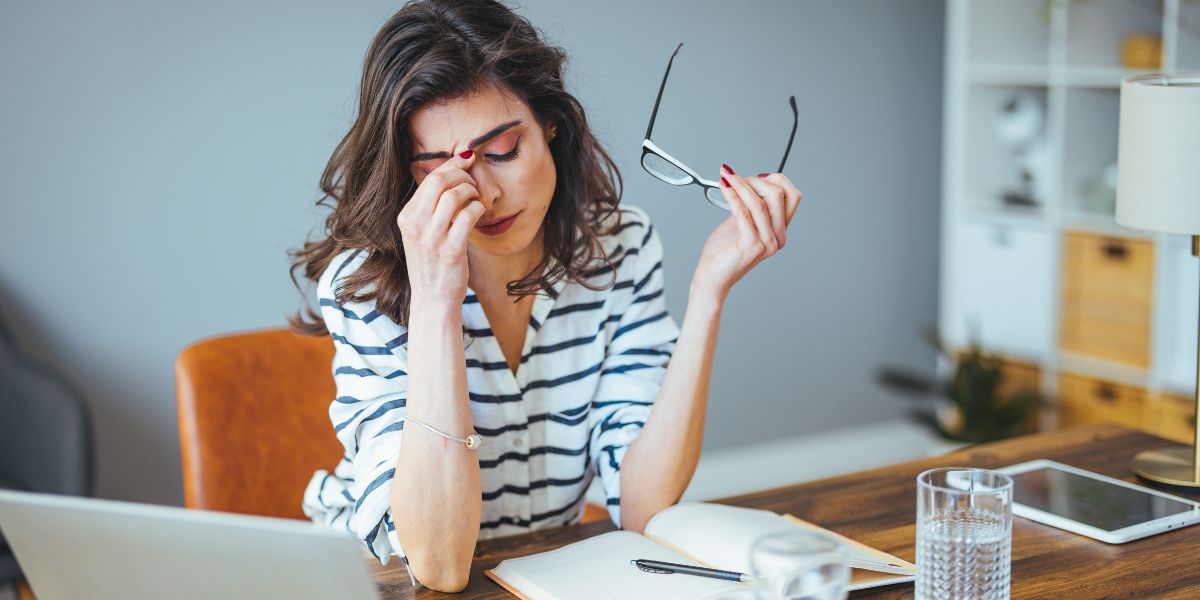
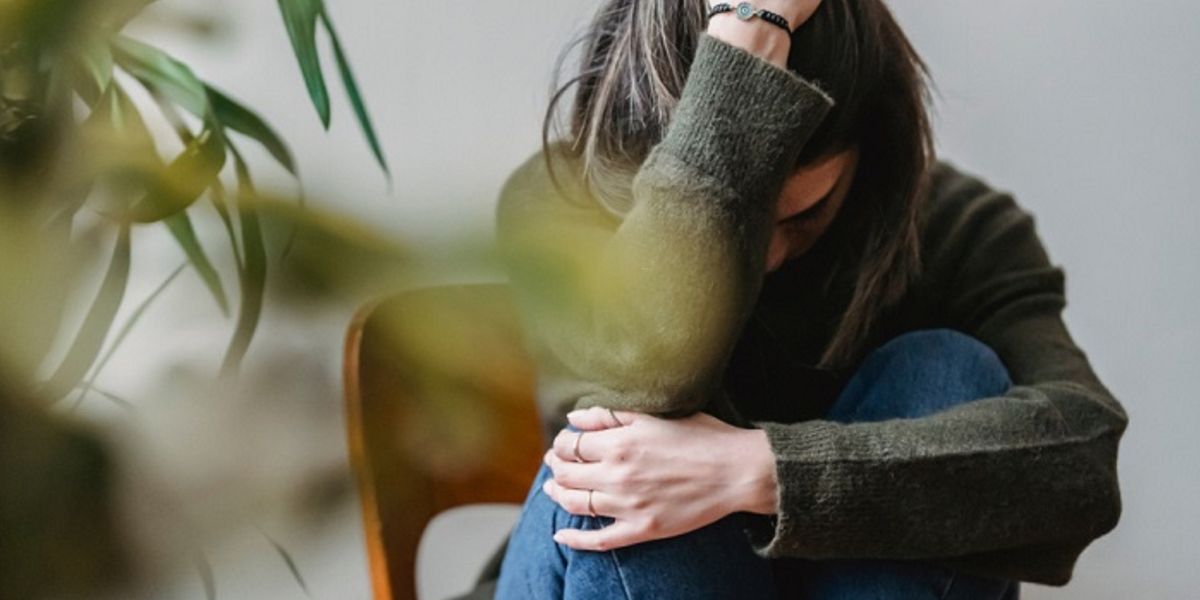
Anxiety can feel like a heavy weight, and women are especially prone to it due to hormonal changes, life pressures, and societal expectations. It’s more than just worry; it can affect your body, mind, and daily life. Recognizing anxiety symptoms early can help you take action before they worsen. Women may experience unique signs, from racing thoughts to physical discomfort, that are often overlooked. 

This article lists 13 key anxiety symptoms in women, backed by studies, with clear explanations of why they matter and what to do, empowering you to protect your mental and physical health.

Why Does Anxiety Affect Women Differently?

Anxiety hits women harder due to hormonal fluctuations during menstruation, pregnancy, or menopause, which can amplify emotional and physical symptoms. A 2014 study in The Lancet Psychiatry found women are twice as likely as men to develop anxiety disorders, partly due to these hormonal shifts and social stressors like caregiving or work-life balance. 

Anxiety triggers the body’s stress response, releasing cortisol, which can disrupt sleep, digestion, and immunity if persistent. 

Recognising these signs helps women seek support early, preventing long-term issues like depression or heart problems, and promotes better mental and physical well-being.

13 Anxiety Symptoms in Women You Shouldn’t Ignore

Below are the top 13 anxiety signs in women that they must consider serious:

1. Constant Worry or Overthinking

Anxiety often shows up as endless worrying or overthinking minor issues. You might dwell on “what ifs” about work, relationships, or health, unable to switch off. 

A 2016 study in the Journal of Anxiety Disorders found women are more likely to experience this “rumination” due to hormonal sensitivity. This mental loop drains energy and affects focus. 

Recognising it as an anxiety symptom can prompt you to seek calming strategies, like journaling or therapy, to quiet your mind and regain control.

  • Why does it matter? Persistent worry disrupts daily life and mental clarity.
  • What to do? Write down thoughts to organise them, or try mindfulness exercises.

2. Feeling Restless or On Edge

a Restless girl

You might feel jittery, like you can’t sit still, or always “on alert” for no apparent reason. This restlessness is common in women with anxiety, as noted in a 2015 study in Psychoneuroendocrinology. 

It’s caused by the body’s fight-or-flight response, triggered by stress hormones. This can make relaxing or focusing hard, leading to exhaustion. Acknowledging this sign encourages you to use relaxation techniques to calm your nervous system.

  • Why does it matter? Prevents relaxation and increases fatigue.
  • What to do? Try deep breathing or a short walk to release nervous energy.

3. Trouble Sleeping

Anxiety can keep you awake, cause restless sleep, or lead to frequent waking. Women are more affected due to hormonal changes, especially during menstruation or menopause. 

A 2010 study in Sleep Medicine found that women with anxiety have more insomnia, which worsens mood and energy. Poor sleep amplifies anxiety, creating a cycle. 

Addressing sleep issues through a bedtime routine or professional help can improve rest and reduce anxiety symptoms.

  • Why does it matter? Lack of sleep harms mood, focus, and health.
  • What to do? Avoid screens before bed and try a calming tea like chamomile.

Check our guides:

4. Racing Heart or Palpitations

A pounding or racing heart, even when resting, is a common anxiety sign. It happens because anxiety triggers adrenaline, speeding up your heart rate. 

A 2018 study in Circulation showed women with anxiety are more likely to experience heart palpitations, which can feel scary and mimic heart problems. 

Recognising this as anxiety-related can prompt you to seek calming techniques or medical advice to rule out other issues.

  • Why does it matter? It can feel alarming and increase anxiety if ignored.
  • What to do? Practice slow breathing or consult a doctor to confirm it’s anxiety.

5. Shortness of Breath

Feeling like you can’t catch your breath or breathing shallowly is a physical anxiety symptom. It’s caused by the body’s stress response, which tightens muscles and speeds up breathing. 

A 2017 study in Chest found that women with anxiety report this more often, especially during panic attacks. 

This symptom can feel overwhelming, but addressing it with breathing exercises can restore calm and prevent panic.

  • Why does it matter? Disrupts normal breathing and heightens fear.
  • What to do? Try diaphragmatic breathing (belly breathing) for 5 minutes daily.

6. Muscle Tension or Aches

Girl with back muscle tension

Anxiety can cause tight shoulders, neck pain, or general muscle aches. Women often hold stress in their bodies, leading to chronic tension. 

A 2016 study in the Journal of Pain found that women with anxiety report more muscle pain due to stress-induced muscle tightening. 

Ignoring this can lead to chronic pain or headaches. Stretching or relaxation practices can ease tension and improve comfort.

  • Why does it matter? Causes discomfort and can lead to chronic pain.
  • What to do? Try daily yoga or a warm bath to relax muscles.

7. Fatigue or Low Energy

Fatigued girl

Feeling exhausted despite rest is a sneaky anxiety symptom. The constant mental strain and stress hormones drain your energy.

A 2015 study in the Journal of Clinical Psychiatry found that women with anxiety often experience fatigue, especially during hormonal shifts like PMS. This can make daily tasks feel overwhelming. 

Recognising fatigue as an anxiety sign can lead you to prioritise rest and stress-relief strategies.

  • Why does it matter? Reduces productivity and joy in daily life.
  • What to do? Take short naps or practice mindfulness to recharge.

8. Digestive Problems

Anxiety can upset your stomach, causing nausea, bloating, or diarrhoea. The gut-brain connection means stress affects digestion. 

A 2011 study in Gastroenterology found that women with anxiety are more likely to develop irritable bowel syndrome (IBS) symptoms. Ignoring these signs can lead to nutrient deficiencies or discomfort. 

Addressing anxiety can improve gut health and overall well-being.

  • Why does it matter? Affects nutrient absorption and daily comfort.
  • What to do? Eat small, balanced meals and avoid caffeine or spicy foods.

9. Irritability or Mood Swings

Anxiety can make you snap easily or feel moody for no reason. Hormonal changes in women amplify this, especially before periods or during menopause. 

A 2014 study in The Lancet Psychiatry linked anxiety to increased irritability in women. This can strain relationships and lower confidence. 

Recognising irritability as anxiety-related encourages you to use calming techniques to stabilise your mood.

  • Why does it matter? Harms relationships and emotional balance.
  • What to do? Take a moment to breathe or talk to a friend when moody.

10. Difficulty Concentrating

Anxiety can make it hard to focus or remember things, which is often called “brain fog.” 

A 2017 study in Neuroscience Letters found that women with anxiety struggle more with concentration due to overactive stress responses. 

This affects work, studies, or daily tasks, causing frustration. Addressing anxiety with mental clarity exercises can improve focus and productivity.

  • Why does it matter? Lowers performance and increases stress.
  • What to do? Break tasks into small steps or try mindfulness meditation.

11. Excessive Sweating

Sweating women

Sweating more than usual, especially in stressful moments, is an anxiety sign. It’s caused by the body’s stress response activating sweat glands. 

A 2016 study in the Dermatology Online Journal found that women with anxiety report more excessive sweating, which can be embarrassing. 

Recognising this helps you use calming techniques to reduce discomfort and boost confidence.

  • Why does it matter? It can cause social discomfort and self-consciousness.
  • What to do? Wear breathable clothing and practice relaxation techniques.

12. Feeling Overwhelmed or Out of Control

Anxiety can make small tasks feel impossible, leaving you overwhelmed. Women often juggle multiple roles, amplifying this feeling. 

A 2018 study in the Journal of Affective Disorders found that women with anxiety are more likely to feel out of control, especially during hormonal shifts. 

Acknowledging this can lead you to seek support, like therapy, to regain balance.

  • Why does it matter? Disrupts daily life and lowers confidence.
  • What to do? Prioritise tasks and seek help from a counsellor if needed.

13. Panic Attacks

Panic attacks are intense bursts of fear with physical symptoms like shaking, dizziness, or chest pain. Women are more prone to them, as noted in a 2015 study in Psychological Medicine. 

They can feel like a heart attack, but they’re anxiety-driven. Recognising a panic attack helps you seek immediate calming strategies or professional help to prevent recurrence.

  • Why does it matter? Feels terrifying and disrupts life.
  • What to do? Use grounding techniques (e.g., focus on 5 things you see) or seek therapy.

What to Do if You Notice These Symptoms

If you notice signs of stress during pregnancy, such as feeling overwhelmed, anxious, or irritable, taking action early is crucial. Stress can affect both you and your baby, potentially leading to issues like preterm birth, low birth weight, or postpartum depression, as shown in studies like the American Journal of Epidemiology (2013) and Psychoneuroendocrinology (2019). Here are practical steps to manage stress effectively:

  • Practice Self-Care: Engage in relaxation techniques like deep breathing, gentle yoga, or mindfulness for 10–15 minutes daily. A 2018 study in Frontiers in Immunology found that mindfulness practices significantly reduce stress markers, helping you feel calmer and more in control.
  • Maintain a Healthy Diet: Eat nutrient-rich foods like fruits, vegetables, whole grains, and lean proteins. A balanced diet supports your physical and mental health. A 2016 study in Nutrients showed that proper nutrition during pregnancy reduces stress-related complications and boosts energy.
  • Seek Professional Help: If stress feels unmanageable, consult a therapist or counsellor. Cognitive-behavioural therapy (CBT) is highly effective for reducing anxiety, as supported by a 2017 study in Behaviour Research and Therapy. Your doctor can also guide you to appropriate resources.
  • Connect with Others: Share your feelings with a trusted friend, partner, or family member. Joining a pregnancy support group can also help. A 2011 study in Social Science & Medicine found that social connections lower anxiety and improve emotional well-being.
  • Prioritise Rest: Aim for 7–9 hours of sleep nightly and take short naps if needed. Poor sleep worsens stress, and a 2020 study in Sleep Medicine linked better sleep to reduced pregnancy-related anxiety.
  • Stay Active: Engage in moderate exercise, like walking or prenatal yoga, for 30 minutes most days, as approved by your doctor. Physical activity reduces stress hormones, per a 2019 study in the Journal of Obstetric, Gynecologic & Neonatal Nursing.

Taking these steps can protect your health and your baby’s development. Always consult your healthcare provider for personalised advice if stress persists.

Why Early Action Matters

Ignoring anxiety can lead to worse mental and physical health, such as depression or heart issues. A 2019 study in The Lancet linked untreated anxiety in women to higher risks of chronic illnesses. 

Early action prevents escalation, improves quality of life, and boosts confidence. These symptoms are manageable with the right tools, empowering you to live fully.

Conclusion

Anxiety in women can show up in sneaky ways, from constant worry to physical signs like a racing heart or fatigue. Hormonal changes make women more vulnerable, but recognising these 13 symptoms is the first step to taking control. 

Backed by studies, these signs shouldn’t be ignored, as they can affect your health and happiness. Start with simple steps like breathing exercises, a healthy diet, or therapy to manage anxiety. 

By acting early, you protect your mind and body, ensuring you feel stronger, calmer, and ready to thrive despite life’s challenges.

FAQs

1. What happens if you ignore anxiety symptoms?

Ignoring anxiety symptoms allows them to become worse over time. Left untreated, anxiety may lead to depression, substance abuse, digestive issues, insomnia, chronic pain, and poor quality of life. Getting help early is best.

2. Is it OK to leave anxiety untreated?

It’s not advisable to leave anxiety untreated. Anxiety is highly treatable, mainly when addressed early on. Untreated anxiety tends to get progressively worse and can significantly impact work, relationships and overall health. Seeking professional help is wise.

3. Is anxiety 100% treatable?

Anxiety is generally very treatable with lifestyle changes, therapy techniques like CBT, medications, or often a combination. Up to 80-90% of people with anxiety disorders can achieve relief through comprehensive treatment plans. So, no form of anxiety is 100% treatment resistant.

4. Which Ayurvedic herb is the best for anxiety?

Ashwagandha, an Ayurvedic herb, is considered one of the most effective for anxiety. It has been shown to reduce cortisol levels and balance mood chemistry in the brain. The optimal dose is 300–500 mg per day for anti-anxiety benefits.

5. How to beat anxiety?

Tips to beat anxiety include daily exercise, relaxing hobbies, therapy, meditation, positive self-talk, spending time in nature, getting enough sleep, and avoiding caffeine/alcohol. Seeking professional treatment is key for sustainable relief.

References

  1. Women are more affected due to hormonal changes, especially during menstruation or menopause. (https://pmc.ncbi.nlm.nih.gov)
  2. Sweating more than usual, especially in stressful moments, is an anxiety sign. (https://www.sciencedirect.com)
  3. Share feelings with a friend or join a support group, as social connection lowers anxiety (https://pmc.ncbi.nlm.nih.gov)

Anxiety can feel like a heavy weight, and women are especially prone to it due to hormonal changes, life pressures, and societal expectations. It’s more than just worry; it can affect your body, mind, and daily life. Recognizing anxiety symptoms early can help you take action before they worsen. Women may experience unique signs, from racing thoughts to physical discomfort, that are often overlooked. 

This article lists 13 key anxiety symptoms in women, backed by studies, with clear explanations of why they matter and what to do, empowering you to protect your mental and physical health.

Why Does Anxiety Affect Women Differently?

Anxiety hits women harder due to hormonal fluctuations during menstruation, pregnancy, or menopause, which can amplify emotional and physical symptoms. A 2014 study in The Lancet Psychiatry found women are twice as likely as men to develop anxiety disorders, partly due to these hormonal shifts and social stressors like caregiving or work-life balance. 

Anxiety triggers the body’s stress response, releasing cortisol, which can disrupt sleep, digestion, and immunity if persistent. 

Recognising these signs helps women seek support early, preventing long-term issues like depression or heart problems, and promotes better mental and physical well-being.

13 Anxiety Symptoms in Women You Shouldn’t Ignore

Below are the top 13 anxiety signs in women that they must consider serious:

1. Constant Worry or Overthinking

Anxiety often shows up as endless worrying or overthinking minor issues. You might dwell on “what ifs” about work, relationships, or health, unable to switch off. 

A 2016 study in the Journal of Anxiety Disorders found women are more likely to experience this “rumination” due to hormonal sensitivity. This mental loop drains energy and affects focus. 

Recognising it as an anxiety symptom can prompt you to seek calming strategies, like journaling or therapy, to quiet your mind and regain control.

  • Why does it matter? Persistent worry disrupts daily life and mental clarity.
  • What to do? Write down thoughts to organise them, or try mindfulness exercises.

2. Feeling Restless or On Edge

a Restless girl

You might feel jittery, like you can’t sit still, or always “on alert” for no apparent reason. This restlessness is common in women with anxiety, as noted in a 2015 study in Psychoneuroendocrinology. 

It’s caused by the body’s fight-or-flight response, triggered by stress hormones. This can make relaxing or focusing hard, leading to exhaustion. Acknowledging this sign encourages you to use relaxation techniques to calm your nervous system.

  • Why does it matter? Prevents relaxation and increases fatigue.
  • What to do? Try deep breathing or a short walk to release nervous energy.

3. Trouble Sleeping

Anxiety can keep you awake, cause restless sleep, or lead to frequent waking. Women are more affected due to hormonal changes, especially during menstruation or menopause. 

A 2010 study in Sleep Medicine found that women with anxiety have more insomnia, which worsens mood and energy. Poor sleep amplifies anxiety, creating a cycle. 

Addressing sleep issues through a bedtime routine or professional help can improve rest and reduce anxiety symptoms.

  • Why does it matter? Lack of sleep harms mood, focus, and health.
  • What to do? Avoid screens before bed and try a calming tea like chamomile.

Check our guides:

4. Racing Heart or Palpitations

A pounding or racing heart, even when resting, is a common anxiety sign. It happens because anxiety triggers adrenaline, speeding up your heart rate. 

A 2018 study in Circulation showed women with anxiety are more likely to experience heart palpitations, which can feel scary and mimic heart problems. 

Recognising this as anxiety-related can prompt you to seek calming techniques or medical advice to rule out other issues.

  • Why does it matter? It can feel alarming and increase anxiety if ignored.
  • What to do? Practice slow breathing or consult a doctor to confirm it’s anxiety.

5. Shortness of Breath

Feeling like you can’t catch your breath or breathing shallowly is a physical anxiety symptom. It’s caused by the body’s stress response, which tightens muscles and speeds up breathing. 

A 2017 study in Chest found that women with anxiety report this more often, especially during panic attacks. 

This symptom can feel overwhelming, but addressing it with breathing exercises can restore calm and prevent panic.

  • Why does it matter? Disrupts normal breathing and heightens fear.
  • What to do? Try diaphragmatic breathing (belly breathing) for 5 minutes daily.

6. Muscle Tension or Aches

Girl with back muscle tension

Anxiety can cause tight shoulders, neck pain, or general muscle aches. Women often hold stress in their bodies, leading to chronic tension. 

A 2016 study in the Journal of Pain found that women with anxiety report more muscle pain due to stress-induced muscle tightening. 

Ignoring this can lead to chronic pain or headaches. Stretching or relaxation practices can ease tension and improve comfort.

  • Why does it matter? Causes discomfort and can lead to chronic pain.
  • What to do? Try daily yoga or a warm bath to relax muscles.

7. Fatigue or Low Energy

Fatigued girl

Feeling exhausted despite rest is a sneaky anxiety symptom. The constant mental strain and stress hormones drain your energy.

A 2015 study in the Journal of Clinical Psychiatry found that women with anxiety often experience fatigue, especially during hormonal shifts like PMS. This can make daily tasks feel overwhelming. 

Recognising fatigue as an anxiety sign can lead you to prioritise rest and stress-relief strategies.

  • Why does it matter? Reduces productivity and joy in daily life.
  • What to do? Take short naps or practice mindfulness to recharge.

8. Digestive Problems

Anxiety can upset your stomach, causing nausea, bloating, or diarrhoea. The gut-brain connection means stress affects digestion. 

A 2011 study in Gastroenterology found that women with anxiety are more likely to develop irritable bowel syndrome (IBS) symptoms. Ignoring these signs can lead to nutrient deficiencies or discomfort. 

Addressing anxiety can improve gut health and overall well-being.

  • Why does it matter? Affects nutrient absorption and daily comfort.
  • What to do? Eat small, balanced meals and avoid caffeine or spicy foods.

9. Irritability or Mood Swings

Anxiety can make you snap easily or feel moody for no reason. Hormonal changes in women amplify this, especially before periods or during menopause. 

A 2014 study in The Lancet Psychiatry linked anxiety to increased irritability in women. This can strain relationships and lower confidence. 

Recognising irritability as anxiety-related encourages you to use calming techniques to stabilise your mood.

  • Why does it matter? Harms relationships and emotional balance.
  • What to do? Take a moment to breathe or talk to a friend when moody.

10. Difficulty Concentrating

Anxiety can make it hard to focus or remember things, which is often called “brain fog.” 

A 2017 study in Neuroscience Letters found that women with anxiety struggle more with concentration due to overactive stress responses. 

This affects work, studies, or daily tasks, causing frustration. Addressing anxiety with mental clarity exercises can improve focus and productivity.

  • Why does it matter? Lowers performance and increases stress.
  • What to do? Break tasks into small steps or try mindfulness meditation.

11. Excessive Sweating

Sweating women

Sweating more than usual, especially in stressful moments, is an anxiety sign. It’s caused by the body’s stress response activating sweat glands. 

A 2016 study in the Dermatology Online Journal found that women with anxiety report more excessive sweating, which can be embarrassing. 

Recognising this helps you use calming techniques to reduce discomfort and boost confidence.

  • Why does it matter? It can cause social discomfort and self-consciousness.
  • What to do? Wear breathable clothing and practice relaxation techniques.

12. Feeling Overwhelmed or Out of Control

Anxiety can make small tasks feel impossible, leaving you overwhelmed. Women often juggle multiple roles, amplifying this feeling. 

A 2018 study in the Journal of Affective Disorders found that women with anxiety are more likely to feel out of control, especially during hormonal shifts. 

Acknowledging this can lead you to seek support, like therapy, to regain balance.

  • Why does it matter? Disrupts daily life and lowers confidence.
  • What to do? Prioritise tasks and seek help from a counsellor if needed.

13. Panic Attacks

Panic attacks are intense bursts of fear with physical symptoms like shaking, dizziness, or chest pain. Women are more prone to them, as noted in a 2015 study in Psychological Medicine. 

They can feel like a heart attack, but they’re anxiety-driven. Recognising a panic attack helps you seek immediate calming strategies or professional help to prevent recurrence.

  • Why does it matter? Feels terrifying and disrupts life.
  • What to do? Use grounding techniques (e.g., focus on 5 things you see) or seek therapy.

What to Do if You Notice These Symptoms

If you notice signs of stress during pregnancy, such as feeling overwhelmed, anxious, or irritable, taking action early is crucial. Stress can affect both you and your baby, potentially leading to issues like preterm birth, low birth weight, or postpartum depression, as shown in studies like the American Journal of Epidemiology (2013) and Psychoneuroendocrinology (2019). Here are practical steps to manage stress effectively:

  • Practice Self-Care: Engage in relaxation techniques like deep breathing, gentle yoga, or mindfulness for 10–15 minutes daily. A 2018 study in Frontiers in Immunology found that mindfulness practices significantly reduce stress markers, helping you feel calmer and more in control.
  • Maintain a Healthy Diet: Eat nutrient-rich foods like fruits, vegetables, whole grains, and lean proteins. A balanced diet supports your physical and mental health. A 2016 study in Nutrients showed that proper nutrition during pregnancy reduces stress-related complications and boosts energy.
  • Seek Professional Help: If stress feels unmanageable, consult a therapist or counsellor. Cognitive-behavioural therapy (CBT) is highly effective for reducing anxiety, as supported by a 2017 study in Behaviour Research and Therapy. Your doctor can also guide you to appropriate resources.
  • Connect with Others: Share your feelings with a trusted friend, partner, or family member. Joining a pregnancy support group can also help. A 2011 study in Social Science & Medicine found that social connections lower anxiety and improve emotional well-being.
  • Prioritise Rest: Aim for 7–9 hours of sleep nightly and take short naps if needed. Poor sleep worsens stress, and a 2020 study in Sleep Medicine linked better sleep to reduced pregnancy-related anxiety.
  • Stay Active: Engage in moderate exercise, like walking or prenatal yoga, for 30 minutes most days, as approved by your doctor. Physical activity reduces stress hormones, per a 2019 study in the Journal of Obstetric, Gynecologic & Neonatal Nursing.

Taking these steps can protect your health and your baby’s development. Always consult your healthcare provider for personalised advice if stress persists.

Why Early Action Matters

Ignoring anxiety can lead to worse mental and physical health, such as depression or heart issues. A 2019 study in The Lancet linked untreated anxiety in women to higher risks of chronic illnesses. 

Early action prevents escalation, improves quality of life, and boosts confidence. These symptoms are manageable with the right tools, empowering you to live fully.

Conclusion

Anxiety in women can show up in sneaky ways, from constant worry to physical signs like a racing heart or fatigue. Hormonal changes make women more vulnerable, but recognising these 13 symptoms is the first step to taking control. 

Backed by studies, these signs shouldn’t be ignored, as they can affect your health and happiness. Start with simple steps like breathing exercises, a healthy diet, or therapy to manage anxiety. 

By acting early, you protect your mind and body, ensuring you feel stronger, calmer, and ready to thrive despite life’s challenges.

FAQs

1. What happens if you ignore anxiety symptoms?

Ignoring anxiety symptoms allows them to become worse over time. Left untreated, anxiety may lead to depression, substance abuse, digestive issues, insomnia, chronic pain, and poor quality of life. Getting help early is best.

2. Is it OK to leave anxiety untreated?

It’s not advisable to leave anxiety untreated. Anxiety is highly treatable, mainly when addressed early on. Untreated anxiety tends to get progressively worse and can significantly impact work, relationships and overall health. Seeking professional help is wise.

3. Is anxiety 100% treatable?

Anxiety is generally very treatable with lifestyle changes, therapy techniques like CBT, medications, or often a combination. Up to 80-90% of people with anxiety disorders can achieve relief through comprehensive treatment plans. So, no form of anxiety is 100% treatment resistant.

4. Which Ayurvedic herb is the best for anxiety?

Ashwagandha, an Ayurvedic herb, is considered one of the most effective for anxiety. It has been shown to reduce cortisol levels and balance mood chemistry in the brain. The optimal dose is 300–500 mg per day for anti-anxiety benefits.

5. How to beat anxiety?

Tips to beat anxiety include daily exercise, relaxing hobbies, therapy, meditation, positive self-talk, spending time in nature, getting enough sleep, and avoiding caffeine/alcohol. Seeking professional treatment is key for sustainable relief.

References

  1. Women are more affected due to hormonal changes, especially during menstruation or menopause. (https://pmc.ncbi.nlm.nih.gov)
  2. Sweating more than usual, especially in stressful moments, is an anxiety sign. (https://www.sciencedirect.com)
  3. Share feelings with a friend or join a support group, as social connection lowers anxiety (https://pmc.ncbi.nlm.nih.gov)

Related Articles

Stress Management for Women

9 Best Ways to Manage Stress for Women's That Actually Work

Stress can feel overwhelming, especially for women juggling work, family, and personal goals. Hormonal changes from periods, pregnancy, or menopause make women more sensitive to stress, which can h...

Read more
Working women in stress

Stress in Women: Symptoms, Health Effects & 8 Relief Tips

Stress is a part of life, but for women, it can hit harder and cause hidden health issues. From hormonal imbalances to weakened immunity, stress affects women’s bodies in unique ways. Unlike men, w...

Read more