Skip to content

Flash Sale

shop now

Cart

Your cart is empty

Article: How Junk Food Affects Liver Enzymes and Workout Recovery?

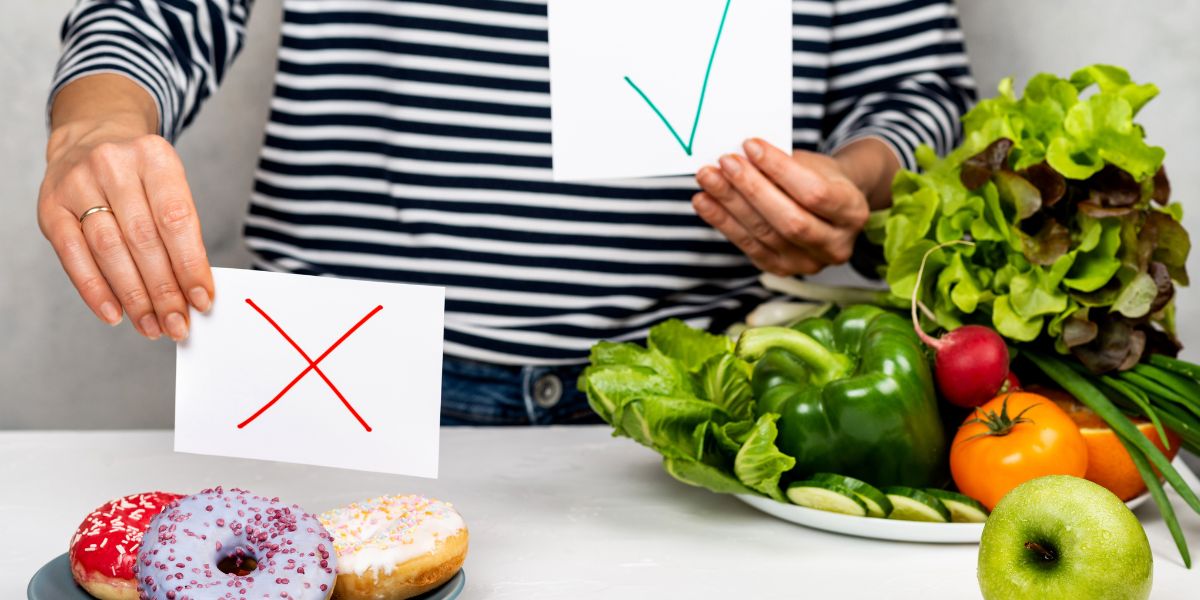
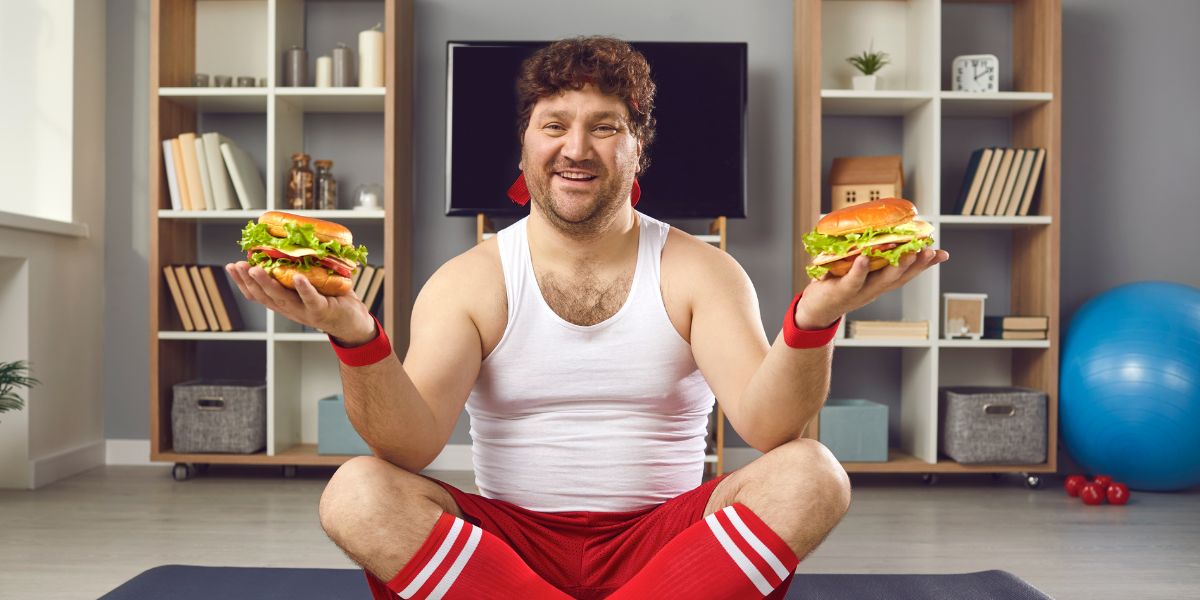
Gym person eating junk food

How Junk Food Affects Liver Enzymes and Workout Recovery?

Junk food, like burgers, fries, and sugary drinks, tastes great but can harm your liver and slow your gym progress. The liver processes nutrients and removes toxins, which are essential for energy and muscle recovery after workouts. Junk food’s high sugar, unhealthy fats, and additives raise liver enzyme levels, making it harder for the liver to support your fitness goals. 


This can lead to tiredness and delayed recovery. This article explains how junk food impacts liver enzymes and workout recovery, backed by studies, and shares simple steps to protect your liver for better gym performance.

Understanding Liver Enzymes and Their Role

Liver enzymes, like ALT (alanine aminotransferase) and AST (aspartate aminotransferase), help the liver break down proteins, fats, and toxins. 

They support energy production and muscle repair, key for gym-goers. High enzyme levels show the liver is stressed, often from a poor diet. A 2017 study in Hepatology found unhealthy diets elevate ALT and AST, slowing nutrient processing. 

This affects workout energy and recovery. Keeping enzymes balanced with good nutrition helps the liver fuel your workouts and repair muscles efficiently.

  • Supports energy and muscle repair for better workouts.
  • High levels of enzymes from junk food slow liver function.

How Junk Food Impacts Liver Enzymes

Junk food, full of sugar, trans fats, and additives, stresses the liver. Sugary sodas and snacks cause fat buildup, raising ALT and AST levels. 

Trans fats in fried foods inflame liver cells. A 2018 study in the Journal of Hepatology linked high-sugar and trans-fat diets to elevated enzymes. Artificial additives, like sweeteners, also disrupt liver function. 

This makes the liver less efficient at processing nutrients, leading to low energy and poor gym performance.

  • Sugars and trans fats increase liver enzyme levels.
  • Additives strain the liver, reducing nutrient processing.

How Junk Food Slows Workout Recovery

The liver processes proteins for muscle repair and clears workout waste. Junk food disrupts this. High sugar causes inflammation, delaying muscle healing, per a 2019 study in Nutrients

Trans fats reduce blood flow to muscles, slowing repair, per a 2020 study in Sports Medicine. A stressed liver from junk food lowers energy, making recovery sluggish. 

This stalls strength gains and endurance, hindering fitness progress.

  • Inflammation from sugar delays muscle repair.
  • Poor liver function reduces energy for recovery.

Junk Foods to Avoid

Below are some of the junk foods which you should avoid to keep your liver healthy:

1. Sugary Drinks (Soda, Energy Drinks)

Sodas and energy drinks contain high-fructose corn syrup, which turns into liver fat, raising enzyme levels. 

A 2016 study in the American Journal of Clinical Nutrition found that daily soda increases liver fat by 30%. This slows nutrient processing, delaying recovery. 

Swap sugary drinks for water to keep enzymes normal and energy high.

  • Replace soda with water or herbal tea.
  • Try sparkling water for a fizzy alternative.

2. Fried Foods (Fries, Fried Chicken)

Fried foods have trans fats that inflame liver cells, raising ALT and AST. A 2017 study in Gastroenterology linked fried foods to liver inflammation. 

This slows waste clearance, delaying muscle repair. Choose grilled or baked foods to support liver function and recovery.

  • Opt for baked sweet potato fries.
  • Grill chicken instead of frying.
Note: While junk food is a major culprit in harming liver function, even occasional cheat meals can have a surprising impact. Explore more about how cheat meals affect liver health.

3. Processed Snacks (Chips, Cookies)

Chips and cookies contain trans fats, sugar, and additives, raising liver enzymes. A 2018 study in Liver International found processed snacks increase enzymes by 25%. 

This slows protein metabolism, delaying muscle repair. Snack on whole foods like nuts or fruits for better liver health.

  • Choose almonds or apple slices.
  • Try carrot sticks with hummus.

4. Fast Food Burgers and Pizzas

Burgers and pizzas combine sugar, trans fats, and sodium, stressing the liver. A 2019 study in Clinical Nutrition showed that fast food raises enzymes and liver fat. 

High sodium causes water retention, adding strain. Make homemade versions with whole grains for better recovery.

  • Cook burgers with veggies.
  • Use a whole-grain crust for homemade pizza.

Signs of Liver Stress

Junk food can cause fatigue, bloating, or digestive discomfort, indicating liver stress. A 2017 study in the World Journal of Gastroenterology linked poor liver function to these issues. 

Yellowing skin or eyes (jaundice) is a rare, serious sign. Gym-goers may notice slower recovery or weaker workouts. Addressing these signs with diet changes supports liver health and fitness progress.

  • Watch for fatigue or prolonged muscle soreness.
  • Note bloating or digestive issues.

How to Protect Your Liver and Boost Recovery

Below are some of the best tips to protect your liver and boost recovery: 

1. Eat Liver-Friendly Foods

Broccoli, spinach, and berries have antioxidants that protect liver cells, per a 2016 study in Antioxidants. Garlic and turmeric reduce inflammation, keeping enzymes normal. 

Green tea’s catechins aid detox, per a 2018 study in Food & Function. These foods help the liver process nutrients, speeding muscle repair and boosting workout energy.

  • Add spinach to smoothies or salads.
  • Use garlic in stir-fries or turmeric in soups.

2. Stay Hydrated

Water helps the liver flush toxins and work out waste. Dehydration raises enzyme levels, slowing recovery. 

A 2019 study in the Journal of Clinical Medicine found that hydration lowers ALT and AST in active people. 

Drink 8–12 glasses daily, more if sweating. This supports energy and faster recovery.

  • Carry a water bottle and sip hourly.
  • Add lemon for flavour if plain water bores you.

3. Choose High-Quality Proteins

Lentils, tofu, paneer, and chickpeas are easier for the liver to process than processed food. 

A 2020 study in Nutrition Research found that whole-food proteins reduce enzyme spikes. 

They support muscle repair without liver strain, improving recovery. Mix plant and animal proteins for balance.

  • Start your day with a protein-rich breakfast – consider moong dal chilla, besan toast, or boiled soy chunks.
  • For lunch or dinner, include dishes like dal tadka, rajma, or chana masala with brown rice or millet.
  • Post-workout, have a bowl of sprouted moong salad or a glass of unsweetened plant-based protein shake.
  • Lentil soup or dal soup is a great option in the evening to boost your protein intake while staying light on the liver.

4. Limit Alcohol

Alcohol makes the liver prioritise detox, raising enzyme levels. A 2017 study in Hepatology linked moderate alcohol consumption to liver stress in athletes. 

Limit to 1–2 drinks weekly to help the liver focus on recovery and energy production for workouts.

  • Swap alcohol for sparkling water at parties.
  • Limit drinking to weekends if needed.

5. Get Enough Sleep

Sleep lets the liver repair and process nutrients. Poor sleep raises stress hormones, increasing enzymes. 

A 2016 study in Sleep Medicine found 7–9 hours of sleep improves liver function in gym-goers. Consistent sleep boosts energy and muscle repair for better workouts.

  • Set a nightly bedtime routine.
  • Avoid screens an hour before bed.

6. Balance Workouts with Rest

Intense workouts create waste that the liver clears. Overtraining raises enzymes, according to a 2021 study in the Journal of Sports Sciences

Schedule 1–2 rest days weekly to ease liver workload, ensuring faster recovery and better performance.

  • Plan the rest of the days with light stretching.
  • Try yoga on rest days for relaxation.

7. Monitor Liver Health

Blood tests track liver enzyme levels. A 2017 study in the World Journal of Gastroenterology recommends yearly tests for active people on high-protein diets. 

Checking enzymes helps catch issues early, keeping your liver ready for gym demands.

  • Ask your doctor for liver function tests.
  • Schedule annual check-ups.

Myths About Junk Food and Liver Health

Myth

Fact

Junk food only harms the liver in heavy eaters.

Even occasional junk food raises liver enzymes, as shown in a 2018 study published in the Journal of Hepatology.

Liver issues don’t affect workouts.

Poor liver function can slow down muscle recovery and reduce stamina, according to a 2019 study in Nutrients.

Sugar is fine as long as you’re working out regularly.

Excess sugar, especially from soft drinks, increases liver fat and the risk of non-alcoholic fatty liver disease, even in active individuals.

Fatty foods only affect weight, not liver health.

Trans fats and fried foods directly burden liver function, contributing to inflammation and fat accumulation, even if you're not overweight.

Detox drinks can fix liver damage from junk food.

The liver detoxifies naturally; no drink can undo regular junk food damage. Consistent healthy habits matter more.

You can out-exercise the effects of a bad diet.

Exercise helps, but it doesn’t fully protect the liver from long-term damage caused by processed and ultra-processed food.


Conclusion

Junk food like soda, fries, and burgers raises liver enzymes, slowing workout recovery and zapping energy. High sugar and trans fats stress the liver, delaying muscle repair. Studies show clean eating, hydration, and sleep keep enzymes balanced for better performance. Swap junk for liver-friendly foods like spinach, limit alcohol, and rest regularly. 

Start small—drink more water or skip fries for baked options. Protecting your liver ensures faster recovery, more energy, and stronger workouts. Make these changes to stay healthy and crush your fitness goals!

FAQs

1. Does junk food damage the liver?

Yes, eating too much junk food high in fat, salt, and sugar can definitely damage the liver over time, leading to fatty liver disease. Junk food promotes inflammation, obesity, and insulin resistance - all hard on the liver.

2. How long does it take for liver enzymes to recover?

If liver enzymes are elevated from an acute infection or alcohol, they typically recover within 4-8 weeks of stopping the causative behaviour and treating the underlying issue. With chronic liver disease, it takes longer to improve enzymes - usually 2-3 months with lifestyle changes.

3. Does exercise help repair liver damage?

Yes, regular aerobic and some strength training exercises have been shown to help repair existing liver damage by reducing inflammation, fat deposits, and promoting the growth of new liver tissue. Exercise boosts liver health and function.

4. Can too much exercise affect your liver?

Yes, doing very prolonged or intense exercise to extremes can temporarily spike liver enzymes due to muscle breakdown. Signs of overtraining that could affect the liver include fatigue, decreased performance, insomnia, and muscle soreness. Moderation is key.

5. How to get liver enzymes down fast?

The fastest ways to improve elevated liver enzymes include: stopping alcohol use, losing weight if overweight, following an anti-inflammatory diet, staying hydrated, taking liver-supporting supplements, and getting light exercise. These steps can often normalise mild enzyme elevations within 1-2 months.

References

  1. Liver enzymes, like ALT (alanine aminotransferase) and AST (aspartate aminotransferase), help the liver break down proteins, fats, and toxins. (https://www.ncbi.nlm.nih.gov)
  2. A 2016 study in Sleep Medicine found 7–9 hours of sleep improves liver function in gym-goers. (https://ijcicr.com)
  3. Junk food promotes inflammation, obesity, and insulin resistance - all hard on the liver. (https://www.researchgate.net)

Junk food, like burgers, fries, and sugary drinks, tastes great but can harm your liver and slow your gym progress. The liver processes nutrients and removes toxins, which are essential for energy and muscle recovery after workouts. Junk food’s high sugar, unhealthy fats, and additives raise liver enzyme levels, making it harder for the liver to support your fitness goals. 


This can lead to tiredness and delayed recovery. This article explains how junk food impacts liver enzymes and workout recovery, backed by studies, and shares simple steps to protect your liver for better gym performance.

Understanding Liver Enzymes and Their Role

Liver enzymes, like ALT (alanine aminotransferase) and AST (aspartate aminotransferase), help the liver break down proteins, fats, and toxins. 

They support energy production and muscle repair, key for gym-goers. High enzyme levels show the liver is stressed, often from a poor diet. A 2017 study in Hepatology found unhealthy diets elevate ALT and AST, slowing nutrient processing. 

This affects workout energy and recovery. Keeping enzymes balanced with good nutrition helps the liver fuel your workouts and repair muscles efficiently.

  • Supports energy and muscle repair for better workouts.
  • High levels of enzymes from junk food slow liver function.

How Junk Food Impacts Liver Enzymes

Junk food, full of sugar, trans fats, and additives, stresses the liver. Sugary sodas and snacks cause fat buildup, raising ALT and AST levels. 

Trans fats in fried foods inflame liver cells. A 2018 study in the Journal of Hepatology linked high-sugar and trans-fat diets to elevated enzymes. Artificial additives, like sweeteners, also disrupt liver function. 

This makes the liver less efficient at processing nutrients, leading to low energy and poor gym performance.

  • Sugars and trans fats increase liver enzyme levels.
  • Additives strain the liver, reducing nutrient processing.

How Junk Food Slows Workout Recovery

The liver processes proteins for muscle repair and clears workout waste. Junk food disrupts this. High sugar causes inflammation, delaying muscle healing, per a 2019 study in Nutrients

Trans fats reduce blood flow to muscles, slowing repair, per a 2020 study in Sports Medicine. A stressed liver from junk food lowers energy, making recovery sluggish. 

This stalls strength gains and endurance, hindering fitness progress.

  • Inflammation from sugar delays muscle repair.
  • Poor liver function reduces energy for recovery.

Junk Foods to Avoid

Below are some of the junk foods which you should avoid to keep your liver healthy:

1. Sugary Drinks (Soda, Energy Drinks)

Sodas and energy drinks contain high-fructose corn syrup, which turns into liver fat, raising enzyme levels. 

A 2016 study in the American Journal of Clinical Nutrition found that daily soda increases liver fat by 30%. This slows nutrient processing, delaying recovery. 

Swap sugary drinks for water to keep enzymes normal and energy high.

  • Replace soda with water or herbal tea.
  • Try sparkling water for a fizzy alternative.

2. Fried Foods (Fries, Fried Chicken)

Fried foods have trans fats that inflame liver cells, raising ALT and AST. A 2017 study in Gastroenterology linked fried foods to liver inflammation. 

This slows waste clearance, delaying muscle repair. Choose grilled or baked foods to support liver function and recovery.

  • Opt for baked sweet potato fries.
  • Grill chicken instead of frying.
Note: While junk food is a major culprit in harming liver function, even occasional cheat meals can have a surprising impact. Explore more about how cheat meals affect liver health.

3. Processed Snacks (Chips, Cookies)

Chips and cookies contain trans fats, sugar, and additives, raising liver enzymes. A 2018 study in Liver International found processed snacks increase enzymes by 25%. 

This slows protein metabolism, delaying muscle repair. Snack on whole foods like nuts or fruits for better liver health.

  • Choose almonds or apple slices.
  • Try carrot sticks with hummus.

4. Fast Food Burgers and Pizzas

Burgers and pizzas combine sugar, trans fats, and sodium, stressing the liver. A 2019 study in Clinical Nutrition showed that fast food raises enzymes and liver fat. 

High sodium causes water retention, adding strain. Make homemade versions with whole grains for better recovery.

  • Cook burgers with veggies.
  • Use a whole-grain crust for homemade pizza.

Signs of Liver Stress

Junk food can cause fatigue, bloating, or digestive discomfort, indicating liver stress. A 2017 study in the World Journal of Gastroenterology linked poor liver function to these issues. 

Yellowing skin or eyes (jaundice) is a rare, serious sign. Gym-goers may notice slower recovery or weaker workouts. Addressing these signs with diet changes supports liver health and fitness progress.

  • Watch for fatigue or prolonged muscle soreness.
  • Note bloating or digestive issues.

How to Protect Your Liver and Boost Recovery

Below are some of the best tips to protect your liver and boost recovery: 

1. Eat Liver-Friendly Foods

Broccoli, spinach, and berries have antioxidants that protect liver cells, per a 2016 study in Antioxidants. Garlic and turmeric reduce inflammation, keeping enzymes normal. 

Green tea’s catechins aid detox, per a 2018 study in Food & Function. These foods help the liver process nutrients, speeding muscle repair and boosting workout energy.

  • Add spinach to smoothies or salads.
  • Use garlic in stir-fries or turmeric in soups.

2. Stay Hydrated

Water helps the liver flush toxins and work out waste. Dehydration raises enzyme levels, slowing recovery. 

A 2019 study in the Journal of Clinical Medicine found that hydration lowers ALT and AST in active people. 

Drink 8–12 glasses daily, more if sweating. This supports energy and faster recovery.

  • Carry a water bottle and sip hourly.
  • Add lemon for flavour if plain water bores you.

3. Choose High-Quality Proteins

Lentils, tofu, paneer, and chickpeas are easier for the liver to process than processed food. 

A 2020 study in Nutrition Research found that whole-food proteins reduce enzyme spikes. 

They support muscle repair without liver strain, improving recovery. Mix plant and animal proteins for balance.

  • Start your day with a protein-rich breakfast – consider moong dal chilla, besan toast, or boiled soy chunks.
  • For lunch or dinner, include dishes like dal tadka, rajma, or chana masala with brown rice or millet.
  • Post-workout, have a bowl of sprouted moong salad or a glass of unsweetened plant-based protein shake.
  • Lentil soup or dal soup is a great option in the evening to boost your protein intake while staying light on the liver.

4. Limit Alcohol

Alcohol makes the liver prioritise detox, raising enzyme levels. A 2017 study in Hepatology linked moderate alcohol consumption to liver stress in athletes. 

Limit to 1–2 drinks weekly to help the liver focus on recovery and energy production for workouts.

  • Swap alcohol for sparkling water at parties.
  • Limit drinking to weekends if needed.

5. Get Enough Sleep

Sleep lets the liver repair and process nutrients. Poor sleep raises stress hormones, increasing enzymes. 

A 2016 study in Sleep Medicine found 7–9 hours of sleep improves liver function in gym-goers. Consistent sleep boosts energy and muscle repair for better workouts.

  • Set a nightly bedtime routine.
  • Avoid screens an hour before bed.

6. Balance Workouts with Rest

Intense workouts create waste that the liver clears. Overtraining raises enzymes, according to a 2021 study in the Journal of Sports Sciences

Schedule 1–2 rest days weekly to ease liver workload, ensuring faster recovery and better performance.

  • Plan the rest of the days with light stretching.
  • Try yoga on rest days for relaxation.

7. Monitor Liver Health

Blood tests track liver enzyme levels. A 2017 study in the World Journal of Gastroenterology recommends yearly tests for active people on high-protein diets. 

Checking enzymes helps catch issues early, keeping your liver ready for gym demands.

  • Ask your doctor for liver function tests.
  • Schedule annual check-ups.

Myths About Junk Food and Liver Health

Myth

Fact

Junk food only harms the liver in heavy eaters.

Even occasional junk food raises liver enzymes, as shown in a 2018 study published in the Journal of Hepatology.

Liver issues don’t affect workouts.

Poor liver function can slow down muscle recovery and reduce stamina, according to a 2019 study in Nutrients.

Sugar is fine as long as you’re working out regularly.

Excess sugar, especially from soft drinks, increases liver fat and the risk of non-alcoholic fatty liver disease, even in active individuals.

Fatty foods only affect weight, not liver health.

Trans fats and fried foods directly burden liver function, contributing to inflammation and fat accumulation, even if you're not overweight.

Detox drinks can fix liver damage from junk food.

The liver detoxifies naturally; no drink can undo regular junk food damage. Consistent healthy habits matter more.

You can out-exercise the effects of a bad diet.

Exercise helps, but it doesn’t fully protect the liver from long-term damage caused by processed and ultra-processed food.


Conclusion

Junk food like soda, fries, and burgers raises liver enzymes, slowing workout recovery and zapping energy. High sugar and trans fats stress the liver, delaying muscle repair. Studies show clean eating, hydration, and sleep keep enzymes balanced for better performance. Swap junk for liver-friendly foods like spinach, limit alcohol, and rest regularly. 

Start small—drink more water or skip fries for baked options. Protecting your liver ensures faster recovery, more energy, and stronger workouts. Make these changes to stay healthy and crush your fitness goals!

FAQs

1. Does junk food damage the liver?

Yes, eating too much junk food high in fat, salt, and sugar can definitely damage the liver over time, leading to fatty liver disease. Junk food promotes inflammation, obesity, and insulin resistance - all hard on the liver.

2. How long does it take for liver enzymes to recover?

If liver enzymes are elevated from an acute infection or alcohol, they typically recover within 4-8 weeks of stopping the causative behaviour and treating the underlying issue. With chronic liver disease, it takes longer to improve enzymes - usually 2-3 months with lifestyle changes.

3. Does exercise help repair liver damage?

Yes, regular aerobic and some strength training exercises have been shown to help repair existing liver damage by reducing inflammation, fat deposits, and promoting the growth of new liver tissue. Exercise boosts liver health and function.

4. Can too much exercise affect your liver?

Yes, doing very prolonged or intense exercise to extremes can temporarily spike liver enzymes due to muscle breakdown. Signs of overtraining that could affect the liver include fatigue, decreased performance, insomnia, and muscle soreness. Moderation is key.

5. How to get liver enzymes down fast?

The fastest ways to improve elevated liver enzymes include: stopping alcohol use, losing weight if overweight, following an anti-inflammatory diet, staying hydrated, taking liver-supporting supplements, and getting light exercise. These steps can often normalise mild enzyme elevations within 1-2 months.

References

  1. Liver enzymes, like ALT (alanine aminotransferase) and AST (aspartate aminotransferase), help the liver break down proteins, fats, and toxins. (https://www.ncbi.nlm.nih.gov)
  2. A 2016 study in Sleep Medicine found 7–9 hours of sleep improves liver function in gym-goers. (https://ijcicr.com)
  3. Junk food promotes inflammation, obesity, and insulin resistance - all hard on the liver. (https://www.researchgate.net)

Related Articles

Cheat Meals vs Good Food for Liver & Fitness Enthusiast

Cheat Meals & Liver Stress: A Guide for Fitness Enthusiasts

Fitness enthusiasts often use cheat meals to enjoy treats while staying on track with their goals. However, these indulgences, like sugary desserts or fried snacks, can stress your liver, the organ...

Read more
Gym with trainer for Liver Health

Why Liver Health Should Be Part of Every Gym Routine?

Your liver is a powerhouse that keeps you strong, especially if you hit the gym regularly. It processes nutrients, clears toxins, and supports muscle growth, making it vital for fitness lovers. Hig...

Read more