
Skip to content

Flash Sale

shop now

Cart

Your cart is empty

Article: Cheat Meals & Liver Stress: A Guide for Fitness Enthusiasts

Cheat Meals vs Good Food for Liver & Fitness Enthusiast

Cheat Meals & Liver Stress: A Guide for Fitness Enthusiasts

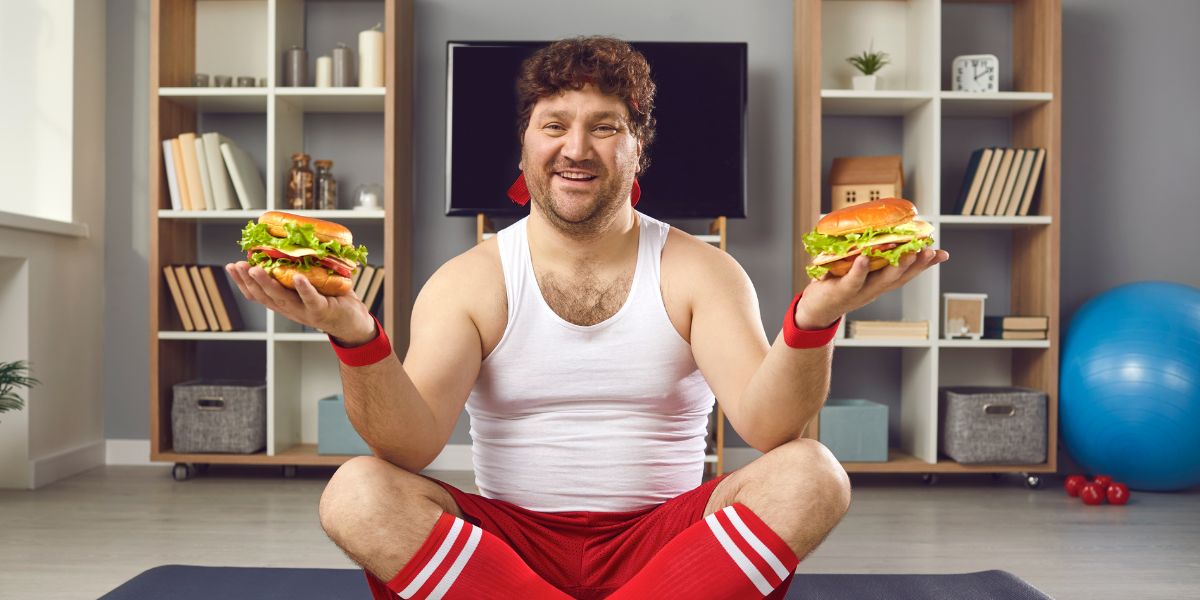
Fitness enthusiasts often use cheat meals to enjoy treats while staying on track with their goals. However, these indulgences, like sugary desserts or fried snacks, can stress your liver, the organ that processes nutrients and clears toxins. For gym-goers on high-protein diets, the liver already works hard, and cheat meals can add extra strain. 

Ignoring this can lead to fatigue, poor recovery, or health issues. This article explains how cheat meals affect your liver, backed by studies, and shares simple vegetarian ways to enjoy treats while protecting your liver, keeping you energised for your fitness journey.


The Liver’s Role in Fitness and Cheat Meals

Your liver is like a busy factory, processing everything you eat to fuel your workouts and clear waste. For fitness enthusiasts, it breaks down proteins from foods like lentils or tofu into amino acids for muscle repair. 

Cheat meals, often high in sugar, unhealthy fats, or processed carbs, make the liver work harder to metabolise these and remove toxins. 

A 2017 study in Hepatology found that high-sugar and high-fat diets can stress the liver, even in active people. Supporting your liver ensures better energy, recovery, and gym performance.

  • Why it matters: The liver fuels muscles and detoxifies cheat meal excesses.
  • How it helps: Keeps you energised and supports fitness goals.

How Cheat Meals Stress the Liver

Pizza

Cheat meals, like pizza, fries, or sugary drinks, often contain refined sugars, trans fats, or artificial additives. These are tough for the liver to process, as they can cause fat buildup or inflammation. 

A 2018 study in Journal of Clinical Investigation showed that high-sugar meals increase liver fat, even after one indulgence. 

For fitness enthusiasts, who often eat high-protein diets (1.2–2.2 g/kg body weight), cheat meals add to the liver’s workload, potentially causing fatigue or slowed recovery. Balancing cheat meals with liver care is key.

  • Why it matters: Excess sugar and fats overwork the liver.
  • How to manage: Limit cheat meals and choose healthier options.

Signs Your Liver is Stressed from Cheat Meals

A stressed liver shows subtle signs that gym-goers should watch for. Constant tiredness, even after rest, can mean the liver is struggling to process cheat meal toxins. Bloating, digestive discomfort, or dark urine are other clues. 

A 2019 study in Liver International linked high-fat diets to reduced liver efficiency in active people, affecting workout recovery. 

If you notice slower muscle recovery or low energy after cheat meals, your liver may need support to keep up with your fitness routine.

  • Why it matters: Early signs prevent long-term liver issues.
  • What to watch: Fatigue, bloating, or poor gym performance.

Note: Cheat meals may seem harmless, but frequent indulgence in unhealthy foods can strain the liver even more. Read our detailed guide on how junk food affects liver health and workout recovery.

How Cheat Meals Fit into a Fitness Routine?

Cheat meals can boost motivation by satisfying cravings, but they need to be planned. A 2020 study in Appetite found that controlled cheat meals improve diet adherence without harming fitness goals. 

However, frequent or unhealthy cheat meals can derail progress by stressing the liver, leading to energy dips or fat gain. 

The key is moderation—limit cheat meals to once a week and choose options that are less taxing on the liver to maintain gym performance and health.

  • Why it matters: Planned cheat meals support motivation without liver harm.
  • How to do it: Schedule one cheat meal weekly with healthier choices.

Vegetarian Cheat Meal Ideas That Are Liver-Friendly

Cheat meals don’t have to harm your liver. Here are vegetarian options that satisfy cravings while being kinder to your liver, with reasons why they work:

1. Homemade Veggie Pizza

A pizza with whole-grain crust, tomato sauce, and veggies like bell peppers or spinach is a tasty cheat meal. Whole grains digest slowly, preventing sugar spikes, and veggies provide antioxidants to protect the liver. 

A 2016 study in Nutrients found that high-fibre diets reduce liver stress. Top with moderate cheese to keep fat low. This satisfies pizza cravings without overloading the liver with unhealthy fats.

  • Why choose it? Fibre and antioxidants ease liver workload.
  • How to make it? Use whole-grain dough and load it with colourful veggies.

2. Baked Sweet Potato Fries

Swap fried potato fries for baked sweet potato fries. Sweet potatoes are rich in fibre and beta-carotene, which support liver detox, per a 2018 study in Food & Function. Baking avoids trans fats that harm the liver. 

Season with spices like paprika for flavour. This cheat meal feels indulgent but supports liver health and provides energy for workouts.

  • Why choose it? Nutrient-rich and low in harmful fats.
  • How to make it? Slice sweet potatoes, toss in olive oil, and bake at 400°F for 20 minutes.

3. Dark Chocolate Dessert

A small serving of dark chocolate (70% cocoa or higher) satisfies sweet cravings without liver stress. It’s rich in antioxidants called flavonoids, which reduce liver inflammation, per a 2017 study in the Journal of Nutritional Biochemistry

Avoid milk chocolate, which is high in sugar. Pair with berries for extra liver-protecting antioxidants. This treat boosts mood and supports liver function.

  • Why choose it? Antioxidants protect the liver from sugar damage.
  • How to enjoy it? Eat 1–2 squares with a handful of berries.

4. Whole-Grain Pancakes

Pancakes made with whole-grain flour and topped with fruit or maple syrup are a fun cheat meal. Whole grains provide fibre, which stabilises blood sugar, reducing liver strain, per a 2019 study in the American Journal of Clinical Nutrition. Avoid heavy syrups or whipped cream. 

This option feels indulgent but supports digestion and liver health, keeping you energised for the gym.

  • Why choose it? Fibre prevents sugar spikes that stress the liver.
  • How to make it? Use whole-grain flour and top with sliced bananas.

Strategies to Protect Your Liver from Cheat Meal Stress

Here are some of the best strategies to protect the liver from these cheat meal stress:

1. Plan Cheat Meals Wisely

Schedule cheat meals to avoid overindulging. 

A 2021 study in the Journal of Sports Sciences found that planned indulgences prevent diet burnout while minimising liver stress. 

Choose one meal weekly, like a veggie pizza, and keep portions moderate. 

Planning reduces impulsive eating of high-sugar or high-fat foods, helping your liver handle the load while supporting your fitness goals.

  • Why do it? Prevents frequent liver stress and maintains diet balance.
  • How to start? Pick a specific day, like Saturday, for your cheat meal.

2. Stay Hydrated

Glass of water

Drinking water helps the liver flush toxins from cheat meals, like excess sugar or fats. 

A 2019 study in the Journal of Clinical Medicine found that hydration improves liver function in active people. 

Aim for 8–12 glasses daily, more if you’re sweating at the gym. Hydration supports energy and recovery, ensuring your liver keeps up with your fitness routine.

  • Why do it? Eases the liver’s detox job and boosts workout energy.
  • How to start? Carry a water bottle and sip every hour.

3. Eat Liver-Supporting Foods Daily

Incorporate foods like garlic, turmeric, and green tea into your regular diet. Garlic aids liver detox with sulfur compounds, and turmeric reduces inflammation, per a 2018 study in Food & Function. Green tea’s antioxidants protect liver cells. 

These foods help your liver handle cheat meals, supporting muscle recovery and gym performance.

  • Why do it? Strengthens the liver against cheat meal stress.
  • How to start? Add garlic to meals, sip green tea, or use turmeric in curries.

4. Limit Cheat Meal Frequency

Frequent cheat meals increase liver stress, especially if high in sugar or fat. 

A 2020 study in Hepatology linked regular high-sugar intake to liver fat buildup, even in fit individuals. Stick to one cheat meal weekly to give your liver time to recover. 

This keeps your energy high and prevents long-term liver issues.

  • Why do it? Reduces the risk of liver fat and maintains performance.
  • How to start? Track cheat meals in a journal to stay consistent.

5. Get Enough Sleep

men in deep sleep

Sleep helps the liver repair and process nutrients, especially after cheat meals. Poor sleep raises stress hormones, worsening liver strain. 

A 2016 study in Sleep Medicine found that 7–9 hours of sleep improves liver function in active people. A consistent sleep schedule supports recovery and keeps your liver ready for gym demands.

  • Why do it? Restores liver and boosts workout recovery.
  • How to start? Set a bedtime and avoid screens an hour before.

6. Monitor Liver Health

Regular check-ups catch liver stress early. Blood tests for liver enzymes show how it is handling your diet and cheat meals. 

A 2017 study in the World Journal of Gastroenterology recommends annual checks for those on high-protein diets. 

Monitoring ensures your liver supports your fitness without hidden issues.

  • Why do it? Prevents undetected liver problems from cheat meals.
  • How to start? Ask your doctor for liver function tests yearly.

Common Myths About Cheat Meals and Liver Health

Myth

Fact

Cheat meals don’t affect the liver if you’re fit.

Even active individuals can stress their liver with high-sugar or high-fat cheat meals, as noted in a 2018 study in the Journal of Clinical Investigation.

Only non-vegetarian cheat meals harm the liver.

Vegetarian junk foods like sugary desserts and fried snacks also burden the liver, per a 2019 study in Hepatology.

One cheat meal a week is too small to cause liver issues.

Regular cheat meals—even weekly—can gradually raise liver enzyme levels, especially if they’re rich in trans fats and sugars.

Natural sugars in desserts are always safe for the liver.

Overeating jaggery, honey, or dried fruits in large portions still spikes blood sugar, straining liver metabolism over time.

Skipping meals before a cheat meal helps balance the damage.

Fasting before overeating increases fat buildup in the liver, which may worsen liver stress, as observed in several metabolic studies.

Why Liver Care Enhances Fitness

A healthy liver processes nutrients efficiently, supports muscle growth, and clears cheat meal toxins, boosting gym performance. 

A 2020 study in Nutrients found that better liver function improves endurance and strength in athletes. 

By choosing liver-friendly cheat meals and supporting habits, you maintain energy, recover faster, and avoid setbacks, making liver care a must for fitness enthusiasts.

Building Liver-Friendly Habits

Start with one cheat meal weekly, like baked sweet potato fries. Drink water hourly, add garlic or turmeric to meals, and sleep 7–9 hours. Track protein (1.2–2.2 g/kg) to avoid excess. These small steps reduce liver stress, ensuring your cheat meals don’t derail your fitness goals.

Conclusion

Cheat meals can be a fun part of your fitness journey, but they can stress your liver if not managed. High-sugar or high-fat vegetarian treats, like fries or desserts, add to the liver’s workload, especially with high-protein diets. Studies show moderation and liver-friendly habits, like hydration, sleep, and nutrient-rich foods, protect your liver. 

Choose vegetarian cheat meals like veggie pizza or dark chocolate to satisfy cravings without harm. By planning cheat meals and supporting your liver, you’ll stay energised, recover faster, and crush your gym goals. Start these habits today for a healthier you!

FAQs

1. What exercise to I do after a cheat day?

The best exercise after a cheat day is lighter cardio like walking, cycling or swimming. This helps burn excess calories and starts reducing inflammation without overtaxing your body if you're feeling sluggish. Weight training could cause injury.

2. How to detox the body after a cheat day?

To detox your body after a cheat day, make sure you are drinking plenty of lemon water and herbal teas to flush your system. Eat lots of raw fruits/veggies the next 2 days and avoid heavy dairy products, which are harder to digest. Sweating in a sauna also helps eliminate toxins.

3. What is the healthiest cheat meal?

Some of the healthiest cheat meals that have some nutritional value include a burger without the bun, thin crust veggie pizza, or sushi with brown rice. The key is balance - add salad and avoid heavy cream-based foods.

4. What is the fastest way to flush your body of toxins?

The fastest ways to flush toxins from your body are vigorous exercise to break a sweat, staying very hydrated with water and herbal teas, eating fibre-rich foods to support elimination, taking supplements like milk thistle, and spending time in a sauna to sweat out impurities.

5. What is the healthiest fast food?

Some of the healthiest fast food options are grilled chicken sandwiches or wraps, salad with light dressing, oatmeal with fruit, veggie flatbreads or subs, and soup. Stick to grilled lean protein options with veggies instead of fried, breaded items. Load up on produce.

References

  1. Cheat meals, often high in sugar, unhealthy fats, or processed carbs, make the liver work harder to metabolise these and remove toxins. (https://chennailiverfoundation.org)
  2. A 2016 study in Sleep Medicine found that 7–9 hours of sleep improves liver function in active people. (https://cdnsciencepub.com)
  3. Garlic aids liver detox with sulfur compounds. (https://pmc.ncbi.nlm.nih.gov)

Fitness enthusiasts often use cheat meals to enjoy treats while staying on track with their goals. However, these indulgences, like sugary desserts or fried snacks, can stress your liver, the organ that processes nutrients and clears toxins. For gym-goers on high-protein diets, the liver already works hard, and cheat meals can add extra strain. 

Ignoring this can lead to fatigue, poor recovery, or health issues. This article explains how cheat meals affect your liver, backed by studies, and shares simple vegetarian ways to enjoy treats while protecting your liver, keeping you energised for your fitness journey.


The Liver’s Role in Fitness and Cheat Meals

Your liver is like a busy factory, processing everything you eat to fuel your workouts and clear waste. For fitness enthusiasts, it breaks down proteins from foods like lentils or tofu into amino acids for muscle repair. 

Cheat meals, often high in sugar, unhealthy fats, or processed carbs, make the liver work harder to metabolise these and remove toxins. 

A 2017 study in Hepatology found that high-sugar and high-fat diets can stress the liver, even in active people. Supporting your liver ensures better energy, recovery, and gym performance.

  • Why it matters: The liver fuels muscles and detoxifies cheat meal excesses.
  • How it helps: Keeps you energised and supports fitness goals.

How Cheat Meals Stress the Liver

Pizza

Cheat meals, like pizza, fries, or sugary drinks, often contain refined sugars, trans fats, or artificial additives. These are tough for the liver to process, as they can cause fat buildup or inflammation. 

A 2018 study in Journal of Clinical Investigation showed that high-sugar meals increase liver fat, even after one indulgence. 

For fitness enthusiasts, who often eat high-protein diets (1.2–2.2 g/kg body weight), cheat meals add to the liver’s workload, potentially causing fatigue or slowed recovery. Balancing cheat meals with liver care is key.

  • Why it matters: Excess sugar and fats overwork the liver.
  • How to manage: Limit cheat meals and choose healthier options.

Signs Your Liver is Stressed from Cheat Meals

A stressed liver shows subtle signs that gym-goers should watch for. Constant tiredness, even after rest, can mean the liver is struggling to process cheat meal toxins. Bloating, digestive discomfort, or dark urine are other clues. 

A 2019 study in Liver International linked high-fat diets to reduced liver efficiency in active people, affecting workout recovery. 

If you notice slower muscle recovery or low energy after cheat meals, your liver may need support to keep up with your fitness routine.

  • Why it matters: Early signs prevent long-term liver issues.
  • What to watch: Fatigue, bloating, or poor gym performance.

Note: Cheat meals may seem harmless, but frequent indulgence in unhealthy foods can strain the liver even more. Read our detailed guide on how junk food affects liver health and workout recovery.

How Cheat Meals Fit into a Fitness Routine?

Cheat meals can boost motivation by satisfying cravings, but they need to be planned. A 2020 study in Appetite found that controlled cheat meals improve diet adherence without harming fitness goals. 

However, frequent or unhealthy cheat meals can derail progress by stressing the liver, leading to energy dips or fat gain. 

The key is moderation—limit cheat meals to once a week and choose options that are less taxing on the liver to maintain gym performance and health.

  • Why it matters: Planned cheat meals support motivation without liver harm.
  • How to do it: Schedule one cheat meal weekly with healthier choices.

Vegetarian Cheat Meal Ideas That Are Liver-Friendly

Cheat meals don’t have to harm your liver. Here are vegetarian options that satisfy cravings while being kinder to your liver, with reasons why they work:

1. Homemade Veggie Pizza

A pizza with whole-grain crust, tomato sauce, and veggies like bell peppers or spinach is a tasty cheat meal. Whole grains digest slowly, preventing sugar spikes, and veggies provide antioxidants to protect the liver. 

A 2016 study in Nutrients found that high-fibre diets reduce liver stress. Top with moderate cheese to keep fat low. This satisfies pizza cravings without overloading the liver with unhealthy fats.

  • Why choose it? Fibre and antioxidants ease liver workload.
  • How to make it? Use whole-grain dough and load it with colourful veggies.

2. Baked Sweet Potato Fries

Swap fried potato fries for baked sweet potato fries. Sweet potatoes are rich in fibre and beta-carotene, which support liver detox, per a 2018 study in Food & Function. Baking avoids trans fats that harm the liver. 

Season with spices like paprika for flavour. This cheat meal feels indulgent but supports liver health and provides energy for workouts.

  • Why choose it? Nutrient-rich and low in harmful fats.
  • How to make it? Slice sweet potatoes, toss in olive oil, and bake at 400°F for 20 minutes.

3. Dark Chocolate Dessert

A small serving of dark chocolate (70% cocoa or higher) satisfies sweet cravings without liver stress. It’s rich in antioxidants called flavonoids, which reduce liver inflammation, per a 2017 study in the Journal of Nutritional Biochemistry

Avoid milk chocolate, which is high in sugar. Pair with berries for extra liver-protecting antioxidants. This treat boosts mood and supports liver function.

  • Why choose it? Antioxidants protect the liver from sugar damage.
  • How to enjoy it? Eat 1–2 squares with a handful of berries.

4. Whole-Grain Pancakes

Pancakes made with whole-grain flour and topped with fruit or maple syrup are a fun cheat meal. Whole grains provide fibre, which stabilises blood sugar, reducing liver strain, per a 2019 study in the American Journal of Clinical Nutrition. Avoid heavy syrups or whipped cream. 

This option feels indulgent but supports digestion and liver health, keeping you energised for the gym.

  • Why choose it? Fibre prevents sugar spikes that stress the liver.
  • How to make it? Use whole-grain flour and top with sliced bananas.

Strategies to Protect Your Liver from Cheat Meal Stress

Here are some of the best strategies to protect the liver from these cheat meal stress:

1. Plan Cheat Meals Wisely

Schedule cheat meals to avoid overindulging. 

A 2021 study in the Journal of Sports Sciences found that planned indulgences prevent diet burnout while minimising liver stress. 

Choose one meal weekly, like a veggie pizza, and keep portions moderate. 

Planning reduces impulsive eating of high-sugar or high-fat foods, helping your liver handle the load while supporting your fitness goals.

  • Why do it? Prevents frequent liver stress and maintains diet balance.
  • How to start? Pick a specific day, like Saturday, for your cheat meal.

2. Stay Hydrated

Glass of water

Drinking water helps the liver flush toxins from cheat meals, like excess sugar or fats. 

A 2019 study in the Journal of Clinical Medicine found that hydration improves liver function in active people. 

Aim for 8–12 glasses daily, more if you’re sweating at the gym. Hydration supports energy and recovery, ensuring your liver keeps up with your fitness routine.

  • Why do it? Eases the liver’s detox job and boosts workout energy.
  • How to start? Carry a water bottle and sip every hour.

3. Eat Liver-Supporting Foods Daily

Incorporate foods like garlic, turmeric, and green tea into your regular diet. Garlic aids liver detox with sulfur compounds, and turmeric reduces inflammation, per a 2018 study in Food & Function. Green tea’s antioxidants protect liver cells. 

These foods help your liver handle cheat meals, supporting muscle recovery and gym performance.

  • Why do it? Strengthens the liver against cheat meal stress.
  • How to start? Add garlic to meals, sip green tea, or use turmeric in curries.

4. Limit Cheat Meal Frequency

Frequent cheat meals increase liver stress, especially if high in sugar or fat. 

A 2020 study in Hepatology linked regular high-sugar intake to liver fat buildup, even in fit individuals. Stick to one cheat meal weekly to give your liver time to recover. 

This keeps your energy high and prevents long-term liver issues.

  • Why do it? Reduces the risk of liver fat and maintains performance.
  • How to start? Track cheat meals in a journal to stay consistent.

5. Get Enough Sleep

men in deep sleep

Sleep helps the liver repair and process nutrients, especially after cheat meals. Poor sleep raises stress hormones, worsening liver strain. 

A 2016 study in Sleep Medicine found that 7–9 hours of sleep improves liver function in active people. A consistent sleep schedule supports recovery and keeps your liver ready for gym demands.

  • Why do it? Restores liver and boosts workout recovery.
  • How to start? Set a bedtime and avoid screens an hour before.

6. Monitor Liver Health

Regular check-ups catch liver stress early. Blood tests for liver enzymes show how it is handling your diet and cheat meals. 

A 2017 study in the World Journal of Gastroenterology recommends annual checks for those on high-protein diets. 

Monitoring ensures your liver supports your fitness without hidden issues.

  • Why do it? Prevents undetected liver problems from cheat meals.
  • How to start? Ask your doctor for liver function tests yearly.

Common Myths About Cheat Meals and Liver Health

Myth

Fact

Cheat meals don’t affect the liver if you’re fit.

Even active individuals can stress their liver with high-sugar or high-fat cheat meals, as noted in a 2018 study in the Journal of Clinical Investigation.

Only non-vegetarian cheat meals harm the liver.

Vegetarian junk foods like sugary desserts and fried snacks also burden the liver, per a 2019 study in Hepatology.

One cheat meal a week is too small to cause liver issues.

Regular cheat meals—even weekly—can gradually raise liver enzyme levels, especially if they’re rich in trans fats and sugars.

Natural sugars in desserts are always safe for the liver.

Overeating jaggery, honey, or dried fruits in large portions still spikes blood sugar, straining liver metabolism over time.

Skipping meals before a cheat meal helps balance the damage.

Fasting before overeating increases fat buildup in the liver, which may worsen liver stress, as observed in several metabolic studies.

Why Liver Care Enhances Fitness

A healthy liver processes nutrients efficiently, supports muscle growth, and clears cheat meal toxins, boosting gym performance. 

A 2020 study in Nutrients found that better liver function improves endurance and strength in athletes. 

By choosing liver-friendly cheat meals and supporting habits, you maintain energy, recover faster, and avoid setbacks, making liver care a must for fitness enthusiasts.

Building Liver-Friendly Habits

Start with one cheat meal weekly, like baked sweet potato fries. Drink water hourly, add garlic or turmeric to meals, and sleep 7–9 hours. Track protein (1.2–2.2 g/kg) to avoid excess. These small steps reduce liver stress, ensuring your cheat meals don’t derail your fitness goals.

Conclusion

Cheat meals can be a fun part of your fitness journey, but they can stress your liver if not managed. High-sugar or high-fat vegetarian treats, like fries or desserts, add to the liver’s workload, especially with high-protein diets. Studies show moderation and liver-friendly habits, like hydration, sleep, and nutrient-rich foods, protect your liver. 

Choose vegetarian cheat meals like veggie pizza or dark chocolate to satisfy cravings without harm. By planning cheat meals and supporting your liver, you’ll stay energised, recover faster, and crush your gym goals. Start these habits today for a healthier you!

FAQs

1. What exercise to I do after a cheat day?

The best exercise after a cheat day is lighter cardio like walking, cycling or swimming. This helps burn excess calories and starts reducing inflammation without overtaxing your body if you're feeling sluggish. Weight training could cause injury.

2. How to detox the body after a cheat day?

To detox your body after a cheat day, make sure you are drinking plenty of lemon water and herbal teas to flush your system. Eat lots of raw fruits/veggies the next 2 days and avoid heavy dairy products, which are harder to digest. Sweating in a sauna also helps eliminate toxins.

3. What is the healthiest cheat meal?

Some of the healthiest cheat meals that have some nutritional value include a burger without the bun, thin crust veggie pizza, or sushi with brown rice. The key is balance - add salad and avoid heavy cream-based foods.

4. What is the fastest way to flush your body of toxins?

The fastest ways to flush toxins from your body are vigorous exercise to break a sweat, staying very hydrated with water and herbal teas, eating fibre-rich foods to support elimination, taking supplements like milk thistle, and spending time in a sauna to sweat out impurities.

5. What is the healthiest fast food?

Some of the healthiest fast food options are grilled chicken sandwiches or wraps, salad with light dressing, oatmeal with fruit, veggie flatbreads or subs, and soup. Stick to grilled lean protein options with veggies instead of fried, breaded items. Load up on produce.

References

  1. Cheat meals, often high in sugar, unhealthy fats, or processed carbs, make the liver work harder to metabolise these and remove toxins. (https://chennailiverfoundation.org)
  2. A 2016 study in Sleep Medicine found that 7–9 hours of sleep improves liver function in active people. (https://cdnsciencepub.com)
  3. Garlic aids liver detox with sulfur compounds. (https://pmc.ncbi.nlm.nih.gov)

Related Articles

Women's Gym Routine for Liver Health and Lifestyle

10 Daily Liver Care Habits for Gym & Fitness Enthusiasts

Gym-goers push their bodies hard with intense workouts and high-protein diets to build muscle and stay fit. But this can stress your liver, the organ that processes nutrients and clears toxins. A h...

Read more
Gym person eating junk food

How Junk Food Affects Liver Enzymes and Workout Recovery?

Junk food, like burgers, fries, and sugary drinks, tastes great but can harm your liver and slow your gym progress. The liver processes nutrients and removes toxins, which are essential for energy ...

Read more