




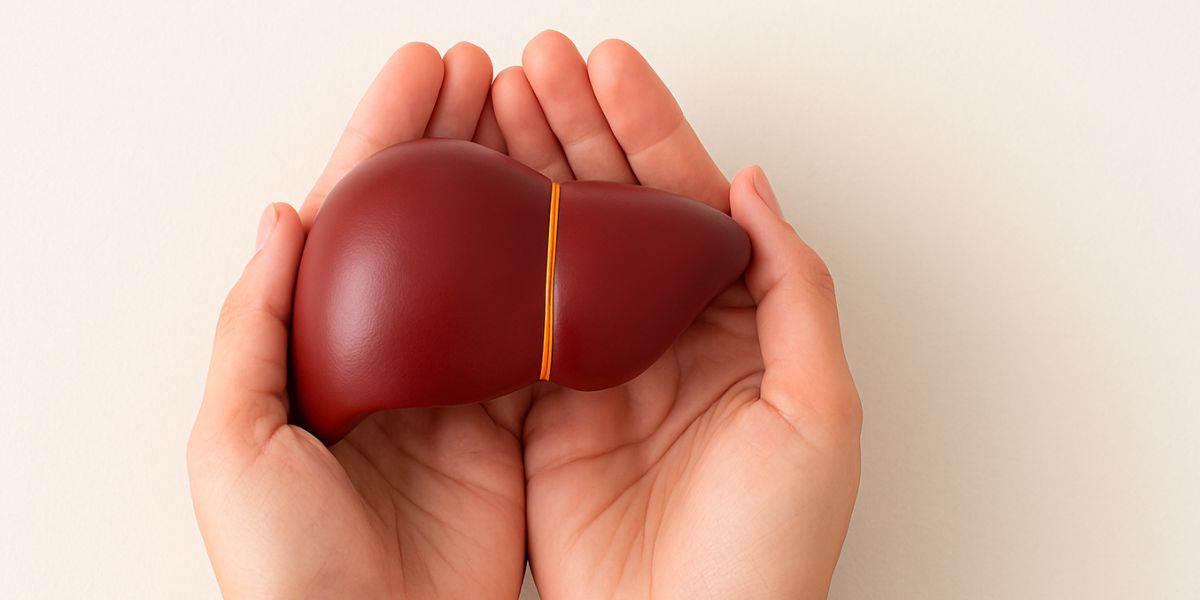
5 Ayurvedic Treatments for Fatty Liver: What Works & Tips
Fatty liver disease, where excess fat builds up in the liver, is becoming common due to poor diet and lifestyle. Ayurveda, an ancient Indian healing system, offers natural ways to manage this condition by balancing the body and detoxifying the liver. Using herbs, diet, and therapies, Ayurveda aims to reduce liver fat and improve health. But not all Ayurvedic methods work equally well, and some may not suit everyone.
This article explains effective Ayurvedic protocols for fatty liver, what really works, what doesn’t, and how to approach treatment safely in simple, easy-to-understand language.
What Is Fatty Liver Disease?
Fatty liver disease becomes a concern when there is an excessive accumulation of fat in the liver cells. It can be classified into two main categories: Non-Alcoholic Fatty Liver Disease (NAFLD), which is linked to obesity and diabetes, and Alcoholic Fatty Liver Disease (AFLD), associated with chronic alcohol consumption.
Fatty liver can progress to severe liver issues like steatohepatitis, which is liver inflammation, cirrhosis, or complete liver failure. Symptoms may include extreme tiredness, upper right belly ache, or no symptoms at all in the early stage.
In Ayurveda, the liver is associated with the Pitta dosha (fire and heat). Kapha dosha (earth and water), when in excess, can lead to fat accumulation in the liver, while an imbalanced Pitta results in inflammation.
The Ayurvedic method treats fatty liver by detoxifying the liver, boosting digestion, and, more importantly, balancing the doshas.
Ayurvedic Approach to Fatty Liver

Ayurveda focuses on treating the root cause of fatty liver, not just the symptoms. It uses a mix of:
- Herbal remedies to protect and cleanse the liver.
- Dietary changes to reduce fat and support digestion.
- Lifestyle adjustments like exercise and stress management.
- Detox therapies (Panchakarma) to remove toxins.
The goal is to reduce liver fat, improve its function, and prevent complications. However, the success of these methods depends on the person’s condition, the stage of fatty liver, and how well they follow the plan.
What are Ayurvedic Treatments for Fatty Liver?
1. Herbal remedies
Certain Ayurvedic herbs are known for their hepatoprotective (liver-protecting) and detoxifying properties. These have shown promising results in managing fatty liver:
- Milk Thistle (Silybum marianum): Contains silymarin, an antioxidant that reduces liver inflammation and supports detoxification. It’s widely used in Ayurveda and modern herbal medicine.
- Bhumi Amla (Phyllanthus niruri): Known for its liver-cleansing effects, it helps reduce fat buildup and inflammation. It’s often used in powders or decoctions.
- Triphala: A blend of three fruits (Amla, Haritaki, Bibhitaki) that detoxifies the liver, improves digestion, and reduces fat accumulation.
- Kutki (Picrorhiza kurroa): A bitter herb that promotes bile flow, reduces liver fat, and protects against damage. It’s used in small doses due to its potency.
- Turmeric (Curcuma longa): Its active compound, curcumin, reduces inflammation and prevents fat buildup in the liver. It can be added to food or taken as a supplement.
- Guduchi (Tinospora cordifolia): Boosts immunity, detoxifies the liver, and reduces oxidative stress. It’s often used in juices or powders.
How to Use: Always consult an Ayurvedic practitioner for the correct dosage and form (e.g., powder, capsule, or decoction). These herbs work best when combined with a proper diet and lifestyle.
2. Panchakarma detox therapies

Panchakarma is a set of Ayurvedic cleansing therapies that remove toxins from the body. For fatty liver, the following are effective:
- Virechana (Purgation): A controlled detox process that flushes out excess Pitta and Kapha from the liver. It reduces inflammation and fat buildup. Studies show Virechana improves liver function and lipid levels.
- Basti (Herbal Enema): Cleanses the colon and balances Vata, which supports liver health. It’s beneficial for advanced cases.
- Abhyanga (Oil Massage): Uses medicated oils to improve circulation and detoxify the liver. It’s a gentle therapy that also reduces stress.
Why It Works: These therapies clear toxins, improve digestion, and restore dosha balance. A case study showed that a patient with grade II fatty liver had normal liver function after two months of Panchakarma and herbal treatment.
3. Ayurvedic diet for fatty liver
Diet is a key part of Ayurvedic treatment. A liver-friendly diet reduces Kapha, balances Pitta, and supports digestion. What to include:
- Light, Warm Foods: Cooked vegetables (bitter gourd, broccoli, leafy greens), whole grains (oats, barley), and mung dal. These are easy to digest and reduce fat.
- Fruits: Apples, pears, and papaya are low in sugar and support liver detox. Amla (Indian gooseberry) is perfect for its antioxidants.
- Spices: Turmeric, ginger, and cumin boost digestion and reduce inflammation.
- Healthy Fats: Small amounts of ghee or omega-3-rich oils (flaxseed, olive oil).
- Herbal Drinks: Warm water with lemon, green tea, or dandelion root tea to aid detox.
What to Avoid:
- Heavy, oily, or fried foods (e.g., fast food, cheese).
- Refined sugars and processed carbs (e.g., white bread, sweets).
- Red meat, curd, and excessive dairy.
- Alcohol, even in small amounts, directly harms the liver.
- Check out our in-depth guide on foods to avoid in fatty liver.
Why it works: A balanced diet reduces liver fat and improves metabolism. Weight loss of 5–10% can significantly lower liver fat and inflammation.
4. Lifestyle changes
Ayurveda emphasises a healthy lifestyle to support liver health:
- Exercise: Regular activity like walking, yoga (e.g., Gomukhasana, Dhanurasana), or aerobics reduces liver fat and improves insulin sensitivity. Aim for 30 minutes daily.
- Weight loss: Losing 5–7% of body weight can reverse early fatty liver. Gradual weight loss through diet and exercise is key.
- Stress management: Chronic stress harms the liver. Practices like meditation, pranayama (breathing exercises), and yoga reduce stress and support healing.
- Sleep: Get 7–8 hours of quality sleep to allow the liver to detoxify naturally.
Why it works: These habits address root causes like obesity and insulin resistance, which are major drivers of NAFLD. Regular exercise also lowers triglycerides, a key factor in fatty liver.
5. Personalised treatment
Ayurveda specialises in treating patients by tailoring each plan to a person's Prakriti (body type) along with the stage of their disease. A professional uses diagnostic approaches like pulse data collection and utter readings (Nadi Pariksha) to develop a thorough strategy. Such tailored plans guarantee better outcomes.
Reason for Its Efficacy: Every individual experiencing fatty liver deals with it differently. Individualised strategies target specific areas of imbalance and gaps, making treatments much simpler. Custom Ayurvedic treatment was found to enhance liver functionality in patients diagnosed with NAFLD.
Note: If you're looking to support your liver naturally, incorporating Ayurvedic solutions into your routine can be a powerful step. Explore our specially formulated Ayurvedic Liver Tablets designed to help detoxify and rejuvenate your liver.
A complete Ayurvedic approach to fatty liver includes both herbal remedies and supportive daily habits. Here's how you can begin a liver detox at home using natural methods.
What Doesn’t Work: Common Pitfalls and Myths
1. Relying only on herbs
Some people think taking herbs alone will cure fatty liver. While herbs like Milk Thistle or Kutki are helpful, they work best with diet and lifestyle changes. Without addressing obesity, poor diet, or alcohol use, herbs may have little effect.
Why it fails: Fatty liver is a lifestyle-related condition. Herbs can support the liver, but can’t fix the root cause alone.
2. Overusing detox therapies
Panchakarma therapies like Virechana are robust but not suitable for everyone. Overdoing purgation or enemas can cause weakness, dehydration, or electrolyte imbalances, especially in children, the elderly, or those with heart issues.
Why it fails: Improper use of detox therapies without medical supervision can harm rather than heal. Always consult a trained practitioner.
3. Ignoring alcohol
Some believe small amounts of alcohol are safe for NAFLD. However, even light drinking can worsen liver damage. Ayurveda strictly advises avoiding alcohol for fatty liver patients.
Why It Fails: Alcohol directly damages liver cells, making recovery more complicated. Quitting alcohol is essential for both AFLD and NAFLD.
4. Unbalanced diets
Following fad diets or extreme fasting can harm the liver. For example, starvation or rapid weight loss can increase liver fat. Ayurveda recommends a balanced, moderate diet instead.
Why it fails: Extreme diets disrupt metabolism and stress the liver, worsening fatty liver.
5. Using unverified supplements
Some Ayurvedic products sold online may lack quality control or contain harmful additives. For example, specific formulations with iron (e.g., Lohasava) can harm the liver if overused.
Why It Fails: Poor-quality or wrong supplements can cause side effects or liver damage. Always buy from trusted sources and consult a practitioner.
6. Expecting quick fixes
Fatty liver develops over the years, so it takes time to heal. Some people expect instant results from Ayurvedic remedies, but consistent effort is needed. Improvement may take weeks to months.
Why it fails: Lack of patience leads to abandoning treatment too soon. Steady, long-term changes are key.
How to Make Ayurvedic Fatty Liver Treatment Effective?
To get the best results from Ayurveda:
- Consult a qualified practitioner: Work with a registered Ayurvedic doctor to create a personalised plan. They can adjust herbs, therapies, and diet based on your needs.
- Combine approaches: Use herbs, diet, lifestyle, and therapies together for maximum benefit. A holistic approach works better than focusing on one aspect.
- Monitor progress: Regular checkups, including blood tests (e.g., liver function tests) and ultrasounds, track improvement.
- Avoid toxins: Limit exposure to environmental toxins (e.g., pesticides, smoking) that stress the liver.
- Be consistent: Stick to the plan, even if results take time. Small, steady changes lead to lasting improvement.
When to See a Doctor for Fatty Liver?
Ayurveda is safe when done correctly, but it’s not a replacement for medical care in severe cases. See a doctor if you have:
- Yellow skin or eyes (jaundice).
- Severe abdominal pain or swelling.
- Confusion or extreme tiredness.
- Signs of advanced liver disease (e.g., vomiting blood).
People with conditions like diabetes, kidney disease, or pregnancy should consult both an Ayurvedic practitioner and a medical doctor before starting treatment.
Conclusion
Ayurveda offers practical ways to manage fatty liver through herbs like Milk Thistle and Kutki, detox therapies like Virechana, and a balanced diet and lifestyle. These methods work best when personalised and combined, helping reduce liver fat and improve health. However, relying only on herbs, overusing detox, or expecting quick fixes doesn’t work.
Always consult a qualified practitioner and avoid alcohol or unverified supplements. With patience and consistency, Ayurveda can reverse early fatty liver and promote long-term wellness. Regular checkups ensure safe and successful treatment for a healthier liver.
FAQs
1. What are the dos and don'ts of fatty liver disease?
Dos: Lose weight if overweight, exercise regularly, eat a healthy diet low in fat/carbs/sugar, choose plant foods like vegetables and fruits, drink lots of water, manage stress levels, take liver-supporting supplements like milk thistle. Don’ts: Don’t consume alcohol, avoid sodas/sweetened drinks, processed foods, fried foods, and limit red meat consumption.
2. How to reduce fatty liver as per Ayurveda?
Ayurveda recommends consuming bitter-tasting foods like turmeric and dandelion greens to reduce fatty liver, as well as including ghee, aloe vera juice, garlic, and fermented foods. Getting regular gentle exercise, abhyanga (oil massage), and avoiding alcohol/smoking is also advised.
3. What is the fastest way to cure a fatty liver naturally?
The fastest way is to make significant dietary changes immediately - eliminate all fatty, sugary and processed foods and switch to a whole foods plant-based diet high in fruits, vegetables, and legumes. Exercise daily, drink lots of water, reduce stress, and take anti-inflammatory supplements. Significant improvement can be seen in just 2 weeks.
4. What is the best drink for fatty liver?
Some of the best drinks for fatty liver are green tea, vegetable juice, aloe vera juice, lemon water, bone broth, ginger/turmeric/dandelion root tea, and chamomile tea. Staying properly hydrated also helps liver function.
5. Which fruit removes fatty liver?
Studies show grapes, prickly pears, and many citrus fruits like lemon, lime and orange help reduce fat buildup and cleanse the liver due to antioxidants like vitamin C. Eating a variety of fresh fruits aids liver health.
References:
- Certain Ayurvedic herbs are known for their hepatoprotective (liver-protecting) and detoxifying properties. (https://www.researchgate.net/)
- Alcohol directly damages liver cells, making recovery more complicated. (https://pmc.ncbi.nlm.nih.gov/)
- Panchakarma is a set of Ayurvedic cleansing therapies that remove toxins from the body. (https://pmc.ncbi.nlm.nih.gov/)

Written by

Zanducare
India’s trusted name in Ayurvedic wellness, offering time-tested solutions for today’s health and lifestyle needs. With formulations rooted in classical Ayurvedic texts and crafted using pure natural ingredients, we bring holistic care into your everyday routine.
Research by



Leave a comment
This site is protected by hCaptcha and the hCaptcha Privacy Policy and Terms of Service apply.