Sabja Seeds vs Chia Seeds: Difference in Uses, Benefits & Nutrients
People's awareness of their health and well-being has grown over time. More and more people are including superfoods in their diets. These are high in nutrients and offer a variety of advantages. Chia and Sabja (Basil) seeds are among the most well-liked superfoods available amid the superfood boom.
Nonetheless, because of their similar appearances, most individuals are unable to distinguish between Chia and Sabja seeds, leading to much confusion.
We will now discuss their health advantages and how to include them in a balanced diet.
Did You Know
Salvia Hispanica, commonly called chia, is an herbaceous plant in the Lamiaceae family native to southern Mexico and northern Guatemala.
Helps in controlling diabetes.
However, did you know that sabba or falooda seeds have a ton of health advantages in addition to being great for seasoning food or starting fresh basil plants?.
Infused with anti-inflammatory and anti-carcinogenic properties.
Basil seeds, Tukmaria seeds
Difference between Sabja seeds vs Chia seeds
Aspect
Chia Seeds
Sabja Seeds
Scientific Name
Salvia hispanica
Ocimum basilicum
Common Names
Chia seeds
Basil seeds, Tukmaria seeds
Appearance
Small, oval-shaped, black or white
Small, round, black
Origin
Central and Southern Mexico, Guatemala
India, Southeast Asia
Taste
Mild, nutty flavour
The mild, slightly sweet flavour
Nutritional Content
High in omega-3 fatty acids, fibre, protein, calcium, antioxidants
High in fibre, iron, protein, antioxidants, calcium
Water Absorption
Absorb 10-12 times their weight in water, forming a gel
Absorb 8-10 times their weight in water, forming a gel
Uses in Food
Smoothies, yoghurt, puddings, baked goods, salads
Drinks, desserts, smoothies
Health Benefits
Heart health, digestion, weight loss, energy boost
Digestion, cooling body, weight loss
Soaking Time
30 minutes to 2 hours
10-15 minutes
Culinary Versatility
Can be eaten raw, added to a variety of dishes
Typically soaked before use, it is commonly used in beverages
Shelf Life
Long shelf life when stored in a cool, dry place
Shorter shelf life, best used fresh
Allergies and Precautions
Generally safe, but can cause digestive issues if not taken with enough water
Generally safe, but can cause choking if not soaked properly
Overview on Chia seeds
Salvia Hispanica, commonly called chia, is an herbaceous plant in the Lamiaceae family native to southern Mexico and northern Guatemala. It produces several dried indehiscent fruits, often known as seeds.
Chia is now grown in Argentina, Bolivia, Peru, Guatemala, Mexico, Australia, and Colombia. In the sixteenth century, pre-Columbian Indians used chia to increase their strength, vitality, and endurance. Chia seeds are used to extract oil, which is then used in cosmetic products. It's possible that the plant's other components—such as its roots, leaves, and branches—were less frequently employed to treat respiratory illnesses.
Nutritional value of Chia seeds
The value of Chia seeds per 100 grams is as follows: -
Nutrients
Content per 100 grams
Fats
30.7 g
Water
5.8 g
Protein
16.5 g
Carbohydrates
42.1 g
Energy
486 kcal
Fibre
34.4 g
Iron
7.72 mg
Calcium
631 mg
Magnesium
335 mg
Sodium
16 mg
Potassium
407 mg
Zinc
4.58 mg
Manganese
2.72 mg
Selenium
55.2 ug
Copper
0.924 mg
Phosphorus
860 mg
Vitamin B1
0.62 mg
Vitamin B2
0.17 mg
Vitamin B3
8.82 mg
Vitamin E
0.5 mg
Vitamin C
1.6 mg
Health benefits of Chia seeds
Reducing blood pressure
Lowering cholesterol levels
Supporting digestive health
Aiding in weight management
Improves anxiety and depression.
Helps in controlling diabetes
Protecting against chronic disease
Reducing inflammation
Overview on Sabja seeds
Seeds of Sabja or basil are widely used as seasonings. They give meals a distinct flavour. However, did you know that sabba or falooda seeds have a ton of health advantages in addition to being great for seasoning food or starting fresh basil plants? When it comes to nutritional value, these little black seeds, which resemble black sesame seeds, can rival flax and chia seeds.
They are taken from Sweet Basil, not Holy Basil, which is more common in India and is highly prized for strengthening immunity.
Nutritional value of Sabja seeds
This chart of Sabja seeds is per 1 tablespoon or 13 grams
Basil Constituents
Amount
Calories
60
Omega-3 fatty acids
1.240 g
Fats
2.5 g
Protein
2 g
Carbohydrates
7 g
Iron
10% of daily intake
Magnesium
10% of daily intake
Calcium
15% of daily intake
Also contains polyphenols and flavonoids
Health benefits of Sabja seeds
Acts as a natural body coolant
Good for diabetic patients
Reduces blood sugar levels
Helps in relieving constipation and acidity
Aids in weight loss
Regularises bowel movement
Prevent the risk of heart diseases
Powerhouse of minerals
Infused with anti-inflammatory and anti-carcinogenic properties
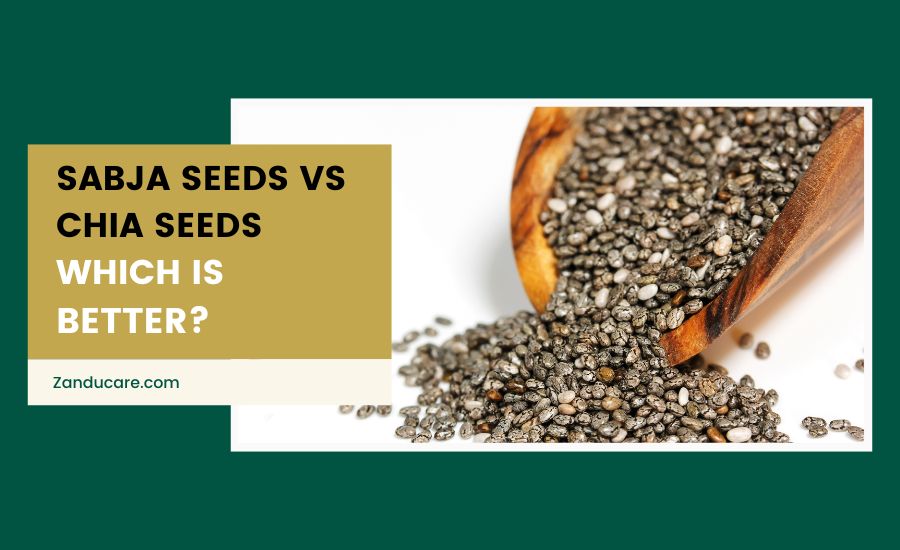
Chia seeds are a mixture of grey, black, white, and occasionally brown seeds; they are never entirely black. Conversely, Sabja seeds have a consistent jet-black colour. Basil seeds are small and round, whilst the former are slightly larger and more oval.
On soaking in water
It takes time for chia seeds to absorb liquid. However, they can absorb more than ten times their own weight, giving them the unusual capacity to gel.
When Sabja seeds are combined with water, they quickly swell. When compared to a wet chia seed, the seed appears significantly more prominent due to the translucent covering that forms around it.
Usage
Chia seeds can be consumed raw or after soaking, while the Sabja seeds can only be consumed after soaking.
Taste of soaked seeds
Chia seeds blend easily into any type of meal and have no distinct flavour. On the other hand, the mild basil flavour of Sabja seeds can be used in desserts and drinks.
Conclusion
In conclusion, Chia seeds and Sabja seeds are both highly nutritious and beneficial, but they have different strengths. Chia seeds are rich in omega-3 fatty acids and have a mild, nutty flavour, making them versatile for various dishes. Sabja seeds, on the other hand, are great for quick hydration, have cooling properties, and are commonly used in drinks and desserts.
Both seeds support digestion and weight loss, but your choice will depend on your specific health goals and culinary preferences. Including either seed in your diet can boost your overall nutrition and wellness.
FAQs
1. Which is best Sabja seeds or chia seeds?
Choosing between Sabja seeds and chia seeds depends on your needs: chia seeds are best for omega-3 and versatility, while Sabja seeds are ideal for quick hydration and cooling properties.
2. Who should not eat Sabja seeds?
Because Sabja seeds tend to raise oestrogen levels in the body, pregnant women should only eat them under a doctor's supervision. Extracts and oil from Sabja seeds can inhibit thrombolysis. Therefore, if you have just undergone surgery or are injured, it is not advised that you consume it.
3. Can Chia and Sabja be taken together?
Yes, consuming both at once can help you lose weight effectively. Soaking them together for fifteen minutes before juicing is the optimal method.
4. Is Sabja good for weight loss?
Sabja seeds are high in protein, good fats, and dietary fibre. They do not contribute to weight gain and are helpful for weight loss. Dietary fibre helps prevent overeating by maintaining a sensation of fullness.
5. Are Sabja seeds good for females?
Sabja seeds are the ideal option for women who experience excessive bleeding during their periods since they lower estrogen levels, which makes them diuretic and very beneficial in treating UTIs.
6. Can we soak Sabja seeds overnight?
Drink a daily solution made by soaking 1-2 tablespoons of Sabja seeds in water for at least 20 minutes.
7. Are there any health benefits of Chia seeds?
Chia seeds might offer a host of health advantages. Diabetes, high blood pressure, heart-related conditions, and obesity might benefit from them. They might also have anti-inflammatory, antioxidant, and anti-cancer qualities. Before consuming chia seeds for any medical ailment, one should, however, always speak with a physician.
8. Does Sabja seeds cause acne?
There isn't any direct evidence that Sabja seeds cause acne. However, due to possible hormonal effects or allergies, excessive ingestion may cause acne in some people. It's recommended to drink them sparingly and pay attention to any individual reactions.
9. What are the side effects of drinking Sabja water daily?
While Sabja seeds have a high fiber content and can help the body digest food better, consuming too many of them can cause unpleasant side effects including diarrhea, bloating, or cramping in the abdomen. It is therefore strongly advised to adhere to the daily usage limit.
People's awareness of their health and well-being has grown over time. More and more people are including superfoods in their diets. These are high in nutrients and offer a variety of advantages. Chia and Sabja (Basil) seeds are among the most well-liked superfoods available amid the superfood boom.
Nonetheless, because of their similar appearances, most individuals are unable to distinguish between Chia and Sabja seeds, leading to much confusion.
We will now discuss their health advantages and how to include them in a balanced diet.
Did You Know
Salvia Hispanica, commonly called chia, is an herbaceous plant in the Lamiaceae family native to southern Mexico and northern Guatemala.
Helps in controlling diabetes.
However, did you know that sabba or falooda seeds have a ton of health advantages in addition to being great for seasoning food or starting fresh basil plants?.
Infused with anti-inflammatory and anti-carcinogenic properties.
Basil seeds, Tukmaria seeds
Difference between Sabja seeds vs Chia seeds
Aspect
Chia Seeds
Sabja Seeds
Scientific Name
Salvia hispanica
Ocimum basilicum
Common Names
Chia seeds
Basil seeds, Tukmaria seeds
Appearance
Small, oval-shaped, black or white
Small, round, black
Origin
Central and Southern Mexico, Guatemala
India, Southeast Asia
Taste
Mild, nutty flavour
The mild, slightly sweet flavour
Nutritional Content
High in omega-3 fatty acids, fibre, protein, calcium, antioxidants
High in fibre, iron, protein, antioxidants, calcium
Water Absorption
Absorb 10-12 times their weight in water, forming a gel
Absorb 8-10 times their weight in water, forming a gel
Uses in Food
Smoothies, yoghurt, puddings, baked goods, salads
Drinks, desserts, smoothies
Health Benefits
Heart health, digestion, weight loss, energy boost
Digestion, cooling body, weight loss
Soaking Time
30 minutes to 2 hours
10-15 minutes
Culinary Versatility
Can be eaten raw, added to a variety of dishes
Typically soaked before use, it is commonly used in beverages
Shelf Life
Long shelf life when stored in a cool, dry place
Shorter shelf life, best used fresh
Allergies and Precautions
Generally safe, but can cause digestive issues if not taken with enough water
Generally safe, but can cause choking if not soaked properly
Overview on Chia seeds
Salvia Hispanica, commonly called chia, is an herbaceous plant in the Lamiaceae family native to southern Mexico and northern Guatemala. It produces several dried indehiscent fruits, often known as seeds.
Chia is now grown in Argentina, Bolivia, Peru, Guatemala, Mexico, Australia, and Colombia. In the sixteenth century, pre-Columbian Indians used chia to increase their strength, vitality, and endurance. Chia seeds are used to extract oil, which is then used in cosmetic products. It's possible that the plant's other components—such as its roots, leaves, and branches—were less frequently employed to treat respiratory illnesses.
Nutritional value of Chia seeds
The value of Chia seeds per 100 grams is as follows: -
Nutrients
Content per 100 grams
Fats
30.7 g
Water
5.8 g
Protein
16.5 g
Carbohydrates
42.1 g
Energy
486 kcal
Fibre
34.4 g
Iron
7.72 mg
Calcium
631 mg
Magnesium
335 mg
Sodium
16 mg
Potassium
407 mg
Zinc
4.58 mg
Manganese
2.72 mg
Selenium
55.2 ug
Copper
0.924 mg
Phosphorus
860 mg
Vitamin B1
0.62 mg
Vitamin B2
0.17 mg
Vitamin B3
8.82 mg
Vitamin E
0.5 mg
Vitamin C
1.6 mg
Health benefits of Chia seeds
Reducing blood pressure
Lowering cholesterol levels
Supporting digestive health
Aiding in weight management
Improves anxiety and depression.
Helps in controlling diabetes
Protecting against chronic disease
Reducing inflammation
Overview on Sabja seeds
Seeds of Sabja or basil are widely used as seasonings. They give meals a distinct flavour. However, did you know that sabba or falooda seeds have a ton of health advantages in addition to being great for seasoning food or starting fresh basil plants? When it comes to nutritional value, these little black seeds, which resemble black sesame seeds, can rival flax and chia seeds.
They are taken from Sweet Basil, not Holy Basil, which is more common in India and is highly prized for strengthening immunity.
Nutritional value of Sabja seeds
This chart of Sabja seeds is per 1 tablespoon or 13 grams
Basil Constituents
Amount
Calories
60
Omega-3 fatty acids
1.240 g
Fats
2.5 g
Protein
2 g
Carbohydrates
7 g
Iron
10% of daily intake
Magnesium
10% of daily intake
Calcium
15% of daily intake
Also contains polyphenols and flavonoids
Health benefits of Sabja seeds
Acts as a natural body coolant
Good for diabetic patients
Reduces blood sugar levels
Helps in relieving constipation and acidity
Aids in weight loss
Regularises bowel movement
Prevent the risk of heart diseases
Powerhouse of minerals
Infused with anti-inflammatory and anti-carcinogenic properties
Chia seeds are a mixture of grey, black, white, and occasionally brown seeds; they are never entirely black. Conversely, Sabja seeds have a consistent jet-black colour. Basil seeds are small and round, whilst the former are slightly larger and more oval.
On soaking in water
It takes time for chia seeds to absorb liquid. However, they can absorb more than ten times their own weight, giving them the unusual capacity to gel.
When Sabja seeds are combined with water, they quickly swell. When compared to a wet chia seed, the seed appears significantly more prominent due to the translucent covering that forms around it.
Usage
Chia seeds can be consumed raw or after soaking, while the Sabja seeds can only be consumed after soaking.
Taste of soaked seeds
Chia seeds blend easily into any type of meal and have no distinct flavour. On the other hand, the mild basil flavour of Sabja seeds can be used in desserts and drinks.
Conclusion
In conclusion, Chia seeds and Sabja seeds are both highly nutritious and beneficial, but they have different strengths. Chia seeds are rich in omega-3 fatty acids and have a mild, nutty flavour, making them versatile for various dishes. Sabja seeds, on the other hand, are great for quick hydration, have cooling properties, and are commonly used in drinks and desserts.
Both seeds support digestion and weight loss, but your choice will depend on your specific health goals and culinary preferences. Including either seed in your diet can boost your overall nutrition and wellness.
FAQs
1. Which is best Sabja seeds or chia seeds?
Choosing between Sabja seeds and chia seeds depends on your needs: chia seeds are best for omega-3 and versatility, while Sabja seeds are ideal for quick hydration and cooling properties.
2. Who should not eat Sabja seeds?
Because Sabja seeds tend to raise oestrogen levels in the body, pregnant women should only eat them under a doctor's supervision. Extracts and oil from Sabja seeds can inhibit thrombolysis. Therefore, if you have just undergone surgery or are injured, it is not advised that you consume it.
3. Can Chia and Sabja be taken together?
Yes, consuming both at once can help you lose weight effectively. Soaking them together for fifteen minutes before juicing is the optimal method.
4. Is Sabja good for weight loss?
Sabja seeds are high in protein, good fats, and dietary fibre. They do not contribute to weight gain and are helpful for weight loss. Dietary fibre helps prevent overeating by maintaining a sensation of fullness.
5. Are Sabja seeds good for females?
Sabja seeds are the ideal option for women who experience excessive bleeding during their periods since they lower estrogen levels, which makes them diuretic and very beneficial in treating UTIs.
6. Can we soak Sabja seeds overnight?
Drink a daily solution made by soaking 1-2 tablespoons of Sabja seeds in water for at least 20 minutes.
7. Are there any health benefits of Chia seeds?
Chia seeds might offer a host of health advantages. Diabetes, high blood pressure, heart-related conditions, and obesity might benefit from them. They might also have anti-inflammatory, antioxidant, and anti-cancer qualities. Before consuming chia seeds for any medical ailment, one should, however, always speak with a physician.
8. Does Sabja seeds cause acne?
There isn't any direct evidence that Sabja seeds cause acne. However, due to possible hormonal effects or allergies, excessive ingestion may cause acne in some people. It's recommended to drink them sparingly and pay attention to any individual reactions.
9. What are the side effects of drinking Sabja water daily?
While Sabja seeds have a high fiber content and can help the body digest food better, consuming too many of them can cause unpleasant side effects including diarrhea, bloating, or cramping in the abdomen. It is therefore strongly advised to adhere to the daily usage limit.
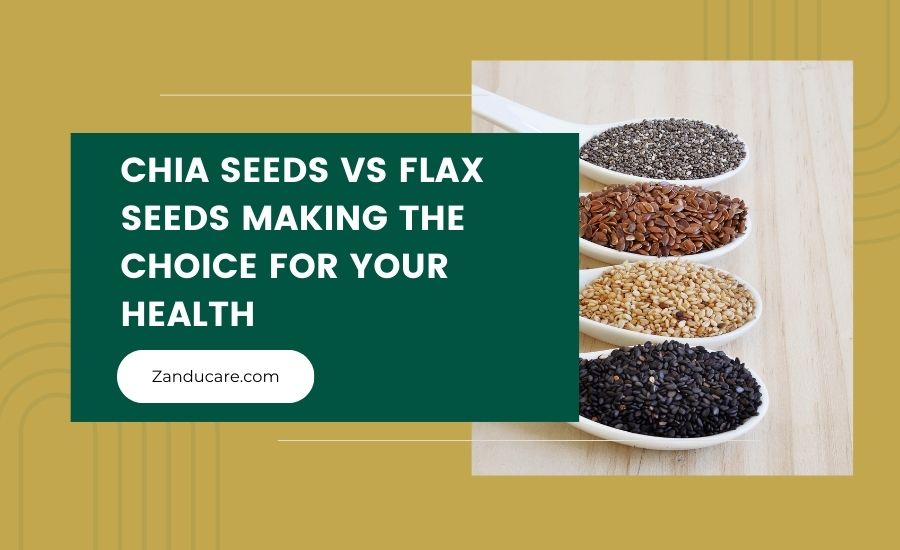
Are you sick and tired of having the same boring meal each day? It's time to add some flavour and nourish your body with the necessary nourishment. Superfoods like flax and chia seeds are easy to i...
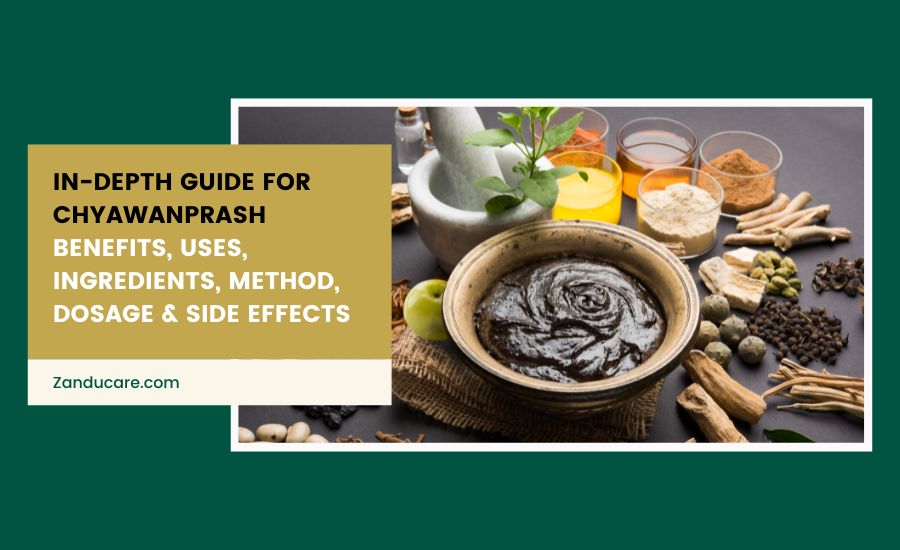
Have you ever wondered what keeps our grandparents healthy and full of energy?
One of the secrets to their lively spirits and energetic lifestyle is the regular consumption of age-old Ayurvedic her...