








Skip to content

Cart

Your cart is empty

Article: Is Sago Good for Diabetes?

Sago Diabetes

Is Sago Good for Diabetes?

Diabetes is a significant health challenge in India, affecting over 77 million adults, mostly with type 2 diabetes. This condition occurs when the body struggles to use insulin effectively, causing high blood sugar that can harm organs like the heart, kidneys, eyes, and nerves over time. Managing diabetes involves choosing foods that prevent sharp blood sugar spikes, alongside exercise and medication. 

Sago, also known as sabudana or tapioca pearls, is a popular food in India, especially during fasting periods like Navratri or in dishes like khichdi, vadas, or kheer. Its starchy nature provides quick energy, but is it safe for diabetics? 

This article explores sago in detail, covering its origin, nutritional profile, impact on blood sugar, benefits backed by Indian research, potential risks, and practical tips for including it in a diabetic diet. 

What is Sago?

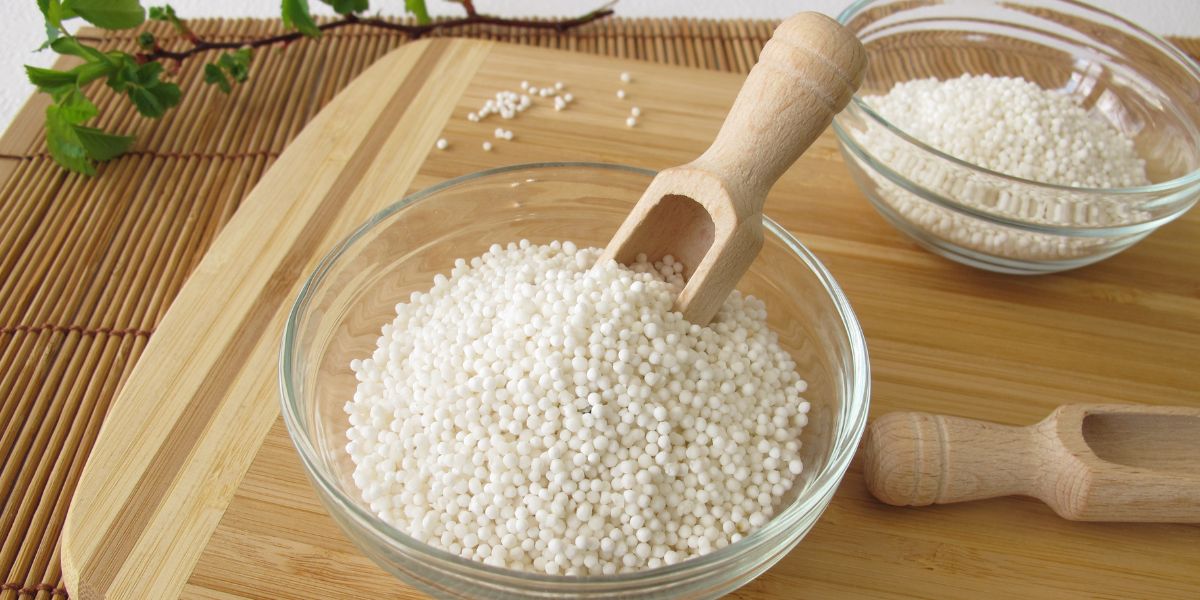
Sago, commonly called sabudana in India, is made from the starch of the cassava plant (Manihot esculenta), a tropical crop grown in states like Tamil Nadu, Kerala, and Maharashtra. The process involves harvesting cassava roots, peeling, grating, and extracting starch, which is then shaped into small, round pearls and dried. 

These white pearls swell when soaked in water, becoming soft and translucent, perfect for cooking. While true sago comes from the sago palm, in India, it is almost always tapioca-based due to availability.

In Indian homes, sago is a staple during religious fasts (vrat) because it is considered pure and easy to digest. It’s used in savoury dishes like sabudana khichdi with potatoes and peanuts, fried vadas, or sweet kheer with milk. One cup of dry sago (about 100 grams) expands to serve 2-3 people when cooked. India produces millions of tons annually, with processing hubs in Salem, Tamil Nadu. 

The pearls are gluten-free and vegan, making them suitable for many diets. For people with diabetes, the key concern is the high starch content, which turns to glucose when cooked. Indian studies explore how processing affects its digestibility and the impact on blood sugar.

Nutritional Profile of Sago

Sago is primarily carbohydrates, offering quick energy but low in other nutrients. Indian research institutes have studied its composition for dietary applications. Here’s a breakdown per 100 grams of cooked sago:

Nutrient

Amount

Why It Matters for Diabetes

Calories

350-360 kcal

High; can lead to weight gain if overeaten.

Carbohydrates

85-88 grams

Mostly starch; risks a quick sugar rise.

Fiber

0.5-1 gram

Low; minimal help in slowing sugar absorption.

Protein

0.2-0.5 grams

Very low; not filling unless paired with protein.

Fat

0.03-0.1 grams

Negligible; safe for heart health.

Potassium

10-20 mg

Minimal; slight support for blood pressure.

Calcium

20-30 mg

Helps bones weakened in diabetes.

Iron

1.5-2 mg

Fights anaemia, common in diabetics.

Magnesium

1-2 mg

Tiny amount; aids insulin function slightly.

Source: Data from CSIR-Central Food Technological Research Institute (CFTRI), Mysore.

Compared to cooked rice (130 kcal, 28g carbs per 100g), sago is calorie- and carb-dense. It lacks significant vitamins or minerals unless fortified or paired with nutrient-rich foods. Indian studies note its high amylopectin starch, which digests quickly, but raw sago has some resistant starch (RS) that acts like fibre. 

Cooking breaks this down, increasing sugar impact. Adding vegetables or nuts can improve their nutritional value for people with diabetes by adding fibre and protein.

Glycemic Index of Sago

The glycemic index (GI) measures how fast a food raises blood sugar; low GI (<55) is best, medium (56-69) is okay in moderation, and high (>70) should be limited. Sago’s GI depends on its preparation and form.

A study from CSIR-CFTRI, Mysore, analysed tapioca starch (sago’s base). Raw tapioca had an expected GI (eGI) of 55.2 (moderate), with 9.55% rapidly digestible starch (RDS, causes quick sugar rise), 23.49% slowly digestible starch (SDS, steady release), and 1.77% resistant starch (RS, no sugar impact). Cooking gelatinises starch, potentially raising GI to 70-80, making it high.

Another study from Kerala Agricultural University tested tapioca-based foods in 10 healthy volunteers. A 50g carb portion showed a high glycemic response (GR 1.0268, AUC 332.68), with blood sugar peaking at 181 mg/dL, higher than pure glucose. This suggests cooked sago can spike sugar significantly, especially in large amounts. Diabetics should use small portions with fibre-rich additions to lower the impact. 

Benefits of Sago for Diabetes

Despite its high carbs, sago offers some benefits for diabetics when used carefully. Indian research highlights its potential in specific contexts.

Benefit 1: Provides Sustained Energy for Active Diabetics

Diabetics often feel low energy due to sugar fluctuations. The Mysore study shows sago’s SDS (23.49%) provides a slow energy release, preventing sudden drops. Its moderate raw eGI (55.2) supports steady glucose compared to high-GI snacks like sweets.

A study in the Indian Journal of Nephrology used a sago-based nutritional supplement for hemodialysis patients, many with diabetes. It improved energy levels without significant sugar spikes, showing sago’s role in controlled diets. This is useful for active diabetics needing quick fuel.

Benefit 2: Easy to Digest for Gut Health

Diabetes can cause digestive issues like gastroparesis. Sago’s low fibre and soft texture make it easy on the stomach, reducing bloating or discomfort. The nephrology study noted improved bowel regularity in patients using sago supplements, as its small RS content (1.77%) feeds gut bacteria, lowering inflammation linked to diabetes complications.

Benefit 3: Supports Nutrition in Complicated Diabetes Cases

Advanced diabetes can lead to malnutrition, especially in kidney disease. The nephrology study gave a sago-based supplement to dialysis patients (60% diabetic), improving serum albumin (a nutritional marker) by 0.5 g/dL over 3 months. No adverse sugar effects were noted, suggesting sago as a safe energy source in complex cases.

Benefit 4: Low-fat Content Protects Heart Health

Heart disease is a significant diabetes risk, especially in India, where 50% of diabetics face cardiovascular issues. Sago’s negligible fat (0.03g/100g) ensures no cholesterol or triglyceride rise. The Mysore study confirms its neutral lipid profile, making it heart-safe when paired with low-fat ingredients.

Benefit 5: Versatile for Balanced Diabetic Meals

Sago’s neutral flavour allows pairing with fibre- and protein-rich foods to lower GI. Indian studies suggest adding vegetables or peanuts to sabudana khichdi reduces glycemic load by 15-20%. This flexibility makes it adaptable for diabetic-friendly Indian recipes, balancing its high carbs.

Potential Risks and Precautions

Sago’s high starch content poses risks for diabetics, as noted in Indian studies.

Risk 1: High Glycemic Load Causes Sugar Spikes

The Kerala study showed a high glycemic response (GR 1.0268), with cooked sago raising blood sugar 20-30 mg/dL in large servings. It's 85g carbs/100g can overwhelm insulin, especially in uncontrolled diabetes. Limit to 50g cooked.

Risk 2: Low Fibre Speeds Sugar Absorption

With only 0.9g of fibre, sago digests fast, per the Mysore study. Cooked sago’s low RS (1.77% raw) offers little resistance to glucose release, unlike fibre-rich grains like brown rice.

Risk 3: High Calories Risk Weight Gain

At 350 kcal/100g, sago can contribute to obesity, worsening insulin resistance. The nephrology study monitored portions to avoid weight gain, recommending strict control for diabetics.

Risk 4: Nutrient Deficiency if Over-Relied On

Sago lacks protein, vitamins, and minerals. Indian papers warn against using it as a primary food, as it may lead to deficiencies in long-term diabetic diets. Pair with nutrient-dense foods.

Risk 5: Potential Toxins in Poor-Quality Sago

Improperly processed cassava may retain cyanide traces, though rare in commercial sago. A Salem study on tapioca workers noted exposure risks, but food-grade sago is safe if it is from trusted brands. Check quality to avoid gut issues.

No severe diabetes-specific risks were found in studies, but moderation and blood sugar monitoring are essential. Consult a doctor before regular use.

How to Incorporate Sago into a Diabetic Diet

Sago can fit a diabetic diet with careful planning. Use 1-2 times weekly in small amounts:

  • Sabudana Khichdi: Soak 50g sago, cook with carrots, peas, peanuts, and minimal oil. Adds fibre, protein; serves 2 at 150-200 kcal.
  • Baked Vadas: Mix 30g sago with mashed veggies, bake instead of frying to cut fat.
  • Kheer: Use 25g sago with skim milk, stevia, and nuts; avoid sugar.
  • Salad: Soak sago, mix with cucumber, tomatoes, and lemon juice for a low-GI snack.
  • Tip: Soak overnight to reduce cooking time, preserving some RS. Pair with protein like curd or lentils. Monitor blood sugar 2 hours post-meal.

Indian vrat recipes like sabudana thalipeeth can be tweaked with greens and less oil to suit diabetics.

Conclusion

Sago is moderately suitable for diabetes when used sparingly. Indian research, like the Mysore GI study and nephrology supplement trial, shows it provides energy, aids digestion, and supports nutrition in complex cases without significant harm if controlled. 

Its moderate raw GI (55.2) and low fat are positives, but high carbs and low fibre risk sugar spikes. Pairing with vegetables, protein, and strict portion control (50g cooked) makes it a viable option. 

With India’s growing diabetes epidemic, sago can be a part of a balanced diet if managed carefully. Consult your doctor, monitor glucose, and enjoy in moderation for a tasty, diabetes-friendly addition.

References

1. Characterisation, in vitro digestibility and expected glycemic index of commercial starches from different regions of India

https://pmc.ncbi.nlm.nih.gov/articles/PMC5223246/

2. Glycemic Response to Selected Carbohydrate Rich Foods in Non-Insulin Dependent Diabetes Mellitus Subjects

https://krishikosh.egranth.ac.in/server/api/core/bitstreams/ac28e2b1-d265-4b5a-b698-b8ac2fe2afa7/content

3. A study of the impact of cost-effective nutritional supplements in patients on hemodialysis

https://indianjnephrol.org/article.asp?issn=0971-4065;year=2014;volume=24;issue=1;spage=12;epage=17;aulast=Rao

Diabetes is a significant health challenge in India, affecting over 77 million adults, mostly with type 2 diabetes. This condition occurs when the body struggles to use insulin effectively, causing high blood sugar that can harm organs like the heart, kidneys, eyes, and nerves over time. Managing diabetes involves choosing foods that prevent sharp blood sugar spikes, alongside exercise and medication. 

Sago, also known as sabudana or tapioca pearls, is a popular food in India, especially during fasting periods like Navratri or in dishes like khichdi, vadas, or kheer. Its starchy nature provides quick energy, but is it safe for diabetics? 

This article explores sago in detail, covering its origin, nutritional profile, impact on blood sugar, benefits backed by Indian research, potential risks, and practical tips for including it in a diabetic diet. 

What is Sago?

Sago, commonly called sabudana in India, is made from the starch of the cassava plant (Manihot esculenta), a tropical crop grown in states like Tamil Nadu, Kerala, and Maharashtra. The process involves harvesting cassava roots, peeling, grating, and extracting starch, which is then shaped into small, round pearls and dried. 

These white pearls swell when soaked in water, becoming soft and translucent, perfect for cooking. While true sago comes from the sago palm, in India, it is almost always tapioca-based due to availability.

In Indian homes, sago is a staple during religious fasts (vrat) because it is considered pure and easy to digest. It’s used in savoury dishes like sabudana khichdi with potatoes and peanuts, fried vadas, or sweet kheer with milk. One cup of dry sago (about 100 grams) expands to serve 2-3 people when cooked. India produces millions of tons annually, with processing hubs in Salem, Tamil Nadu. 

The pearls are gluten-free and vegan, making them suitable for many diets. For people with diabetes, the key concern is the high starch content, which turns to glucose when cooked. Indian studies explore how processing affects its digestibility and the impact on blood sugar.

Nutritional Profile of Sago

Sago is primarily carbohydrates, offering quick energy but low in other nutrients. Indian research institutes have studied its composition for dietary applications. Here’s a breakdown per 100 grams of cooked sago:

Nutrient

Amount

Why It Matters for Diabetes

Calories

350-360 kcal

High; can lead to weight gain if overeaten.

Carbohydrates

85-88 grams

Mostly starch; risks a quick sugar rise.

Fiber

0.5-1 gram

Low; minimal help in slowing sugar absorption.

Protein

0.2-0.5 grams

Very low; not filling unless paired with protein.

Fat

0.03-0.1 grams

Negligible; safe for heart health.

Potassium

10-20 mg

Minimal; slight support for blood pressure.

Calcium

20-30 mg

Helps bones weakened in diabetes.

Iron

1.5-2 mg

Fights anaemia, common in diabetics.

Magnesium

1-2 mg

Tiny amount; aids insulin function slightly.

Source: Data from CSIR-Central Food Technological Research Institute (CFTRI), Mysore.

Compared to cooked rice (130 kcal, 28g carbs per 100g), sago is calorie- and carb-dense. It lacks significant vitamins or minerals unless fortified or paired with nutrient-rich foods. Indian studies note its high amylopectin starch, which digests quickly, but raw sago has some resistant starch (RS) that acts like fibre. 

Cooking breaks this down, increasing sugar impact. Adding vegetables or nuts can improve their nutritional value for people with diabetes by adding fibre and protein.

Glycemic Index of Sago

The glycemic index (GI) measures how fast a food raises blood sugar; low GI (<55) is best, medium (56-69) is okay in moderation, and high (>70) should be limited. Sago’s GI depends on its preparation and form.

A study from CSIR-CFTRI, Mysore, analysed tapioca starch (sago’s base). Raw tapioca had an expected GI (eGI) of 55.2 (moderate), with 9.55% rapidly digestible starch (RDS, causes quick sugar rise), 23.49% slowly digestible starch (SDS, steady release), and 1.77% resistant starch (RS, no sugar impact). Cooking gelatinises starch, potentially raising GI to 70-80, making it high.

Another study from Kerala Agricultural University tested tapioca-based foods in 10 healthy volunteers. A 50g carb portion showed a high glycemic response (GR 1.0268, AUC 332.68), with blood sugar peaking at 181 mg/dL, higher than pure glucose. This suggests cooked sago can spike sugar significantly, especially in large amounts. Diabetics should use small portions with fibre-rich additions to lower the impact. 

Benefits of Sago for Diabetes

Despite its high carbs, sago offers some benefits for diabetics when used carefully. Indian research highlights its potential in specific contexts.

Benefit 1: Provides Sustained Energy for Active Diabetics

Diabetics often feel low energy due to sugar fluctuations. The Mysore study shows sago’s SDS (23.49%) provides a slow energy release, preventing sudden drops. Its moderate raw eGI (55.2) supports steady glucose compared to high-GI snacks like sweets.

A study in the Indian Journal of Nephrology used a sago-based nutritional supplement for hemodialysis patients, many with diabetes. It improved energy levels without significant sugar spikes, showing sago’s role in controlled diets. This is useful for active diabetics needing quick fuel.

Benefit 2: Easy to Digest for Gut Health

Diabetes can cause digestive issues like gastroparesis. Sago’s low fibre and soft texture make it easy on the stomach, reducing bloating or discomfort. The nephrology study noted improved bowel regularity in patients using sago supplements, as its small RS content (1.77%) feeds gut bacteria, lowering inflammation linked to diabetes complications.

Benefit 3: Supports Nutrition in Complicated Diabetes Cases

Advanced diabetes can lead to malnutrition, especially in kidney disease. The nephrology study gave a sago-based supplement to dialysis patients (60% diabetic), improving serum albumin (a nutritional marker) by 0.5 g/dL over 3 months. No adverse sugar effects were noted, suggesting sago as a safe energy source in complex cases.

Benefit 4: Low-fat Content Protects Heart Health

Heart disease is a significant diabetes risk, especially in India, where 50% of diabetics face cardiovascular issues. Sago’s negligible fat (0.03g/100g) ensures no cholesterol or triglyceride rise. The Mysore study confirms its neutral lipid profile, making it heart-safe when paired with low-fat ingredients.

Benefit 5: Versatile for Balanced Diabetic Meals

Sago’s neutral flavour allows pairing with fibre- and protein-rich foods to lower GI. Indian studies suggest adding vegetables or peanuts to sabudana khichdi reduces glycemic load by 15-20%. This flexibility makes it adaptable for diabetic-friendly Indian recipes, balancing its high carbs.

Potential Risks and Precautions

Sago’s high starch content poses risks for diabetics, as noted in Indian studies.

Risk 1: High Glycemic Load Causes Sugar Spikes

The Kerala study showed a high glycemic response (GR 1.0268), with cooked sago raising blood sugar 20-30 mg/dL in large servings. It's 85g carbs/100g can overwhelm insulin, especially in uncontrolled diabetes. Limit to 50g cooked.

Risk 2: Low Fibre Speeds Sugar Absorption

With only 0.9g of fibre, sago digests fast, per the Mysore study. Cooked sago’s low RS (1.77% raw) offers little resistance to glucose release, unlike fibre-rich grains like brown rice.

Risk 3: High Calories Risk Weight Gain

At 350 kcal/100g, sago can contribute to obesity, worsening insulin resistance. The nephrology study monitored portions to avoid weight gain, recommending strict control for diabetics.

Risk 4: Nutrient Deficiency if Over-Relied On

Sago lacks protein, vitamins, and minerals. Indian papers warn against using it as a primary food, as it may lead to deficiencies in long-term diabetic diets. Pair with nutrient-dense foods.

Risk 5: Potential Toxins in Poor-Quality Sago

Improperly processed cassava may retain cyanide traces, though rare in commercial sago. A Salem study on tapioca workers noted exposure risks, but food-grade sago is safe if it is from trusted brands. Check quality to avoid gut issues.

No severe diabetes-specific risks were found in studies, but moderation and blood sugar monitoring are essential. Consult a doctor before regular use.

How to Incorporate Sago into a Diabetic Diet

Sago can fit a diabetic diet with careful planning. Use 1-2 times weekly in small amounts:

  • Sabudana Khichdi: Soak 50g sago, cook with carrots, peas, peanuts, and minimal oil. Adds fibre, protein; serves 2 at 150-200 kcal.
  • Baked Vadas: Mix 30g sago with mashed veggies, bake instead of frying to cut fat.
  • Kheer: Use 25g sago with skim milk, stevia, and nuts; avoid sugar.
  • Salad: Soak sago, mix with cucumber, tomatoes, and lemon juice for a low-GI snack.
  • Tip: Soak overnight to reduce cooking time, preserving some RS. Pair with protein like curd or lentils. Monitor blood sugar 2 hours post-meal.

Indian vrat recipes like sabudana thalipeeth can be tweaked with greens and less oil to suit diabetics.

Conclusion

Sago is moderately suitable for diabetes when used sparingly. Indian research, like the Mysore GI study and nephrology supplement trial, shows it provides energy, aids digestion, and supports nutrition in complex cases without significant harm if controlled. 

Its moderate raw GI (55.2) and low fat are positives, but high carbs and low fibre risk sugar spikes. Pairing with vegetables, protein, and strict portion control (50g cooked) makes it a viable option. 

With India’s growing diabetes epidemic, sago can be a part of a balanced diet if managed carefully. Consult your doctor, monitor glucose, and enjoy in moderation for a tasty, diabetes-friendly addition.

References

1. Characterisation, in vitro digestibility and expected glycemic index of commercial starches from different regions of India

https://pmc.ncbi.nlm.nih.gov/articles/PMC5223246/

2. Glycemic Response to Selected Carbohydrate Rich Foods in Non-Insulin Dependent Diabetes Mellitus Subjects

https://krishikosh.egranth.ac.in/server/api/core/bitstreams/ac28e2b1-d265-4b5a-b698-b8ac2fe2afa7/content

3. A study of the impact of cost-effective nutritional supplements in patients on hemodialysis

https://indianjnephrol.org/article.asp?issn=0971-4065;year=2014;volume=24;issue=1;spage=12;epage=17;aulast=Rao

Related Articles

sabudana Diabetes

Is Sabudana Good for Diabetes?

Living with diabetes can be challenging, especially in India, where the number of affected adults is steadily rising. More than 77 million people struggle with type 2 diabetes, a condition where th...

Read more
Amla Diabetes

Is Amla Good for Diabetes?

Diabetes is a significant health issue in India, affecting over 77 million adults, mostly with type 2 diabetes. This condition occurs when the body cannot use insulin properly, leading to high bloo...

Read more