











Is Sabudana Good for Diabetes?
Living with diabetes can be challenging, especially in India, where the number of affected adults is steadily rising. More than 77 million people struggle with type 2 diabetes, a condition where the body cannot use insulin effectively, leading to rising blood sugar levels. Over time, this can put vital organs like the heart, kidneys, eyes, and nerves at risk.
To stay healthy, careful food choices, exercise, and medication become essential. One food that often sparks curiosity is sabudana, a staple in fasting dishes like khichdi and vadas. But is it suitable for diabetics? This article explores its nutrition, impact on blood sugar, benefits, risks, and innovative ways to include it in a diabetic-friendly diet.
What is Sabudana?
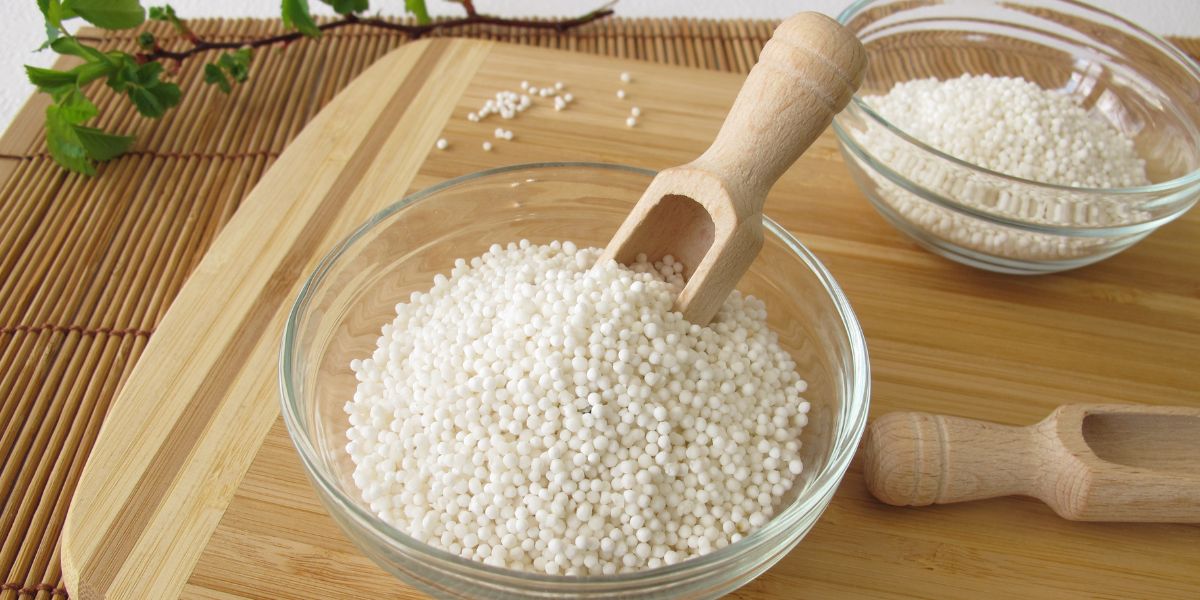
Sabudana comes from the tapioca plant (Manihot esculenta), native to South America but widely cultivated in India, especially in Kerala, Tamil Nadu, and Maharashtra. The roots are harvested, peeled, grated, and processed to extract starch, which is then formed into pearls. These pearls are dried and sold as sabudana. When soaked in water, they become translucent and soft, absorbing flavours easily.
In India, sabudana is a staple for vrat (fasting) foods like sabudana khichdi (with potatoes and peanuts), vadas (fried patties), or kheer (pudding). It is gluten-free and vegan, making it versatile. One cup of dry sabudana (about 100 grams) expands to serve 2-3 people when cooked.
The processing involves washing to remove toxins like cyanide from raw cassava, ensuring safety. Indian farmers produce millions of tons annually, with exports too. For diabetics, the key is the starch form, resistant in raw but digestible when cooked. This affects how it influences blood sugar.
Nutritional Profile of Sabudana
Sabudana is mainly carbohydrates, providing quick energy but low in other nutrients. Indian research analyses its composition for food applications. Here's a simple breakdown per 100 grams of cooked sabudana:
|
Nutrient |
Amount |
Why It Matters for Diabetes |
|
Calories |
350-360 kcal |
High; can add to weight if overeaten. |
|
Carbohydrates |
85-88 grams |
Mostly starch; can raise sugar quickly. |
|
Fiber |
0.5-1 gram |
Low; little help in slowing sugar absorption. |
|
Protein |
0.2-0.5 grams |
Very low; not filling on its own. |
|
Fat |
0.1-0.2 grams |
Negligible; heart-friendly. |
|
Potassium |
10-20 mg |
Minimal; slight blood pressure support. |
|
Calcium |
20-30 mg |
Helps bones weakened in diabetes. |
|
Iron |
1-2 mg |
Aids anaemia, common in diabetics. |
Source: Based on data from Indian food research institutes like CSIR-CFTRI.
Compared to rice (28 grams of carbs per 100g cooked), sabudana has triple the carbs, making it denser. It lacks vitamins unless fortified. Indian studies note its high amylopectin starch, which digests fast. Adding veggies or nuts improves their profile for diabetics.
Glycemic Index of Sabudana
Glycemic index (GI) measures how quickly a food raises blood sugar, low (<55), medium (56-69), or high (>70). Sabudana's GI varies by form and cooking.
A study from CSIR-Central Food Technological Research Institute, Mysore, examined commercial starches, including tapioca (base of sabudana). For uncooked tapioca starch, the expected GI was 55.2 (moderate).
It had 9.55% rapidly digestible starch (RDS, quick sugar rise), 23.49% slowly digestible starch (SDS, steady release), and 1.77% resistant starch (RS, no sugar impact). Cooked sabudana may have a higher GI (around 70) due to gelatinisation, making starch easier to digest.
This means small portions might not spike sugar much, but large ones do. The study suggests tapioca as a moderate-GI option for diabetic foods.
Benefits of Sabudana for Diabetes
While high in carbs, sabudana offers some advantages if used wisely. Indian research highlights its starch properties and uses in supplements.
Benefit 1: Provides Quick Energy Without Fat
Diabetics often feel tired; sabudana's carbs give instant energy. The Mysore study shows its moderate eGI (55.2) and high SDS (23.49%) for sustained release, preventing crashes.
In dialysis patients (many of whom are diabetic), a supplement with sago improved energy without fat gain. No sugar spikes noted. This aids active diabetics.
Benefit 2: Supports Digestive Health
Diabetes can cause gut issues; sabudana is easy to digest. It's low fibre, which avoids bloating, per Indian reviews.
The supplement study used sago for nutrition in kidney patients with diabetes, improving bowel regularity. RS (1.77%) feeds gut bacteria, reducing inflammation.
Benefit 3: Helps in Weight Management When Moderated
Extra weight worsens diabetes. Sabudana is low-fat but high-calorie, so it requires control.
Mysore research notes its WHC (91.42%) makes it filling, cutting intake. Paired with protein, it aids portion control and indirect sugar management.
Benefit 4: Offers Antioxidants and Minerals for Complications
Diabetes leads to oxidative stress. Sabudana has trace iron, calcium for anaemia, and bones.
In the dialysis study, sago supplement boosted nutrition, fighting complications like weakness in Indian diabetics.
Benefit 5: Useful for Kidney Health in Diabetics
30% diabetics develop kidney issues. Sago's low protein eases kidney load.
The Indian Journal of Nephrology study gave a sago-based supplement to hemodialysis patients (60% diabetic), improving albumin and reducing malnutrition. No adverse sugar effects.
Potential Risks and Precautions
Sabudana poses risks for diabetics due to carbs. Indian studies caution moderation.
Risk 1: High Glycemic Load from Carbs
With 85g carbs/100g, it spikes sugar. Mysore study shows RDS (9.55%), a quick rise if overeaten.
Large portions raise post-meal glucose 20-30 mg/dL.
Risk 2: Low Fibre Leads to Fast Digestion
Only 0.5g fibre; no slowing absorption. Studies note high GI in the cooked form.
Add fibre-rich foods to mitigate.
Risk 3: Calorie Density Causes Weight Gain
350 kcal/100g adds pounds, worsening insulin resistance. Dialysis study monitored, no gain, but warns of excess.
Limit to 50g cooked.
Risk 4: Potential for Digestive Upset if Raw Toxins Remain
Poorly processed sabudana has cyanide. A Salem study on workers showed exposure risks, but for food, it is rare. Buy quality brands.
No significant diabetes-specific risks in papers, but check sugar levels.
How to Incorporate Sabudana into a Diabetic Diet
Use sparingly, 1-2 times/week, small portions.
- Khichdi: 50g soaked sabudana with veggies, peanuts. Adds fibre and protein.
- Vada: Bake 30g with greens; avoid frying.
- Kheer: Skip sugar; use stevia, nuts.
- Salad: Mix soaked pearls with cucumber and lemon.
- Tip: Soak overnight, cook minimally; pair with curd. Monitor glucose.
Indian vrat recipes adapt well to tweaks.
Conclusion
Sabudana is moderately good for diabetes if limited; its moderate GI and energy help, but high carbs risk spikes. Indian papers like the Mysore GI study and dialysis supplement trial show potential benefits for energy and kidneys without significant harm in moderation. Add fibre, protein; consult doctor. With India's diabetes burden, wise choices like controlled sabudana can fit a balanced diet.
References
1. Characterisation, in vitro digestibility and expected glycemic index of commercial starches from different regions of India
https://pmc.ncbi.nlm.nih.gov/articles/PMC5223246/
2. A study of impact of cost-effective nutritional supplement in patients on hemodialysis
Written by

Zanducare
India’s trusted name in Ayurvedic wellness, offering time-tested solutions for today’s health and lifestyle needs. With formulations rooted in classical Ayurvedic texts and crafted using pure natural ingredients, we bring holistic care into your everyday routine.
Research by



Leave a comment
This site is protected by hCaptcha and the hCaptcha Privacy Policy and Terms of Service apply.