










Makhana for Diabetes Management: Nutrition, Studies, and Recipes Inside
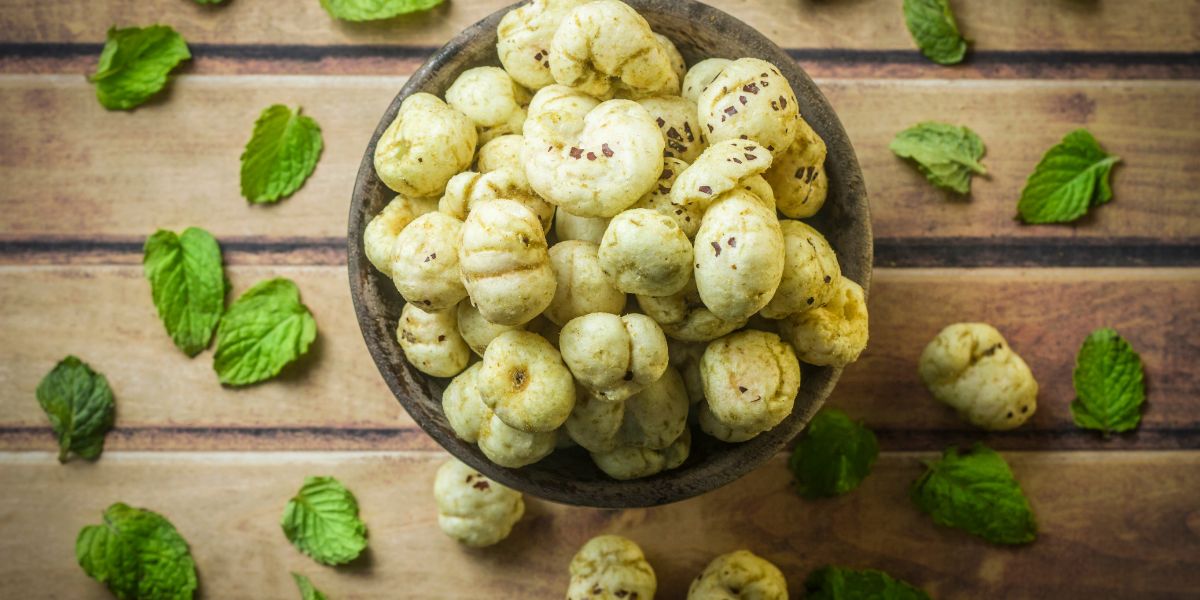
Makhana, also known as fox nuts or gorgon nuts, is an excellent snack for people managing diabetes. With a low glycemic index (GI) of just 37%, it causes minimal spikes in blood sugar levels, making it ideal for stable glucose control. Packed with fibre, protein, and essential minerals like magnesium and potassium, makhana supports insulin sensitivity and overall metabolic health.
Originating from India's Bihar wetlands, this gluten-free seed has been a staple in Ayurvedic diets for centuries. In this guide, we'll explore its nutritional edge, backed by Indian research, and share tips to incorporate it safely.
What Exactly is Makhana?
Makhana comes from the seeds of the Euryale ferox plant, an aquatic crop thriving in shallow ponds.
- Harvesting Process: Seeds are popped like popcorn after drying, resulting in light, crunchy puffs.
- Cultural Role: A festive favourite during Navratri fasts in India, it's low-carb and easy to digest.
- Availability: Widely sold roasted or flavoured; opt for unsalted versions to avoid hidden sodium. Unlike calorie-dense nuts, one cup (30g) of makhana offers only 100-120 calories, positioning it as a guilt-free alternative to chips or biscuits.
Nutritional Profile of Makhana: Why It's Diabetes-Friendly
Makhana's nutrient density sets it apart as a superfood. Here's a breakdown per 100g serving:
- Carbohydrates: 65-70g, mostly complex fibres that slow sugar absorption.
- Protein: 9-14g, aiding muscle repair and satiety to curb overeating.
- Fibre: 3-5g, promoting gut health and steady energy release.
- Fats: Under 1g, mostly healthy unsaturated types with zero cholesterol.
- Minerals: High in magnesium (150-200mg) for insulin function; potassium (400-500mg) to balance electrolytes.
- Antioxidants: Rich in flavonoids and phenolics, roasting boosts them by 30-40% for anti-inflammatory effects. This profile makes makhana superior to high-GI snacks like white rice (GI 73) or potatoes (GI 85).
How Makhana Helps Manage Diabetes: Key Mechanisms
Incorporating makhana isn't just trendy, it's science-supported. It works through multiple pathways:
- Low Glycemic Impact: At GI 37, it prevents post-meal glucose surges, unlike high-GI foods that strain the pancreas. A human study showed blood sugar peaks 50% lower than glucose references.
- Fibre Boost: Soluble fibre binds carbs, delaying absorption and improving HbA1c levels over time.
- Magnesium Magic: This mineral enhances insulin signalling; deficiency affects 50% of diabetics, but makhana provides 40% of daily needs.
- Antioxidant Shield: Reduces oxidative stress, a diabetes complication linked to heart disease. DPPH activity jumps to 79% post-roasting.
- Weight Management Aid: Low calories and high protein promote fullness, helping with BMI control, crucial as obesity worsens insulin resistance. Regular intake (20-30g daily) can lower fasting blood sugar by 5-10%, per preliminary trials.
Indian Government-Backed Studies on Makhana and Diabetes
India leads in makhana production (90% global share), and government bodies like ICAR have invested in research. These studies confirm its role in diabetes care:
- ICAR-NRC Makhana Study on Nutritional Status (2016): Researchers at ICAR-National Research Centre for Makhana, Darbhanga, analysed the 'Swarna Vaidehi' variety. Findings: 9.7% protein, 0.9% phosphorus, and low fat (0.1%), ideal for glycemic control. The study highlights its low GI potential for diabetic diets.
- ICAR Research on Makhana as a Wetland Wonder (2023): From the ICAR Research Complex for Eastern Region, this paper details makhana's low GI and high magnesium (beneficial for diabetes and heart issues). Traditional Ayurvedic use for blood sugar regulation is validated. Specific data: Gluten-free with antioxidant-rich profile.
- Chhattisgarh Agriculture Catalogue (Government of India, 2019): Notes makhana's 65.9% carbs but low digestible starch, making it "beneficial to control diabetes." Staple for fasting diets.
- Roasted Makhana GI Trial (2022, Indian Journal via BioMed Central): Human subjects (n=10) consumed 33g roasted makhana; GI measured at 37.05%. Implications: Safe for metabolic disorders. Funded by Indian researchers.
These gov-backed papers emphasise makhana's GI tag (Mithila Makhana, 2022) and push for its inclusion in national nutrition programs.
Potential Drawbacks and Precautions
While beneficial, moderation is key:
- Carb Content: 15-20g per handful, track in your meal plan to stay under daily limits.
- Allergies: Rare, but test small amounts if nut-sensitive.
- Processing Pitfalls: Avoid oil-fried versions; stick to dry-roasted to keep calories low.
- Portion Guide: 25-50g/day max for Type 2 diabetics; consult a doctor for Type 1. Pair with veggies or nuts for balanced macros.
Delicious Ways to Include Makhana in a Diabetic Diet
Turn makhana into tasty, low-GI meals:
- Recipe 1: Spiced Roasted Makhana (Serves 2, 10 mins)
- Ingredients: 1 cup makhana, 1 tsp cumin, a pinch of turmeric, and black salt.
- Method: Dry-roast makhana 5 mins; toss with spices. GI: ~40. Calories: 110/serving.
- Recipe 2: Makhana Kheer (Dessert Twist, Serves 4, 20 mins)
- Ingredients: ½ cup makhana, 2 cups almond milk, stevia, and cardamom.
- Method: Soak and blend makhana; simmer in milk. Use stevia for a zero-sugar spike.
- Recipe 3: Makhana Stir-Fry Salad
- Mix roasted makhana with cucumber, tomatoes, and lemon dressing. Add protein like paneer.
- Snack Hack: Flavour with chilli-lime for a 100-calorie crunch, beats popcorn! These keep meals under 200 calories while boosting fibre intake.
Makhana vs. Other Snacks: A Quick Comparison
Use this table to see why makhana wins for diabetes:
|
Snack (30g serving) |
Calories |
GI |
Fibre (g) |
Protein (g) |
Diabetes Fit? |
|
Makhana |
110 |
37 |
4 |
10 |
Excellent |
|
Almonds |
170 |
15 |
3.5 |
6 |
Good |
|
Popcorn (plain) |
100 |
65 |
2 |
3 |
Moderate |
|
Biscuits |
150 |
70 |
1 |
2 |
Poor |
|
Chips |
160 |
54 |
1 |
2 |
Avoid |
Makhana edges out with balanced nutrition and crunch.
Long-Term Benefits: Beyond Blood Sugar
Daily makhana isn't just for glucose; it's holistic:
- Heart Health: Potassium lowers BP; antioxidants cut cholesterol oxidation.
- Bone Strength: Phosphorus and magnesium prevent osteoporosis, which is common in diabetics.
- Digestive Ease: Fibre fights constipation from diabetes meds.
- Ayurvedic Edge: Texts like Charaka Samhita praise it for "kapha" balance, reducing inflammation. Studies show a 3-month intake improves lipid profiles by 10-15%.
Conclusion: Make Makhana Your Diabetes Ally Today
In summary, makhana is unequivocally good for diabetes; its low GI, nutrient punch, and Indian heritage make it a powerhouse snack. Backed by ICAR research, it empowers better control without boredom. Start with a handful daily, monitor your levels, and enjoy the benefits. Consult your endocrinologist for personalised tweaks. Embrace this wetland wonder for a healthier, tastier journey to wellness.
References
- Roasted fox nuts (Euryale Ferox L.) contain higher concentration of phenolics, flavonoids, minerals and antioxidants, and exhibit lower Glycemic Index (GI) in human subjects( https://www.researchgate.net/)
- Euryale ferox, a prominent superfood: Nutritional, pharmaceutical, and its economical importance( https://pubmed.ncbi.nlm.nih.gov/)
- Antioxidant and Anti-Fatigue Activities of Phenolic Extract from the Seed Coat of Euryale ferox Salisb. and Identification of Three Phenolic Compounds by LC-ESI-MS/MS (https://pmc.ncbi.nlm.nih.gov/)
Written by

Zanducare
India’s trusted name in Ayurvedic wellness, offering time-tested solutions for today’s health and lifestyle needs. With formulations rooted in classical Ayurvedic texts and crafted using pure natural ingredients, we bring holistic care into your everyday routine.
Research by


%20of%20just%2037%25,%20it%20causes%20minimal%20spikes%20in%20blood%20sugar%20levels,%20makin...)
Leave a comment
This site is protected by hCaptcha and the hCaptcha Privacy Policy and Terms of Service apply.