





Harmful Foods That Worsen Fatty Liver: What Not to Eat and Why
Fatty liver disease, also known as non-alcoholic fatty liver disease (NAFLD) or metabolic-associated steatotic liver disease (MASLD), occurs when excess fat builds up in the liver, often due to poor diet, obesity, or metabolic issues.
To manage it effectively, avoid high-sugar foods like sodas and candies, fried items such as French fries, processed meats, refined carbs like white bread, saturated fats from red meat and full-fat dairy, and alcohol.
These trigger inflammation and fat accumulation, worsening the condition. Focusing on these restrictions can help reverse the early stages through lifestyle changes.
Understanding Fatty Liver Disease
Fatty liver affects millions worldwide, with a high prevalence in India. Studies show that every third Indian may have it, predating diabetes and other metabolic disorders. It's often linked to insulin resistance, obesity, and unhealthy eating habits. In India, rapid urbanisation and increased consumption of processed foods have spiked cases.
- Types of Fatty Liver: Non-alcoholic (NAFLD) from diet/lifestyle, and alcoholic from excessive drinking.
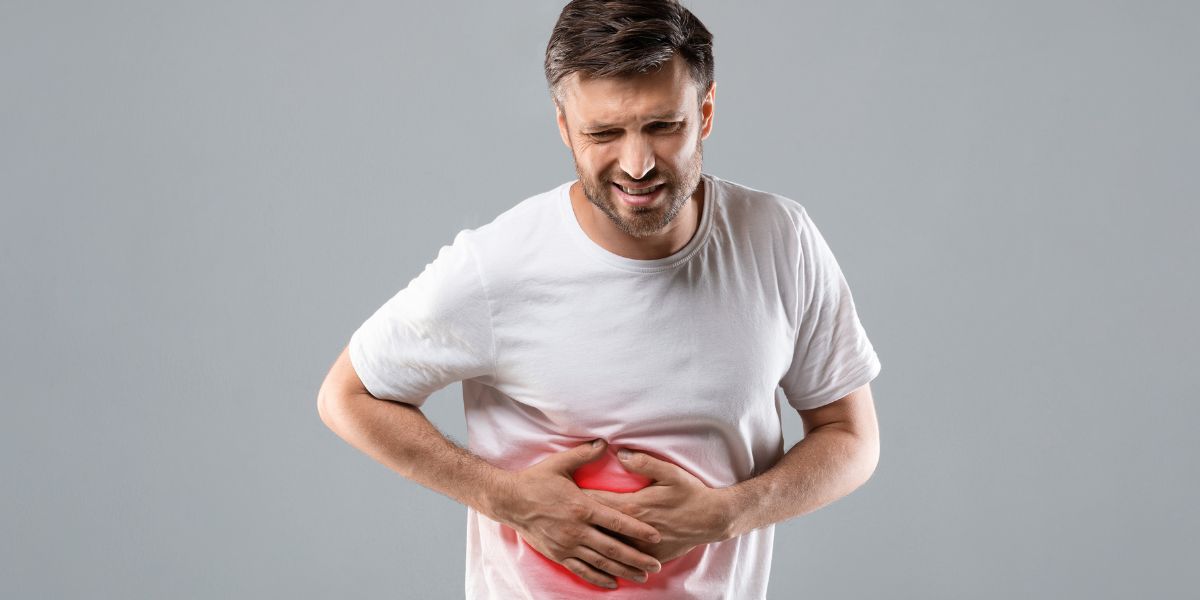
- Symptoms: Fatigue, abdominal pain, or none in early stages.
- Risk Factors: High BMI, diabetes, and hypertension are common in Indian populations due to diets rich in refined carbs and oils.
Early intervention via diet can prevent progression to severe issues like cirrhosis.
Why Diet Plays a Crucial Role in Fatty Liver Management?
A poor diet high in fats, sugars, and processed items directly contributes to liver fat buildup. Research indicates that reducing calorie intake by 500-1000 kcal daily, limiting saturated fats to under 30% of energy, and cutting refined sugars can improve liver histology and insulin resistance. In Indian contexts, where traditional diets include deep-fried snacks and sweets, these changes are vital.
Indian guidelines emphasise balanced, plant-based eating to combat NAFLD, which shares roots with metabolic syndrome. Adopting a nutrient-rich diet not only reduces liver fat but also lowers the risks of heart disease and diabetes by up to 80-90%.
Key Foods to Avoid: Detailed Breakdown
To protect your liver, eliminate or strictly limit these categories. Each contributes to inflammation, weight gain, or direct liver stress. We'll break it down with reasons, Indian examples, and tips.
1. Sugary Foods and Beverages
High-sugar items spike blood sugar, leading to fat storage in the liver. Avoid them to prevent worsening NAFLD.
- Candies, Cookies, and Desserts: Loaded with added sugars like sucrose or fructose, they increase insulin resistance. Indian sweets like gulab jamun or jalebi are culprits; opt for fresh fruit instead.
- Sodas and Fruit Juices: Even "natural" juices with added sugar contribute empty calories. Sugary drinks like cola or packaged mango juice add up to 20-25g sugar per serving, exceeding daily limits.
- Why Avoid?: Studies link high sugar to obesity and fatty liver; in mice, nitrate-supplemented diets countered high-sugar effects, but direct avoidance is key.
- Indian Tip: Skip sugarcane juice or energy drinks; choose water or herbal teas.
2. Fried and High-Fat Foods
These are rich in saturated and trans fats, promoting liver inflammation and fat accumulation.
- French Fries, Burgers, and Deep-Fried Snacks: Foods like samosas, pakoras, or potato chips contain harmful fats from repeated oil heating, forming oxidative compounds.
- Processed Meats: Sausages, bacon, or salami—high in saturated fats and preservatives.
- Why Avoid?: Saturated fats should be limited to ≤10g/day; excess leads to NAFLD progression. In India, where palm oil is standard, this is critical.
- Indian Tip: Avoid parathas or puris; steam or bake instead.
3. Refined Carbohydrates
White flour products cause rapid blood sugar spikes, converting to liver fat.
- White Bread, Pasta, and Rice: Refined grains like polished rice (high GI: 78.23) lack fibre, worsening insulin issues.
- Baked Goods: Cakes, pastries, and biscuits, often ultra-processed with added sugars and fats.
- Why Avoid? They contribute to over 45% energy from carbs, fueling NAFLD; switch to whole grains like millets (ragi, jowar) for lower GI.
- Indian Tip: Limit chapati portions; mix with pulses for balanced meals.
4. Full-Fat Dairy and Animal Fats
High in saturated fats, these burden the liver.
- Butter, Ghee, and Cream: Excessive use in Indian cooking (e.g., in curries) exceeds 5% energy from saturated fats.
- Full-Fat Cheese and Yogurt: Opt for low-fat versions to cut calories.
- Red Meat: Beef or mutton, high in fats; linked to fibrosis in studies.
- Why Avoid?: Plant-based diets reverse fatty liver by avoiding animal fats.
- Indian Tip: Use low-fat milk (200-400ml/day); substitute with plant milks sparingly.
5. Alcohol and Tamasic Foods
Even moderate alcohol causes alcoholic fatty liver; avoid it entirely for NAFLD.
- Beer, Wine, and Liquor: Directly damages liver cells, leading to cirrhosis.
- Processed and Stale Foods: In Ayurveda, tamasic items like reheated leftovers or artificial foods dull the body.
- Why Avoid?: Alcohol weakens liver function; guidelines stress zero intake for liver health.
- Indian Tip: Avoid tobacco and cannabis, too, as per NAFLD management advice.
6. Ultra-Processed and High-Salt Foods
These lack nutrients and add hidden risks.
- Frozen Meals, Canned Goods, and Snacks: High in salt, sugars, and preservatives, e.g., namkeen, papads, or chips.
- Sauces and Pickles: Excess salt increases hypertension, indirectly affecting the liver.
- Why Avoid?: UPFs accelerate aging and NCDs; high salt burdens the kidneys and liver.
- Indian Tip: Read labels; avoid HFSS foods as per ICMR-NIN recommendations.
Healthier Alternatives and Meal Ideas
Replace avoided foods with liver-friendly options for sustainable changes.
- Fruits and Vegetables: 300-500g/day, including 100g green leafy veggies, e.g., spinach, amaranth.
- Whole Grains and Millets: 230g/day, like brown rice or ragi, for fibre.
- Proteins: Pulses (75g), nuts (30g), lean fish or eggs, combine for complete nutrition.
- Sample Indian Meal: Breakfast: Millet porridge with fruits; Lunch: Dal, veggies, whole-grain roti; Dinner: Grilled fish salad.
- Ayurvedic Boost: Include amla or guduchi for hepatoprotection.
Aim for 1900-2000 kcal, with 50-55% carbs from complex sources.
Lifestyle Modifications Beyond Diet
Diet alone isn't enough; combine it with exercise and habits.
- Exercise: 60 minutes/day, 3-5 times/week, walking, yoga to achieve 5-10% weight loss.
- Weight Management: Target BMI 18.5-23; avoid crash diets.
- Mindful Eating: Eat fresh, warm meals; chew thoroughly as per Ayurvedic vidhi.
- Monitoring: Regular check-ups for liver enzymes.
Insights From Indian Studies and Guidelines
Indian research highlights NAFLD's rise, with diet as a key factor.
- A 2012 study showed lifestyle changes improved insulin resistance and liver histology in NAFLD patients.
- ICMR-NIN guidelines stress limiting HFSS and UPFs to prevent metabolic issues leading to fatty liver.
- MoHFW notes NAFLD as a major cause in India, advocating nutrient-rich diets.
- Ayurvedic approaches via plant-based diets reverse fatty liver, per government booklets.
Consult a doctor for personalised plans.
Conclusion
Food choices primarily drive fatty liver disease, but it can often be improved with the right habits. Avoiding sugary drinks, fried foods, refined grains, red meat, alcohol and ultra-processed snacks helps reduce fat and inflammation in the liver. Instead, focus on fruits, vegetables, whole grains, pulses, nuts, seeds and lean protein in traditional Indian meals.
Combine this with regular exercise, gradual weight loss, mindful eating and medical follow-up. Small, consistent changes in daily routines can halt or even reverse early fatty liver and protect long-term liver, heart and metabolic health. Start today and give your liver a chance.
References:
1. Managing Nonalcoholic Fatty Liver Disease Through Structured Lifestyle Modification Interventions https://pmc.ncbi.nlm.nih.gov/
2. Association of nutrient intake with non-alcoholic fatty liver disease and liver steatosis in adult Indian population https://www.sciencedirect.com/
3. Development of Food Group Tree-Based Analysis and Its Association with Non-Alcoholic Fatty Liver Disease https://pmc.ncbi.nlm.nih.gov/
Written by

Zanducare
India’s trusted name in Ayurvedic wellness, offering time-tested solutions for today’s health and lifestyle needs. With formulations rooted in classical Ayurvedic texts and crafted using pure natural ingredients, we bring holistic care into your everyday routine.
Research by


%20or%20metabolic-associated%20steatotic%20liver%20disease%20(MASLD),%20occurs%20when%20excess%20fat%20builds%20up%20in%20the%20liver,%20often%20due%20to%20poo...)
Leave a comment
This site is protected by hCaptcha and the hCaptcha Privacy Policy and Terms of Service apply.