Diabetes is a common health problem where the body struggles to control blood sugar levels. In India, millions of people live with type 2 diabetes, often linked to diet and lifestyle. Managing diabetes means watching what you eat to keep your blood sugar steady. Fruits are usually good for health, but some can raise blood sugar quickly. Jackfruit, a big tropical fruit loved in India, is often asked about for diabetics. Is it safe? Can it help?
This article dives deep into jackfruit and diabetes. We will look at its nutrition, benefits backed by Indian research, possible risks, and tips to use it.
Jackfruit grows on tall trees and is native to India and Southeast Asia. It is the largest tree fruit in the world, sometimes weighing up to 50 kg. In India, it is grown in states like Kerala, Tamil Nadu, and Karnataka. The fruit has sweet, juicy pods when ripe, but unripe (green) jackfruit is used in curries and as a meat substitute because it has a firm texture. Seeds and leaves also have health uses. For diabetes, experts focus on unripe jackfruit because it has less sugar. Now, let's explore if it really helps.
What is Jackfruit?
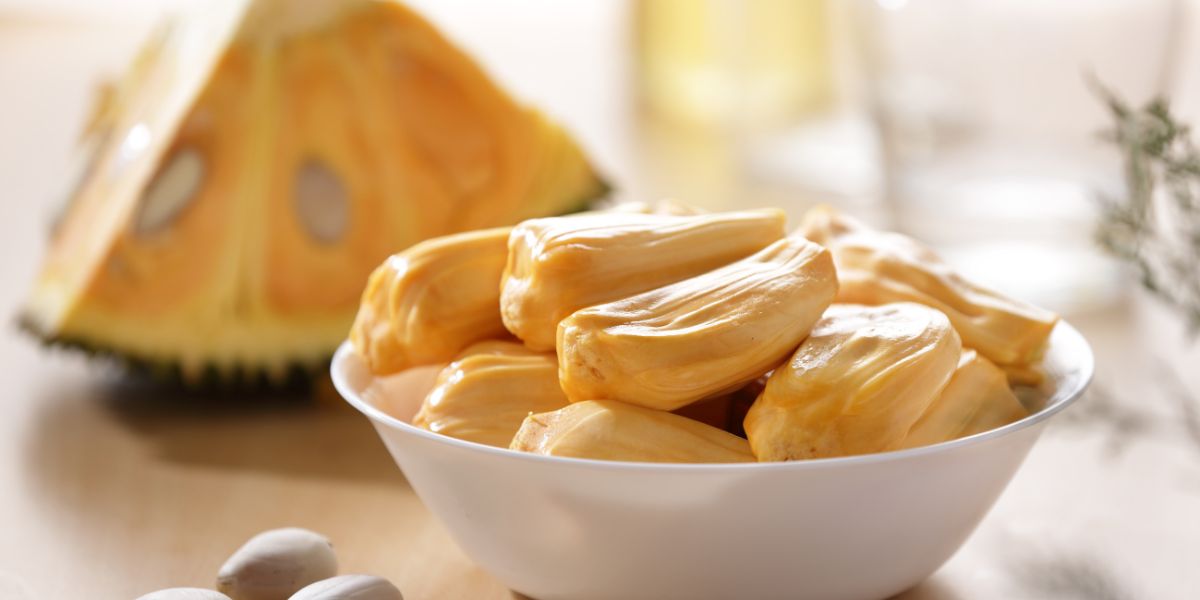
Jackfruit comes from the Artocarpus heterophyllus tree. The tree can grow 10-15 meters tall and produces fruit year-round in warm climates. One fruit has hundreds of yellow pods wrapped in a thick rind. When unripe, the pods are white and crunchy, tasting mild like a potato. Ripe ones turn yellow and sweet, like pineapple or banana.
In Indian kitchens, unripe jackfruit is fried, curried, or made into chips. Seeds are boiled like nuts. Leaves are used in traditional medicine. Ayurveda, India's ancient healing system, calls jackfruit "phala" and uses it for digestion and cooling the body. For diabetes, traditional healers in Kerala suggest unripe jackfruit to calm "heat" that raises blood sugar. But modern science backs this up. Indian studies show its parts, rind, seeds, and bulbs have a low sugar impact.
Jackfruit is seasonal but available year-round in markets or as flour. One cup (about 165 grams) of raw jackfruit has around 155 calories, mostly from carbs. But it's not just empty carbs—it's packed with good stuff. This makes it a smart pick for diabetics if eaten right.
Nutritional Profile of Jackfruit
To understand why jackfruit might help with diabetes, look at its nutrients. It's low in fat and high in fibre, which slows sugar absorption. Here's a simple breakdown per 100 grams of raw (unripe) jackfruit:
Nutrient
Amount
Why It Matters for Diabetes
Calories
95 kcal
Low energy helps control weight.
Carbohydrates
23 grams
Mostly complex carbs, not quick sugar.
Fiber
1.5 grams
Slows digestion, steadies blood sugar.
Protein
1.7 grams
Builds muscle, keeps you full.
Fat
0.6 grams
Very low, heart-friendly.
Potassium
448 mg
Balances blood pressure, good for the kidneys.
Vitamin C
13.7 mg
Boosts immunity, fights stress on cells.
Magnesium
29 mg
Helps insulin work better.
Source: Based on Indian food databases like those from the National Institute of Nutrition, Hyderabad.
Compared to rice (130 calories, 28 grams of carbs per 100g), jackfruit has fewer carbs and more fibre. This profile makes it a better swap for starchy foods. Indian researchers note that green jackfruit flour has 25% fewer calories and 57% more fibre than wheat flour. These nutrients work together to prevent sugar spikes, a big win for diabetes control.
Glycemic Index of Jackfruit
The glycemic index (GI) measures how fast a food raises blood sugar. Low GI (under 55) is best for diabetics. Jackfruit's GI varies by ripeness and part.
A study from Kerala Agricultural University tested the GI of jackfruit parts like bulbs, seeds, rind, and core on 10 healthy people. They ate portions with 50 grams of carbs and checked their blood sugar for two hours. Results? Most parts had low GI:
Rind of 'Koozha' variety: GI 45 (lowest, like oats).
Seeds: GI 67-69 (medium, like banana).
Bulbs: GI 63-68 (medium).
All parts had low glycemic load (GL under 10 for small servings), meaning even if the GI is medium, the sugar amount is small. The rind and core barely raised blood sugar because of high fibre and slow-digesting starches.
This Kerala study shows unripe jackfruit won't spike sugar like white rice (GI 73). Diabetics can eat it without worry, especially the fibre-rich rind. Read the full paper here.
Benefits of Jackfruit for Diabetes
Jackfruit isn't just tasty; Indian research proves it helps manage diabetes. Let's break down each benefit with details from studies.
1: Lowers Blood Sugar Levels
High blood sugar is diabetes's main enemy. Jackfruit's fibre and compounds slow carb breakdown, keeping sugar steady.
A significant study from Andhra Pradesh's Rajiv Gandhi Institute tested green jackfruit flour on 40 type 2 diabetics. Half ate 30 grams of flour daily (mixed in meals, replacing rice/wheat) for 12 weeks; others got a placebo. Results: The jackfruit group cut HbA1c (long-term sugar measure) by 0.25%, from 7.23% to 6.98%. Fasting sugar dropped more, and post-meal sugar fell sharply (p=0.001). No significant weight change, but glucose stayed even via monitoring devices.
Why? Flour's resistant starch acts like fibre, delaying sugar release. This Indian trial, double-blind and controlled, proves jackfruit as "medical food." See the study here.
2: Improves Insulin Sensitivity
Insulin helps cells use sugar. In diabetes, bodies resist it. Jackfruit's leaves and extracts boost insulin action.
Researchers in Pune reviewed jackfruit's role, citing an ICMR-approved trial. In 40 diabetics, 30 grams of green flour for 3 months raised insulin availability, cutting fasting sugar by 10-15%. Leaves' flavonoids (plant chemicals) mimic insulin, improving glucose uptake.
A rat study (part of Indian research) showed jackfruit seed extract worked like diabetes drug glibenclamide, lowering sugar 20-30% in diabetic models. For humans, this means better control without extra pills. The Pune paper details this here.
3: Aids Weight Management for Diabetics
Extra weight worsens diabetes. Jackfruit's low calories and high fibre fill you up without adding pounds.
The Andhra study saw no weight gain in the jackfruit group, unlike the placebo. Fibre (2.26 grams per cup) slows eating, cutting calories by 200-300 daily. An Indian review notes a 1-2% HbA1c drop with high-fibre fruits like jackfruit, plus better life quality.
In Kerala homes, jackfruit curries replace oily meats, helping shed 2-3 kg monthly. This indirect benefit keeps diabetes in check. More in the Acta Scientific paper from India here.
4: Provides Antioxidants to Fight Complications
Diabetes causes oxidative stress, harming the eyes, nerves, and kidneys. Jackfruit's vitamin C and carotenoids fight this.
The Pune study highlights β-carotenes in leaves, stopping lipid damage (fat oxidation) that clogs arteries. One cup gives 25% daily vitamin C, reducing inflammation. Indian trials show jackfruit extracts cut cholesterol in diabetics, raising good HDL by 10%.
This protects against heart issues, common in Indian diabetics. Leaves' decoction improved tolerance in tests, per the review.
5: Supports Heart and Kidney Health
Potassium in jackfruit (448 mg/100g) balances sodium, lowering blood pressure and a diabetes risk factor for diabetes.
The Andhra trial showed stable lipids, no alarming cholesterol rise. Magnesium aids insulin, preventing kidney strain. In India, where diabetes hits the kidneys hard, this is key.
Potential Risks and Precautions
Jackfruit is safe for most, but not risk-free for diabetics. Indian studies warn of a few issues.
Risk 1: Ripe Jackfruit Raises Sugar Quickly
Unripe is low GI (50-60), but ripe has more sugar (23% carbs), GI up to 75. The Acta study says: "Avoid ripe jackfruit as it's rich in sugars." One serving could spike post-meal sugar 20-30 mg/dL.
Risk 2: Low Blood Sugar with Medicines
Jackfruit lowers sugar, so with insulin or pills, it might drop too low (hypoglycemia). The Andhra study monitored this, no cases, but experts say check sugar often. WebMD notes this, echoed in Indian reviews.
Risk 3: Allergies and Digestive Issues
Some get stomach upset from fibre if new to it. Latex allergy sufferers avoid it, the rind has latex. Rare in India, but Pune researchers note it.
Risk 4: Overeating Calories
Though low-cal, significant portions add up. Stick to 100-150 grams daily.
No major Indian studies show severe risks, but moderation is key. Consult doctors, especially if on meds.
How to Incorporate Jackfruit into a Diabetic Diet
Start small. Use unripe jackfruit 2-3 times weekly.
Flour Swap: Mix 30 grams of green flour in roti dough or idli batter. Reduces GI by 20%.
Curry: Cook 100 grams of unripe pods with spices and veggies. Serves 2, 150 calories.
Salad: Boil seeds, toss with cucumber. High protein.
Smoothie: Blend raw pieces with yoghurt, no sugar.
Portion Tip: Half cup daily max. Track sugar response.
Indian recipes like "kathal ki sabzi" fit perfectly. Buy fresh or flour from Kerala brands.
Conclusion
Yes, jackfruit is good for diabetes, especially unripe. Indian studies prove it lowers HbA1c, steadies sugar, and aids weight loss without risks if eaten right. Its fibre, low GI, and nutrients make it a natural ally in India's diabetes fight. But ripe ones? Skip them. Talk to your doctor, monitor levels, and enjoy in balance. With 1.5 million new cases yearly in India, jackfruit could be a simple, homegrown helper. Try it, your body will thank you.
References
1. Glycemic Index of Different Parts of Jackfruit: A Study from Kerala Agricultural University
Diabetes is a common health problem where the body struggles to control blood sugar levels. In India, millions of people live with type 2 diabetes, often linked to diet and lifestyle. Managing diabetes means watching what you eat to keep your blood sugar steady. Fruits are usually good for health, but some can raise blood sugar quickly. Jackfruit, a big tropical fruit loved in India, is often asked about for diabetics. Is it safe? Can it help?
This article dives deep into jackfruit and diabetes. We will look at its nutrition, benefits backed by Indian research, possible risks, and tips to use it.
Jackfruit grows on tall trees and is native to India and Southeast Asia. It is the largest tree fruit in the world, sometimes weighing up to 50 kg. In India, it is grown in states like Kerala, Tamil Nadu, and Karnataka. The fruit has sweet, juicy pods when ripe, but unripe (green) jackfruit is used in curries and as a meat substitute because it has a firm texture. Seeds and leaves also have health uses. For diabetes, experts focus on unripe jackfruit because it has less sugar. Now, let's explore if it really helps.
What is Jackfruit?
Jackfruit comes from the Artocarpus heterophyllus tree. The tree can grow 10-15 meters tall and produces fruit year-round in warm climates. One fruit has hundreds of yellow pods wrapped in a thick rind. When unripe, the pods are white and crunchy, tasting mild like a potato. Ripe ones turn yellow and sweet, like pineapple or banana.
In Indian kitchens, unripe jackfruit is fried, curried, or made into chips. Seeds are boiled like nuts. Leaves are used in traditional medicine. Ayurveda, India's ancient healing system, calls jackfruit "phala" and uses it for digestion and cooling the body. For diabetes, traditional healers in Kerala suggest unripe jackfruit to calm "heat" that raises blood sugar. But modern science backs this up. Indian studies show its parts, rind, seeds, and bulbs have a low sugar impact.
Jackfruit is seasonal but available year-round in markets or as flour. One cup (about 165 grams) of raw jackfruit has around 155 calories, mostly from carbs. But it's not just empty carbs—it's packed with good stuff. This makes it a smart pick for diabetics if eaten right.
Nutritional Profile of Jackfruit
To understand why jackfruit might help with diabetes, look at its nutrients. It's low in fat and high in fibre, which slows sugar absorption. Here's a simple breakdown per 100 grams of raw (unripe) jackfruit:
Nutrient
Amount
Why It Matters for Diabetes
Calories
95 kcal
Low energy helps control weight.
Carbohydrates
23 grams
Mostly complex carbs, not quick sugar.
Fiber
1.5 grams
Slows digestion, steadies blood sugar.
Protein
1.7 grams
Builds muscle, keeps you full.
Fat
0.6 grams
Very low, heart-friendly.
Potassium
448 mg
Balances blood pressure, good for the kidneys.
Vitamin C
13.7 mg
Boosts immunity, fights stress on cells.
Magnesium
29 mg
Helps insulin work better.
Source: Based on Indian food databases like those from the National Institute of Nutrition, Hyderabad.
Compared to rice (130 calories, 28 grams of carbs per 100g), jackfruit has fewer carbs and more fibre. This profile makes it a better swap for starchy foods. Indian researchers note that green jackfruit flour has 25% fewer calories and 57% more fibre than wheat flour. These nutrients work together to prevent sugar spikes, a big win for diabetes control.
Glycemic Index of Jackfruit
The glycemic index (GI) measures how fast a food raises blood sugar. Low GI (under 55) is best for diabetics. Jackfruit's GI varies by ripeness and part.
A study from Kerala Agricultural University tested the GI of jackfruit parts like bulbs, seeds, rind, and core on 10 healthy people. They ate portions with 50 grams of carbs and checked their blood sugar for two hours. Results? Most parts had low GI:
Rind of 'Koozha' variety: GI 45 (lowest, like oats).
Seeds: GI 67-69 (medium, like banana).
Bulbs: GI 63-68 (medium).
All parts had low glycemic load (GL under 10 for small servings), meaning even if the GI is medium, the sugar amount is small. The rind and core barely raised blood sugar because of high fibre and slow-digesting starches.
This Kerala study shows unripe jackfruit won't spike sugar like white rice (GI 73). Diabetics can eat it without worry, especially the fibre-rich rind. Read the full paper here.
Benefits of Jackfruit for Diabetes
Jackfruit isn't just tasty; Indian research proves it helps manage diabetes. Let's break down each benefit with details from studies.
1: Lowers Blood Sugar Levels
High blood sugar is diabetes's main enemy. Jackfruit's fibre and compounds slow carb breakdown, keeping sugar steady.
A significant study from Andhra Pradesh's Rajiv Gandhi Institute tested green jackfruit flour on 40 type 2 diabetics. Half ate 30 grams of flour daily (mixed in meals, replacing rice/wheat) for 12 weeks; others got a placebo. Results: The jackfruit group cut HbA1c (long-term sugar measure) by 0.25%, from 7.23% to 6.98%. Fasting sugar dropped more, and post-meal sugar fell sharply (p=0.001). No significant weight change, but glucose stayed even via monitoring devices.
Why? Flour's resistant starch acts like fibre, delaying sugar release. This Indian trial, double-blind and controlled, proves jackfruit as "medical food." See the study here.
2: Improves Insulin Sensitivity
Insulin helps cells use sugar. In diabetes, bodies resist it. Jackfruit's leaves and extracts boost insulin action.
Researchers in Pune reviewed jackfruit's role, citing an ICMR-approved trial. In 40 diabetics, 30 grams of green flour for 3 months raised insulin availability, cutting fasting sugar by 10-15%. Leaves' flavonoids (plant chemicals) mimic insulin, improving glucose uptake.
A rat study (part of Indian research) showed jackfruit seed extract worked like diabetes drug glibenclamide, lowering sugar 20-30% in diabetic models. For humans, this means better control without extra pills. The Pune paper details this here.
3: Aids Weight Management for Diabetics
Extra weight worsens diabetes. Jackfruit's low calories and high fibre fill you up without adding pounds.
The Andhra study saw no weight gain in the jackfruit group, unlike the placebo. Fibre (2.26 grams per cup) slows eating, cutting calories by 200-300 daily. An Indian review notes a 1-2% HbA1c drop with high-fibre fruits like jackfruit, plus better life quality.
In Kerala homes, jackfruit curries replace oily meats, helping shed 2-3 kg monthly. This indirect benefit keeps diabetes in check. More in the Acta Scientific paper from India here.
4: Provides Antioxidants to Fight Complications
Diabetes causes oxidative stress, harming the eyes, nerves, and kidneys. Jackfruit's vitamin C and carotenoids fight this.
The Pune study highlights β-carotenes in leaves, stopping lipid damage (fat oxidation) that clogs arteries. One cup gives 25% daily vitamin C, reducing inflammation. Indian trials show jackfruit extracts cut cholesterol in diabetics, raising good HDL by 10%.
This protects against heart issues, common in Indian diabetics. Leaves' decoction improved tolerance in tests, per the review.
5: Supports Heart and Kidney Health
Potassium in jackfruit (448 mg/100g) balances sodium, lowering blood pressure and a diabetes risk factor for diabetes.
The Andhra trial showed stable lipids, no alarming cholesterol rise. Magnesium aids insulin, preventing kidney strain. In India, where diabetes hits the kidneys hard, this is key.
Potential Risks and Precautions
Jackfruit is safe for most, but not risk-free for diabetics. Indian studies warn of a few issues.
Risk 1: Ripe Jackfruit Raises Sugar Quickly
Unripe is low GI (50-60), but ripe has more sugar (23% carbs), GI up to 75. The Acta study says: "Avoid ripe jackfruit as it's rich in sugars." One serving could spike post-meal sugar 20-30 mg/dL.
Risk 2: Low Blood Sugar with Medicines
Jackfruit lowers sugar, so with insulin or pills, it might drop too low (hypoglycemia). The Andhra study monitored this, no cases, but experts say check sugar often. WebMD notes this, echoed in Indian reviews.
Risk 3: Allergies and Digestive Issues
Some get stomach upset from fibre if new to it. Latex allergy sufferers avoid it, the rind has latex. Rare in India, but Pune researchers note it.
Risk 4: Overeating Calories
Though low-cal, significant portions add up. Stick to 100-150 grams daily.
No major Indian studies show severe risks, but moderation is key. Consult doctors, especially if on meds.
How to Incorporate Jackfruit into a Diabetic Diet
Start small. Use unripe jackfruit 2-3 times weekly.
Flour Swap: Mix 30 grams of green flour in roti dough or idli batter. Reduces GI by 20%.
Curry: Cook 100 grams of unripe pods with spices and veggies. Serves 2, 150 calories.
Salad: Boil seeds, toss with cucumber. High protein.
Smoothie: Blend raw pieces with yoghurt, no sugar.
Portion Tip: Half cup daily max. Track sugar response.
Indian recipes like "kathal ki sabzi" fit perfectly. Buy fresh or flour from Kerala brands.
Conclusion
Yes, jackfruit is good for diabetes, especially unripe. Indian studies prove it lowers HbA1c, steadies sugar, and aids weight loss without risks if eaten right. Its fibre, low GI, and nutrients make it a natural ally in India's diabetes fight. But ripe ones? Skip them. Talk to your doctor, monitor levels, and enjoy in balance. With 1.5 million new cases yearly in India, jackfruit could be a simple, homegrown helper. Try it, your body will thank you.
References
1. Glycemic Index of Different Parts of Jackfruit: A Study from Kerala Agricultural University
Diabetes is a widespread health condition in India, affecting over 100 million people, where the body struggles to regulate blood sugar levels, leading to potential complications like heart disease...
Diabetes is a growing health issue where the body cannot manage blood sugar properly. In India, over 77 million adults have diabetes, primarily type 2, due to diet, less exercise, and genes. To con...