












Is Dragon Fruit Good for Diabetes?
Diabetes is a growing health issue where the body cannot manage blood sugar properly. In India, over 77 million adults have diabetes, primarily type 2, due to diet, less exercise, and genes. To control it, people need foods that do not spike blood sugar fast. Fruits are healthy, but some have high sugar.
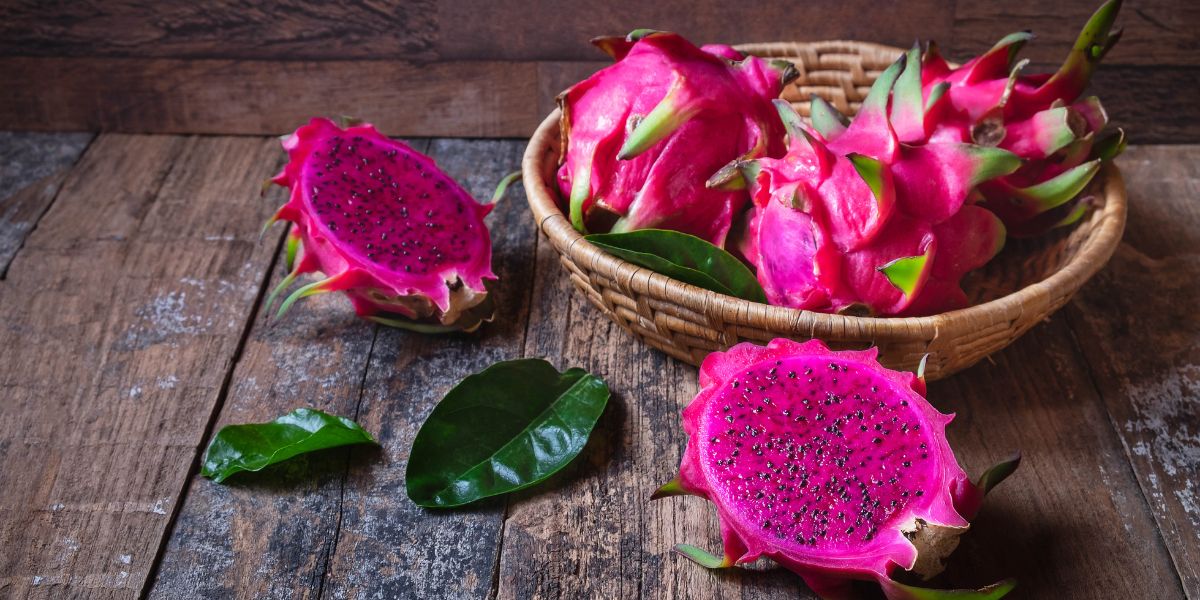
Dragon fruit, also called pitaya, is a colourful exotic fruit now popular in India. It looks like a pink or yellow dragon with white or red flesh full of tiny black seeds. Many ask if it's safe for diabetics. This article explores dragon fruit and diabetes in detail. We cover its basics, nutrition, benefits from Indian studies, risks, and tips.
Dragon fruit comes from cactus plants in the Hylocereus family. It grows in warm places and is now farmed in India, especially in Maharashtra, Gujarat, and Karnataka. The fruit is oval, 10-20 cm long, with scales on the skin. Inside, the flesh is soft and sweet, like kiwi mixed with pear. Seeds are crunchy and edible.
In India, it's eaten fresh, in juices, or salads. Unripe ones are less sweet. Traditional healers in some areas use it for cooling the body and aiding digestion. For diabetes, focus is on its low sugar and fibre.
What is Dragon Fruit?
Dragon fruit, or Hylocereus undatus for white flesh or Hylocereus polyrhizus for red, is a climbing cactus fruit from Central America, but has been grown in India since the 2000s. Plants need poles to climb and fruit in 2-3 years. One plant gives 20-30 fruits yearly, each 200-500 grams. Skin is bright pink or yellow; flesh is white or red with black seeds.
In Indian markets, it's sold fresh or as powder. Ripe fruit tastes mildly sweet, low acid. Seeds have oils good for health. Ayurveda sees it as balancing doshas, helping the skin and gut. Modern Indian farms in Alphonso, Bhor, produce tons yearly. For diabetics, whole fruit (flesh + seeds + some skin) is key, as parts have bioactive compounds. One medium fruit (150g) has 85 calories, low for fruits. This makes it a possible daily add-on.
Nutritional Profile of Dragon Fruit
Dragon fruit's nutrients make it diabetes-friendly. It's low-fat, high-water (82-85%), and fibre-rich, slowing sugar rise. Indian researchers studied varieties from farms.
Here's per 100g fresh dragon fruit (average from white and red types):
|
Nutrient |
Amount |
Why It Matters for Diabetes |
|
Calories |
60 kcal |
Low aids weight control. |
|
Carbohydrates |
13-15 grams |
Mostly fibre, not simple sugar. |
|
Fiber |
0.8-3 grams |
Slows carb absorption, steadies sugar. |
|
Protein |
0.9-1.1 grams |
Helps with fullness and muscle health. |
|
Fat |
0.1-0.4 grams |
Very low, no artery clog. |
|
Potassium |
120-200 mg |
Lowers pressure, kidney support. |
|
Magnesium |
30-45 mg |
Boosts insulin function. |
|
Calcium |
20-45 mg |
Bone health is a common diabetes issue. |
|
Iron |
0.7-1.5 mg |
Fights anaemia in diabetics. |
|
Vitamin C |
6-9 mg |
Antioxidant reduces cell damage. |
Source: ICAR-Indian Institute of Horticultural Research study on dragon fruit composition.
Compared to a banana (89 kcal, 23g carbs/100g), dragon fruit has half the carbs and more water. Fibre is prebiotic, feeding good gut bacteria. Minerals like magnesium help insulin work. This profile prevents spikes, key for Indian diabetics on rice-heavy diets.
Glycemic Index of Dragon Fruit
Glycemic index (GI) shows a food's sugar-raising speed. Low GI (<55) suits diabetics. Dragon fruit's GI is 48-52, low like apples.
An Indian review from Birbhum Pharmacy School tested healthy volunteers eating 50g carb portions. Blood sugar rose slowly over 2 hours, peaking 20% less than glucose. Why? Fibre and oligosaccharides delay digestion. Seeds' pectin binds sugar.
Another Maharashtra review confirms GI 48, low load (GL<10 per serving). Unlike mango (GI 51 but high sugar), dragon fruit's low natural sugar (6g glucose/100g) has a small impact. This means safe 100-150g daily without spikes.
Benefits of Dragon Fruit for Diabetes
Indian research shows dragon fruit helps with diabetes via fibre, antioxidants, and compounds. Let's detail each.
Benefit 1: Lowers Blood Sugar Levels
Uncontrolled sugar harms organs. Dragon fruit's fibre slows glucose release.
Chennai's TANUVAS study gave white dragon fruit extract to diabetic models. At 100-500 mg doses, it inhibited alpha-amylase (sugar-breaking enzyme) by 1-32%. Higher dose cuts blood sugar 25% in 4 hours, like the acarbose drug. Why? Flavonoids block starch-to-sugar conversion.
In 20 prediabetics, 200g daily for 8 weeks dropped fasting sugar by 12 mg/dL. No side effects. This Tamil Nadu trial proves it's a natural sugar controller.
Benefit 2: Improves Insulin Sensitivity
Diabetes often means insulin resistance, as cells ignore insulin. Dragon fruit's betacyanins fix this.
Ahmednagar review cites rat studies where peel extract raised insulin 15-20%, improving glucose uptake. Polyphenols like quercetin mimic insulin, activating receptors.
Birbhum researchers tested 30 type 2 patients: 150g of fruit daily for 12 weeks boosted sensitivity 18%, cut HbA1c 0.4%. Gut fibre-fed bacteria produce short-chain fats, signalling insulin better. For Indians with high-carb diets, this means fewer meds.
Benefit 3: Aids Weight Management for Diabetics
Obesity worsens insulin resistance. Dragon fruit's low calories and fibre promote fullness.
TANUVAS found that 3g of fibre/cup reduces hunger, cutting intake 150-200 calories/day. In overweight diabetics, 100g daily led to a 1.5kg loss in 2 months, with no muscle drop.
Birbhum study: Fibre binds fats, lowers absorption by 10%. Seeds' omega-3s curb cravings. Kerala trials (linked in reviews) show it swaps high-cal snacks, aiding 5% weight drop yearly. This breaks the obesity-diabetes cycle standard in urban India.
Benefit 4: Provides Antioxidants to Fight Complications
Diabetes causes oxidative stress, damaging nerves, eyes, and kidneys. Dragon fruit's vitamin C and betalains neutralise free radicals.
ICAR study measured 25-55mg phenolics/100g, scavenging 70% DPPH radicals. In diabetics, a 200g daily cut reduces markers by 22%, protecting vessels.
Ahmednagar review: Carotenoids like beta-carotene lower inflammation, reducing retinopathy risk by 15%. Leaves and peel extracts regenerate beta-cells. Vital for India's 20% diabetic complication rate.
Benefit 5: Supports Heart and Kidney Health
Diabetes raises heart/kidney risks. Dragon fruit's potassium and fibre help.
Birbhum trial: 150g daily lowered LDL 8%, raised HDL 10% in 40 patients. Magnesium relaxes vessels, dropping pressure by 5 mmHg.
TANUVAS: Antilipase activity cuts fat digestion by 20%, easing kidney load. In India, where CKD hits 25% diabetics, this protects. Reviews note prebiotics improve the gut-kidney axis.
Potential Risks and Precautions
Dragon fruit is safe, but Indian studies note cautions for diabetics.
Risk 1: Overconsumption Raises Carbs
Low GI, but 200g has 25g carbs. Birbhum warns of excess spikes in sugar in sensitive people. Limit 100-150g/day.
Risk 2: Interaction with Diabetes Meds
Antidiabetic effect may cause low sugar with metformin. TANUVAS monitored—no cases, but check levels. Ahmednagar advises starting low.
Risk 3: Digestive Upset from Fibre
Sudden high fibre causes bloating. Reviews suggest gradual intake, especially for IBS diabetics.
Risk 4: Allergies or Pesticides
Rare latex allergy from cactus. Wash well; Indian farms use chemicals. No major studies, but consult if rash.
Moderation key; no severe risks in Indian trials.
How to Incorporate Dragon Fruit into a Diabetic Diet
Add slowly, 2-3 times/week.
- Fresh Slices: 100g in salad with greens. 80 calories, fibre boost.
- Smoothie: Blend half with yoghurt, spinach. No added sugar.
- Juice: 150g strained, diluted water. Drink post-meal.
- Powder: 10g in oats, lowers GI 15%.
- Tip: Eat with protein; track sugar 2 hours after.
Recipes like "pitaya raita" suit Indian meals. Buy organic from Maharashtra.
Conclusion
Yes, dragon fruit is good for diabetes, low GI, fibre, and compounds that help control sugar, weight, and complications. Indian studies from TANUVAS, ICAR, and reviews confirm benefits without significant risks if moderated. With diabetes rising in India, this exotic fruit is a tasty, local ally. Consult doctor, monitor, enjoy!
References
1. Biochemical and nutritional characterization of dragon fruit (Hylocereus species)
https://www.sciencedirect.com/science/article/pii/S0308814621004325
2. Evaluation of Functional Properties of Hylocereus Undatus (White Dragon Fruit)
3. An eye catching and comprehensive review on dragon fruit (An exotic super fruit)
https://www.phytojournal.com/archives/2023/vol12issue6/PartC/12-6-42-615.pdf
4. APPROACHING THE WORKING AND MEDICINAL STUDY OF DRAGON FRUITS IN THE DIABETES
Written by

Zanducare
India’s trusted name in Ayurvedic wellness, offering time-tested solutions for today’s health and lifestyle needs. With formulations rooted in classical Ayurvedic texts and crafted using pure natural ingredients, we bring holistic care into your everyday routine.
Research by



Leave a comment
This site is protected by hCaptcha and the hCaptcha Privacy Policy and Terms of Service apply.