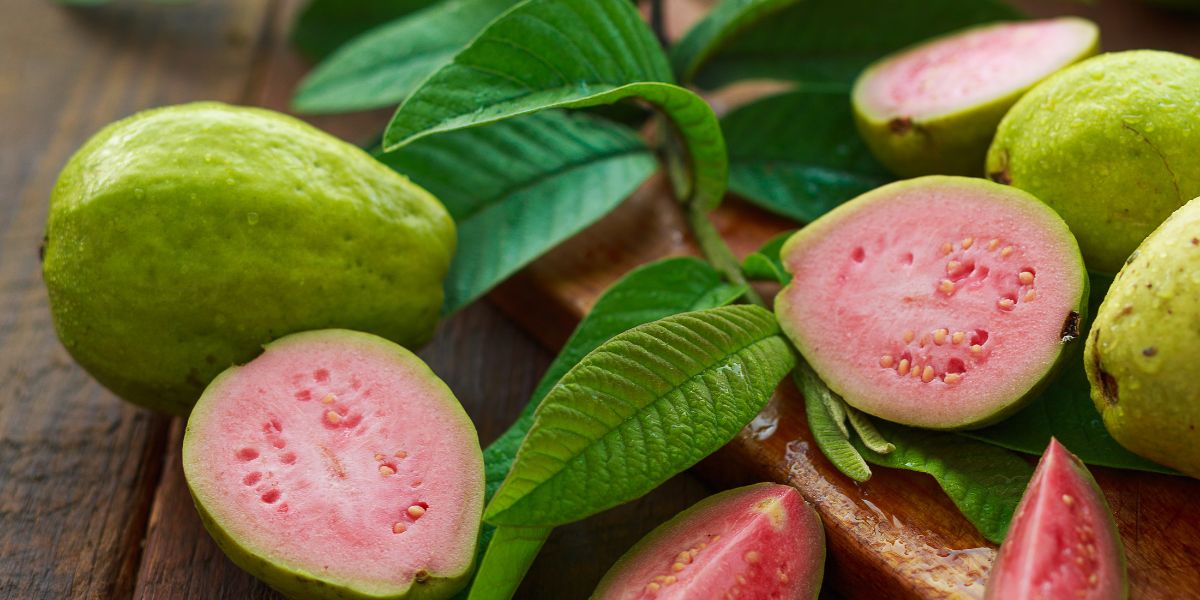
Diabetes affects millions in India and worldwide, making it hard for the body to control blood sugar levels. This can lead to problems like heart issues, kidney damage, or poor wound healing if not managed well. Many people with diabetes look for natural foods to help keep blood sugar steady. Guava, a common tropical fruit in India, is one such option.
With its sweet-tangy taste and green skin, guava is eaten fresh, as juice, or even as leaves in tea. Grown widely in states like Uttar Pradesh and Maharashtra, it's affordable and available year-round. But is guava really good for diabetes?
This article will explore the benefits, risks, and ways to add guava to your diet. By the end, you'll know if guava can support your diabetes management.
Benefits of Guava for Diabetes
Guava is low in calories but high in nutrients, making it a smart choice for diabetics who need to watch their weight and sugar intake. One medium guava has about 68 calories, 14 grams of carbs (mostly fibre), and a low glycemic index (GI) of 12-24, which means it doesn't spike blood sugar quickly. Its fibre, vitamins, and plant compounds help in many ways. Let's explore each benefit step by step.
1. Lowers Blood Sugar Levels
Guava's high fibre content, especially soluble fibre like pectin, slows down sugar absorption in the gut. This prevents sharp rises in blood sugar after meals, a key concern for type 2 diabetes. The fruit also has polyphenols, natural chemicals that improve insulin sensitivity, helping cells use sugar better from the blood.
An Indian study from the Journal of Clinical and Diagnostic Research tested guava on healthy people, but with insights for diabetics. Effect of Guava in Blood Glucose and Lipid Profile. Researchers gave participants ripe guava with and without the peel.
The group eating guava without peel saw no rise in fasting blood sugar and even a drop in post-meal levels. This happened because the peel has more fibre, but the flesh's compounds directly helped control glucose.
The study, done in 2016, suggests guava without peel works best for steady blood sugar, with results significant at p<0.05.
Summary:
Guava without peel can help maintain steady blood sugar levels after meals, making it beneficial for managing diabetes.
2. Improves Insulin Sensitivity
Insulin resistance is common in diabetes, where the body ignores insulin's signal to take in sugar. Guava's flavonoids, like quercetin, act like natural insulin boosters.
They help the pancreas release more insulin and make cells more responsive. This can lower HbA1c, a test showing average blood sugar over months.
A review from Jamia Hamdard University in New Delhi looked at guava leaves' antidiabetic effects. Review on Medicinal Properties of Guava.
The study found that aqueous and ethanol extracts of guava leaves reduced blood sugar in rats with induced diabetes by inhibiting enzymes like alpha-glucosidase, which break down carbs into sugar.
In doses of 250 mg/kg, it lowered post-meal glucose by up to 30%. The researchers, Indian pharmacologists, explained that quercetin and tannins in guava block these enzymes, mimicking diabetes drugs like acarbose.
This 2018 review highlights guava's role in reducing insulin resistance safely.
Summary:
Guava and its leaf extracts improve insulin sensitivity and lower blood sugar by boosting insulin action and inhibiting carbohydrate breakdown, offering a safe, natural support for diabetes management.
3. Rich in Antioxidants to Fight Complications
Diabetes causes oxidative stress, where free radicals damage cells, leading to issues like eye problems (retinopathy) or nerve pain (neuropathy).
Guava is loaded with vitamin C (over 200% daily needs per fruit) and antioxidants like lycopene and ellagic acid. These fight free radicals, protect blood vessels, and reduce inflammation.
Research from the Indian Journal of Medical Research studied guava peel on diabetic rats. Anti-Hyperglycaemic Potential of Psidium Guajava Raw Fruit Peel.
In 2009, scientists gave unripe guava peel extract to normal and diabetic rats. It dropped blood sugar by 21-27% in mild diabetics and 20% in severe cases after three hours.
Urine sugar fell by 50%, and haemoglobin rose by 5%, showing better oxygen carrying in the blood. The Indian team noted the peel's high antioxidants reduced stress on the pancreas, preventing further damage. This makes guava helpful for long-term complication control.
4. Supports Heart Health and Cholesterol
People with diabetes often have high cholesterol and blood pressure, raising heart disease risk. Guava's potassium (417 mg per fruit) relaxes blood vessels, lowering pressure. Its fibre binds to cholesterol in the gut, flushing it out, while vitamin C strengthens arteries.
A meta-review from the University of Lucknow examined Indian plants like guava for antidiabetic activity. Antidiabetic Activity of Bioactive Compounds.
Published in 2019, it reviewed studies showing guava leaf extract lowered blood glucose in alloxan-induced diabetic rats and improved lipid profiles.
Ethanol bark extract stimulated insulin from beta-cells, reducing bad cholesterol (LDL) by 15-20%. The Indian authors concluded that guava's flavonoids, like pedunculagin, enhance insulin sensitivity, protecting the heart in diabetics.
5. Aids Weight Management and Gut Health
Extra weight worsens diabetes by increasing insulin resistance. Guava's low calories and high water content (80%) make it filling, helping control portions.
Its fibre also feeds good gut bacteria, improving digestion and reducing inflammation that affects blood sugar.
An updated review from Annamalai University in Tamil Nadu discussed guava's multipurpose uses. Updated Review of Psidium Guajava.
The 2024 paper cited a study where type 2 diabetics drank guava leaf tea with meals for three months, lowering blood glucose more than controls. Another trial showed that guava tea after rice meals cut post-meal sugar spikes.
The Indian botanist author explained that fibre slows glucose absorption, and prebiotics in guava support gut health, aiding weight loss and stable sugar levels.
These benefits show guava isn't a cure but a helpful food when part of a balanced diet.
Risks of Guava for Diabetes
Guava is generally safe, but like any food, it has potential downsides for diabetics. Moderation is key to avoiding issues.
1. Natural Sugars and Carbs
Guava has about 9 grams of sugar per fruit, mostly fructose, which has a low GI but can add up. Eating too many (more than 1-2 daily) might raise blood sugar, especially if peeled, as fibre is lower. Diabetics should monitor levels after eating.
2. Digestive Issues from High Fibre
The 5-9 grams of fibre per guava is great for sugar control, but can cause bloating, gas, or diarrhoea if you're not used to it. Start slow, especially if you have gut problems common in diabetes.
3. Allergic Reactions or Pesticides
Some people may be allergic to guava, causing itching or swelling. In India, guavas might have pesticide residues if not washed well. Organic or home-grown is safer. Those with latex allergy might react due to cross-reactivity.
4. Interactions with Medications
Guava's blood-sugar-lowering effects could amplify diabetes drugs like metformin, causing hypoglycemia (low sugar). Its potassium might affect blood pressure meds. Always check with a doctor.
5. Not Suitable for Everyone
Unripe guava has more tannins, which can upset the stomach. For kidney issues (a diabetes complication), high potassium requires caution. Seeds might be hard to digest for some.
Overall, risks are low with 1 guava daily, but personalise based on health.
Including Guava in Your Diet
Adding guava to meals is easy and tasty, especially in Indian cooking. Aim for 1 medium fruit (100-150g) daily, whole with skin for max fibre.
Fresh as a Snack: Eat ripe guava sliced with skin on. Pair with nuts for protein to balance carbs. In India, it's a common street snack.
In Salads or Raita: Chop guava into a cucumber-onion salad or mix it into yoghurt raita with cumin. This adds crunch and keeps meals low-GI.
Guava Juice or Smoothie: Blend 1/2 guava with spinach and lemon, no added sugar. Limit to 100ml to avoid concentrated sugars. Avoid store-bought with syrups.
Guava Leaf Tea: Boil 2-3 fresh leaves in water for 5 minutes. Drink 1 cup daily, as per studies. It's caffeine-free and aids digestion.
Cooked Dishes: Add diced guava to sabzi with spices or chutney. Roasting softens it for easier eating.
Tips: Choose firm, green-yellow guavas. Wash thoroughly. Store in fridge for 3-4 days. Test blood sugar 2 hours after eating. Combine with exercise for best results.
Conclusion
Guava can be good for diabetes thanks to its low GI, fibre, antioxidants, and insulin-boosting compounds. It helps control blood sugar, fight complications, and support heart health, as shown in Indian studies like those from Jamia Hamdard and University of Lucknow. Review on Medicinal Properties, Antidiabetic Activity.
However, its sugars and fibre require moderation to avoid spikes or tummy troubles. Include 1 guava daily in salads, tea, or fresh, but monitor sugar levels and consult a doctor. Paired with a balanced Indian diet of dals, veggies, and whole grains, guava adds flavour and health benefits without replacing medicine.
References:
1. Effect of Guava in Blood Glucose and Lipid Profile - Journal of Clinical and Diagnostic Research, 2016.
Diabetes affects millions in India and worldwide, making it hard for the body to control blood sugar levels. This can lead to problems like heart issues, kidney damage, or poor wound healing if not managed well. Many people with diabetes look for natural foods to help keep blood sugar steady. Guava, a common tropical fruit in India, is one such option.
With its sweet-tangy taste and green skin, guava is eaten fresh, as juice, or even as leaves in tea. Grown widely in states like Uttar Pradesh and Maharashtra, it's affordable and available year-round. But is guava really good for diabetes?
This article will explore the benefits, risks, and ways to add guava to your diet. By the end, you'll know if guava can support your diabetes management.
Benefits of Guava for Diabetes
Guava is low in calories but high in nutrients, making it a smart choice for diabetics who need to watch their weight and sugar intake. One medium guava has about 68 calories, 14 grams of carbs (mostly fibre), and a low glycemic index (GI) of 12-24, which means it doesn't spike blood sugar quickly. Its fibre, vitamins, and plant compounds help in many ways. Let's explore each benefit step by step.
1. Lowers Blood Sugar Levels
Guava's high fibre content, especially soluble fibre like pectin, slows down sugar absorption in the gut. This prevents sharp rises in blood sugar after meals, a key concern for type 2 diabetes. The fruit also has polyphenols, natural chemicals that improve insulin sensitivity, helping cells use sugar better from the blood.
An Indian study from the Journal of Clinical and Diagnostic Research tested guava on healthy people, but with insights for diabetics. Effect of Guava in Blood Glucose and Lipid Profile. Researchers gave participants ripe guava with and without the peel.
The group eating guava without peel saw no rise in fasting blood sugar and even a drop in post-meal levels. This happened because the peel has more fibre, but the flesh's compounds directly helped control glucose.
The study, done in 2016, suggests guava without peel works best for steady blood sugar, with results significant at p<0.05.
Summary:
Guava without peel can help maintain steady blood sugar levels after meals, making it beneficial for managing diabetes.
2. Improves Insulin Sensitivity
Insulin resistance is common in diabetes, where the body ignores insulin's signal to take in sugar. Guava's flavonoids, like quercetin, act like natural insulin boosters.
They help the pancreas release more insulin and make cells more responsive. This can lower HbA1c, a test showing average blood sugar over months.
A review from Jamia Hamdard University in New Delhi looked at guava leaves' antidiabetic effects. Review on Medicinal Properties of Guava.
The study found that aqueous and ethanol extracts of guava leaves reduced blood sugar in rats with induced diabetes by inhibiting enzymes like alpha-glucosidase, which break down carbs into sugar.
In doses of 250 mg/kg, it lowered post-meal glucose by up to 30%. The researchers, Indian pharmacologists, explained that quercetin and tannins in guava block these enzymes, mimicking diabetes drugs like acarbose.
This 2018 review highlights guava's role in reducing insulin resistance safely.
Summary:
Guava and its leaf extracts improve insulin sensitivity and lower blood sugar by boosting insulin action and inhibiting carbohydrate breakdown, offering a safe, natural support for diabetes management.
3. Rich in Antioxidants to Fight Complications
Diabetes causes oxidative stress, where free radicals damage cells, leading to issues like eye problems (retinopathy) or nerve pain (neuropathy).
Guava is loaded with vitamin C (over 200% daily needs per fruit) and antioxidants like lycopene and ellagic acid. These fight free radicals, protect blood vessels, and reduce inflammation.
Research from the Indian Journal of Medical Research studied guava peel on diabetic rats. Anti-Hyperglycaemic Potential of Psidium Guajava Raw Fruit Peel.
In 2009, scientists gave unripe guava peel extract to normal and diabetic rats. It dropped blood sugar by 21-27% in mild diabetics and 20% in severe cases after three hours.
Urine sugar fell by 50%, and haemoglobin rose by 5%, showing better oxygen carrying in the blood. The Indian team noted the peel's high antioxidants reduced stress on the pancreas, preventing further damage. This makes guava helpful for long-term complication control.
4. Supports Heart Health and Cholesterol
People with diabetes often have high cholesterol and blood pressure, raising heart disease risk. Guava's potassium (417 mg per fruit) relaxes blood vessels, lowering pressure. Its fibre binds to cholesterol in the gut, flushing it out, while vitamin C strengthens arteries.
A meta-review from the University of Lucknow examined Indian plants like guava for antidiabetic activity. Antidiabetic Activity of Bioactive Compounds.
Published in 2019, it reviewed studies showing guava leaf extract lowered blood glucose in alloxan-induced diabetic rats and improved lipid profiles.
Ethanol bark extract stimulated insulin from beta-cells, reducing bad cholesterol (LDL) by 15-20%. The Indian authors concluded that guava's flavonoids, like pedunculagin, enhance insulin sensitivity, protecting the heart in diabetics.
5. Aids Weight Management and Gut Health
Extra weight worsens diabetes by increasing insulin resistance. Guava's low calories and high water content (80%) make it filling, helping control portions.
Its fibre also feeds good gut bacteria, improving digestion and reducing inflammation that affects blood sugar.
An updated review from Annamalai University in Tamil Nadu discussed guava's multipurpose uses. Updated Review of Psidium Guajava.
The 2024 paper cited a study where type 2 diabetics drank guava leaf tea with meals for three months, lowering blood glucose more than controls. Another trial showed that guava tea after rice meals cut post-meal sugar spikes.
The Indian botanist author explained that fibre slows glucose absorption, and prebiotics in guava support gut health, aiding weight loss and stable sugar levels.
These benefits show guava isn't a cure but a helpful food when part of a balanced diet.
Risks of Guava for Diabetes
Guava is generally safe, but like any food, it has potential downsides for diabetics. Moderation is key to avoiding issues.
1. Natural Sugars and Carbs
Guava has about 9 grams of sugar per fruit, mostly fructose, which has a low GI but can add up. Eating too many (more than 1-2 daily) might raise blood sugar, especially if peeled, as fibre is lower. Diabetics should monitor levels after eating.
2. Digestive Issues from High Fibre
The 5-9 grams of fibre per guava is great for sugar control, but can cause bloating, gas, or diarrhoea if you're not used to it. Start slow, especially if you have gut problems common in diabetes.
3. Allergic Reactions or Pesticides
Some people may be allergic to guava, causing itching or swelling. In India, guavas might have pesticide residues if not washed well. Organic or home-grown is safer. Those with latex allergy might react due to cross-reactivity.
4. Interactions with Medications
Guava's blood-sugar-lowering effects could amplify diabetes drugs like metformin, causing hypoglycemia (low sugar). Its potassium might affect blood pressure meds. Always check with a doctor.
5. Not Suitable for Everyone
Unripe guava has more tannins, which can upset the stomach. For kidney issues (a diabetes complication), high potassium requires caution. Seeds might be hard to digest for some.
Overall, risks are low with 1 guava daily, but personalise based on health.
Including Guava in Your Diet
Adding guava to meals is easy and tasty, especially in Indian cooking. Aim for 1 medium fruit (100-150g) daily, whole with skin for max fibre.
Fresh as a Snack: Eat ripe guava sliced with skin on. Pair with nuts for protein to balance carbs. In India, it's a common street snack.
In Salads or Raita: Chop guava into a cucumber-onion salad or mix it into yoghurt raita with cumin. This adds crunch and keeps meals low-GI.
Guava Juice or Smoothie: Blend 1/2 guava with spinach and lemon, no added sugar. Limit to 100ml to avoid concentrated sugars. Avoid store-bought with syrups.
Guava Leaf Tea: Boil 2-3 fresh leaves in water for 5 minutes. Drink 1 cup daily, as per studies. It's caffeine-free and aids digestion.
Cooked Dishes: Add diced guava to sabzi with spices or chutney. Roasting softens it for easier eating.
Tips: Choose firm, green-yellow guavas. Wash thoroughly. Store in fridge for 3-4 days. Test blood sugar 2 hours after eating. Combine with exercise for best results.
Conclusion
Guava can be good for diabetes thanks to its low GI, fibre, antioxidants, and insulin-boosting compounds. It helps control blood sugar, fight complications, and support heart health, as shown in Indian studies like those from Jamia Hamdard and University of Lucknow. Review on Medicinal Properties, Antidiabetic Activity.
However, its sugars and fibre require moderation to avoid spikes or tummy troubles. Include 1 guava daily in salads, tea, or fresh, but monitor sugar levels and consult a doctor. Paired with a balanced Indian diet of dals, veggies, and whole grains, guava adds flavour and health benefits without replacing medicine.
References:
1. Effect of Guava in Blood Glucose and Lipid Profile - Journal of Clinical and Diagnostic Research, 2016.
Diabetes is a common health issue in India and around the world, where the body cannot properly control blood sugar levels. This can lead to problems like heart disease, kidney damage, and nerve is...
Diabetes is a common health issue where the body cannot properly manage blood sugar levels, leading to risks like heart problems, kidney damage, and nerve issues. In India, millions live with diabe...